 Vietnamnet.vn

 Podcast



From returning home to open homestays and developing local experience tours to telling fishing-village stories through videos, young Vietnamese are finding new ways to bring the beauty, culture and rhythms of coastal life closer to travelers. Their initiatives are not only creating livelihoods but also helping preserve and share the values of traditional fishing communities.
VietNamNet presents the series: Young people tell the stories of fishing villages.
At 4:30am, as the eastern sky begins to glow pink, a new day is already stirring on An Cuong Beach in Van Tuong Commune, Quang Ngai. Offshore, basket boats return one after another following a night of fishing. On the sand, fishermen call out to one another as they bring in the fresh catch, while a handful of visitors capture the sunrise turning the sea crimson.
From his homestay just steps from the shore, 37-year-old Pham Van Luc quietly watches the fishing village come to life - the same place he once longed to leave behind to escape poverty, but has now returned to with a determination to develop tourism.
Leaving city life behind for a poor fishing village

Like many children who grew up in An Cuong, Luc spent his childhood surrounded by fishing boats heading out to sea before dawn, seasons of good and bad catches dictated by the tides, and a life marked by hardship.
“When I was young, I always wanted to study hard so I could leave the village and find work in a big city. Back then, everyone thought you had to go far away to have a future,” Luc recalled.
After being admitted to university, Luc moved to Ho Chi Minh City to study and later built his career there. Life gradually became stable for him and his wife, with convenient access to services, schools and hospitals. Yet amid the comforts of city life, he continued to miss home.
Whenever he returned to An Cuong, he would wake up early to watch the sunrise over the sea, observe villagers hauling in their nets and see them sorting the fresh catch right on the beach.
“I started asking myself, ‘Why is my hometown this beautiful, yet so few people know about it?’ I had visited many fishing villages, but not many still retained the unspoiled beauty, tranquility and traditional fishing practices that my hometown has,” he said.
Encouraged by his wife, Luc decided to leave his stable job in Ho Chi Minh City and return to Quang Ngai to venture into tourism.
“At first, many relatives and friends tried to talk me out of it. They thought developing tourism in a quiet place like An Cuong, which was virtually unknown on the tourism map, was too risky and had little chance of succeeding,” he recalled.
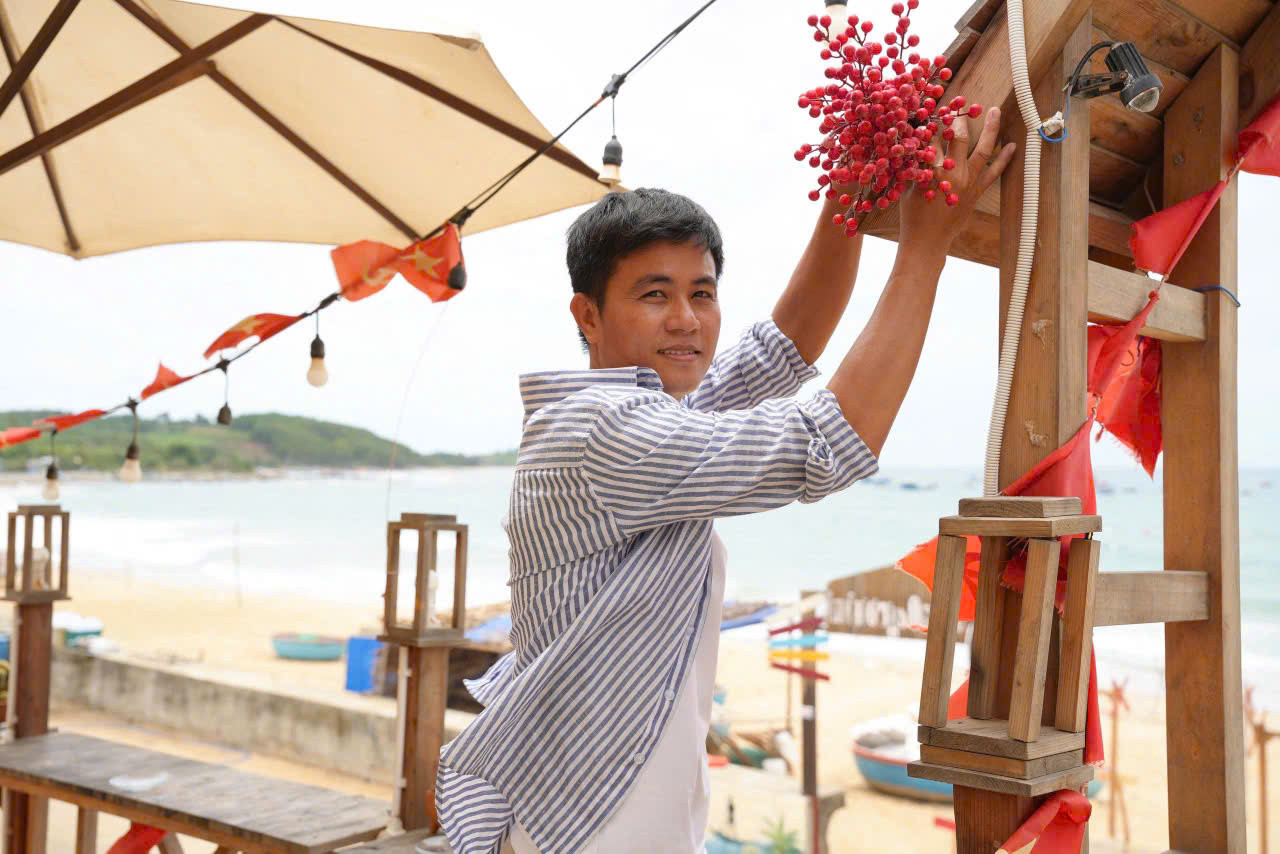
In 2025, Luc and his wife took out a loan and pooled their savings to buy a plot of land by the sea, where they built a charming café and homestay.
The property was designed with Mediterranean-inspired architecture and open spaces that make the most of the sea breeze and natural light. Construction was initially expected to take around four months, but prolonged storms and rain stretched the process to nearly nine months.
“My wife and I had no experience, so we learned little by little, working things out as we went and researching online. We like clean, tidy spaces, so that was what we tried to create at the homestay. We would rather take a little longer and get the details right than rush and compromise on quality,” Luc said.
The homestay now has nine guest rooms and offers food and beverage services. Luc and his wife manage it themselves, from maintaining the property to cooking for guests. The couple take turns traveling between Ho Chi Minh City and Quang Ngai to care for their children while keeping the business running.
During the early days of operation, Luc’s biggest concern was how to introduce travelers to a coastal destination as little known as An Cuong. The investment was substantial, with monthly bank interest payments as well as operating and staffing costs, giving the couple plenty of sleepless nights.
Fortunately, the simple, unfiltered images of An Cuong Beach that the couple filmed and shared began attracting travelers’ attention. Since opening during the April 30-May 1 holiday, the homestay has been almost fully booked on weekends and during the peak summer season.
Simple rhythms of coastal life keep visitors coming back
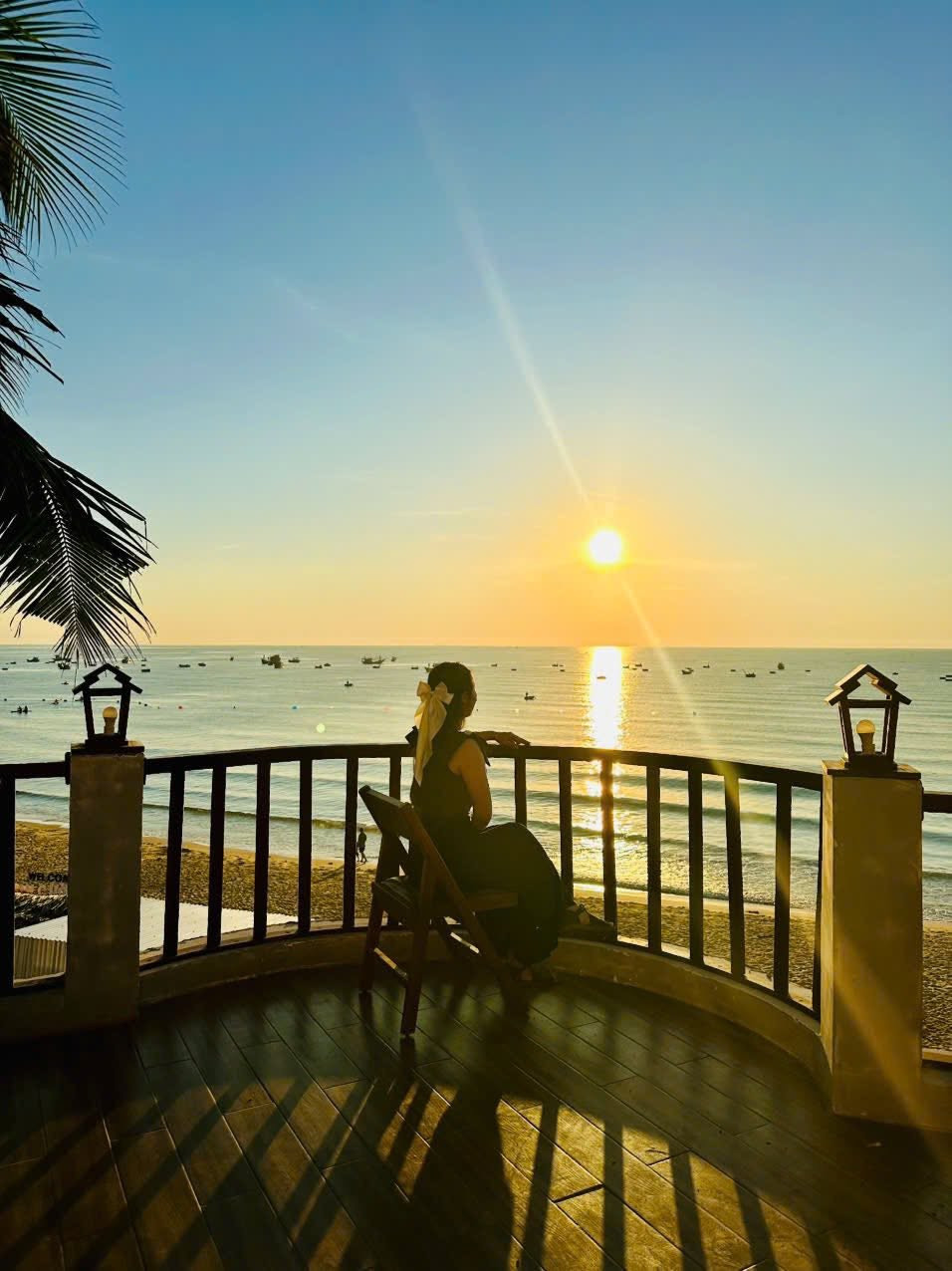

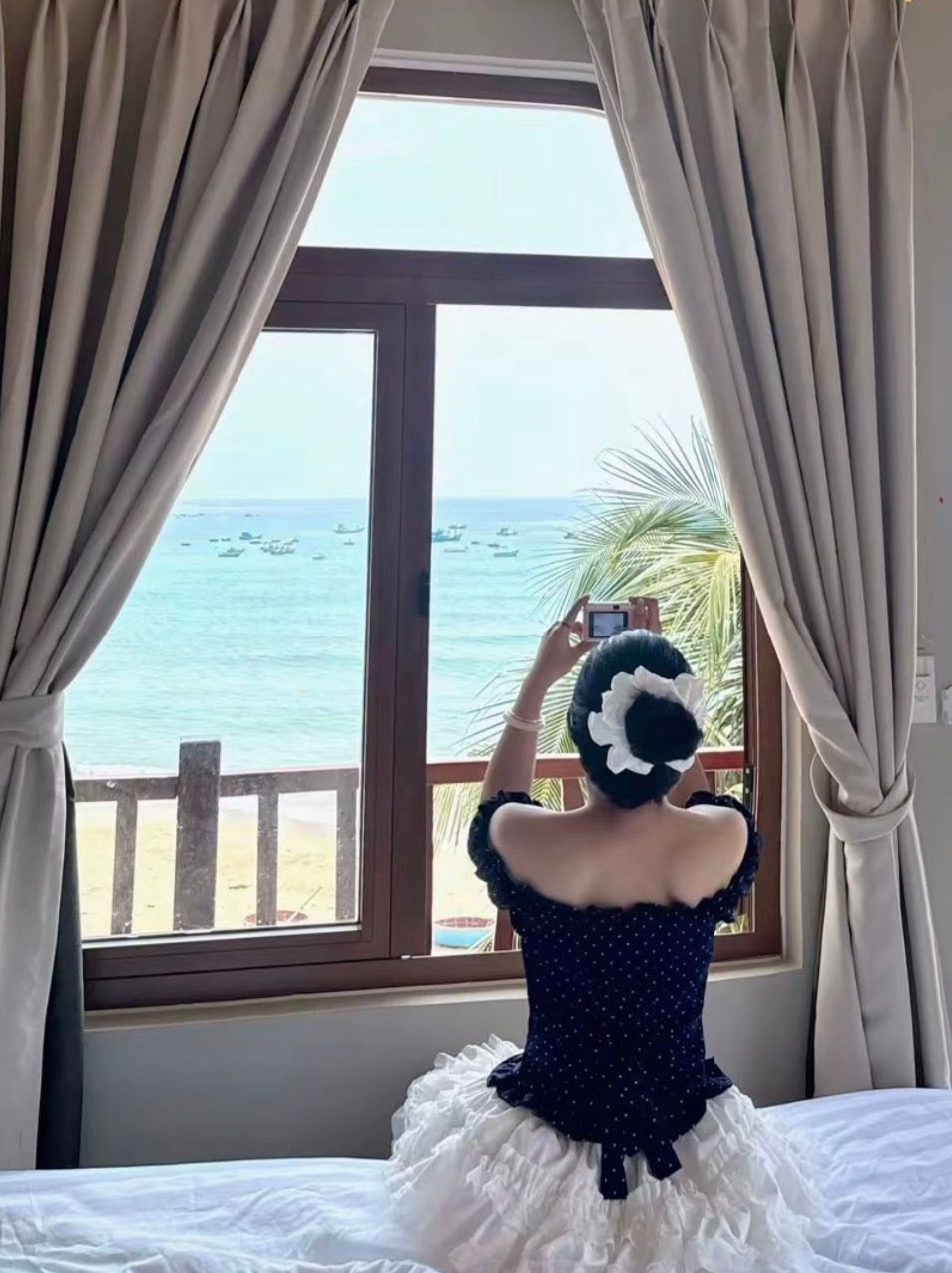
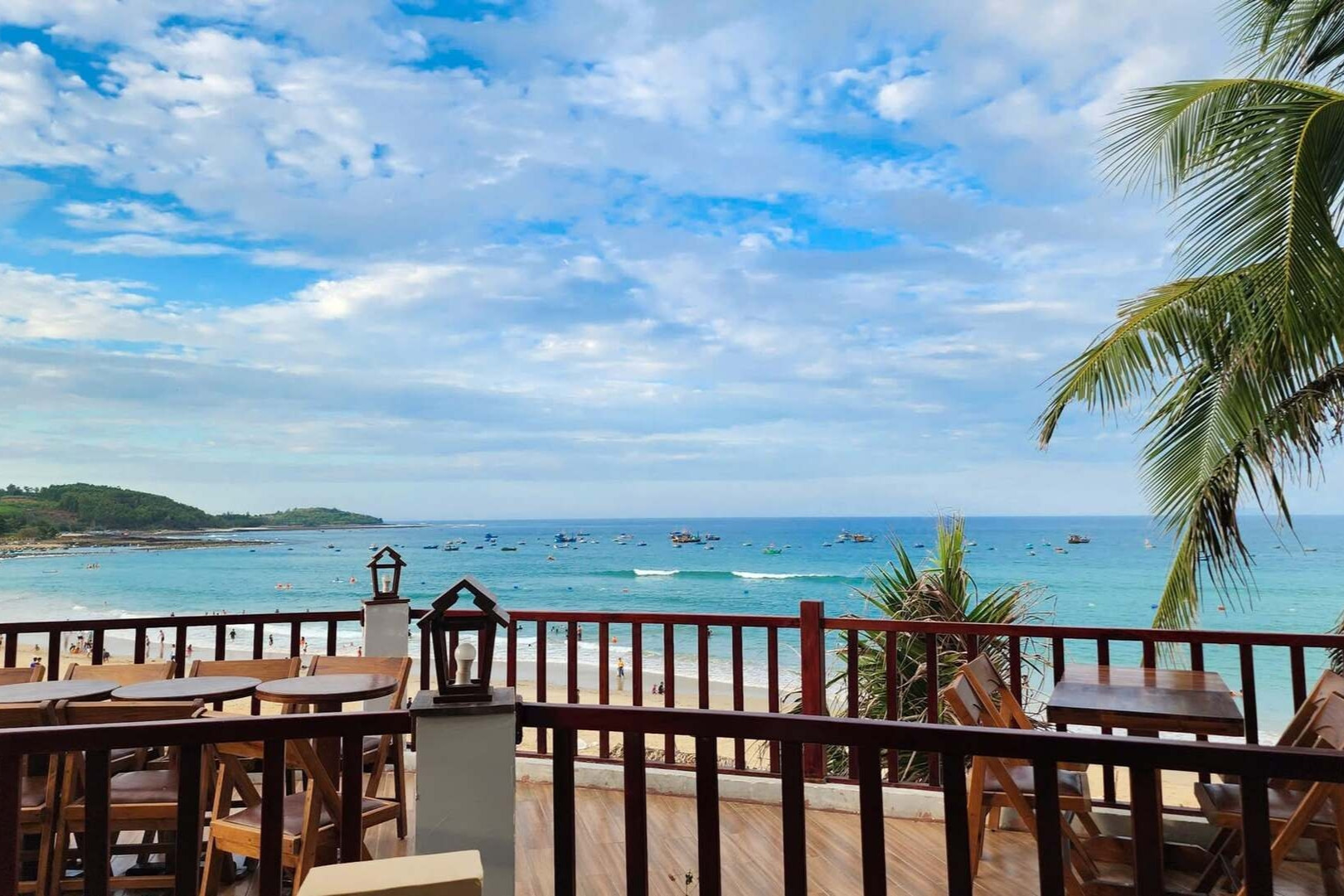
The road into An Cuong is narrow and somewhat difficult to find, but that isolation has helped preserve the village’s unspoiled character, with clear blue water, fine white sand and warm, down-to-earth residents.
After returning home to develop tourism, Luc wanted visitors to do more than simply stay overnight. He hoped they could immerse themselves in the rhythms of local life. Early in the morning, guests can watch the sunrise, join fishermen hauling in luoi rung - a traditional method of nearshore net fishing - buy freshly caught seafood at reasonable prices and have it prepared at the homestay.
Visitors can swim, camp on the beach, stroll along the sand in the afternoon and join locals after dark to hunt for small shore crabs before gathering around a charcoal grill for a seafood feast.
Among these activities, hauling in luoi rung is particularly popular.
“Everyone pulls the net together, calling out in rhythm, and then shares the freshly caught fish. People get incredibly excited. Many children from the city have never experienced fishing life before, so they are especially fascinated by it,” Luc said.
A vision for the whole village to benefit from tourism

From the outset, Luc knew tourism could not be developed by one person alone.
He began working with fishermen in the village to organize net-hauling activities, introduce visitors to traditional fishing practices and supply them with fresh seafood. In his view, involving local residents gives travelers a more authentic experience while providing villagers with an additional source of income in their own community.
“I hope tourism can create more opportunities for local people, rather than benefiting only my homestay,” he said.
Huynh Van Long, Secretary of the local Party Cell and head of An Cuong Village, said Luc’s homestay was the first accommodation business in the area. In the past, villagers primarily made their living from fishing, with only a handful of seaside cafés opening in recent years.
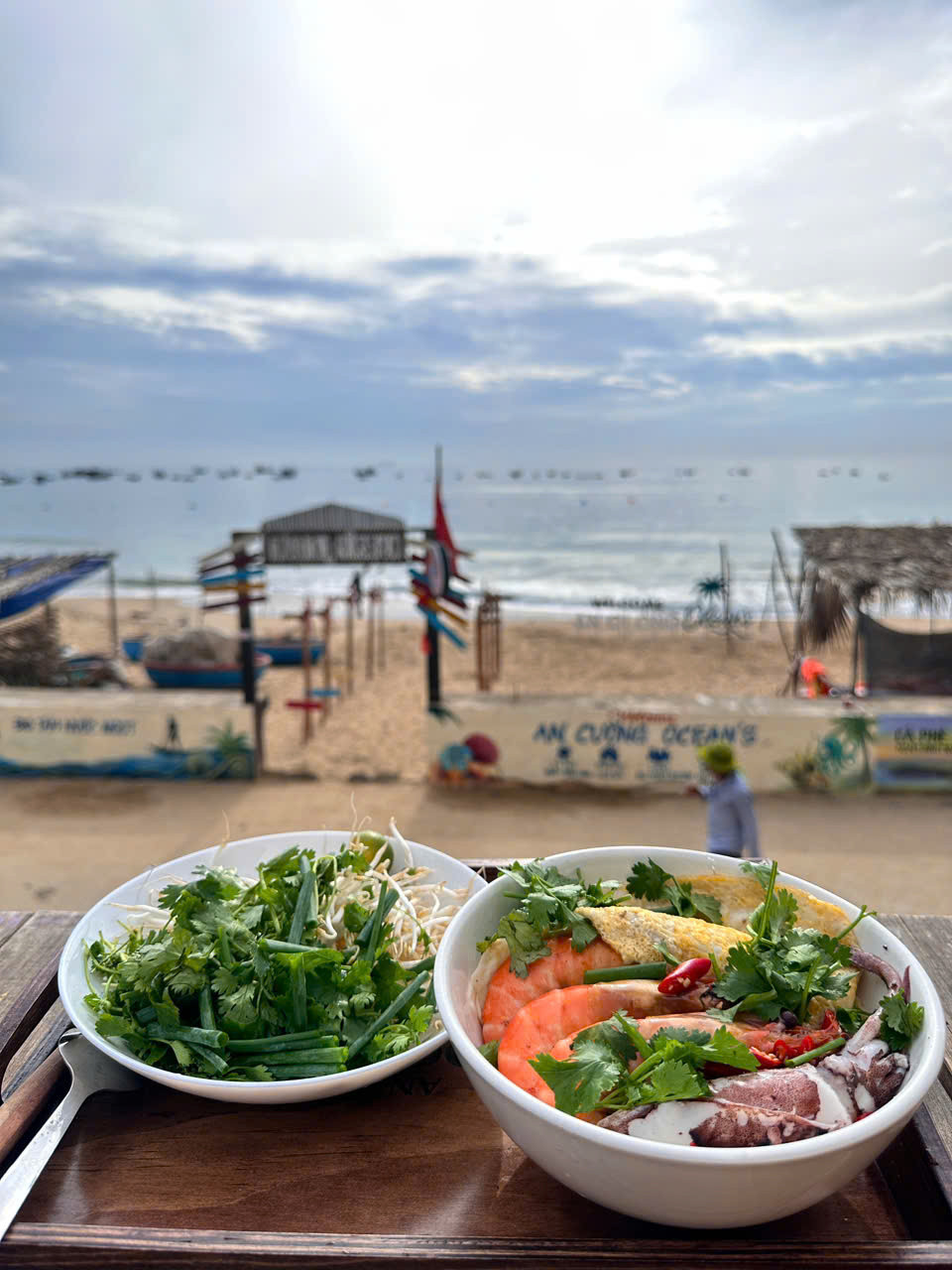
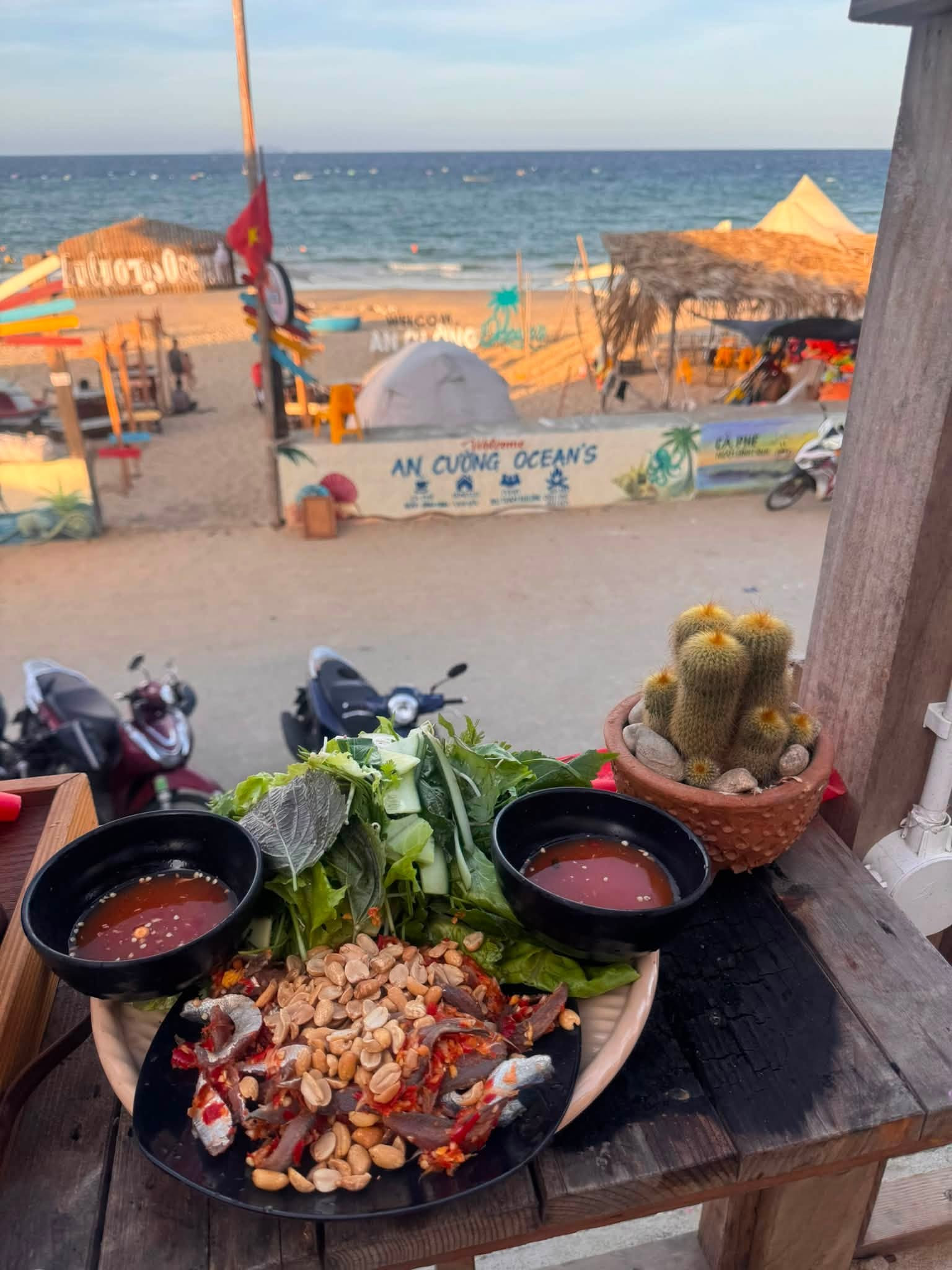
“This summer, the number of visitors coming to An Cuong has increased noticeably, creating new expectations for community-based tourism. We very much hope more people who grew up here will return and help develop tourism in their hometown, as Luc has done,” Long said.
Luc, meanwhile, is continuing to explore ways to bring international travelers to his hometown fishing village.
“I hope my fishing village will become better known, but I also want it to preserve what makes it unique rather than chasing after large-scale, uncontrolled construction,” he said.
Linh Trang
.svg)
