 Vietnamnet.vn

 Podcast



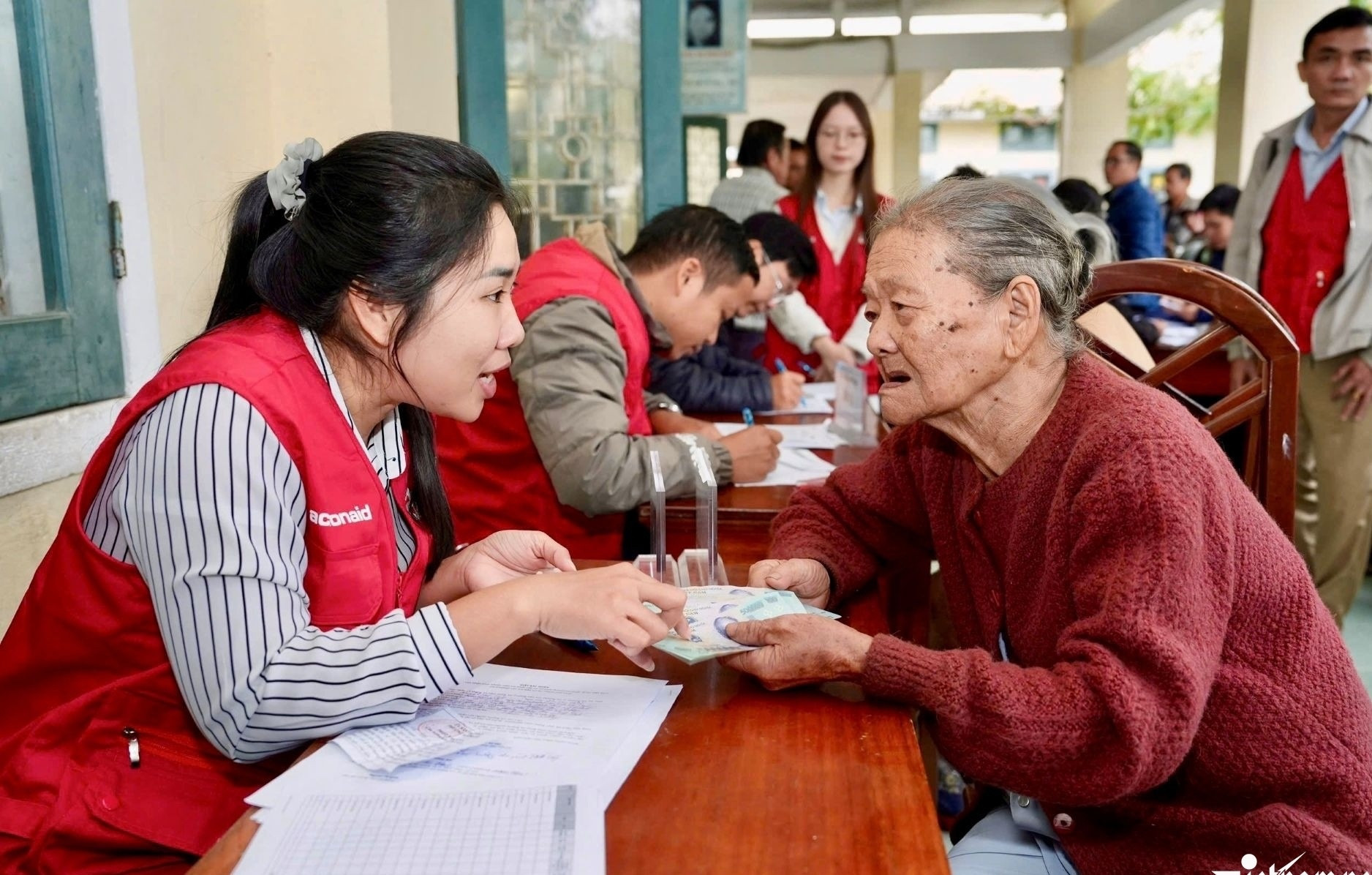
The increases in base salary, pensions, social insurance (SI) benefits, and monthly allowances from July 1, 2026 have affected millions of cadres, civil servants, public employees, retirees, and SI benefit recipients.
However, for many people, the added income still has not kept up with the rising pace of prices, leaving daily spending pressures completely unalleviated.
Thu Minh, a cadre working in a state agency in Hanoi, said that after the base salary was adjusted upward to VND2.53 million, her total income along with her husband’s increased by more than VND2 million a month. Yet, before they even received the additional amount, living expenses for gasoline, electricity, water, food, and children's extra classes had risen months ago.
"Everything is more expensive. Everyone is happy when salaries increase, but in reality, there is little joy and much worry. The added amount is almost only enough to offset the increased costs," Minh said.
Every time she goes to the market, she feels that her money empties very quickly, while the amount of food purchased is no longer like before. This reality forces her family to carefully calculate every expense and limit non-essential purchases to balance their budget.
“Pay rise is a very meaningful policy, but if prices continue to climb, workers' real incomes will still be difficult to improve. What we hope for most is stable prices so that the increase in our salaries can actually make a difference," Minh said.
Many retirees and social insurance beneficiaries share similar concerns about rising living costs.
Le Thi Thu, who lives with her children in Phu Dien Ward, Hanoi, previously received less than VND3 million a month in pension and social insurance benefits. After the latest pension adjustment, her monthly income rose to more than VND3 million. However, she said the increase was still insufficient to cover current living costs.
Thu mainly uses her pension to pay for breakfast, medicine and personal expenses so that she does not have to rely on her children. However, price increases for many goods since the beginning of the year have affected her spending plans.
"A bowl of pho used to cost around VND40,000, but now it is VND50,000. So on many days I stay home and eat instant noodles or cook for myself to save money. Older people live on their pensions, so we have to make every penny count," Thu said.
She said the pension increase was welcome, but what people wanted even more was for market prices to be kept under control.
"Prices went up before our pensions did. We understand that adjusting pensions is not easy, but we just hope prices will remain stable so that the additional income does not lose its value too quickly. Only then will life become less financially stressful for retirees," Thu said.
Pay rises aim to offset inflation
Pham Minh Huan, former Deputy Minister of Labour, Invalids and Social Affairs, told VietNamNet that the 8 percent increase in the statutory base salary from July 1 was necessary amid rising living costs.
However, he said the adjustment was primarily intended to partly offset inflation rather than deliver a breakthrough in incomes.
"The 8 percent increase will help wage earners, especially low-income workers, ease some of their difficulties and preserve the real value of their salaries. But it is not enough to significantly improve living standards," Huan said.
According to Huan, when the statutory base salary rises to VND2.53 million per month, allowances and benefits calculated based on that salary will also increase. However, the actual increase in take-home pay will not be substantial because employees will also have to pay higher social and health insurance contributions.
He stressed that keeping inflation and overall price levels under control is essential for pay rises to have a meaningful impact.
"If prices rise faster than wages, workers' real incomes will still be difficult to improve," he said.
He also said wage adjustments must be aligned with the Government's ability to balance the budget, as the State must also allocate resources for development investment, social welfare and other important expenditures. Therefore, pay rises should be implemented according to a roadmap that is appropriate for the country's economic conditions.
Vu Diep
.svg)
