 Vietnamnet.vn

 Podcast



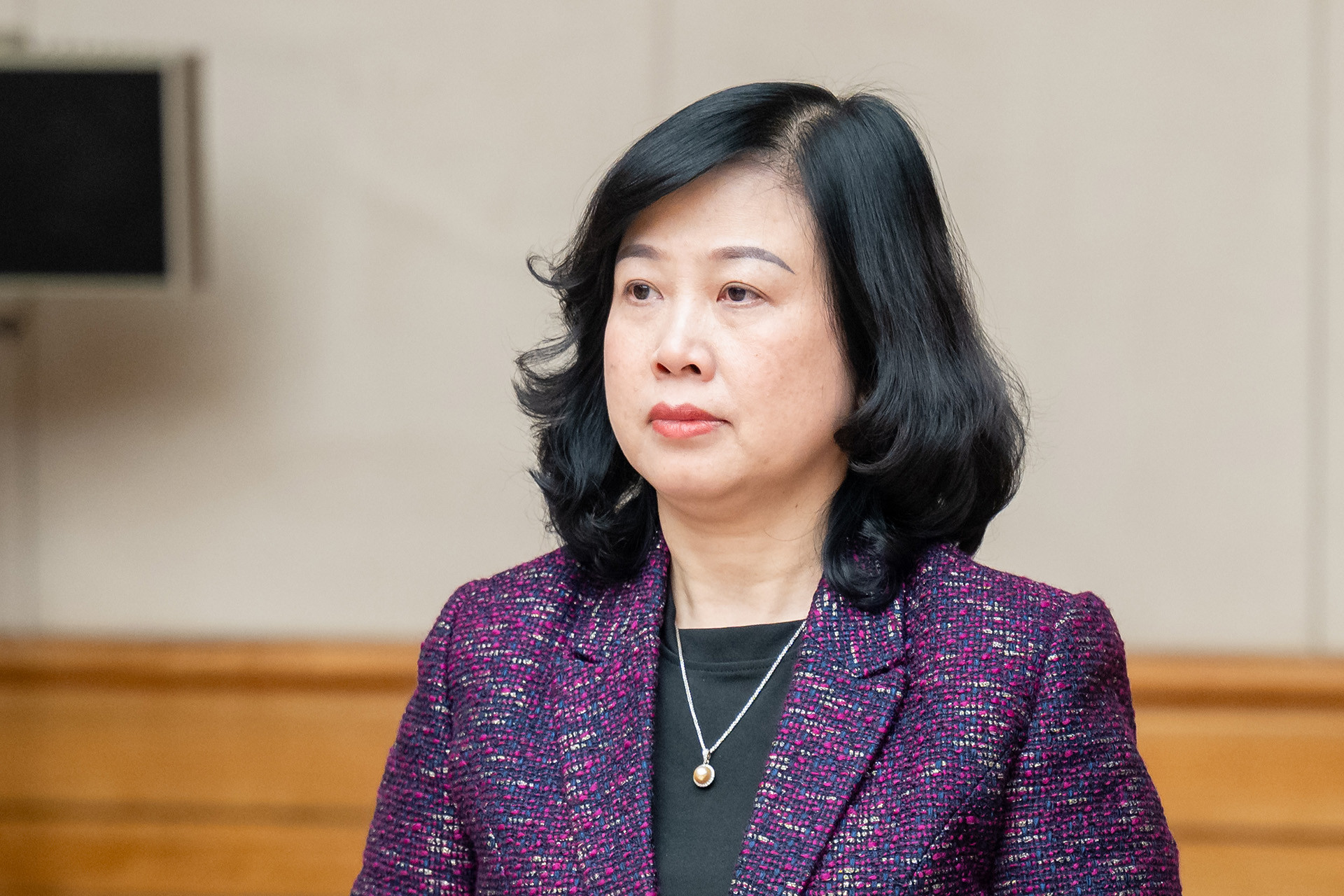
The National Assembly on Monday discussed the draft Resolution on breakthrough mechanisms and policies for protecting, caring for, and improving public health.
Regarding salary and allowance policies, the draft states that doctors, preventive-medicine doctors, and pharmacists will start at level 2 of their professional title salary scale. Those who regularly and directly perform medical tasks in psychiatry, forensic medicine, forensic psychiatry, emergency resuscitation, and pathology will receive a 100 percent professional-preference allowance.
People who regularly and directly perform professional work at commune-level health stations and preventive-health facilities will receive a professional-preference allowance of 100 percent in ethnic-minority and mountainous areas, socioeconomically difficult areas, extremely difficult areas, border areas, and islands; and at least 70 percent in other areas.
NA deputy Tran Van Lam (Bac Ninh) said it is necessary to clarify whether a person working in multiple eligible conditions can receive multiple benefits at once. For example, someone performing specialized tasks while also working in remote or ethnic-minority areas.
He raised the question: “Should doctors doing pathology, forensic medicine, or psychiatry in these regions receive 200 percent, or only 30–50–70 percent? If not clarified, specialists will move to lowland areas; but if set at 200 percent, is it reasonable?”
Regarding the handling of unused public offices prioritized for health care and education, he said clear and consistent rules are needed to avoid both sectors requesting priority at the same time.
Medical staff in difficult areas receive highest incentive level
In reply, Minister Dao Hong Lan explained that if medical staff qualify for multiple allowances, the salary regulations allow them to receive the highest applicable benefit.
Currently, workers in difficult areas receive a 70 percent incentive. If the draft resolution is approved, they would receive 100 percent, ensuring they benefit from the highest incentive available.
She added that there are already regulations for certain specialties such as traditional medicine, dentistry, psychiatry-forensics, forensic psychiatry, emergency resuscitation, and pathology, all of whom receive a 100 percent professional-preference allowance.
These cases apply to hospital workers, while the draft resolution focuses on incentives for staff working at primary-care facilities like commune-level health stations.
Regarding unused public office allocation to healthcare or education sectors, the minister said local authorities will make decisions based on actual needs, ensuring convenience for both sectors.
“There is no worry about health and education competing. Recently, the ministry has received a few headquarters, which are suitable for both educational and medical purposes. This is within the decision-making authority of the locality, so allocating it to health is good, and allocating it to education is also good, as both serve the people," Lan emphasized.
Deputy Le Thi Ngoc Linh (Ca Mau) agreed with Delegate Le Thi Ngoc Linh (Ca Mau) about the draft resolution calling for the state budget to cover periodic health checkups or annual free screenings through the health-insurance fund for groups whose current regulations do not specify funding sources.
The deputy said this is a humanitarian policy, consistent with the policy of caring for and improving public health early on, at the grassroots level, and reducing treatment costs.
However, many citizens and voters have proposed that the resolution should add beneficiaries in difficult circumstances suffering from serious diseases, such as cancer, who could receive 100 percent health insurance coverage to ensure they have the conditions for treatment.
According to the deputy, this is a major policy to reduce the financial burden on patients and their families, ensure equity in access to medical services, contribute to social stability, and align with the viewpoint of "leaving no one behind."
She urged the Minister of Health to further advise on expanding support for poor patients, especially those with cancer.
Minister Dao Hong Lan responded that the draft resolution assigns the Government to define target groups and support levels to ensure proper assistance for the population.
For special groups such as the elderly and people facing financial hardship due to illness, she confirmed the ministry will take note of the proposal and study how to integrate it into legal document for submission to the Government in an appropriate timeline.
Thu Hang
.svg)
