 Vietnamnet.vn

 Podcast



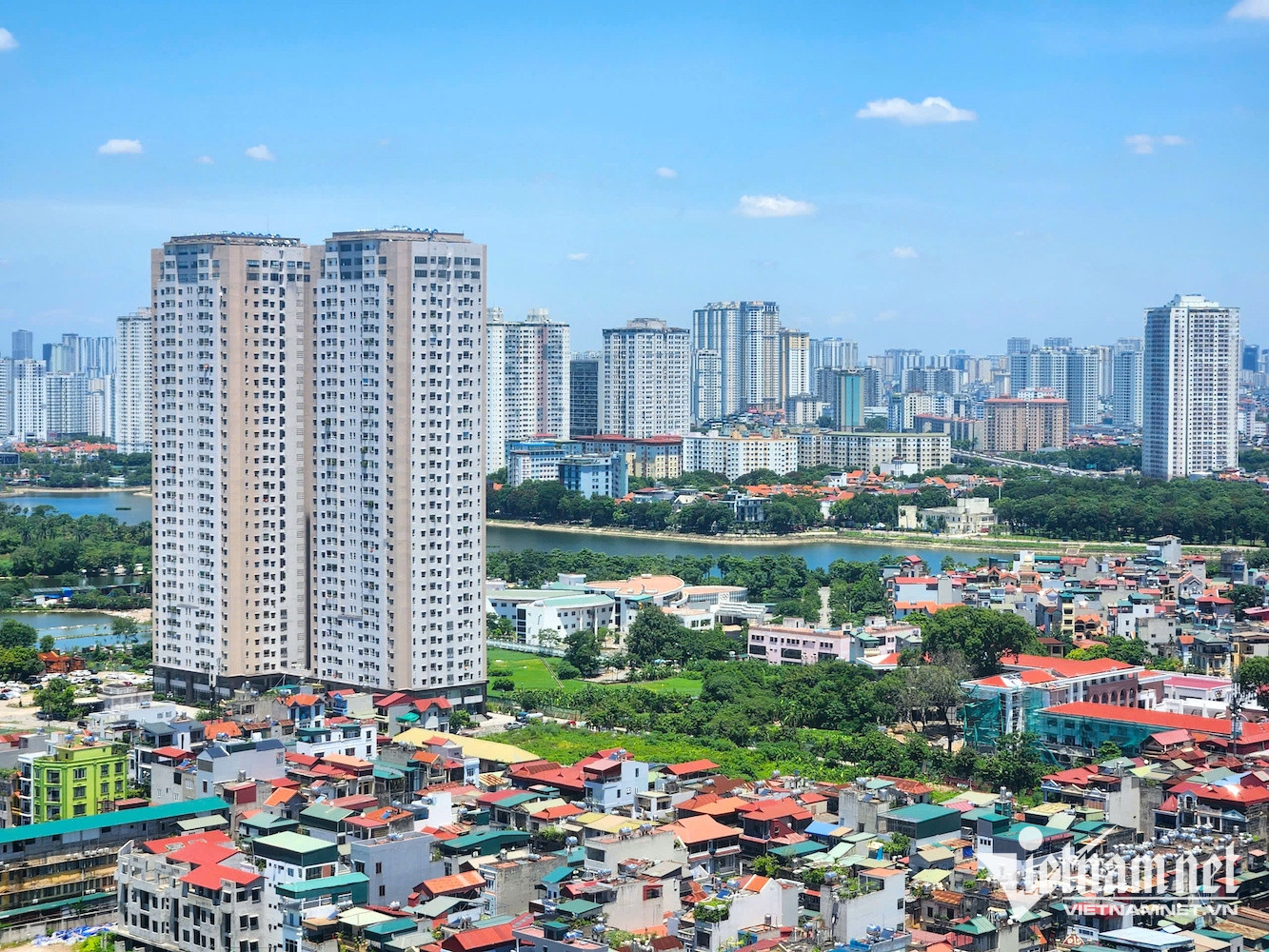
Voters in Quang Tri province have reported that the rearrangement of administrative units has forced many officials and public employees to travel hundreds of kilometers to new administrative centers every dat, leading to surges in land prices, rental costs, and living expenses.
They have proposed that the government direct the MOC, the Ministry of Industry and Trade (MOIT), and relevant ministries and agencies to take measures to control the market, especially land, housing, and essential service prices, to stabilize the living conditions of officials, civil servants and workers.
In response, MOC stated that the real estate market in many localities has shown complex and unstable developments, affecting people’s access to housing and the healthy development of the property market.
In particular, in major cities, housing prices have surged far beyond the affordability of most residents, especially those with middle and low incomes or salaried workers such as public servants.
The Vietnam Real Estate Market Research Institute (VARS IRE) observes that even the highest-income business field in the country - banking and finance - cannot keep up with the pace of housing price increases.
According to VARS IRE, currently, a family with both spouses working in banking, if "devoting all income to buying a house", would need about 3.5 years to purchase an apartment. However, to ensure spending follows the principle that housing costs do not exceed one third of income, the accumulation period would extend to about 10 years. In reality, this figure is even longer because house prices always rise faster than income.
“In many cases, housing and land prices no longer reflect the laws of supply and demand, but are influenced by speculation, non-transparent planning information, administrative boundary adjustments, and crowd psychology,” the Ministry said.
According to the ministry’s report, during the first nine months of the year, the average primary apartment selling price in Hanoi and HCMC ranged from VND70-80 million/sqm. Some luxury apartment projects in Hanoi recorded selling prices of VND150-300 million/sqm.
In reality, the “land fever” phenomenon has spread not only in major cities like Hanoi and HCMC but also to many provinces and cities planning to expand administrative centers or build new industrial zones. These “fevers” have pushed up housing and land prices while infrastructure and public amenities have yet to catch up.
Controlling speculation and serving real demand
MOC believes that to stabilize the market and ensure people can access affordable housing, it is necessary to control the real estate market, particularly by regulating the structure of housing products and land and housing transaction prices.
The ministry said it is proposing a pilot mechanism for establishing a “real estate and land-use rights trading center” managed by the state to enhance the transparency of property transactions.
At the same time, the ministry is submitting to the government a resolution on mechanisms to control and curb real estate prices.
This aims to establish a special legal framework for regulating the market, gradually bringing housing prices down to levels suitable for the majority’s income, particularly for middle- and low-income groups. The policy also seeks to make the market more transparent and strictly control speculative and price-manipulating activities.
Additionally, the ministry is building a policy framework on land, investment, planning, credit, and taxation, as well as investor selection, to promote the development of affordable housing. It plans to control business profit margins in this segment, considering this a “key solution” to reducing product costs.
Adjusting the unbalanced market structure to create an adequate supply of affordable commercial housing will help lower overall price levels and improve access to housing for genuine buyers.
Moreover, MOC is coordinating with agencies to improve the legal framework on housing, real estate business, urban planning, and construction. This effort aims to remove obstacles and complete the legal corridor for sustainable market development.
One of the key tasks is to promote the program to build at least 1 million social housing units by 2030 to meet the housing needs of low-income residents.
In addition, the ministry is drafting and submitting to the government an amendment to Decree 94/2024 on the construction and management of housing and real estate market information systems and databases. This will serve as the foundation for developing and operating the national housing and real estate market database. The ministry is also coordinating with the Ministry of Finance to soon finalize the legal framework for establishing a national housing fund.
Hong Khanh
.svg)
