 Vietnamnet.vn

 Podcast



With Decree 357 set to take effect on March 1, the Ministry of Construction is racing to implement a nationwide digital identification system for real estate properties. The move aims to clarify legal status, make transactions more transparent, and help authorities monitor market supply.
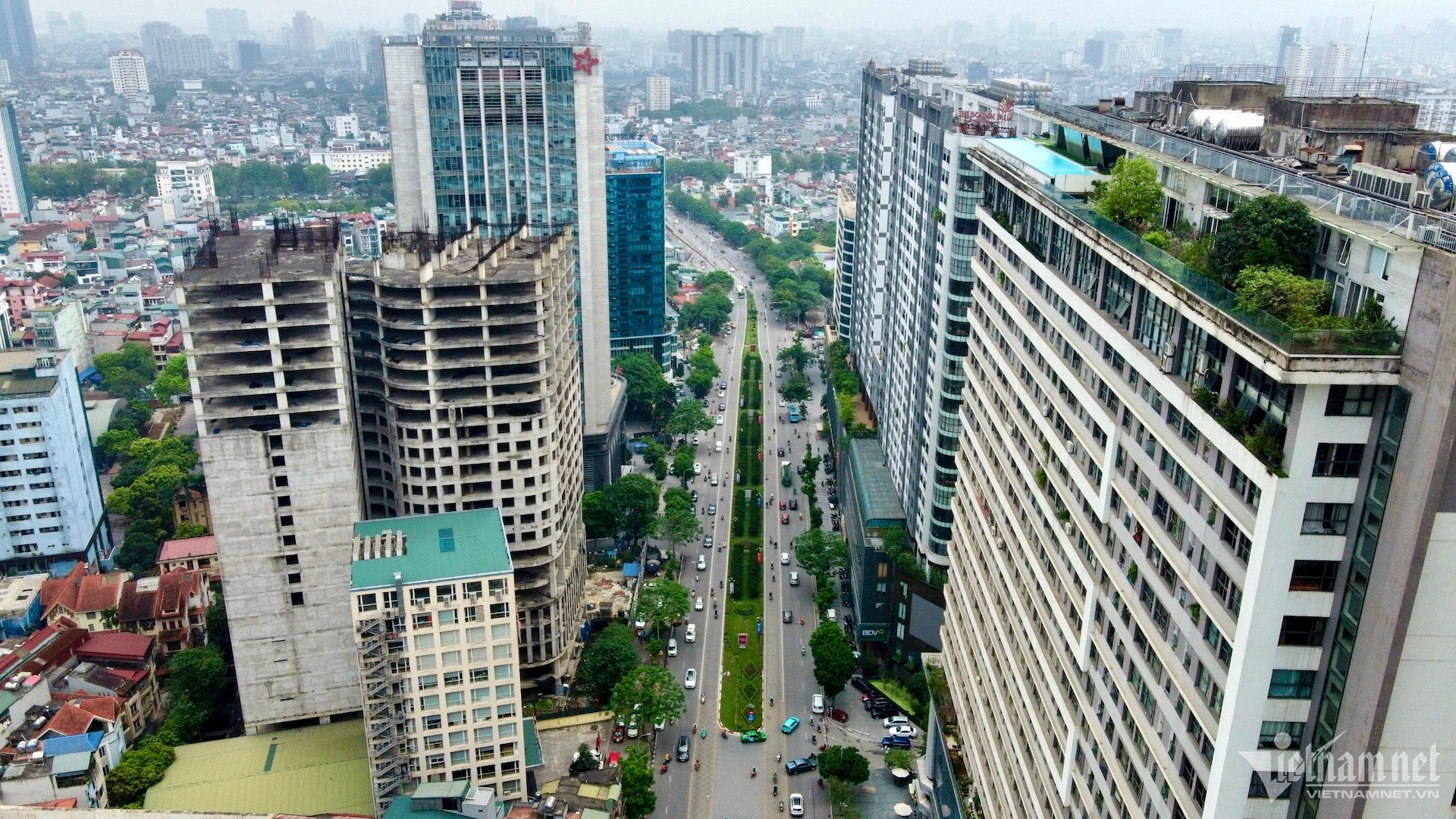
Digital IDs will be assigned to real estate nationwide starting March 1. Photo: Hong Khanh
At a press briefing on January 30, Tong Thi Hanh, Director of the Department of Housing and Real Estate Market Management, confirmed that the ministry had hosted a national training conference earlier that day. The session introduced key elements of Decree 357/2025/ND-CP, which mandates the creation and management of a real estate data system across provinces and related agencies.
To ensure seamless implementation, the Ministry is coordinating closely with telecom firm Viettel to define technical standards for data integration. Once assigned, each property’s digital ID will enable authorities and users to access comprehensive information directly on the platform.
Clarifying legal status, easing certification
Hanh illustrated how digital IDs will enable real-time identification of properties that meet legal requirements for sale or lease, helping distinguish between transactions on the primary and secondary markets.
“This allows government agencies to track unsold inventory and better manage supply,” she explained.
The system will serve as a key information tool for policymaking. Based on real-time data, authorities will be able to determine which segments are oversupplied and which are in demand - helping guide housing programs and regulatory interventions.
Hanh emphasized that real estate encompasses more than just residential housing. It includes industrial, tourism, and commercial assets, making a synchronized database essential for cross-sector governance and planning.
A transparent and integrated system, she added, will also benefit provincial governments, the construction sector, and other ministries. For example, once housing data is linked to land records, the process of issuing land use right certificates (commonly known as red books) will be more efficient.
“With complete legal information already captured in the system, certification procedures will be faster and simpler,” Hanh said.
Likewise, when land data is connected to the housing database - especially for ready-built structures entering the market - it will enable stronger coordination between agencies and contribute to overall market transparency.
How the digital ID is formed
According to Article 3, Clause 5 of Decree 357, a real estate digital ID is a string of alphanumeric characters no longer than 40 characters. Each ID is uniquely assigned to an individual residential unit (apartment or house) or to a designated area within a commercial or mixed-use building.
For residential properties, the digital ID is composed of several data points: land parcel ID, project or building ID, location code (if available), and a series of natural characters. The ID is generated automatically by the national housing and real estate information system.
Local construction departments will assign these IDs at the same time as they issue certificates stating a property is eligible for sale - particularly for properties under development.
For other built areas within commercial or public structures, the same system applies. The ID includes land ID, project or structure code, optional location markers, and a natural character sequence.
The system also extends digital IDs to building management companies, licensed real estate brokers, and individuals receiving housing support under government programs.
Hong Khanh
.svg)
