 Vietnamnet.vn

 Podcast



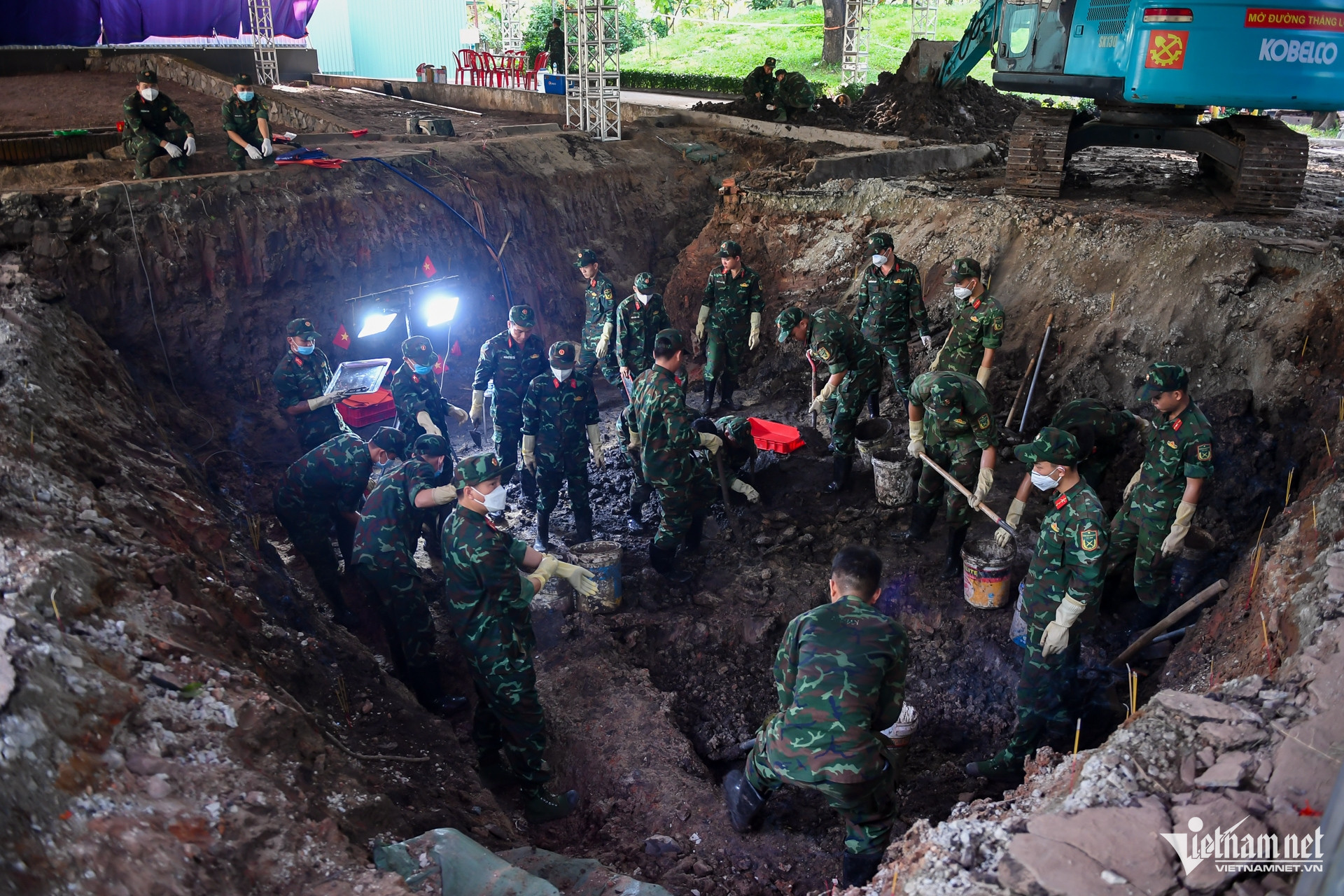
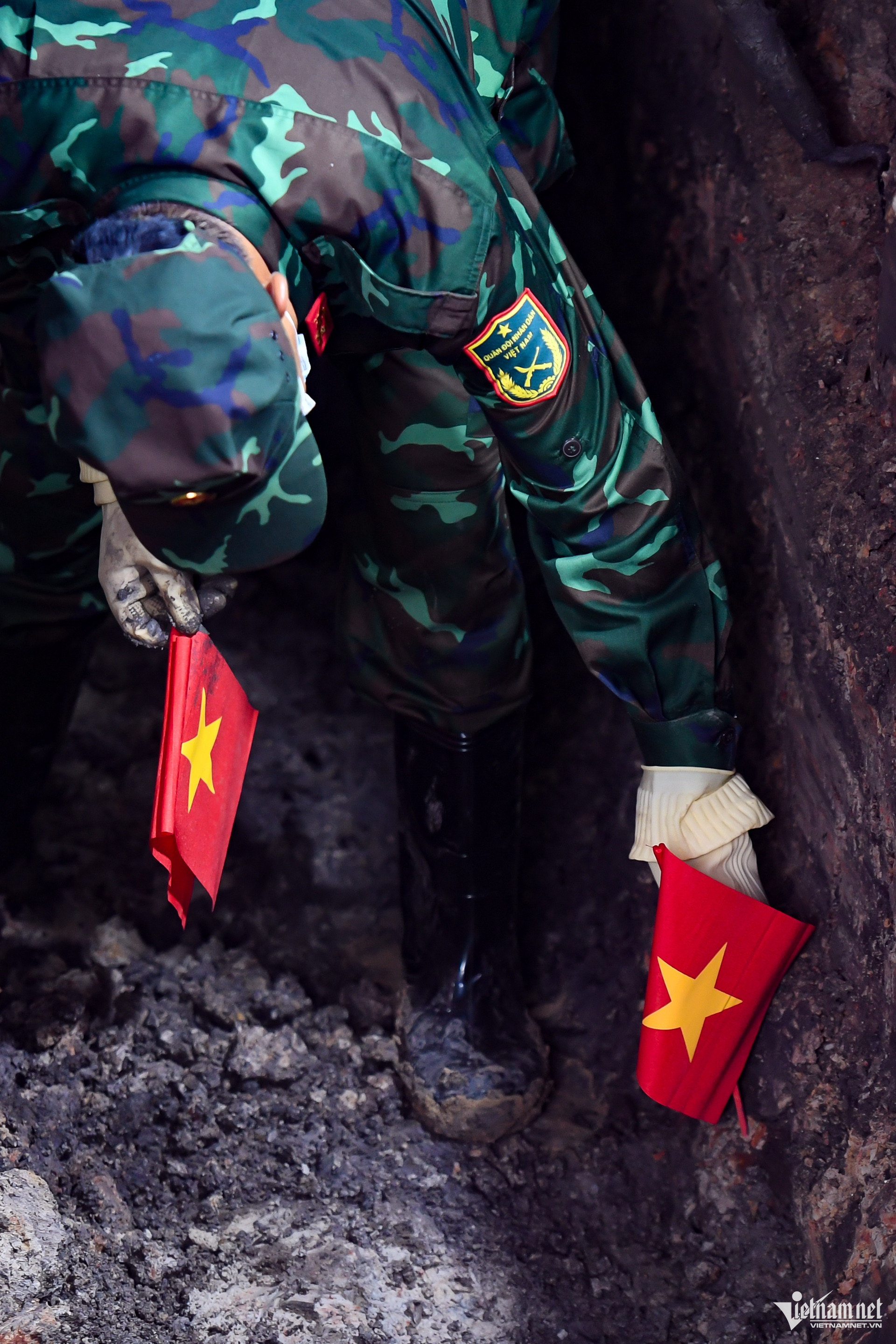
On the morning of July 10, recovery teams working in the expanded search area at Le Thi Rieng Park discovered several more sets of martyrs' remains.
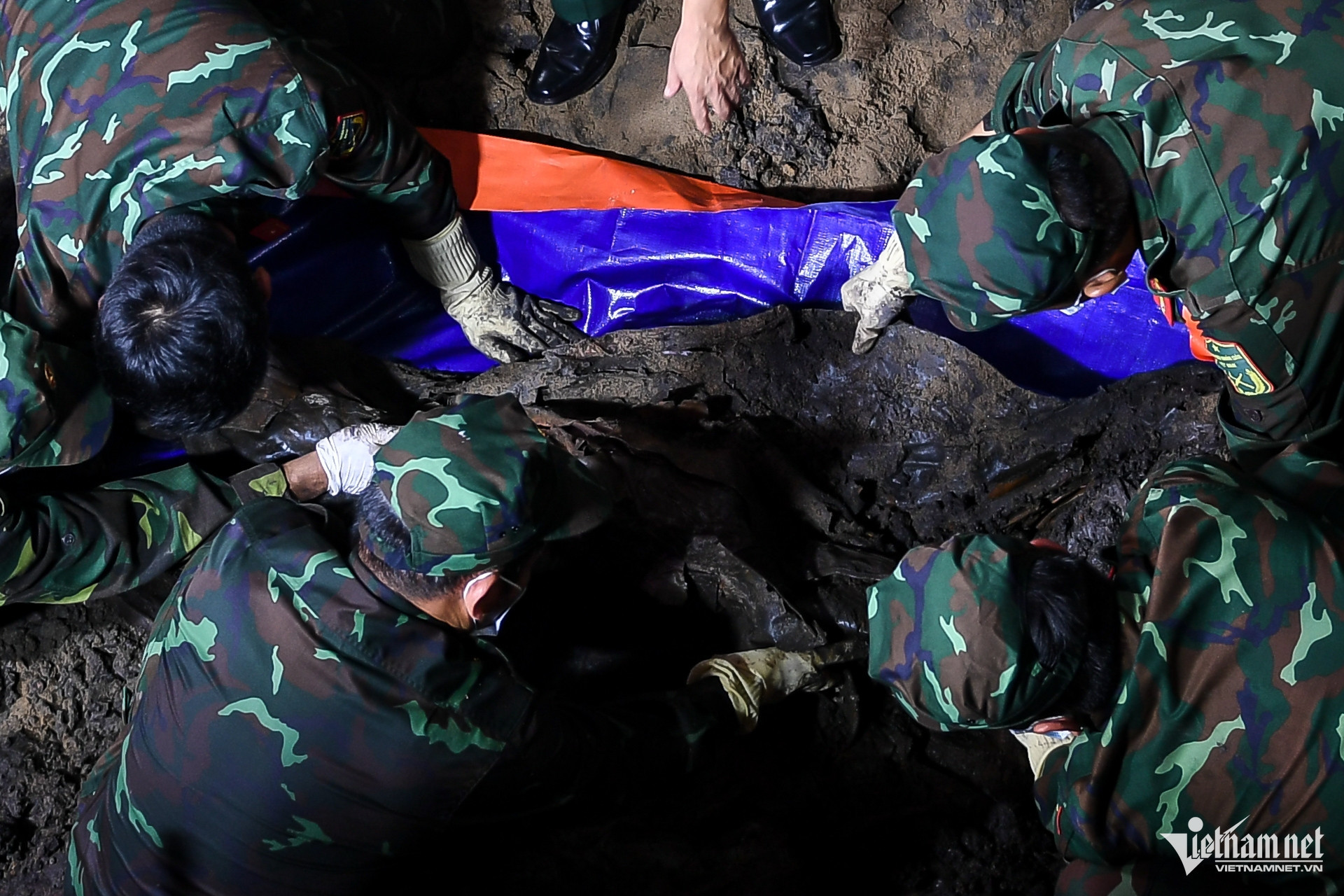
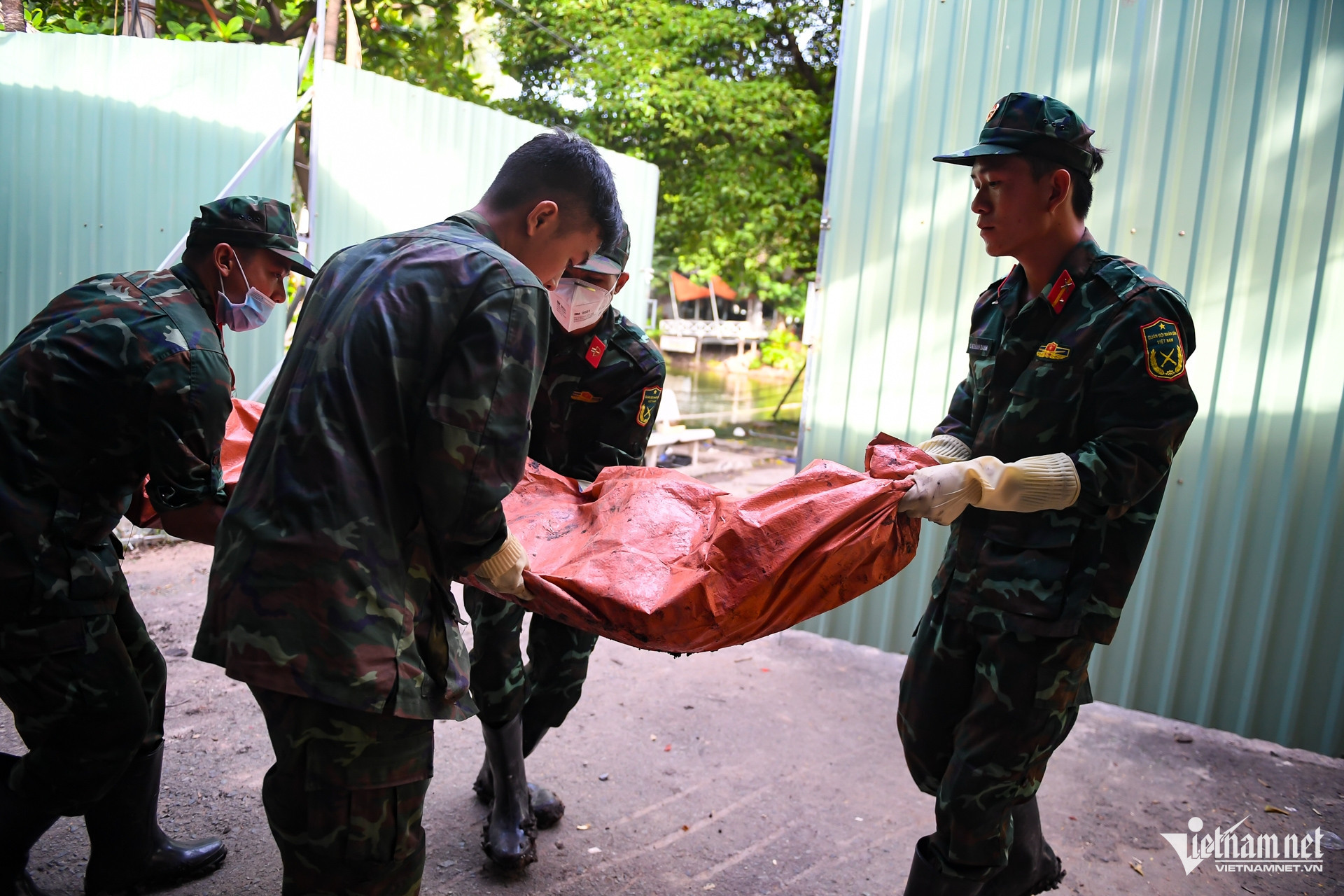
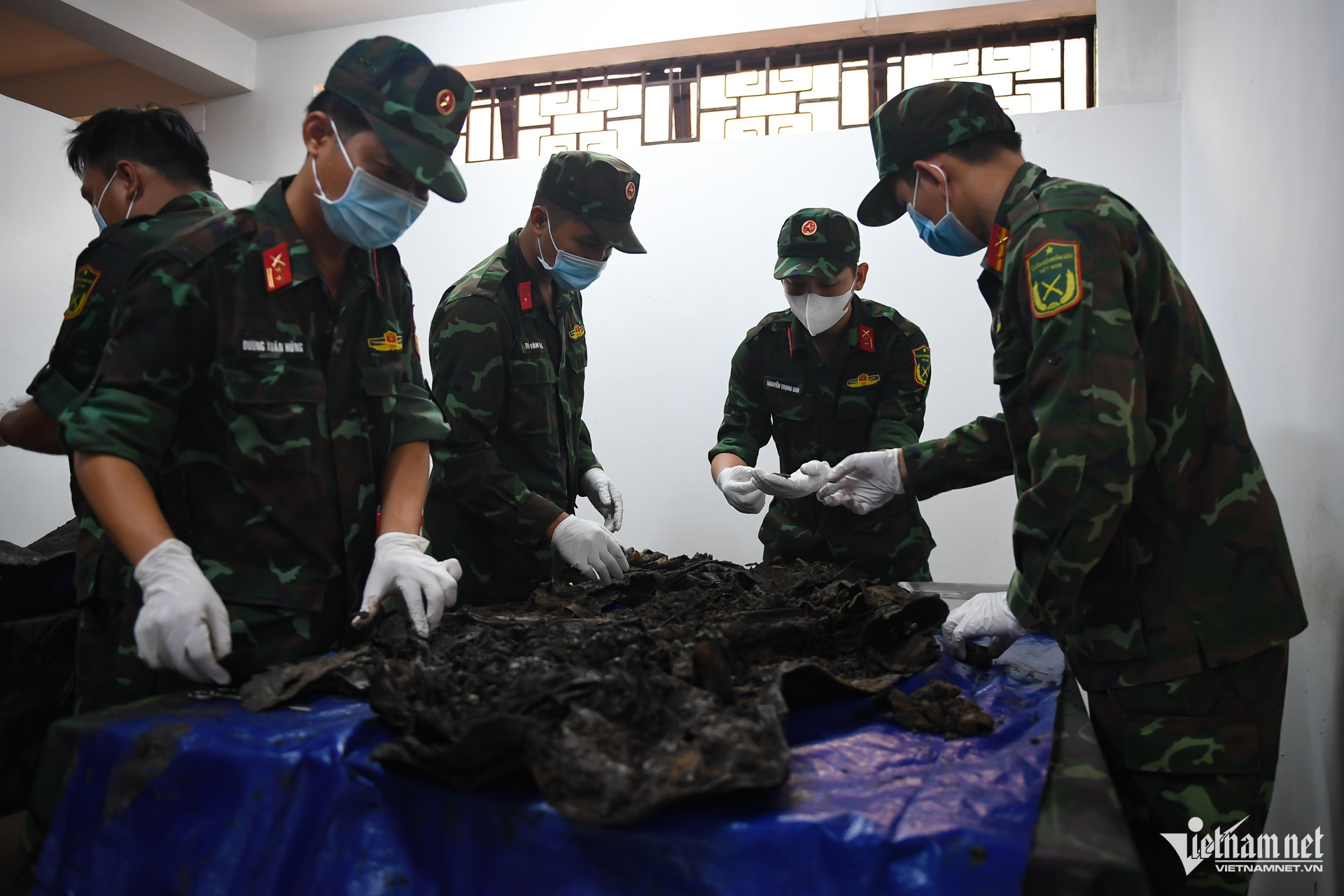
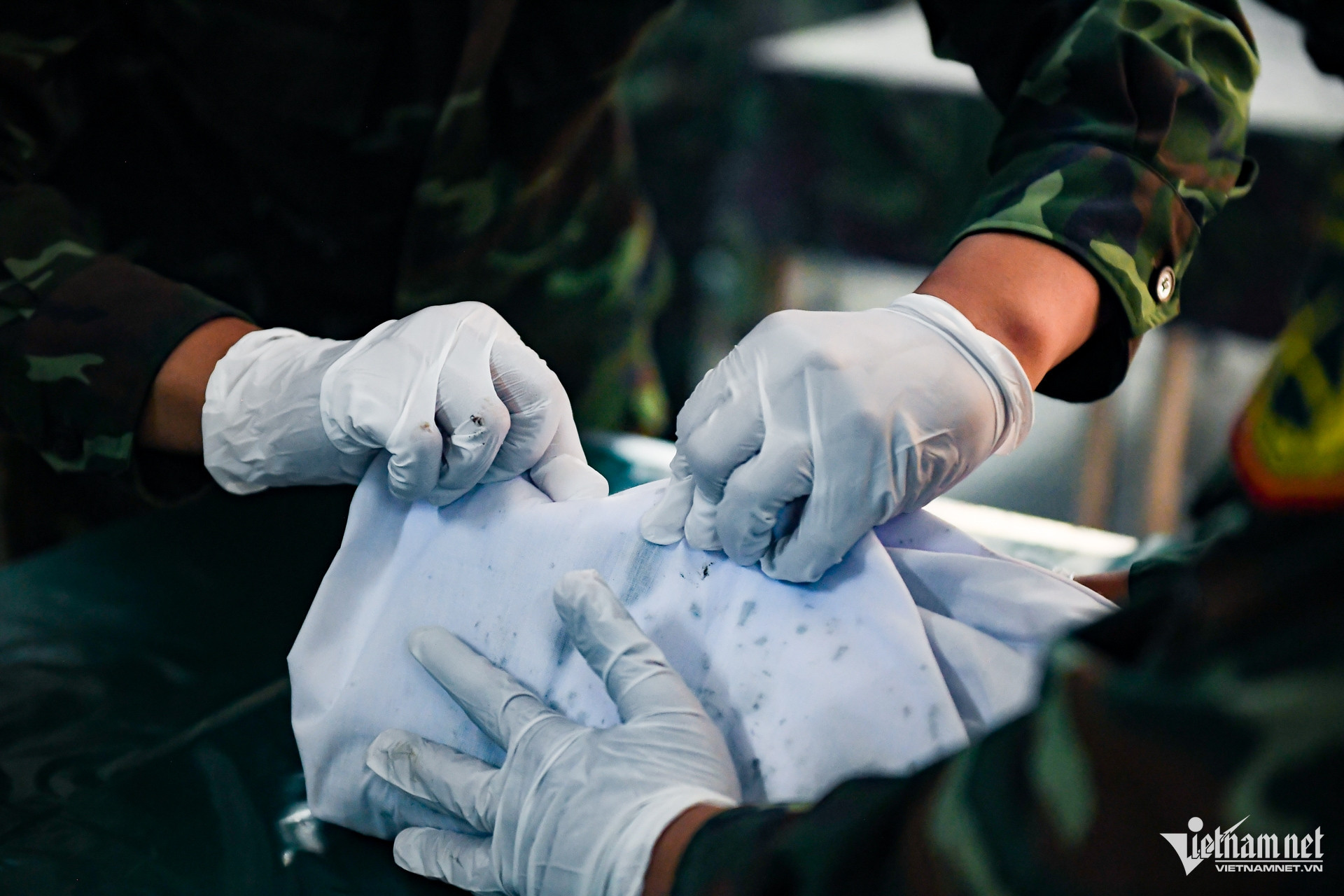
Many of the remains were found inside military body bags commonly used by the US military during the war. Because the canvas bags had not decomposed, they helped preserve the remains. Recovery teams also found additional personal artifacts buried alongside the martyrs.
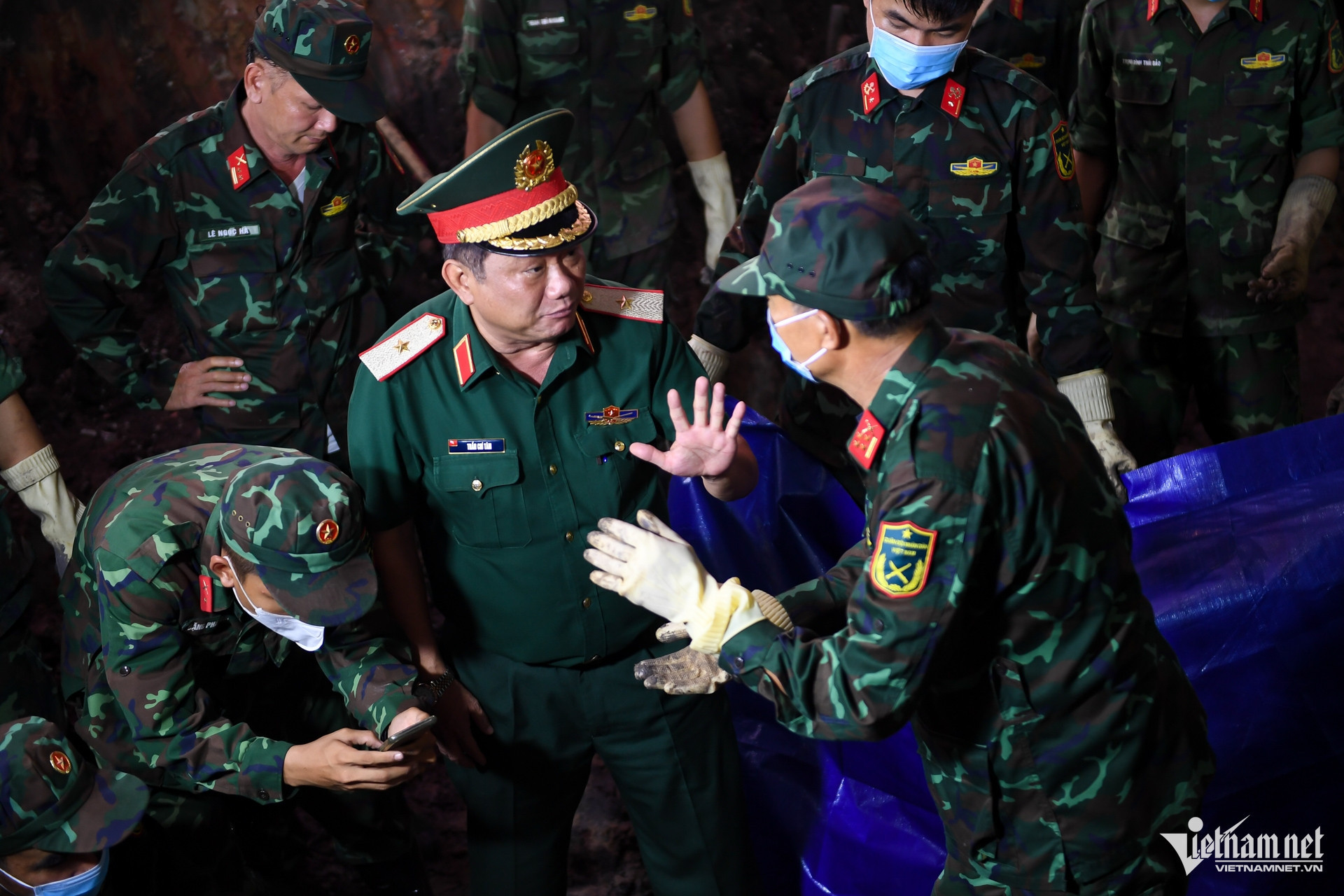
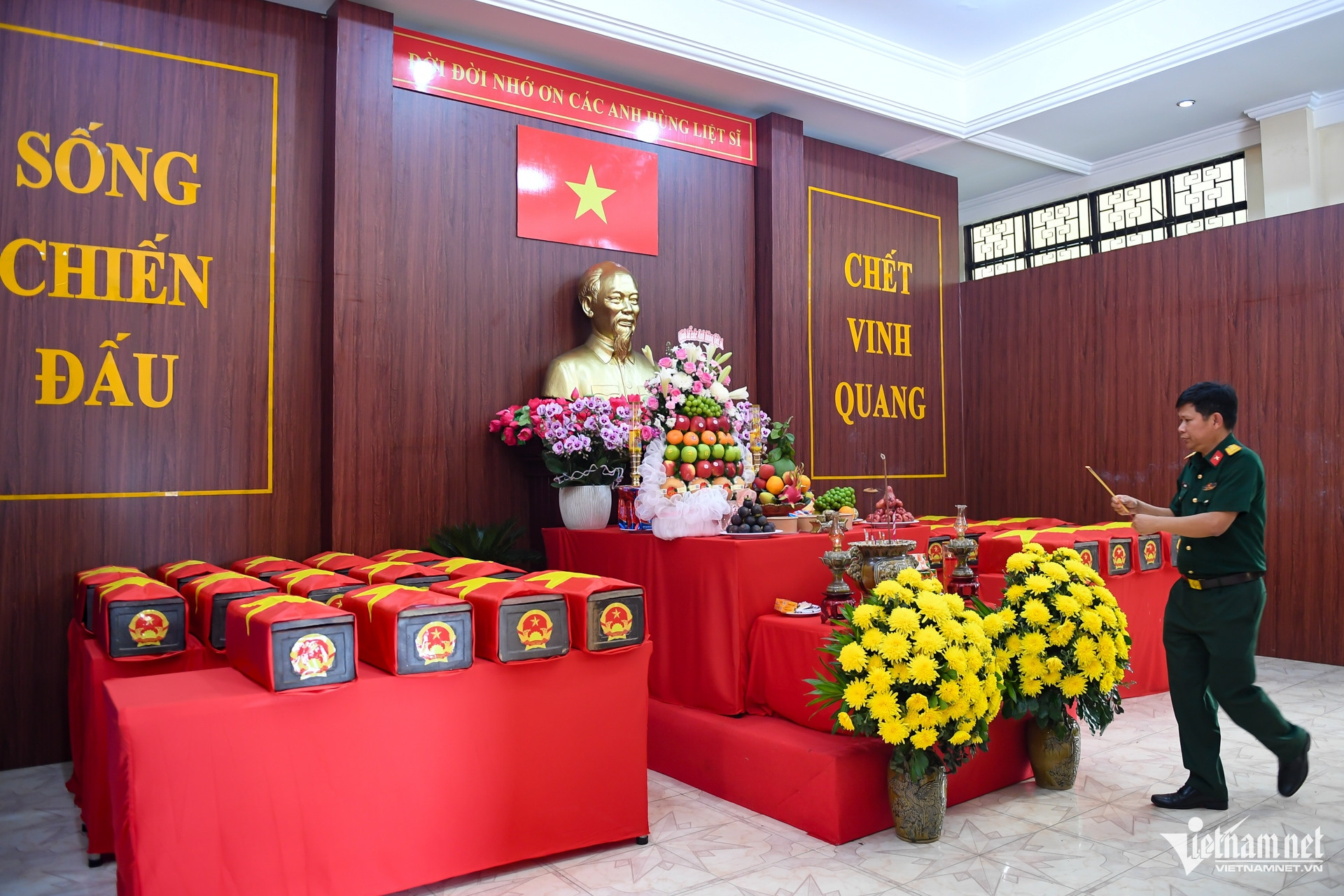
Major General Tran Chi Tam, deputy political commissar of Military Region 7, who was present at the site, said recovery teams had recovered 13 sets of remains during the morning alone.
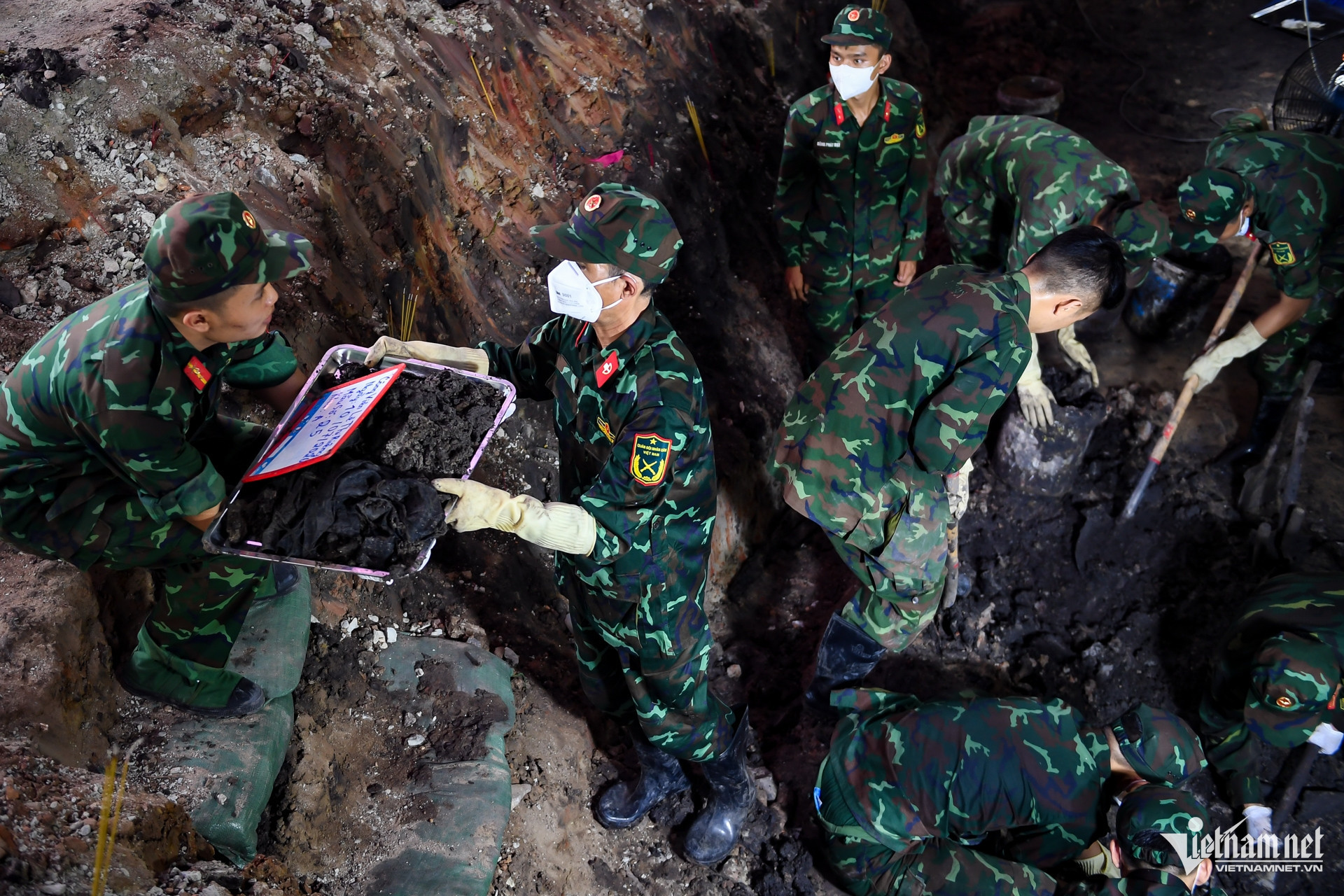
Careful excavation at burial site
At one location, two sets of remains were found directly on top of each other.
Recovery personnel carefully removed the soil layer by layer to separate each set of remains while preserving their original condition.
Many of the remains discovered on July 10 were located near the pathway running alongside the lake behind the site's traditional house.
According to Major General Tran Chi Tam, excavation work at a trench bordering the lakeshore had to be temporarily suspended to prevent water from flooding the dig site.
The recovery operation will continue in stages, beginning with the upper layer before water is blocked off to allow teams to excavate the remaining remains beneath.
Tam said the martyrs had been buried underground since 1968, and after 58 years, the condition of the remains varies considerably.
Those not placed in military body bags or protective military ponchos had generally deteriorated more severely, making recovery more difficult.
For cases in which the remains had completely decomposed into soil, all surrounding soil is still being collected for DNA analysis to support future identification efforts.
Authorities said the recovery operation is being conducted using scientific and meticulous procedures to minimize the risk of overlooking any remains.
DNA identification accelerated
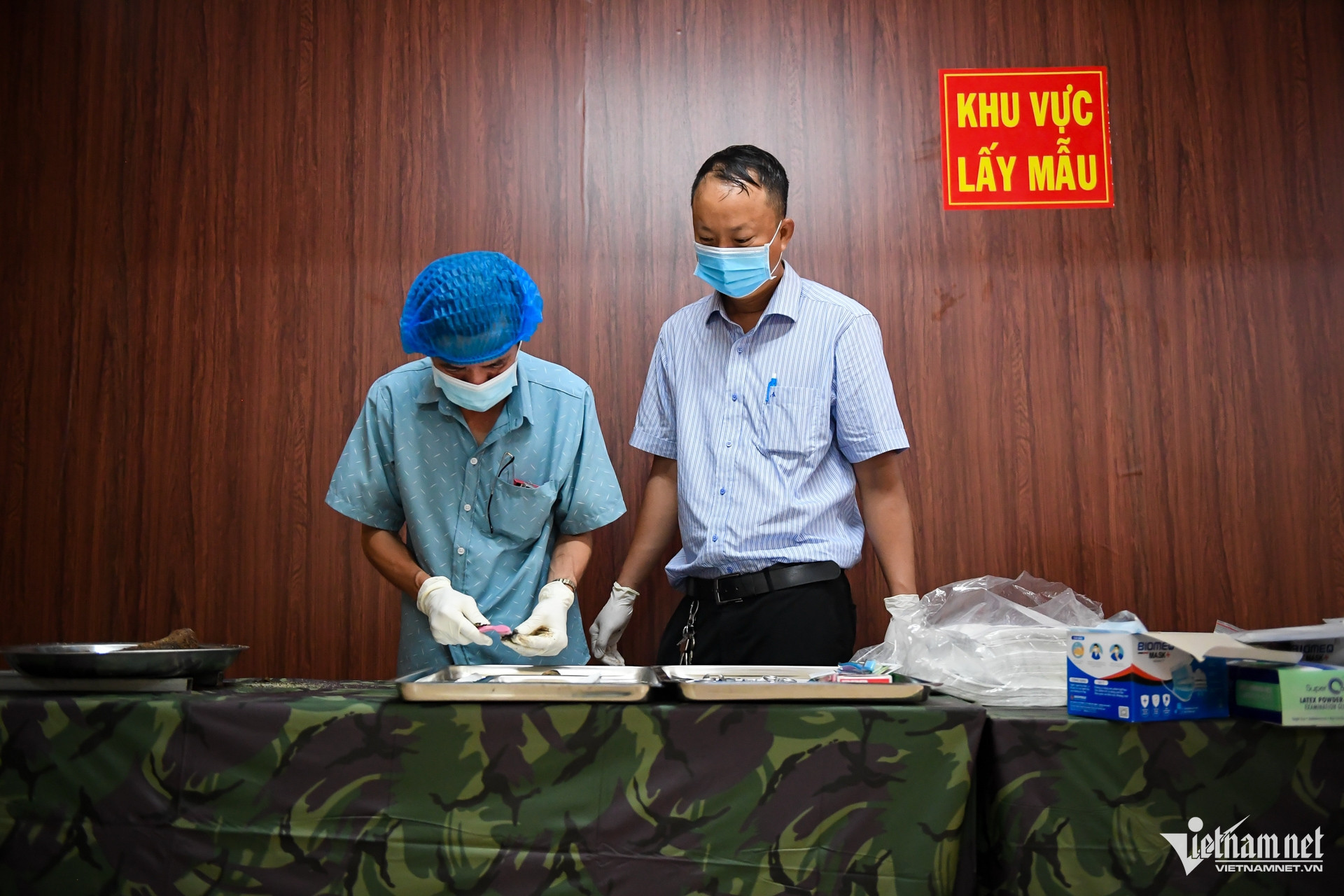
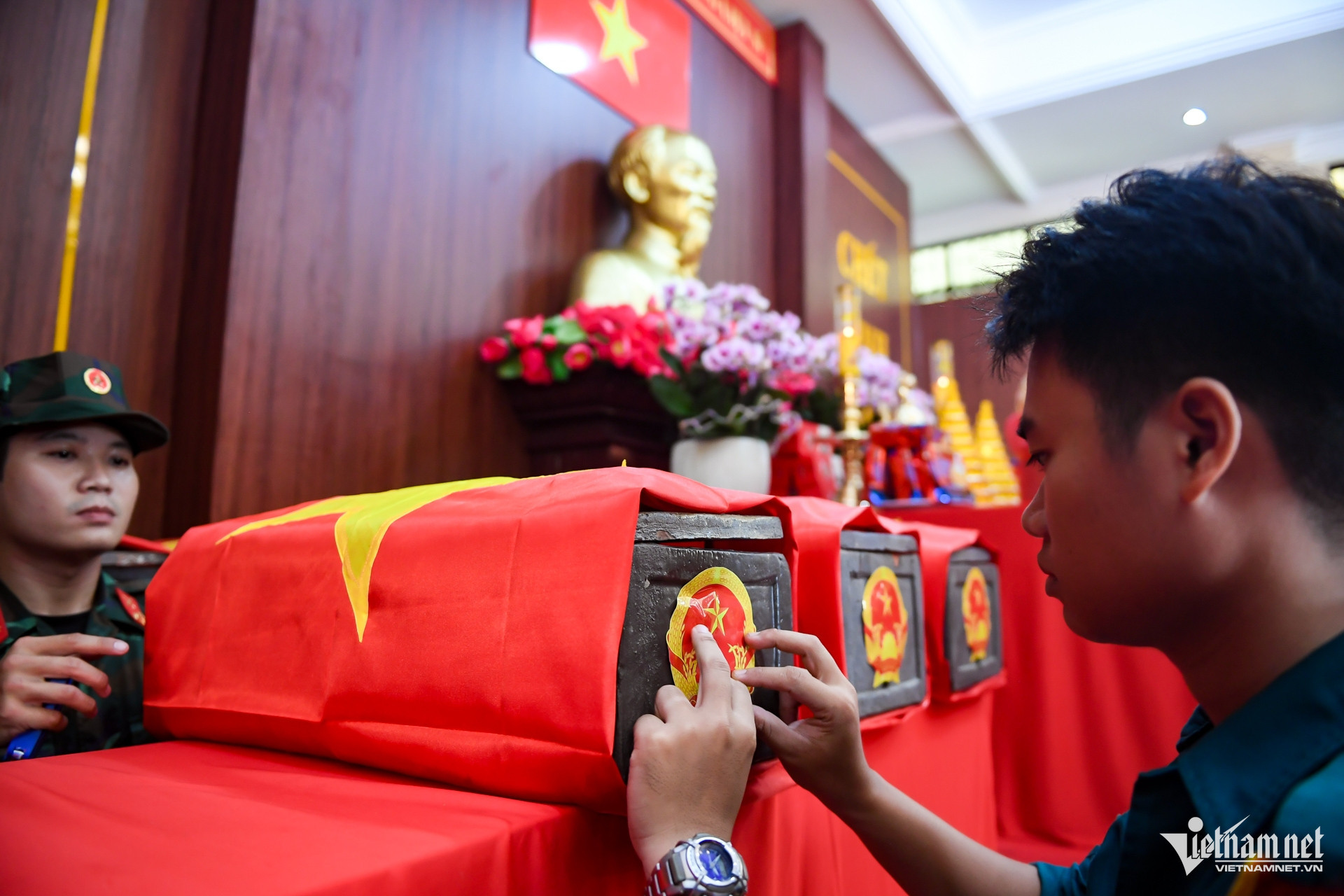
Major General Tran Chi Tam said biological samples have so far been collected from 27 sets of remains.
One additional set could not be sampled because decomposition was too advanced.
Following instructions from Ho Chi Minh City Party Secretary Tran Luu Quang, relevant agencies will work with specialist institutions to accelerate DNA testing before the samples are entered into the National DNA Database for Martyrs and Their Relatives for comparison and identification.
Authorities hope DNA analysis will help identify many of the martyrs buried at the site and eventually reunite them with their families and hometowns.
Two burial layers identified
Speaking on July 9, Major General Nguyen Thanh Trung, political commissar of the Ho Chi Minh City High Command, said the excavation had confirmed the existence of two burial layers beneath the trench.
"Based on artifacts recovered during the excavation, authorities have determined that the upper layer contains the remains of soldiers from the Liberation Armed Forces who sacrificed during the 1968 Tet Offensive. The lower layer is believed to contain the remains of members of the Saigon Special Forces," Nguyen Thanh Trung said.
Nguyen Hue - Phuoc Sang
.svg)
