 Vietnamnet.vn

 Podcast



Delegate Trinh Thi Tu Anh of Lam Dong province has proposed a one-year exemption from voluntary health insurance payments for residents in provinces recently hit hard by floods and natural disasters, with funding to be covered by the state budget.
The proposal was made during a National Assembly session this morning to discuss a draft resolution on breakthrough mechanisms and policies to protect and improve public health, as well as investment directions for the 2026–2035 national target program on healthcare, population, and development.
Expanding cancer drug coverage under health insurance
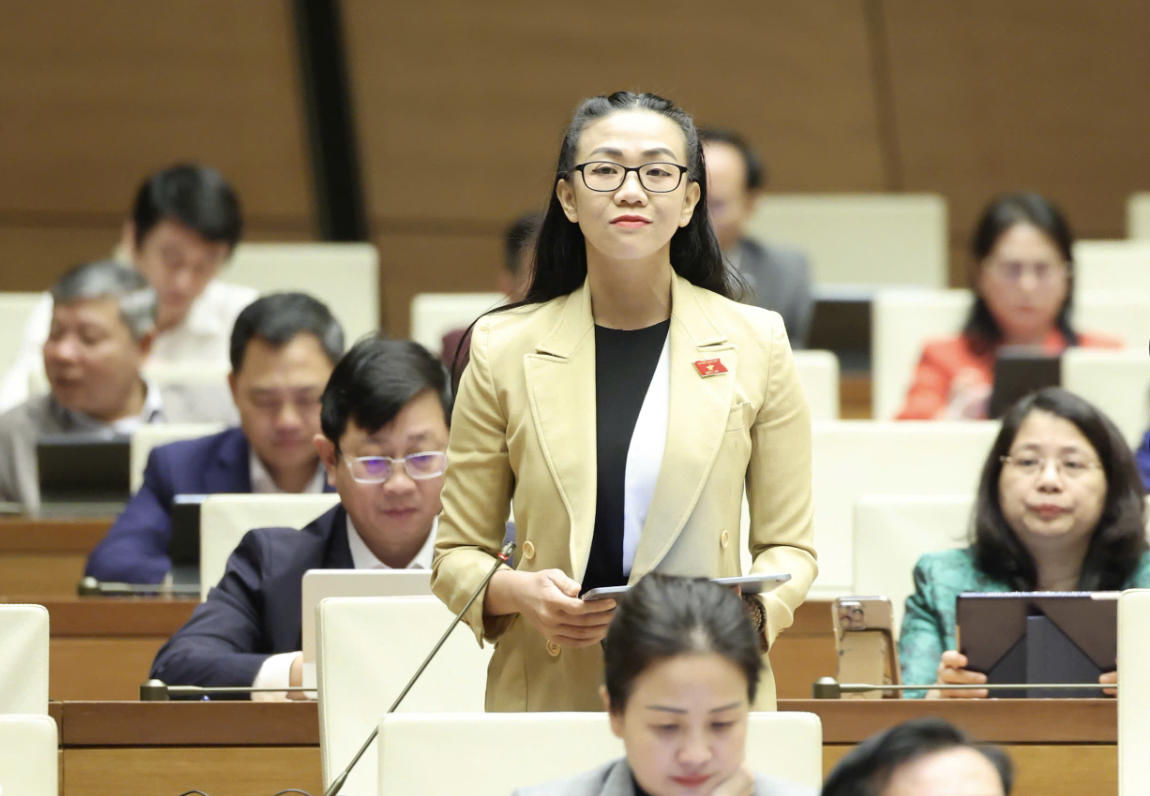
Delegate Trinh Thi Tu Anh. Photo: National Assembly
Delegate Trinh Thi Tu Anh emphasized: “General Secretary To Lam has clearly stated that primary healthcare, disease prevention, and protection of public health must remain central, continuous, and long-term responsibilities of the entire political system.”
This, she argued, calls for more proactive policymaking by both the National Assembly and the government to enhance healthcare capacity and ensure broader access to essential medical services.
She expressed strong support for Article 2 of the draft resolution, which aims to expand public healthcare benefits and reduce the financial burden on citizens.
Citing feedback from voters across several regions, the delegate noted that high treatment costs remain a significant barrier for patients - especially those with life-threatening illnesses - preventing them from accessing optimal therapies.
“Advanced medications such as targeted therapies and immunotherapies have shown outstanding results in extending and improving patients’ lives. However, their high cost remains a major obstacle. Statistics show that drug expenses currently account for about 33% of total healthcare costs - down from 40–50% in previous years,” she stated.
Delegate Tu Anh proposed timely updates to the national list of reimbursable drugs - particularly for cancer and next-generation immunotherapies - to reduce out-of-pocket costs and safeguard the rights of the more than 95.5 million people currently enrolled in Vietnam’s health insurance system.
She urged prioritization of drugs with strong clinical evidence and proven effectiveness. Updates to the drug list should be flexible and aligned with global medical advancements, she said, while also linking expansion with mechanisms to evaluate cost-effectiveness to ensure sustainability and accountability.
“This is a direct and practical solution to ensure that patients - especially those battling serious illnesses with limited resources - are not left behind,” she affirmed.
Proposing free health insurance for flood victims
Delegate Tu Anh also proposed that the National Assembly and the government waive one year of voluntary health insurance fees for residents in provinces severely affected by recent storms and floods.
She noted that the state already provides free textbooks to students, and a similar approach to health insurance would reinforce social welfare policies and help citizens recover from natural disasters more quickly.
“This is not just financial assistance, but also a way to ensure access to healthcare and peace of mind as people rebuild their lives after disaster,” she added.
Strengthening nuclear medicine and radioisotope capacity
The delegate further raised concerns about Vietnam’s limited capacity in nuclear medicine - a field vital for early diagnosis, staging, and personalized treatment, especially in cancer care.
She called for fast-tracking the construction of a new multi-purpose nuclear research reactor to enhance domestic production of critical isotopes.
In addition, she recommended investment in establishing GMP-standard radioisotope synthesis centers, with a focus on research and technology transfer for next-generation therapeutic isotopes.
To support these goals, she suggested developing a flexible legal framework for licensing, production, transportation, and radioactive waste management. Vietnam should also expand cooperation with countries with advanced nuclear industries - such as Russia, the US, South Korea, Japan, and European nations - for technology transfer and expert training. This would help localize production and lower costs.
Nursing homes should be treated as medical facilities
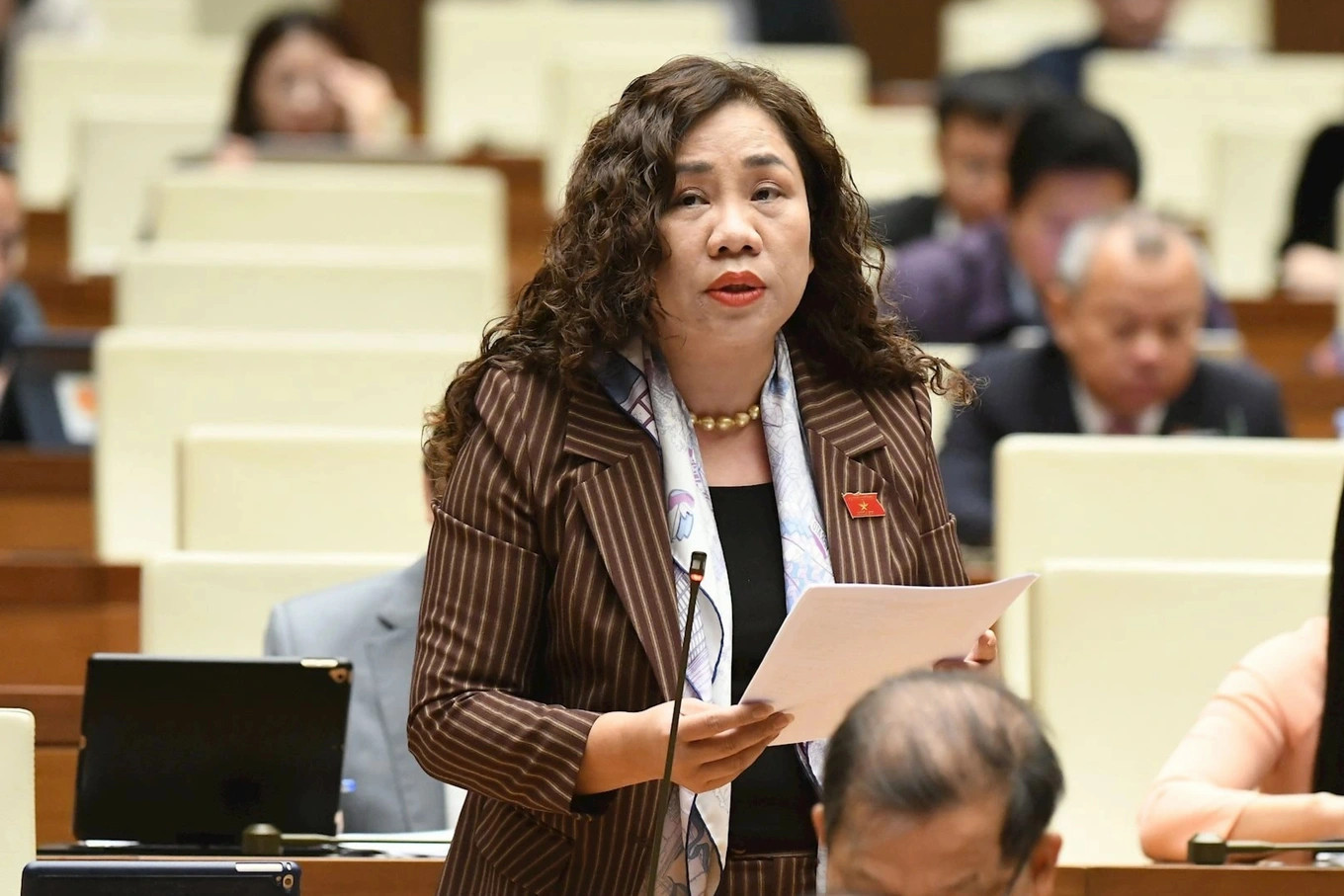
Delegate Tran Thi Hien from Ninh Binh raised another critical issue: the lack of breakthrough policies addressing elderly care infrastructure and the mobilization of social resources for long-term care.
She noted that most nursing homes currently provide long-term care and rehabilitation but are not recognized as medical facilities. As a result, they do not benefit from preferential policies related to land use and facilities.
The delegate highlighted that nursing homes require large, long-term investments - including ambulances, rehabilitation equipment, and specialized beds - but currently lack access to credit incentives, interest support, or corporate tax exemptions.
She proposed that facilities providing medical care, long-term treatment, or rehabilitation be officially designated and treated as medical institutions, thereby qualifying for full benefits regarding land, taxation, and financing.
Additionally, she called for the development of technical standards for these facilities, support for semi-residential models, and stronger incentives to attract private investment in a growing sector.
Thanh Hue
.svg)
