 Vietnamnet.vn

 Podcast


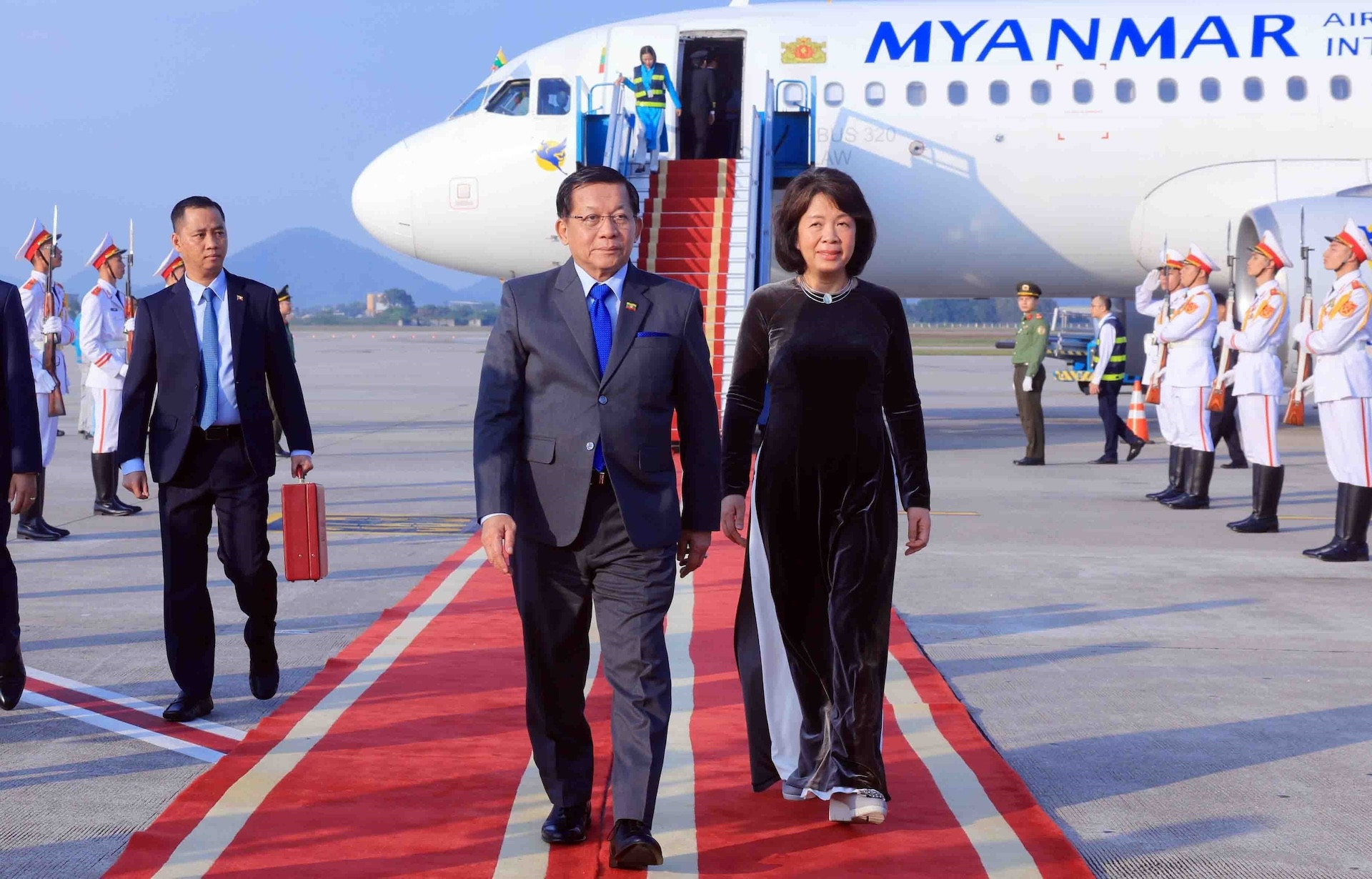
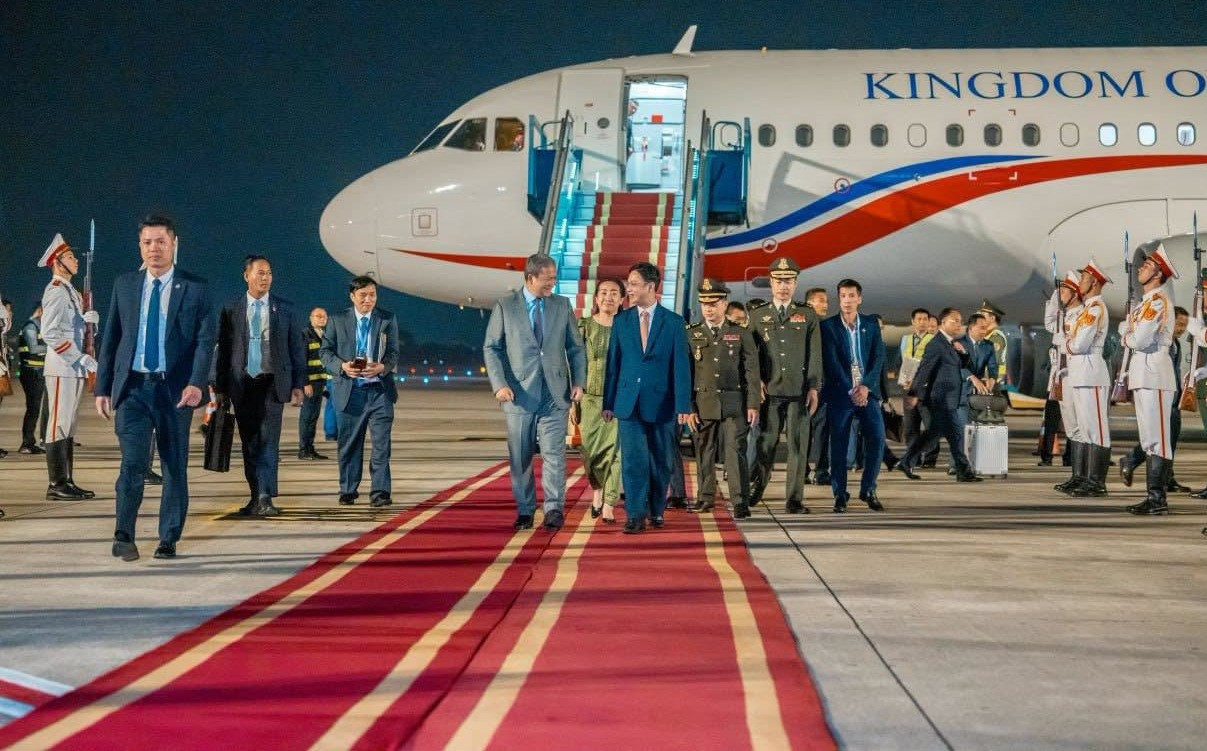
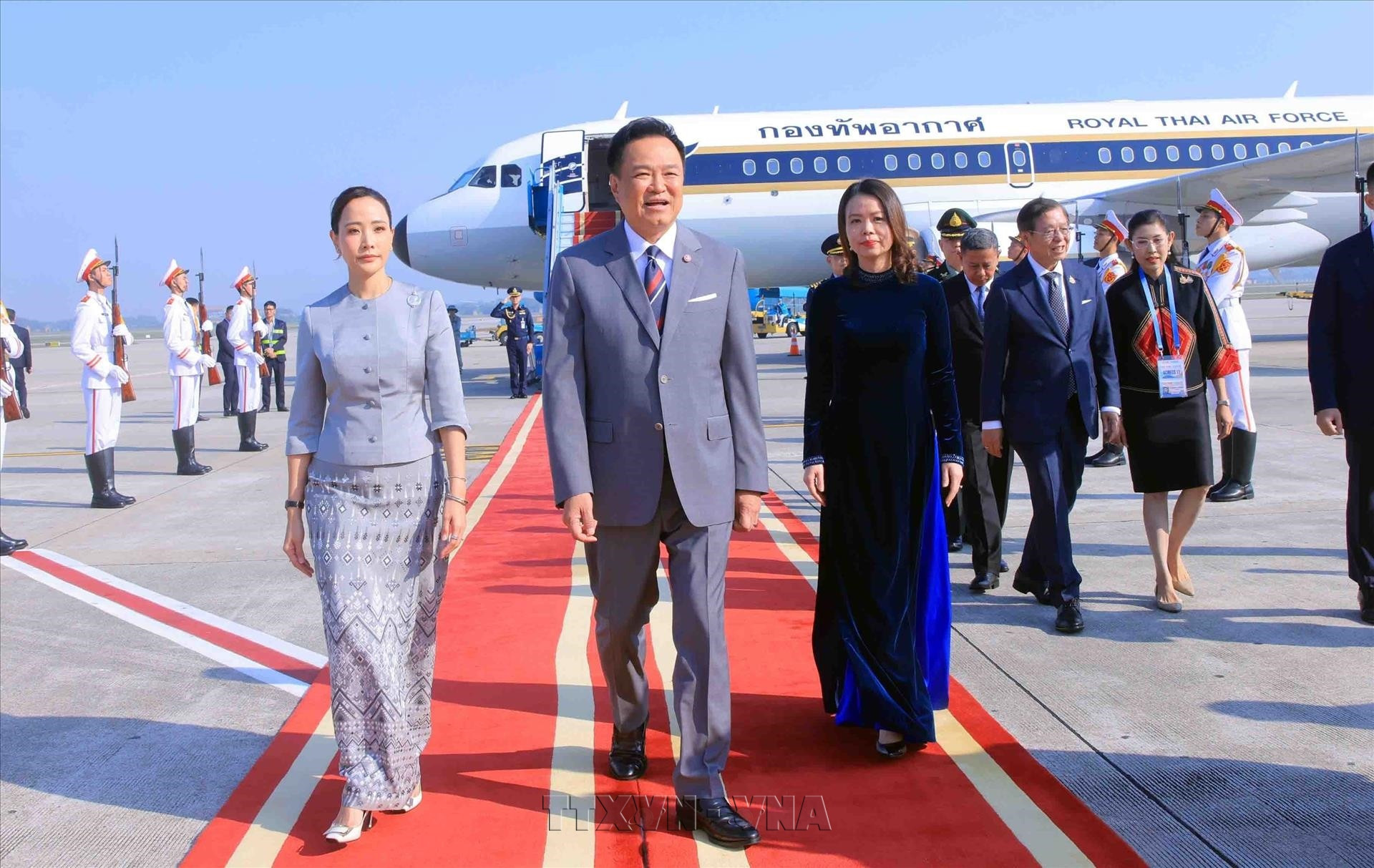
On the afternoon of November 28, Vietnamese Prime Minister Le Minh Hung and regional leaders are scheduled to attend the 12th Cambodia-Laos-Myanmar-Vietnam (CLMV) Summit and the 11th ACMECS Summit.
The 12th CLMV Summit is themed “Connecting Cambodia, Laos, Myanmar and Vietnam - Unlocking potential - Shaping a shared prosperous future.”
Meanwhile, the 11th ACMECS Summit carries the theme “Enhancing socio-economic development towards a smart and sustainable ACMECS.”
Both are regular summits of two of the most important cooperation mechanisms in the Mekong region and are typically held every two years.
Participating countries expect the summits to establish new directions for cooperation and bring significant changes to both cooperation priorities and implementation methods, enabling the two mechanisms to deliver more tangible and effective benefits.
Strengthening strategic connectivity in the Mekong region
Regional leaders are expected to discuss strengthening strategic connectivity among countries in the Mekong subregion, one of their foremost priorities.
Discussions will cover economic cooperation, trade, investment, infrastructure and logistics, as well as environmental protection, culture, tourism, education and people-to-people exchanges.
These efforts are intended to create new strategic development opportunities for countries across the subregion.
The leaders will also discuss measures to facilitate investment, business and financial activities for enterprises operating across the Mekong subregion.
In addition, they will explore ways to strengthen cooperation under the two mechanisms to respond more effectively to increasingly pressing challenges, particularly climate change, environmental protection, and the sustainable management and use of water resources in the Mekong River basin.
Tran Thuong

