 Vietnamnet.vn

 Podcast



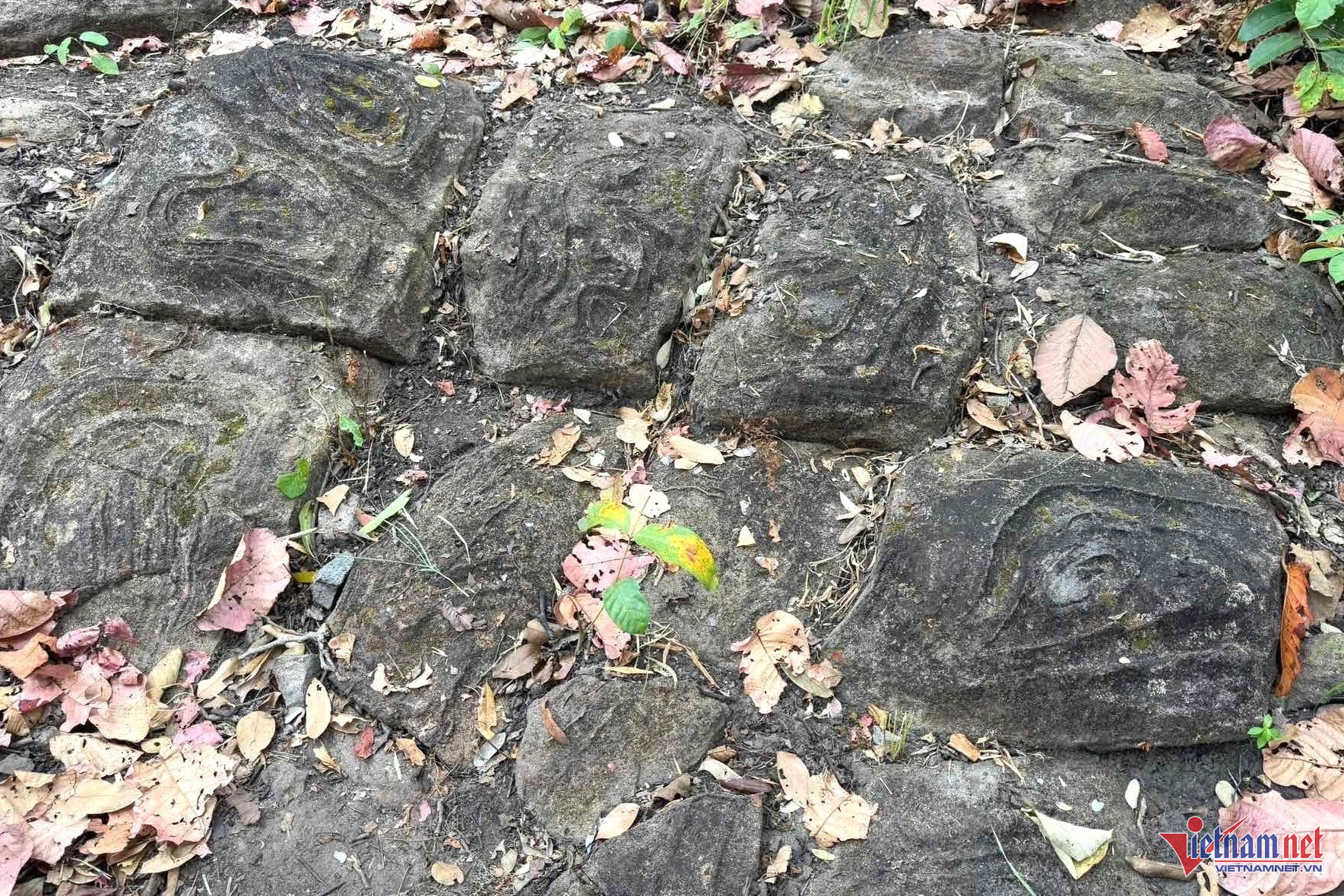
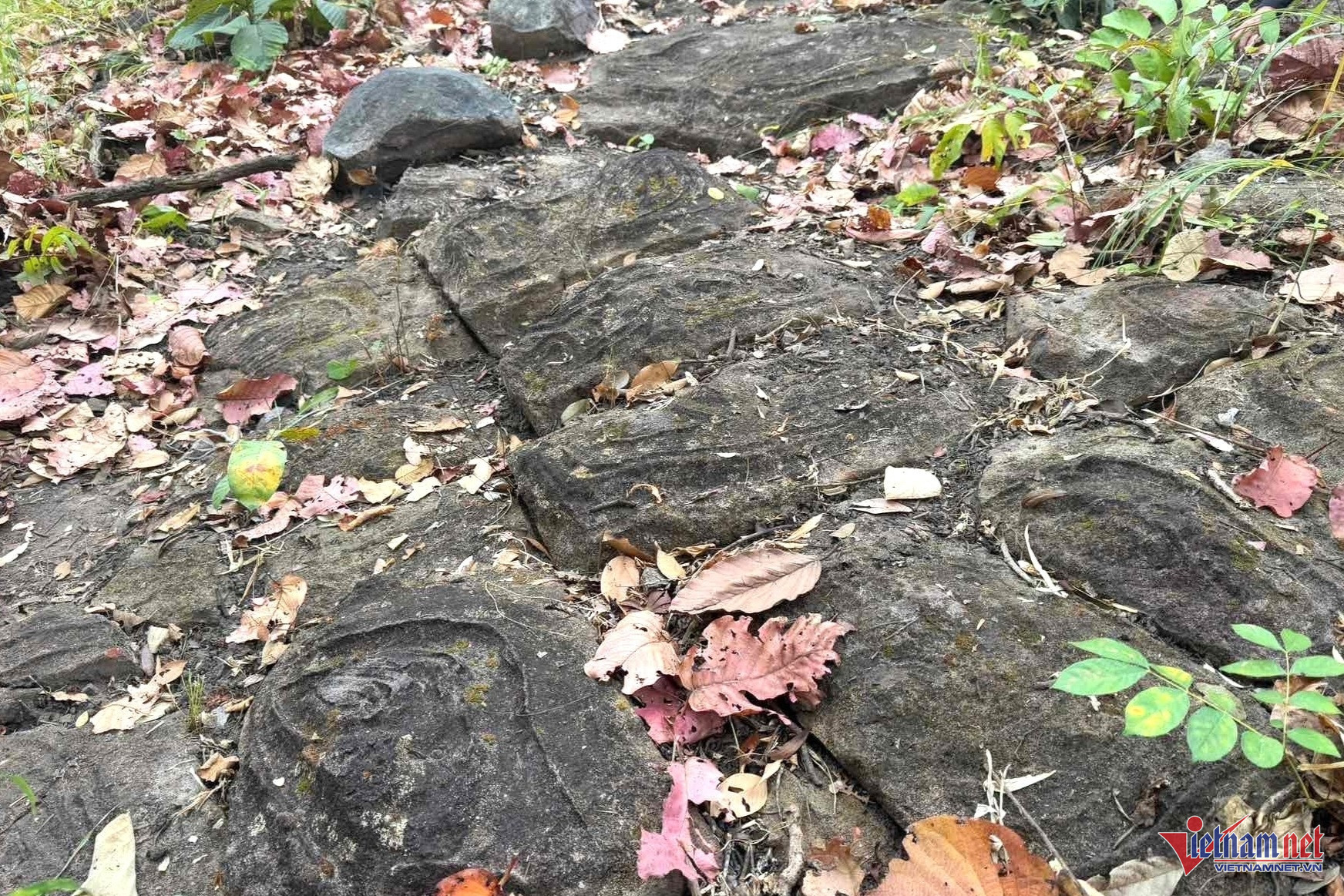
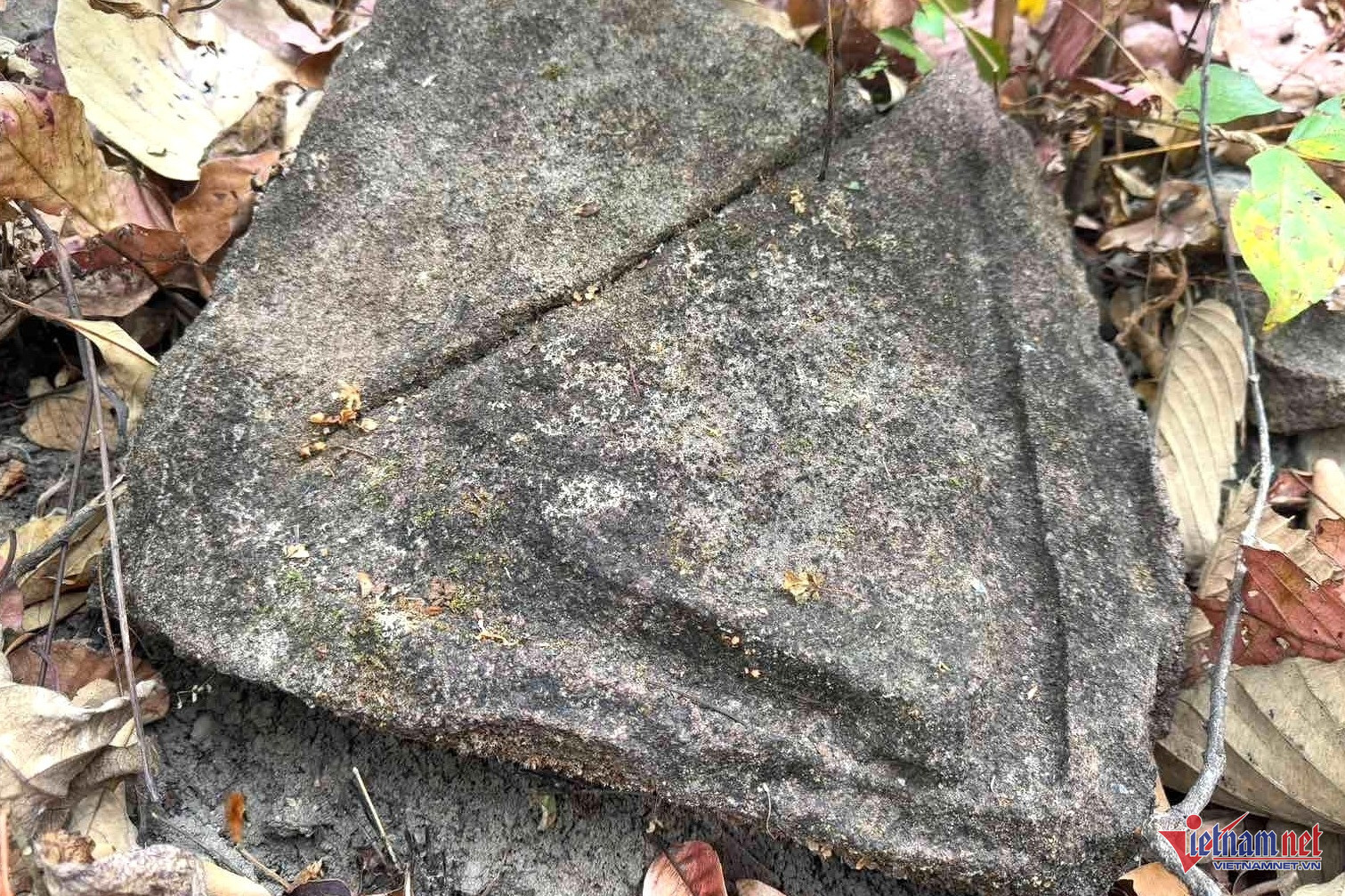
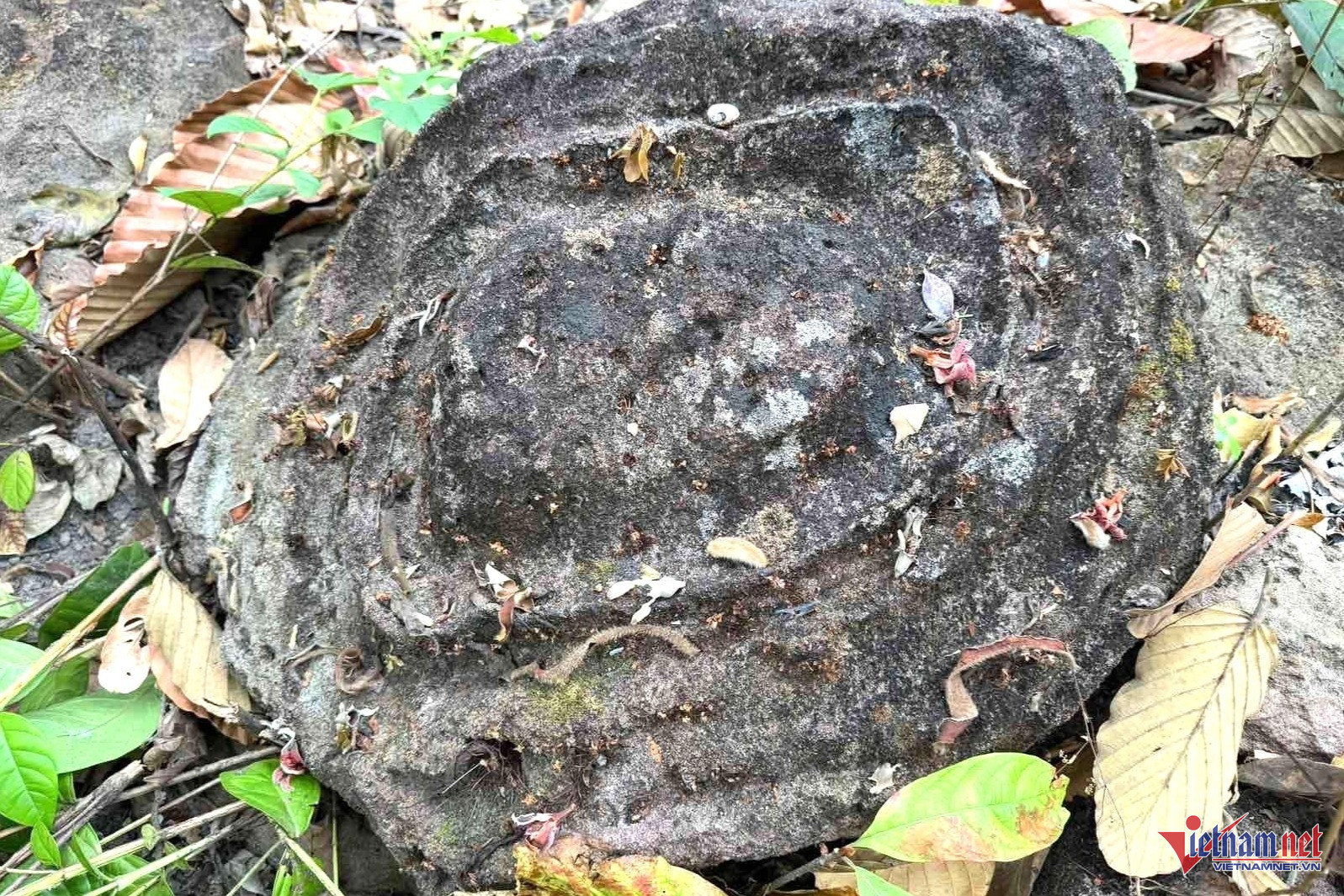
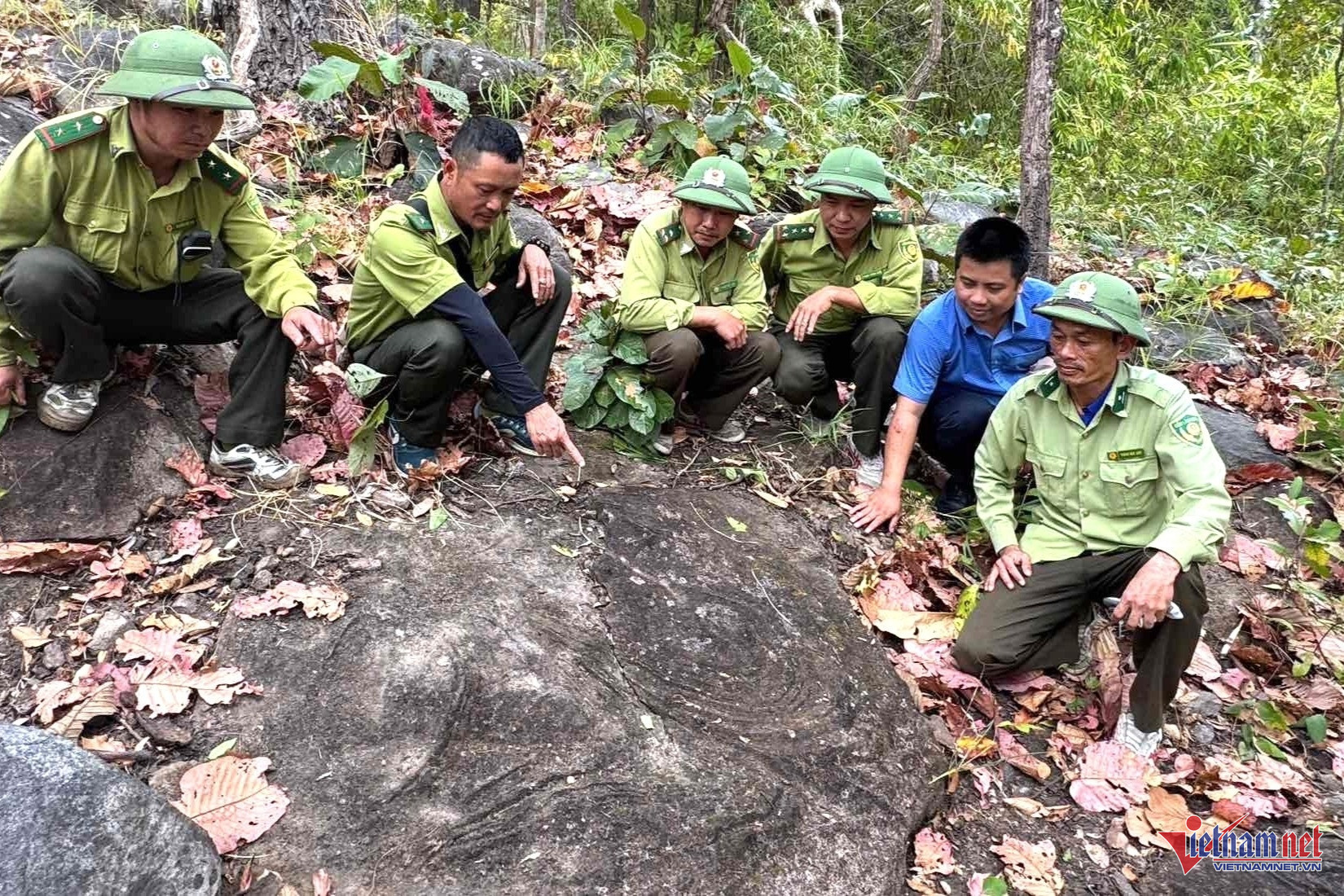
On February 3, a working group from Buon Don Commune joined national park rangers to inspect the site, located atop a remote hill deep within the forest. Spread across an estimated 200 square meters, the site features numerous stones carefully laid out with remarkable patterns etched on their surfaces.
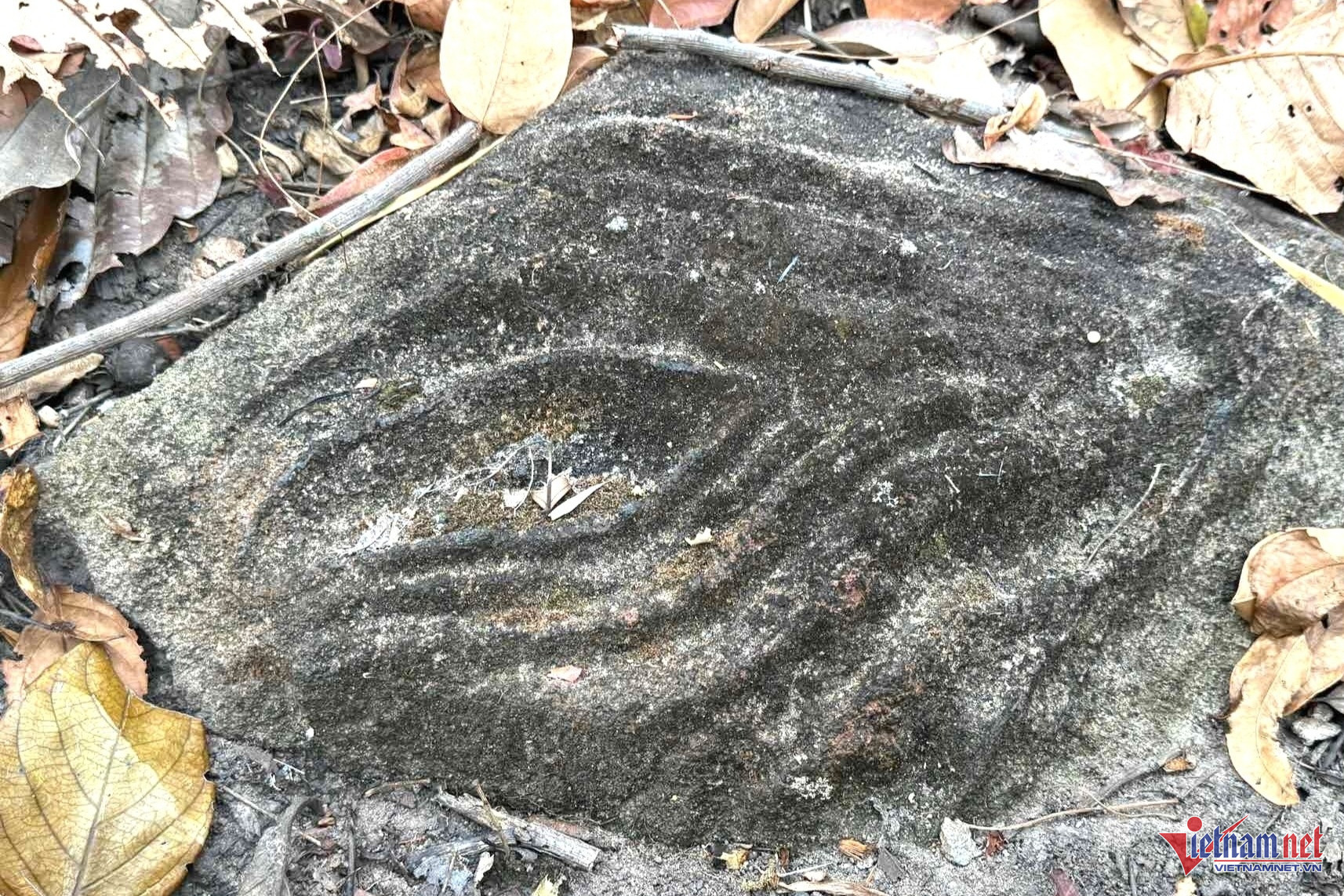
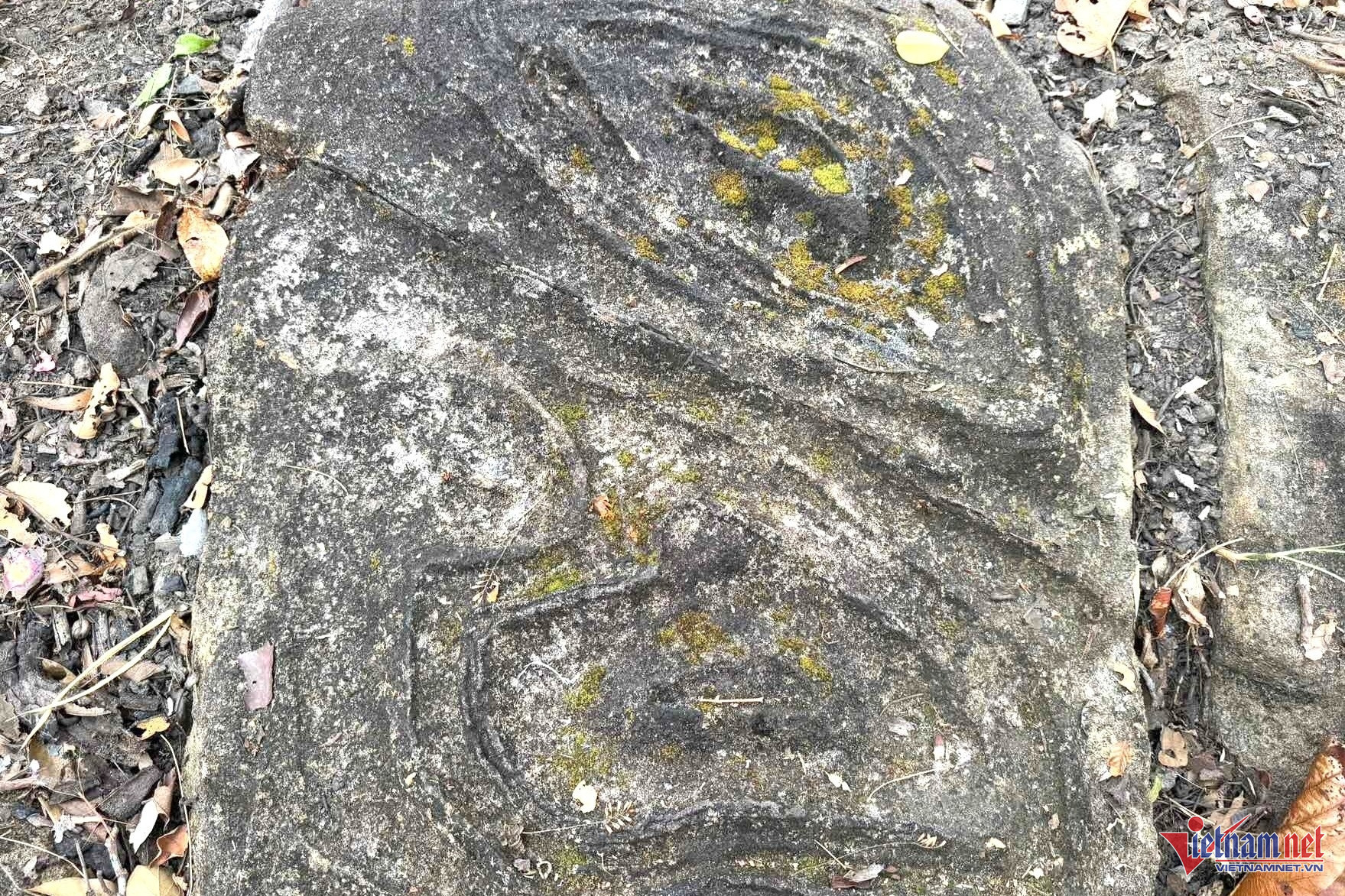
The carvings include spirals, undulating lines, leaf-like forms and water-wave motifs - all deeply incised into the stone. Officials on site agreed the patterns bore clear signs of human intervention, rather than being the result of natural erosion or weathering.
Pham Trung Kien, head of the Yok Don ranger station, first encountered the site during a patrol in February 2022. At the time, he assumed the stones were natural and did not report them. However, after hearing recent accounts from local villagers about “mysterious carved stones in the mountains,” he revisited the location and brought the discovery to his superiors’ attention.
“These stones are not randomly scattered. They’ve been purposefully arranged, and the carvings are clearly intentional. There’s no way these could be natural,” Kien affirmed.
A cultural affairs officer from Buon Don Commune who visited the site agreed, stating the motifs were “undoubtedly created by human hands” and may have originated long ago.
Pham Tuan Linh, director of Yok Don National Park, confirmed the park is taking immediate measures to protect the area while awaiting further investigation by relevant cultural and archaeological authorities.
The discovery is raising questions about the historical and cultural significance of the site, especially given its remote forest location and the intentional arrangement of the stones.
Experts are expected to assess whether the motifs relate to indigenous ethnic traditions, ancient spiritual practices, or even early settlement activity in the Central Highlands region.
.svg)
