 Vietnamnet.vn

 Podcast



The NA on December 11 passed a Resolution on continuing the implementation of resolutions of the 14th and 15th National Assembly concerning thematic supervision and questioning.
The NA acknowledged and highly appreciated the efforts of the Government, the Supreme People’s Court, the Supreme People’s Procuracy, and the State Audit Office, which, amid organizational restructuring and administrative unit consolidation, still actively and effectively implemented the resolutions, achieving many positive results.
However, the NA also noted that several tasks remain unfinished, delayed, or inefficient, failing to meet expectations.
In the financial sector, the NA asked for a comprehensive assessment of the current status of headquarters and public assets of agencies, organizations, and units after the rearrangement of administrative units.
In 2026, the NA asked to remove difficulties and obstacles, continue to rearrange, restructure, and enhance the operational efficiency of state-owned enterprises, ensuring leanness, efficiency, and preventing loss and waste of state capital.
In the banking sector, the NA asked to focus on removing difficulties and obstacles, accelerating the progress of credit programs for social housing projects, worker housing, and projects to renovate and rebuild old condominiums. In particular, the NA requested urgently researching and implementing solutions on a roadmap for the establishment of a gold exchange.
Regarding industry, NA stated that it is necessary to accelerate the progress of key and urgent projects in the electricity and coal sectors; inspect, supervise, and constantly monitor developments in electricity demand and arising factors, having timely and effective solutions to ensure sufficient electricity supply for production, business, and public consumption.
The NA set the goal of striving to complete electricity supply to all households by 2027; and bringing the competitive retail electricity market into operation.
In the agriculture and environment sector, the NA requested allocating sufficient resources and accelerating the arrangement, relocation, and stable settlement of residents in areas at high risk of natural disasters, especially flash flood and landslide zones, ensuring livelihoods for the people.
Regarding the construction sector, the NA directed that in 2026, procedures, standards, norms, unit prices, and a legal framework for the use of sea sand as road construction material must be issued, ensuring safety, efficiency, environmental sustainability, and a Decree detailing the removal of obstacles for BOT traffic projects.
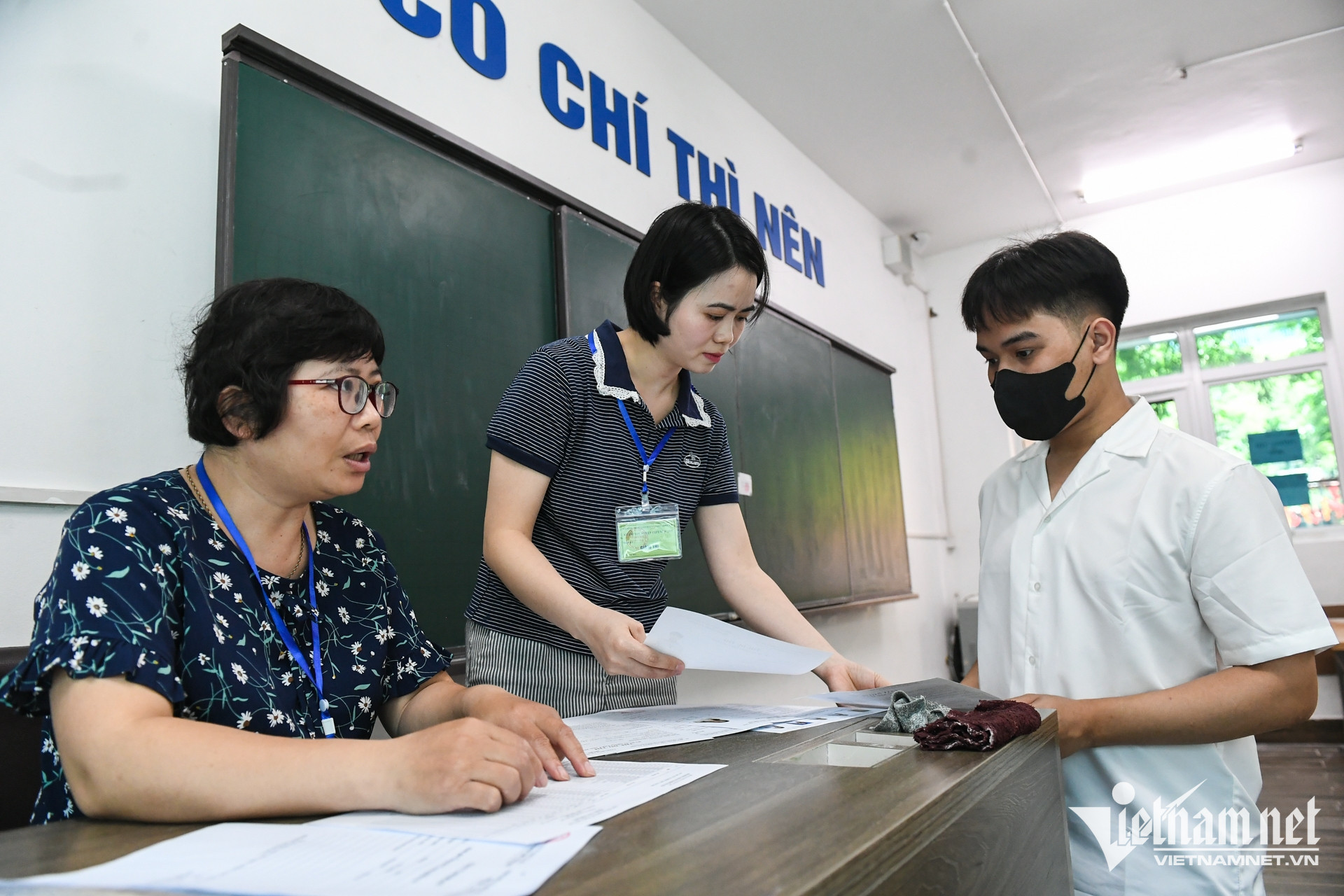
In the education and training sector, the NA requested a comprehensive review and assessment of the organization of exams during the transitional period between two general education programs (2006 and 2018), and creating a unified and stable exam organization roadmap for the following years.
The NA also noted the need to amend and supplement regulations on the framework of job positions, minimum staffing norms, and the roadmap for application at educational institutions, suitable to the actual situation and specific characteristics of each region and locality.
As for the health sector, the NA directed the early and comprehensive amendment of the Law on Health Insurance to thoroughly resolve difficulties and obstacles.
Salary reform roadmap
Concerning the ethnic affairs sector, the NA requested merging relevant programs and policies currently implemented in ethnic minority and mountainous areas, ensuring practical suitability, clear geographical areas and target groups, leanness, and effectiveness.
It noted the acceleration of digital transformation, enterprise development, cooperatives, and tourism associated with preserving and promoting positive traditional cultural values and identity of ethnic groups.
In the internal affairs sector, the NA requested urgently reviewing and finalizing job positions suitable for organizational structure after rearrangement; accelerating the salary reform roadmap and moving towards paying salaries based on job position linked to output-based performance evaluation.
The NA also mentioned the task of supplementing funding from the Central budget to localities that cannot balance their budget to settle benefits for redundant cadres, civil servants, public employees, and laborers after the rearrangement of administrative units.
In addition, the NA requested accelerating inspections’ progress, and continuing to monitor and urge the implementation of inspection conclusions, especially those under the monitoring and direction of the Central Steering Committee on Anti-Corruption, Wastefulness, and Negative Phenomena.
A set of indicators and guiding documents for the evaluation of anti-corruption, anti-wastefulness, and anti-negativism work at Central ministries and sectors according to the NA’s resolution must be issued in 2026.
Tran Thuong
.svg)
