 Vietnamnet.vn

 Podcast



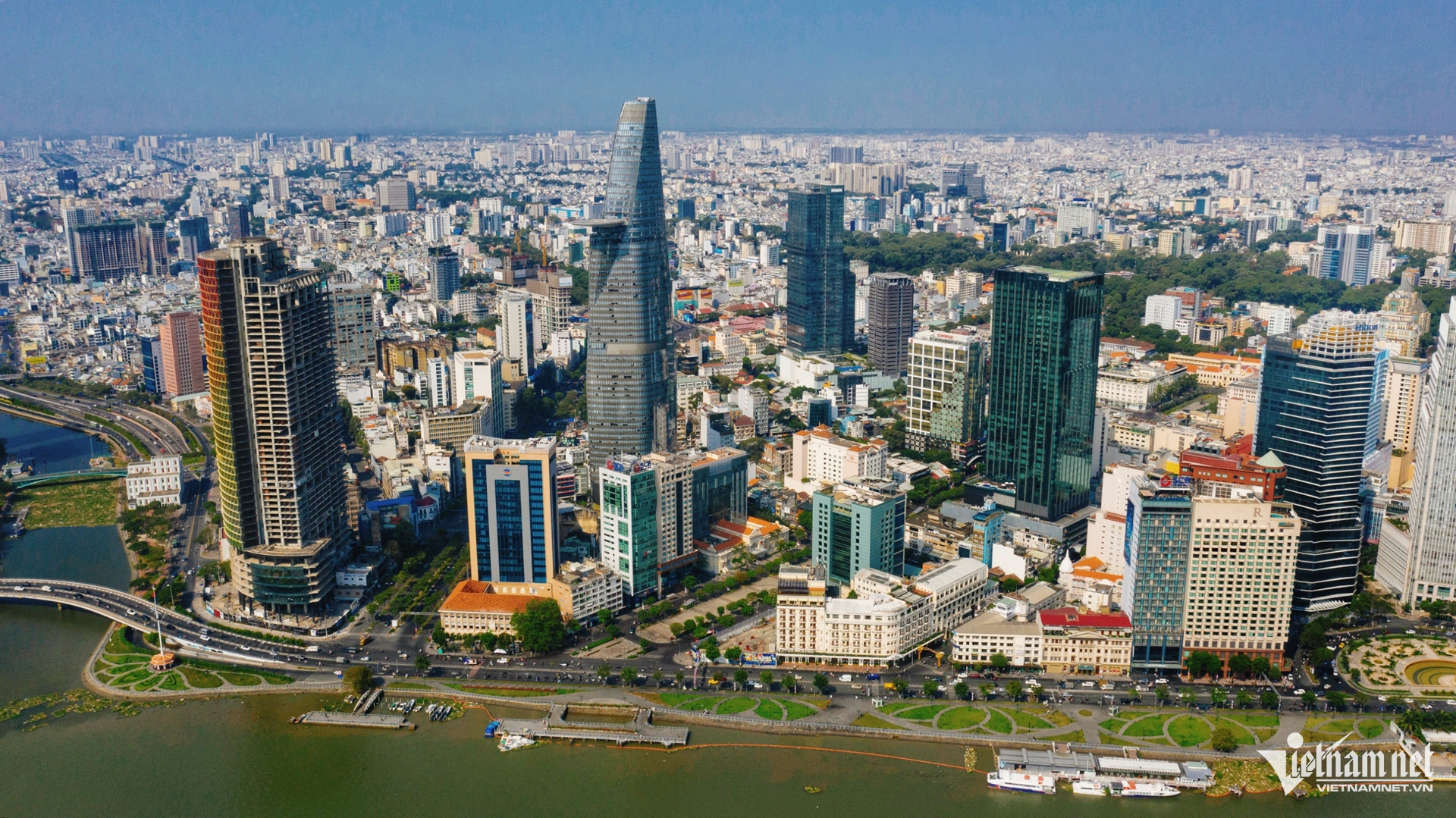
The resolution sets an overarching goal of rapid and sustainable national development, with an average GDP growth rate of over 10 percent per year, while maintaining macroeconomic stability, controlling inflation, and ensuring major economic balances. By 2030, GDP per capita is expected to reach US$8,500.
Vietnam also aims to become a developing country with modern industry and upper-middle income status by 2030, ranking among the world’s top 30 economies by GDP size.
Alongside growth targets, the National Assembly emphasized the need to establish modern and sustainable development institutions, build a synchronized infrastructure network, and enhance scientific and technological capacity, innovation, digital transformation, and human resource quality. It also stressed the comprehensive development of Vietnamese culture and people.
Environmental protection, climate change adaptation, social equity, discipline and safety, as well as strengthened national defense and security, were identified as key priorities. The resolution also seeks to enhance Vietnam’s position and reputation on the international stage.
A notable new feature of the plan is the assignment of growth targets to individual localities.
Hai Phong has been given the highest targets, with GRDP growth of 13-13.5 percent in 2026 and an average of 13-14 percent for the 2026-2030 period.
Bac Ninh is assigned targets of 12.5-13 percent for 2026 and 10 percent for the period, while Quang Ninh is set at 13 percent and 11-12 percent. Ninh Binh is targeted at 11-12 percent and 10.5-11 percent; Hung Yen at 11-12 percent and 10-11 percent; Thanh Hoa at 11 percent for both; Nghe An at 10.5-11.5 percent and 11-12 percent; Khanh Hoa at 10.8 percent and 11-12 percent; and Lam Dong at 10-10.5 percent for both.
Hanoi is assigned GRDP growth of 10-10.5 percent in 2026 and 10.5-11 percent for the period, while Ho Chi Minh City is set at 10 percent for both.
Hue and Can Tho are expected to achieve over 10 percent growth in 2026, while Da Nang is set at over 11 percent. Gia Lai and Son La have the lowest targets at 8 percent. Other provinces, including Dak Lak, Dong Thap, Vinh Long, and Ca Mau, are assigned growth targets below double digits.
Government empowered to adjust taxes and fees in emergencies
To achieve these goals, the National Assembly outlined a range of solutions, beginning with the completion of a modern, synchronized, and competitive institutional framework to create breakthroughs in growth. Vietnam aims to place its business and investment environment among the top three in ASEAN and the top 30 globally by 2028.
The Assembly called for the timely replacement of underperforming officials and those avoiding responsibility, while promoting and appointing those willing to take initiative and responsibility for the common good.
It also emphasized improving the quality of civil servants and public employees, with 2026 designated as a year focused on enhancing grassroots-level personnel, alongside the introduction of breakthrough policies to protect proactive officials.
The resolution highlights the need to transform the growth model, restructure sectors, develop new economic models, and strengthen businesses. It stresses maintaining macroeconomic stability, controlling inflation, safeguarding major balances, preventing economic crises, and diversifying supply chains and capital flows.
The National Assembly requires improved forecasting capacity and proactive risk prevention, with a firm stance on avoiding economic crises under any circumstances. The Government is authorized to adjust taxes and fees in emergency situations.
In parallel with cultural development, the Assembly underlined the modernization of the national education system, improving training quality, and attracting and utilizing talent.
On infrastructure, priorities include developing expressways in line with planning, international gateway seaports, major airports, high-speed rail along the North-South axis, international rail connections, and urban rail systems.
The Assembly also called for a comprehensive review, classification, and decisive resolution of stalled projects, both public and private, with prompt reporting and solutions proposed to competent authorities.
Sustainable social development, efficient resource use, and environmental protection remain key priorities, including efforts to address air pollution, traffic congestion, and flooding in major cities such as Hanoi and Ho Chi Minh City.
Tran Thuong
.svg)
