 Vietnamnet.vn

 Podcast


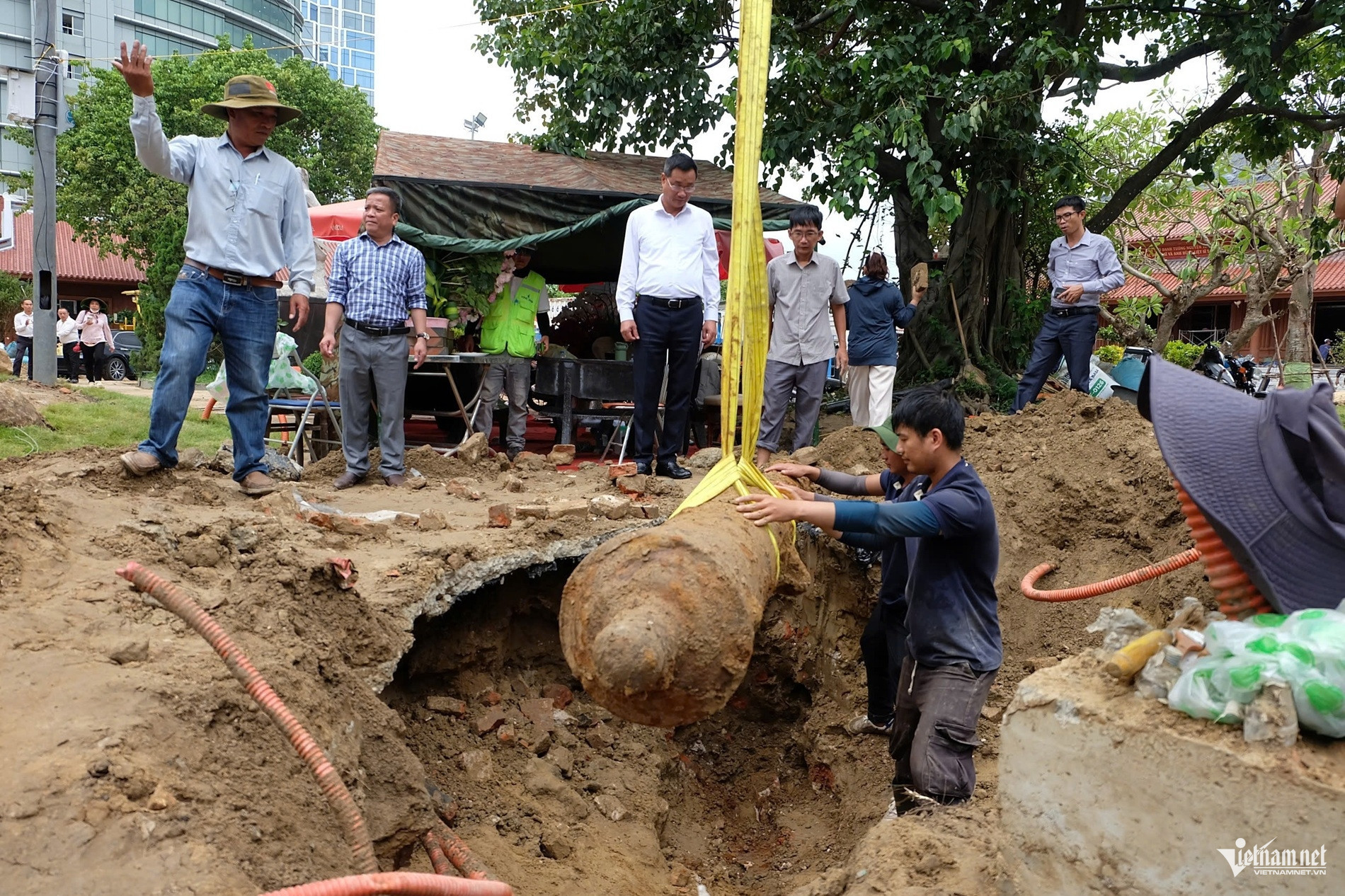
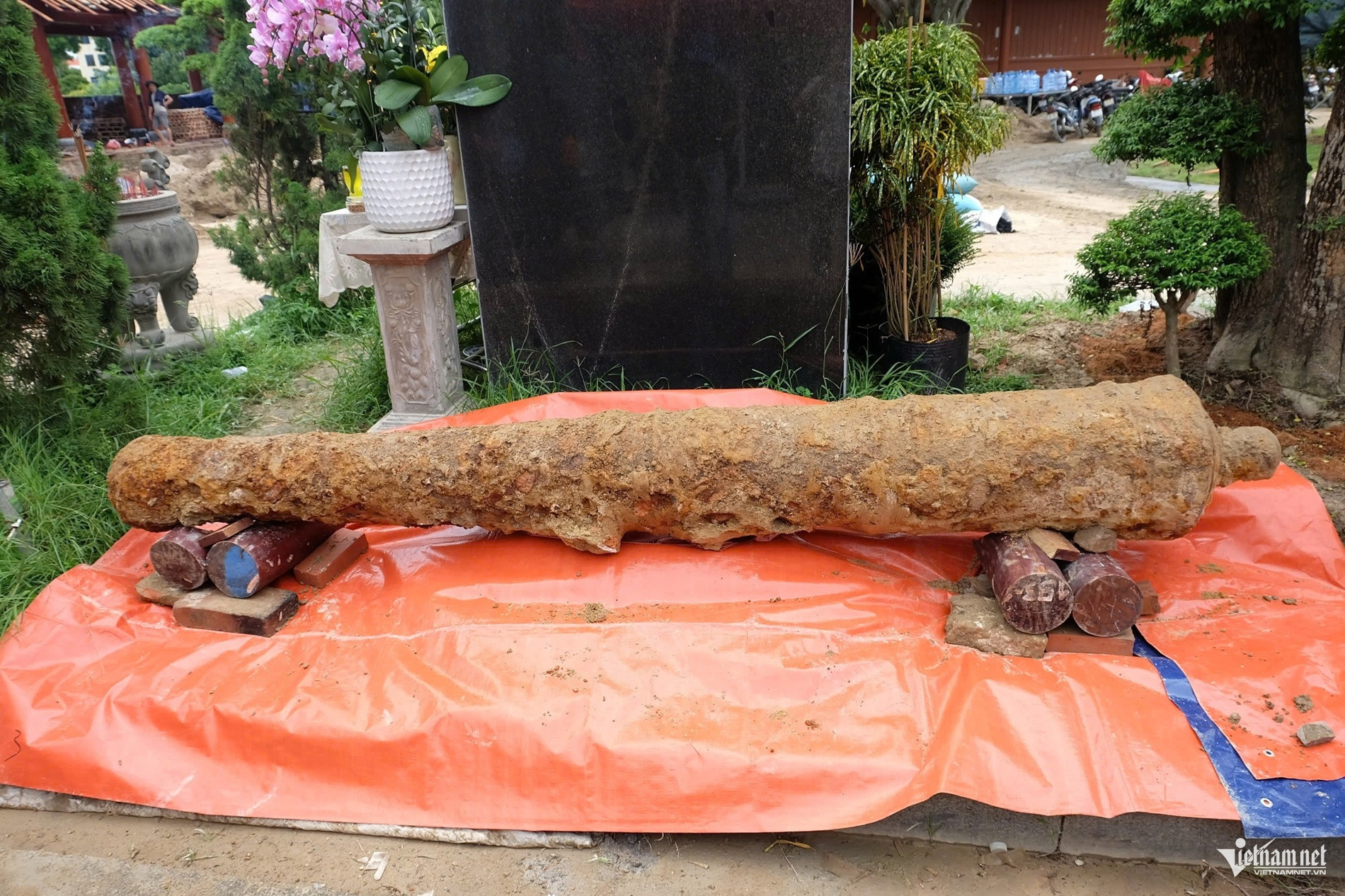
A cannon believed to date from the Nguyen Dynasty has been uncovered at Dien Hai Citadel, a special national historical relic in Hai Chau Ward, Da Nang.
Huynh Dinh Quoc Thien, Director of the Da Nang Museum, confirmed on October 21 that workers carrying out a project to repair, restore and preserve the citadel had discovered the historic weapon earlier that morning.
The cannon was found while workers were excavating soil to relocate the foundation of an electricity pole within the citadel grounds.
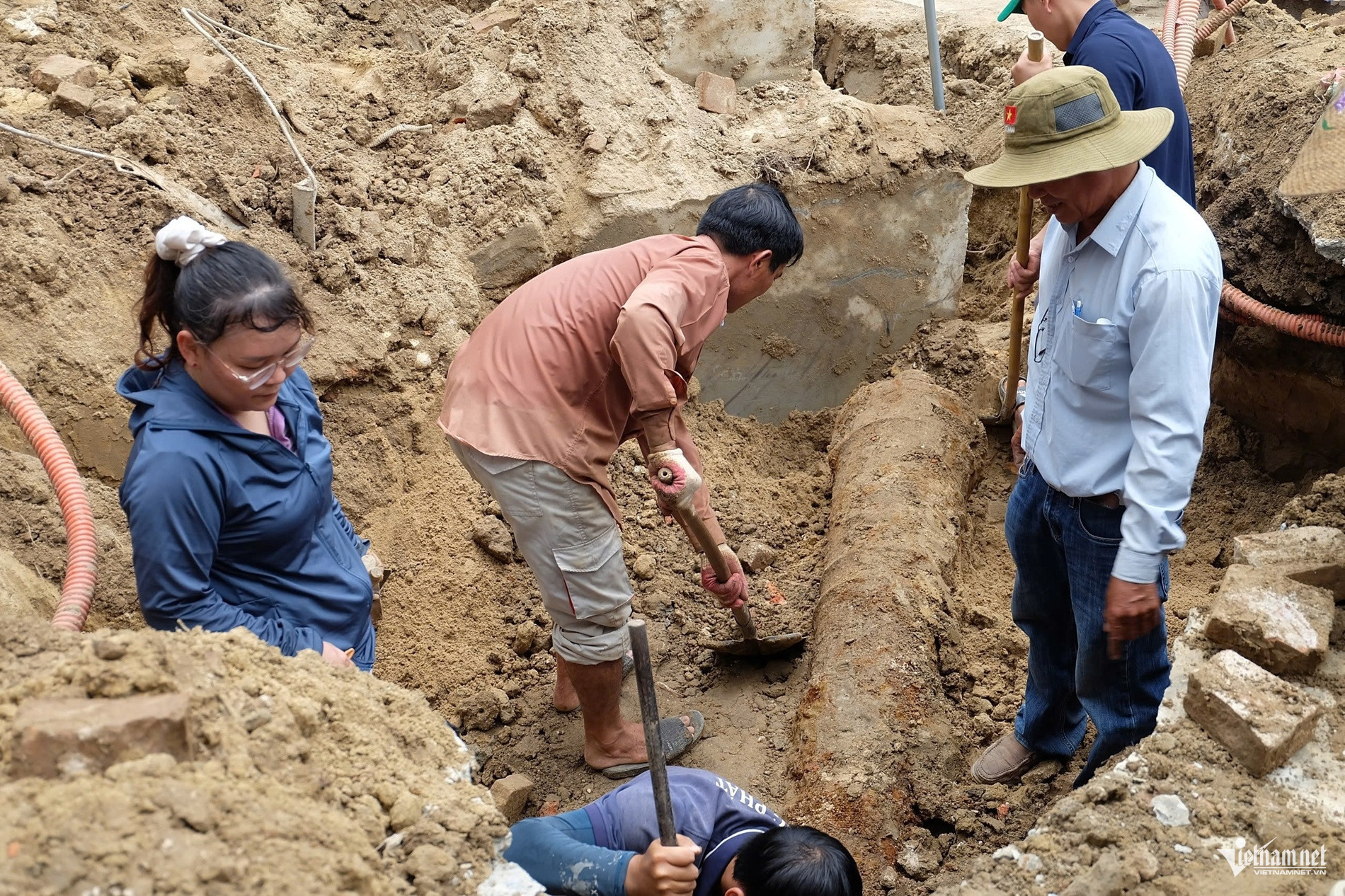
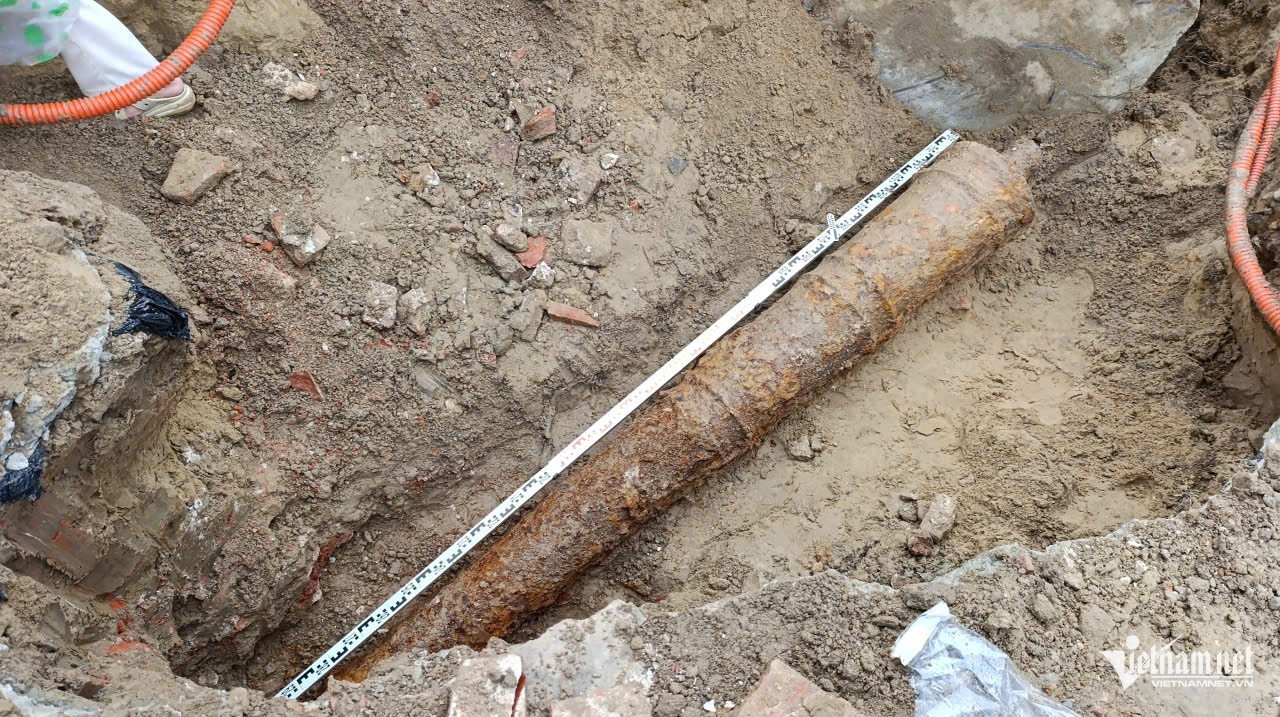
According to Thien, preliminary measurements, photographs and on-site examinations indicate that the cannon was cast during the Nguyen Dynasty and is nearly 200 years old.
The artifact was discovered approximately 1.5 meters below ground in the northeastern section of Dien Hai Citadel.
Made of cast iron, the cannon measures 2.95 meters in length.
Thien described the discovery as historically significant, saying it would provide additional evidence and enrich the collection of artillery associated with Dien Hai Citadel.
The Da Nang Museum currently preserves 17 historic cannons, including 10 previously discovered within the citadel grounds.
According to the museum director, the newly unearthed cannon was among the weapons once deployed as part of Da Nang's coastal defense system, which included Dien Hai and An Hai citadels.
"This is an extremely valuable artifact that helps further confirm and clarify the historical significance of the 1858-1860 resistance by the soldiers and people of Da Nang," Thien said.
At noon on October 21, Le Ngoc Quang, Secretary of the Da Nang Party Committee, visited the excavation site.
He instructed the Da Nang Museum to urgently arrange for specialists to examine and assess the artifact and prepare documentation for submission to city authorities and the Ministry of Culture, Sports and Tourism for consideration.
Dien Hai Citadel: A historic stronghold against colonial forces
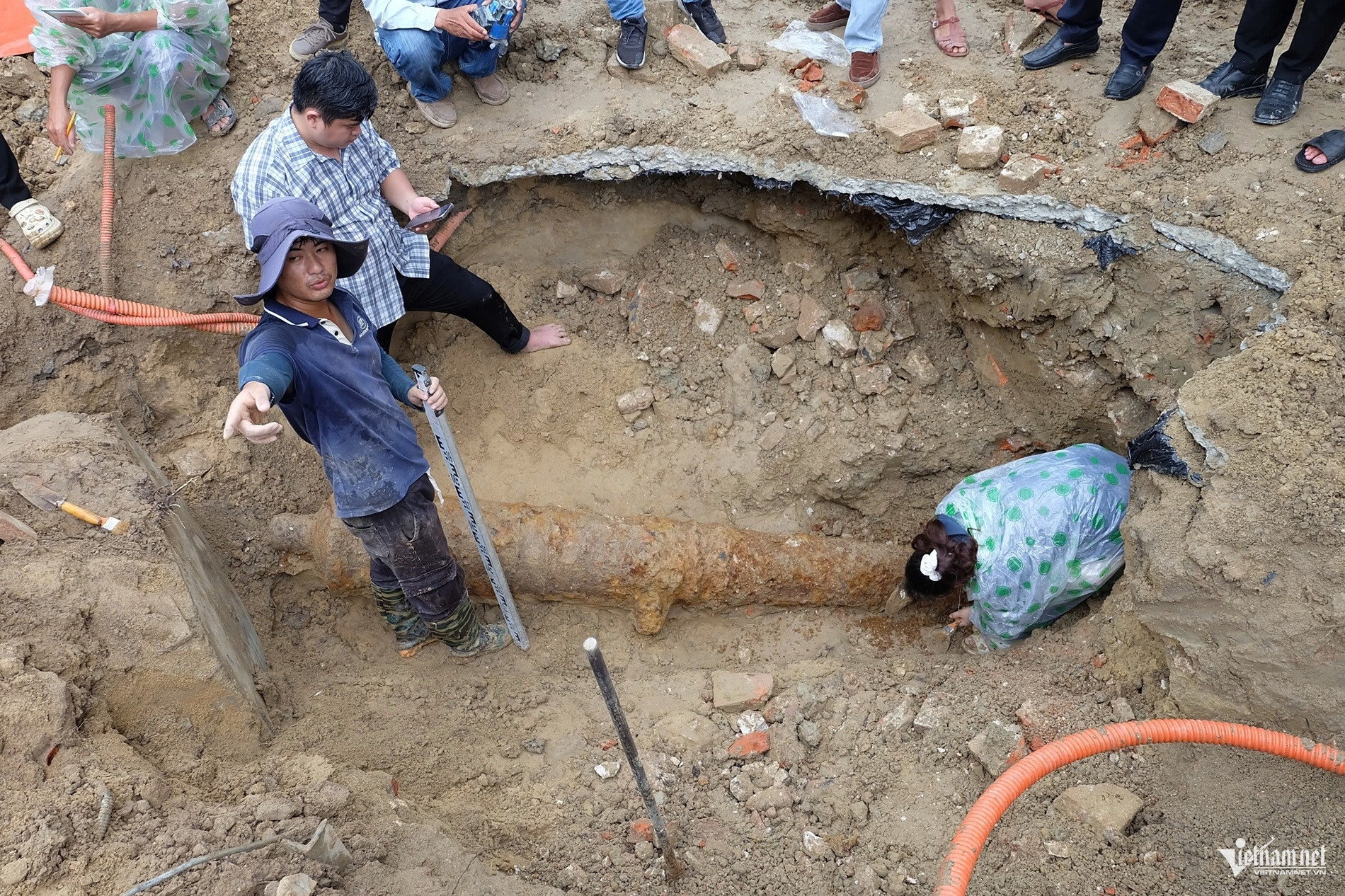
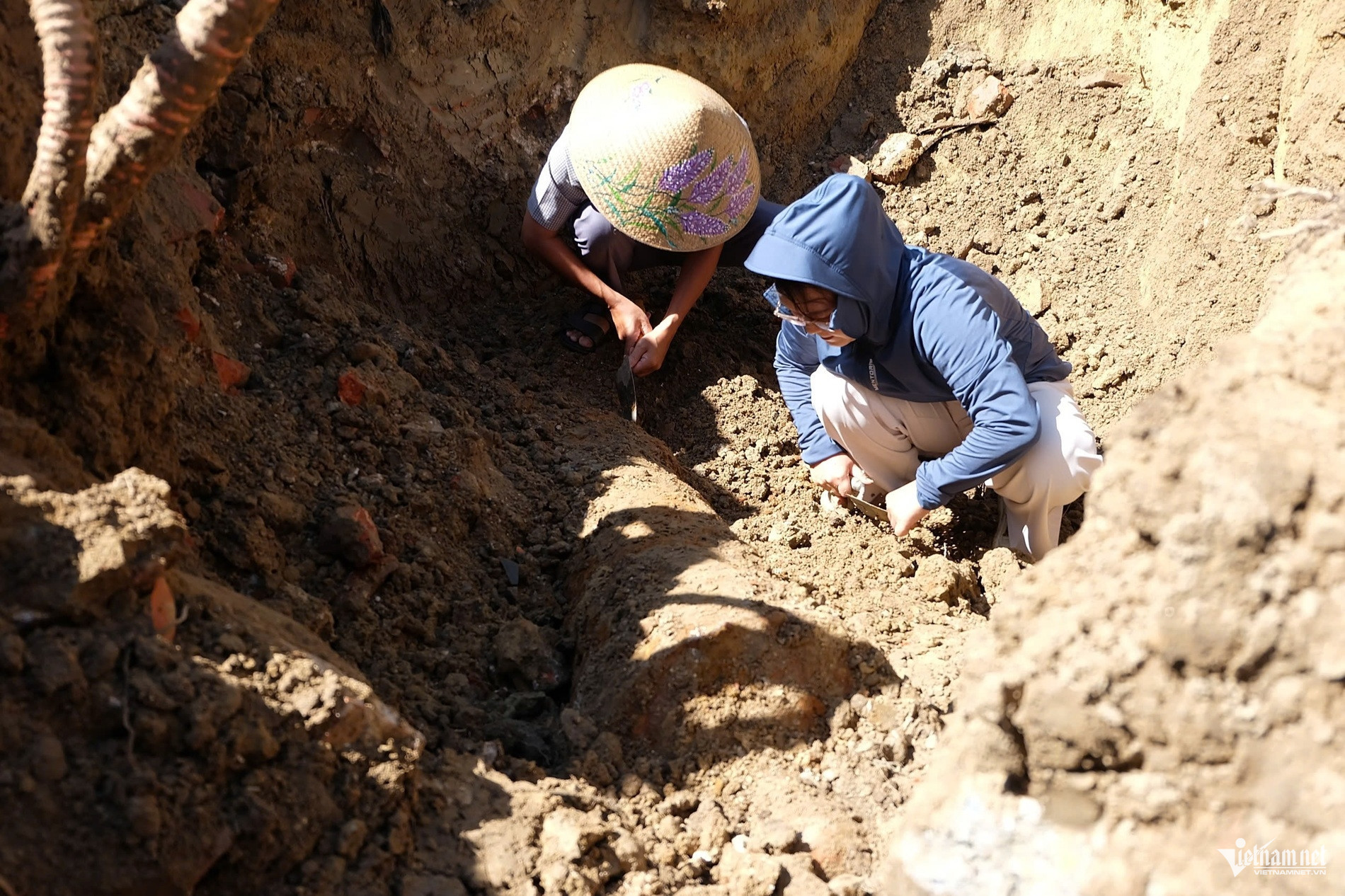
Dien Hai Citadel was built in 1813 during the reign of Emperor Gia Long and occupied a strategically important position in the defense system protecting the entrance to Da Nang's harbor.
Constructed in the fortified Vauban architectural style, the citadel once featured 30 cannon emplacements.
It formed a key component of the defensive line commanded by renowned Vietnamese general Nguyen Tri Phuong.
During the 1858-1860 conflict against the combined French and Spanish forces, Dien Hai Citadel became one of the most important battle sites, symbolizing the determined resistance of Da Nang's soldiers and residents.
The citadel remains a significant historical reminder of the early period of Vietnam's resistance to French colonial expansion and the country's struggle to defend its sovereignty.
In 2017, Dien Hai Citadel was officially recognized as a Special National Historical Relic.
Ho Giap

