 Vietnamnet.vn

 Podcast



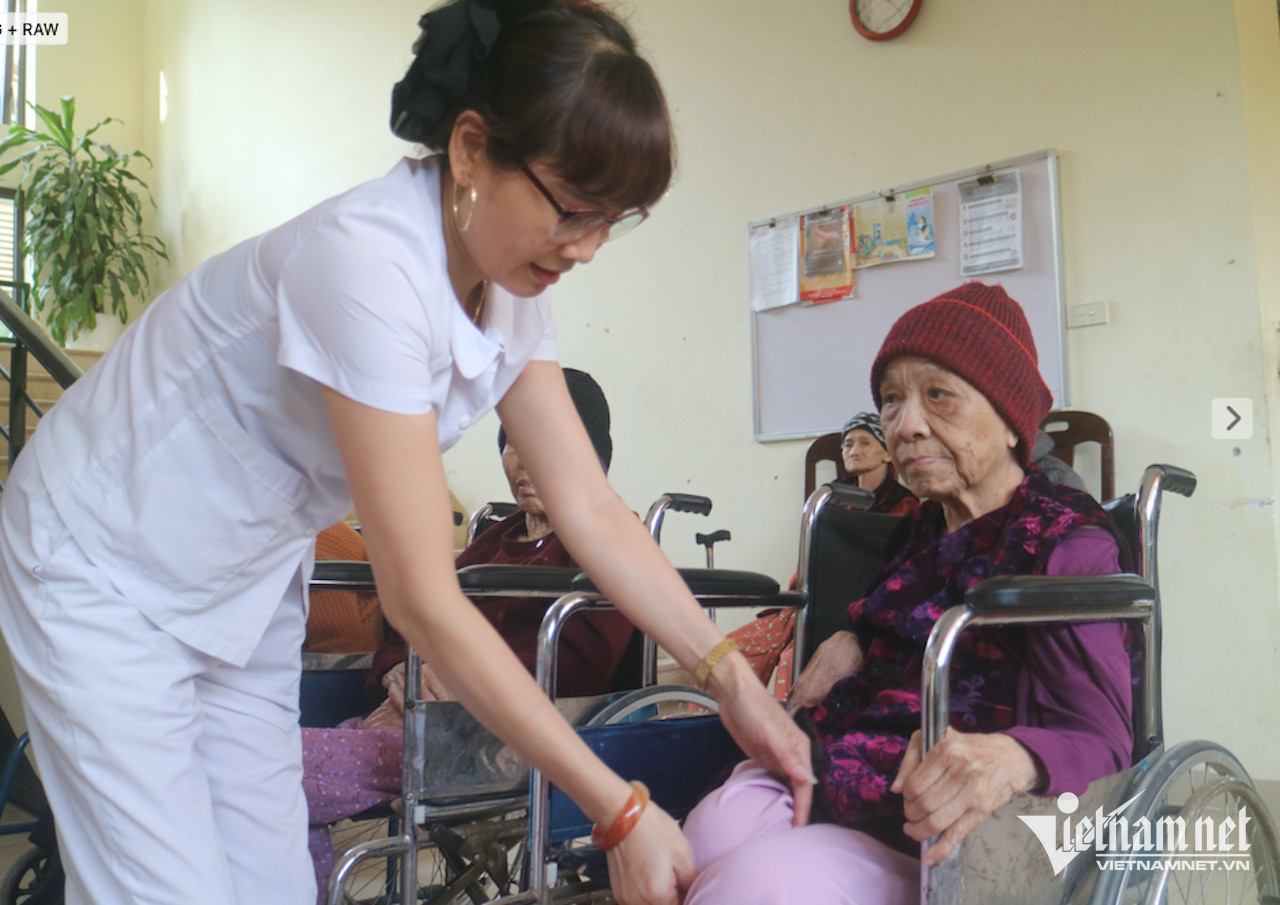
According to the Ministry of Health (MOH), the policy aims to improve population quality while building a flexible and sustainable elderly care system.
In addition to family-based care, MOH proposes expanding community-based models such as elderly clubs and day-care centers. These are considered practical solutions to meet rising demand amid population aging, while making use of existing local resources.
Community day-care centers for the elderly will use available facilities such as cultural houses, village sports areas, residential group spaces, or other suitable locations decided by commune-level authorities.
These models will not require the creation of new organizations or staffing, but instead maximize existing resources. This helps reduce the state budget burden while ensuring feasibility for large-scale implementation.
In terms of human resources, the draft defines three groups involved in community elderly care: volunteers, grassroots health workers, and licensed medical practitioners. These groups must meet training or licensing requirements to ensure service quality.
Funding for community models such as day-care centers or clubs will come from the state budget combined with other lawful sources. Depending on actual conditions, provincial- and commune-level authorities will decide specific support levels, ensuring alignment with budget capacity and public demand.
The draft decree aims to build a multi-tiered, flexible elderly care system with the community as its foundation. This approach not only improves the quality of life for older people but also helps reduce pressure on the healthcare system, especially as the elderly population continues to grow.
MOH also proposes financial support policies for prenatal and newborn screening to improve population quality.
Specifically, pregnant women will receive support for prenatal screening of four conditions: Edwards syndrome, Down syndrome, Patau syndrome, and Thalassemia.
For newborns, the screening program includes five conditions: congenital hypothyroidism, G6PD deficiency, congenital adrenal hyperplasia, congenital hearing loss, and congenital heart defects. These conditions can be detected early and treated in time, reducing the burden on families and society.
The proposed financial support is VND900,000 per prenatal screening and VND600,000 per newborn screening. Support will be provided within a maximum of three months after completing all required screening procedures. In cases where both prenatal and newborn screenings are conducted, a single payment will be made within three months after birth.
Tam An
.svg)
