 Vietnamnet.vn

 Podcast



The event aimed to strengthen bilateral cooperation, share development experience, and promote sustainable industrial projects between the two localities.
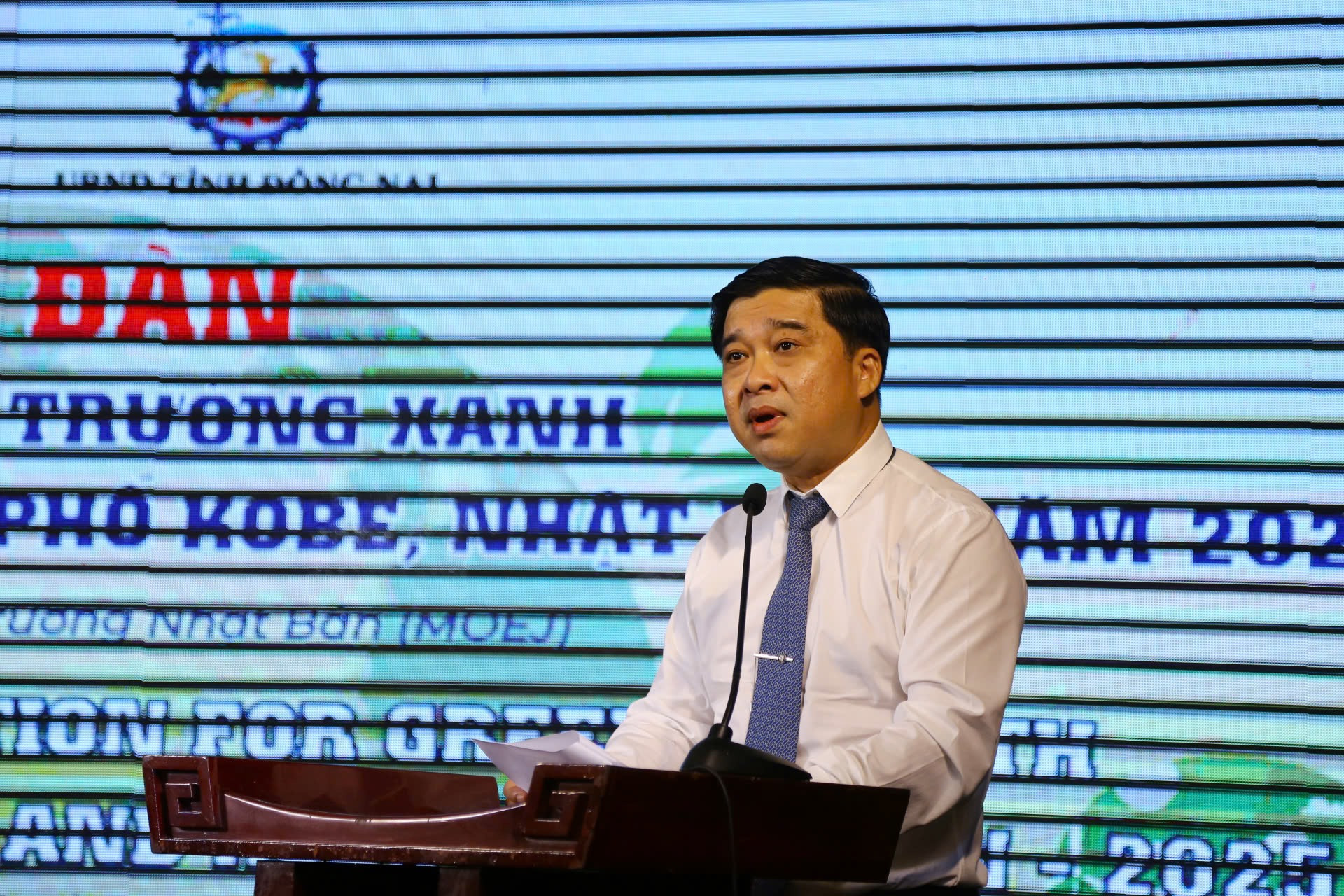
Vice Chairman of Dong Nai People’s Committee, Ho Van Ha, emphasized the province’s strategic shift toward sustainable and green growth in recent years. The province is focused on converting existing industrial zones and developing new ones into eco-industrial parks and high-tech parks. Dong Nai sees Kobe as a strategic partner due to its extensive experience in industrial infrastructure development and shared similarities with Dong Nai.
According to the cooperation agreement, both sides will jointly review and identify opportunities for transitioning existing industrial parks to green, eco-friendly models. The two parties also aim to organize forums for government agencies, experts, and businesses to assess feasibility and provide legal, financial, and technical support for implementing green projects.
“This forum offers a valuable opportunity for infrastructure developers and Japanese enterprises to plan eco-industrial symbiosis and cleaner production projects. These efforts support sustainable development through digital transformation, green transition, improved efficiency, and reduced emissions - ultimately aiming for a green, circular economy,” said Vice Chairman Ha.
The event marked a major milestone in the strategic partnership between Dong Nai and Kobe, opening new opportunities to promote green and environmentally sustainable growth in the province’s industrial zones in the years ahead.
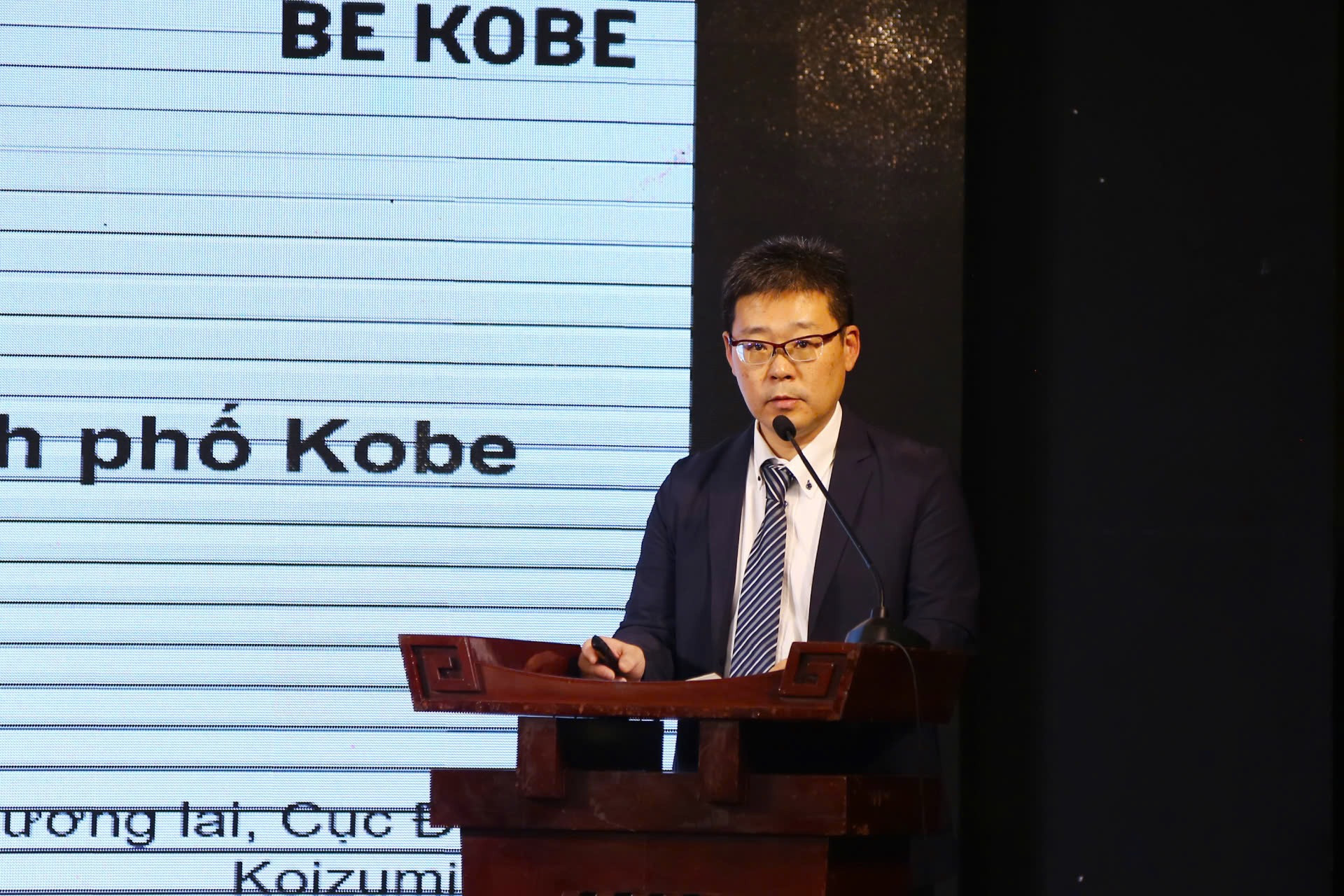
Pham Viet Phuong, Deputy Head of Dong Nai’s Industrial and Economic Zones Authority, shared that Vietnam has been piloting the eco-industrial park model since 2014. Over time, a more supportive legal framework has emerged to facilitate such models. Dong Nai has proactively guided the development of eco-industrial parks, with strict legal, environmental, and labor service requirements for all licensed projects.
“Companies operating in these zones must comply with all legal regulations for at least three consecutive years. Moreover, at least 20% of the businesses must adopt resource-efficient and cleaner production practices,” said Phuong.
At the forum, officials and experts from both countries presented case studies on Kobe’s low-carbon urban development and shared insights on advanced technologies, such as construction waste recycling, wastewater treatment, and carbon reduction strategies in industrial zones. Japanese and Vietnamese businesses also introduced innovations in energy efficiency and green tech, highlighting practical applications for Dong Nai.
Yoji Koizumi, Director of the Future City Promotion Division under Kobe City’s Urban Planning Department, noted that the event opened new opportunities to implement green-smart industrial zones, promote renewable energy and energy-saving initiatives, and strengthen sustainable development cooperation between Kobe and Dong Nai.
“Kobe is currently implementing key climate action policies. Based on the city’s characteristics, we are pursuing six major strategies to combat global warming: transitioning to a decarbonized lifestyle, promoting hydrogen energy, popularizing electric vehicles, expanding renewable energy, decarbonizing industry, and increasing CO2 absorption and storage,” Koizumi shared.
Huy Hoang
.svg)
