 Vietnamnet.vn

 Podcast



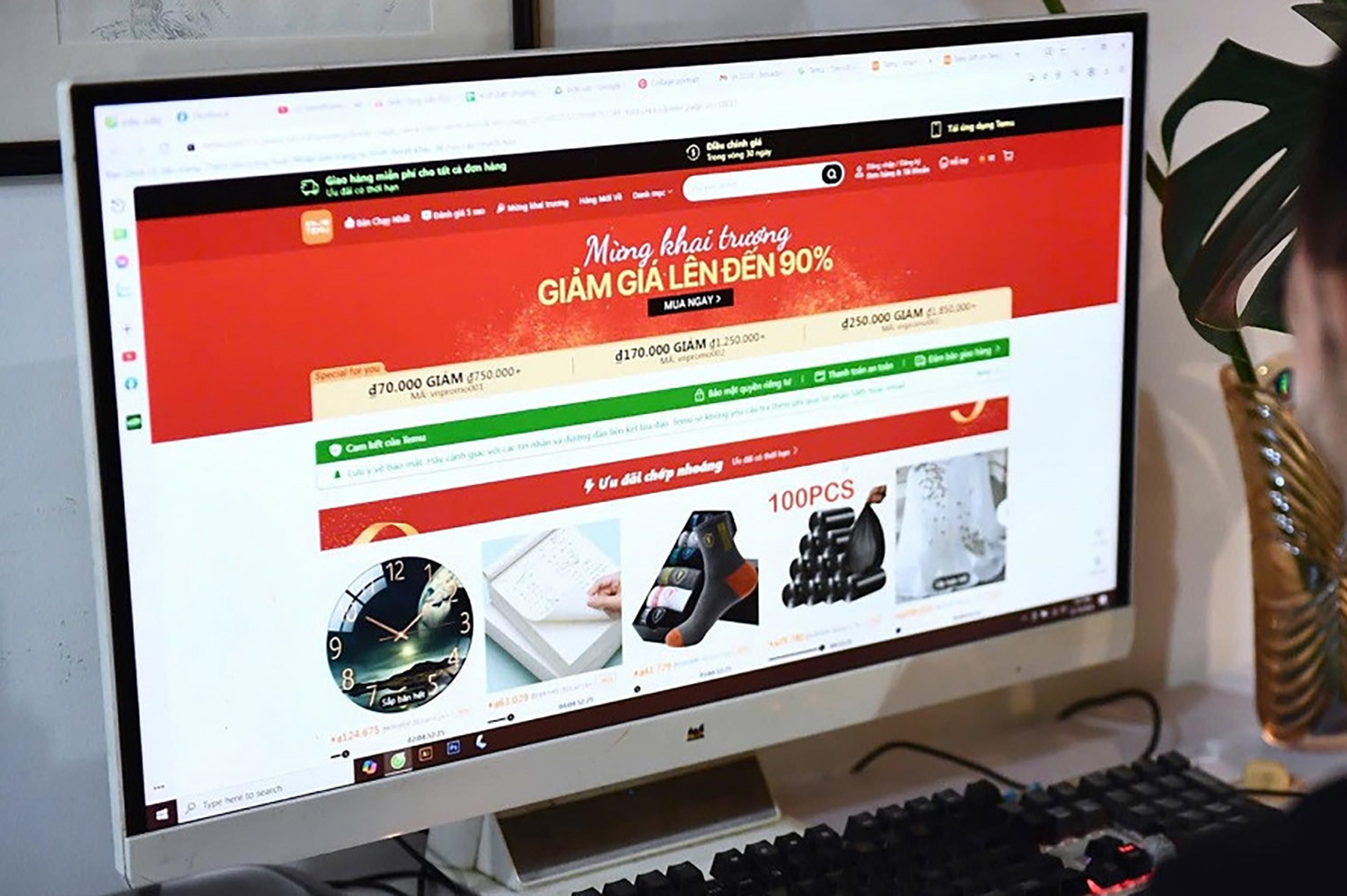
Thanh Mai, 28, an office worker earning approximately $694 a month, has developed a habit of watching shopping livestreams every evening for entertainment.
Initially, she only intended to buy a few kitchen essentials with a budget of around $31. But the livestreams, packed with eye-catching product demonstrations, persuasive sales pitches, discount codes and a constant stream of viewers placing orders, gradually drew her into buying things without considering whether she actually needed them.
During the first week, Mai purchased a non-stick frying pan she had been looking for at approximately $8.50. She then added a 360-degree rotating spice organizer for $4.40 and a mini handheld vacuum cleaner for $11.50, tempted by the seller's claim that the vacuum was being offered at half its original price.
Her first week's spending totaled approximately $24.
The following week, while watching a livestream featuring household goods and fashion items, she ordered a set of food storage containers, an insulated bottle offered as a promotional gift and several discounted T-shirts. The purchases cost her more than $31.
By the middle of the month, Mai was hunting for more bargains, buying an office bedding set, a plastic shoe rack and a pack of crew socks for approximately $17.
The biggest spending spree came in the final week.
After receiving a notification about a clearance sale offering an air fryer for around $31, she also purchased a skincare set and a decorative night light.
In just one evening, she spent another $52.
It was only when Mai checked her transaction history that she realized she had placed 13 online orders totaling more than $123.
Compared with her original budget of $31, she had spent four times as much as planned, exceeding her intended spending limit by approximately $92.
Instead of accounting for just over 4% of her monthly income, the impulsive purchases had consumed nearly 18% of her salary.
What made the situation particularly striking was that throughout the month, Mai believed she was shopping wisely.
After adding up the discounts she had received, she calculated that promotional codes had saved her more than $62.
In reality, however, she had spent over $92 on purchases that had never been part of her original shopping plan.
The overspending immediately disrupted her fixed monthly savings target of approximately $116, leaving her able to set aside just $22 that month.
To make matters worse, several purchases proved disappointing or unnecessary.
After a month, the mini vacuum cleaner was gathering dust because its suction was too weak to be useful.
The insulated bottle had been pushed to the back of a cupboard because Mai already owned two others.
Meanwhile, the plastic shoe rack was unstable and could barely support the weight of her shoes.
Mai estimated that the items she rarely used or had stopped using altogether were worth approximately $58.
How to keep impulse shopping under control
Pham Thu Trang, a financial specialist, said consumers should evaluate every purchase based on their actual needs, available budget and the likelihood that they will use the product.
One of the strongest triggers for impulse buying, she explained, is the feeling of saving money.
For example, a product originally priced at approximately $39 but discounted to $27 may appear to be an attractive bargain.
However, if the item was never part of the buyer's spending plan, the $27 is still money being spent unnecessarily.
Comparing the original and discounted prices can lead shoppers to focus on how much they appear to be saving rather than how much they are actually paying.
Trang advised consumers to ask themselves a simple question before placing an order: "Would I still buy this if there were no discount code?"
If the answer is no, the purchase is likely being driven by the promotion rather than a genuine need.
She also recommended introducing a waiting period before completing purchases.
For non-essential items, instead of ordering immediately during a livestream, consumers can add products to a wishlist and reconsider them after 24 hours.
If the item still seems necessary and fits within their budget after that period, they can proceed with the purchase.
Setting a clear shopping budget is another important step.
For instance, someone earning approximately $771 a month could establish a fixed spending limit for non-essential purchases and stop shopping once that allowance has been exhausted.
Separating bank accounts can also help consumers manage their finances more effectively.
Money allocated to essential expenses, such as rent, utilities, food and savings, should be kept separate from funds designated for discretionary shopping.
This approach can make it easier to track spending and prevent impulse purchases from eating into money intended for essential needs and long-term savings.
Duy Anh
.svg)
