 Vietnamnet.vn

 Podcast



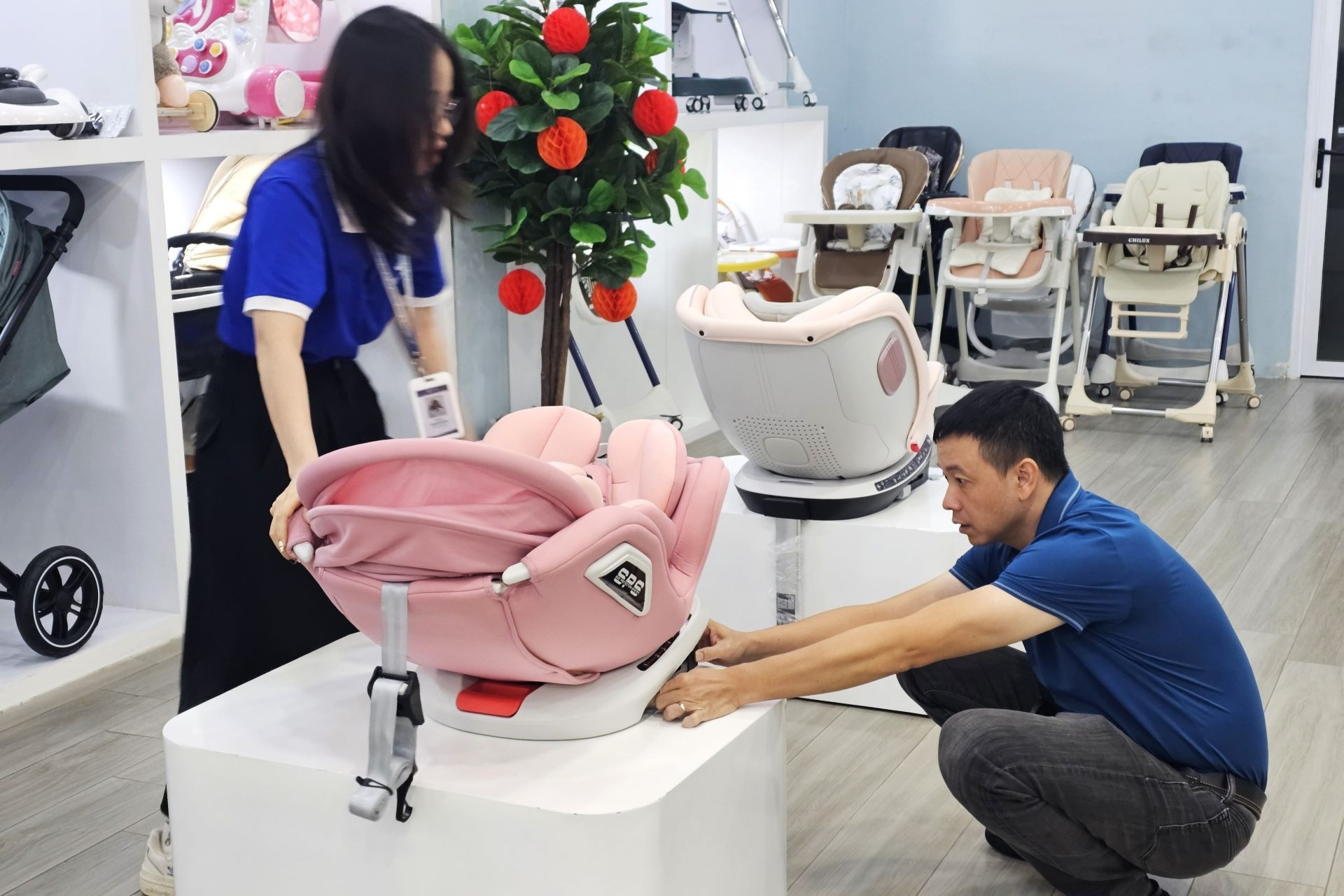
Vietnam’s regulation requiring child safety devices in passenger vehicles will officially take effect on July 1. However, many parents remain uncertain amid unanswered questions surrounding product certification and compliance standards for child car seats.
Parents still unsure which seat to buy
In recent weeks, child safety devices have become a frequent topic of discussion on automotive forums and parenting groups. Many parents say they began researching products months ago but have yet to make a purchase because they fear choosing a seat that may not meet future regulatory requirements.
Nguyen Minh Duc, a resident of Tu Liem in Hanoi and owner of a seven-seat SUV, said his family regularly travels with their four-year-old daughter by car. While he fully supports the new regulation aimed at improving child safety, he remains hesitant about making a purchase.
“I’ve found child car seats ranging from a few million dong to more than ten million dong. If I buy one now and authorities later publish a list of approved products that differs from what is currently on the market, it would be a waste of money. But if I wait, I worry that I won’t have one installed by July 1 and could face penalties,” Duc said.
Many other families share the same concern. Hoang Thu Trang, from Thanh Xuan District in Hanoi, said she has taken her six-year-old son to test several models at retail stores but has yet to make a decision.
“Retailers all claim their products meet European or American standards. However, I don’t know whether those standards will be officially recognized by Vietnamese authorities. Spending several million dong is not a small expense, so naturally people want certainty,” Trang said.
Taking a more relaxed view, Vo The My from Tan Yen in Bac Ninh Province said the regulation is not particularly urgent for his family because his children are already between seven and nine years old.
“My children are both taller than 1.2 metres. They only need a booster cushion and the vehicle’s seat belt. What I don’t know is whether that type of booster must be attached using the vehicle’s ISOFIX anchors. I’ll probably wait until after July 1 to see how the situation develops before deciding which product is appropriate,” he said.
No organization currently authorized to certify child safety seats
According to retailers, customer interest in child car seats has increased significantly over the past few weeks. However, the proportion of customers who actually complete a purchase remains lower than expected.
Nguyen Linh, owner of an automotive accessories store in Hanoi, said many customers spend considerable time researching products but ultimately leave without buying.
“The question we hear most often is whether the child seats currently available on the market will eventually be recognized as compliant,” Linh said.
Consumer concerns stem from information recently reported by the Vietnam Register to the Ministry of Construction.
Although the National Technical Regulation on Child Restraint Systems in Automobiles (QCVN 123:2024/BGTVT) came into force at the beginning of 2026, the Vietnam Register says that no organization currently meets the requirements to conduct product certification under the regulation.
The agency noted that demand from businesses seeking conformity certification is high as companies prepare for the mandatory requirement taking effect on July 1.
“If there are still no qualified testing and certification organizations after July 1, the Vietnam Register has proposed that the Ministry of Construction temporarily designate the Vietnam Motor Vehicle Testing Centre (VMTC) to conduct testing of child safety seats under QCVN 123:2024/BGTVT. The Vietnam Register would also temporarily carry out certification work for six months, or until qualified organizations become available,” a representative of the agency said.
As implementation approaches, concerns among parents are understandable. However, beyond questions about certification and potential penalties, many families remain focused on a more important issue: ensuring maximum safety for their children during every journey.
Despite the absence of officially certified products, safety experts say parents should not delay purchasing child restraint systems solely because they are waiting for additional guidance.
In many developed countries, child safety seats are considered essential protective equipment and have been proven to significantly reduce the risk of serious injury or death in traffic collisions.
While authorities continue to refine certification procedures and implementation guidance, experts recommend that parents prioritize products with clear origins, reputable brands and internationally recognized safety certifications.
The core purpose of the new regulation, they emphasize, is to protect children rather than simply help drivers avoid penalties.
Hoang Hiep
.svg)
