 Vietnamnet.vn

 Podcast



Doctors at Children's Hospital City in Ho Chi Minh City announced the case on June 15, describing it as an atypical form of the disease, an ultra-rare genetic disorder estimated to affect only one in two million people. The accurate diagnosis helped spare the child from a surgical procedure that could have accelerated the disease's progression.
The patient was admitted with persistent joint stiffness and restricted movement that developed after she fell while learning to ride a bicycle. What initially appeared as swelling in the left hip region gradually progressed to stiffness affecting the spine, neck and shoulders, significantly limiting her mobility and daily activities.
A rare case without a classic warning sign
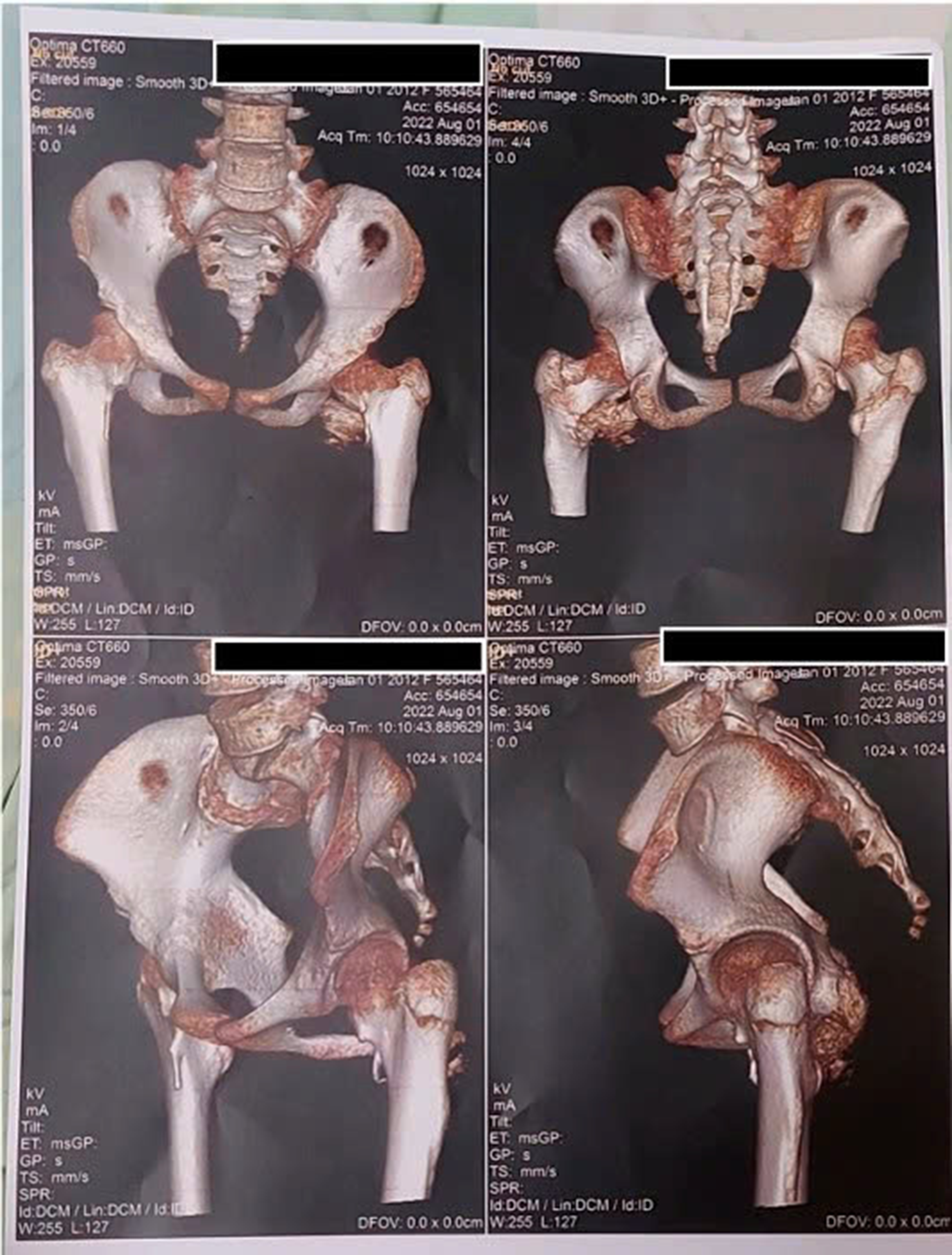
Diagnosing the condition proved especially challenging because the girl did not exhibit a malformed big toe, one of the hallmark features seen in most FOP patients.
Before being referred to Children's Hospital City, she had been scheduled for surgery intended to improve hip mobility.
At the hospital, doctors conducted a comprehensive assessment using advanced imaging and genetic testing. The results revealed a mutation in the ACVR1 gene, confirming a diagnosis of atypical Fibrodysplasia Ossificans Progressiva.
Following the diagnosis, the medical team immediately cancelled the planned surgery.
For patients with FOP, interventions that injure soft tissue - including surgery, biopsies and injections into affected areas - can trigger inflammatory responses that accelerate abnormal bone formation and worsen the disease.
Soft tissue gradually turns into bone
There is currently no cure for FOP. Treatment focuses on early diagnosis, monitoring flare-ups and preserving mobility for as long as possible.
Doctors advised parents to seek medical evaluation if a child develops recurring soft tissue swelling, hard lumps beneath the skin or progressive joint stiffness, especially after even minor injuries.
The warning applies even when the child does not display the typical toe abnormalities commonly associated with the disease.
When FOP is suspected, patients should avoid procedures that may traumatise soft tissue, including surgery, biopsies, intramuscular injections, aggressive massage and forceful stretching exercises.
Children with the condition should also be guided to avoid falls and physical impacts while participating only in carefully selected activities appropriate for their condition.
Medical professionals stressed that vaccinations and other medical procedures should be evaluated on a case-by-case basis rather than being delayed or skipped without medical advice.
Early diagnosis and multidisciplinary care play a critical role in preserving mobility and quality of life.
One of the world's rarest genetic disorders
Fibrodysplasia Ossificans Progressiva, often referred to as stone man syndrome, is an exceptionally rare inherited disorder in which soft tissues such as muscles, tendons and ligaments gradually transform into bone.
Abnormal bone growth develops around joints, severely restricting movement and eventually affecting major areas of the body, including the spine, shoulders, hips and knees.
As the disease progresses, joints can become permanently immobilised, causing the body to slowly become encased in a second skeleton.
Phuoc Sang
.svg)
