 Vietnamnet.vn

 Podcast



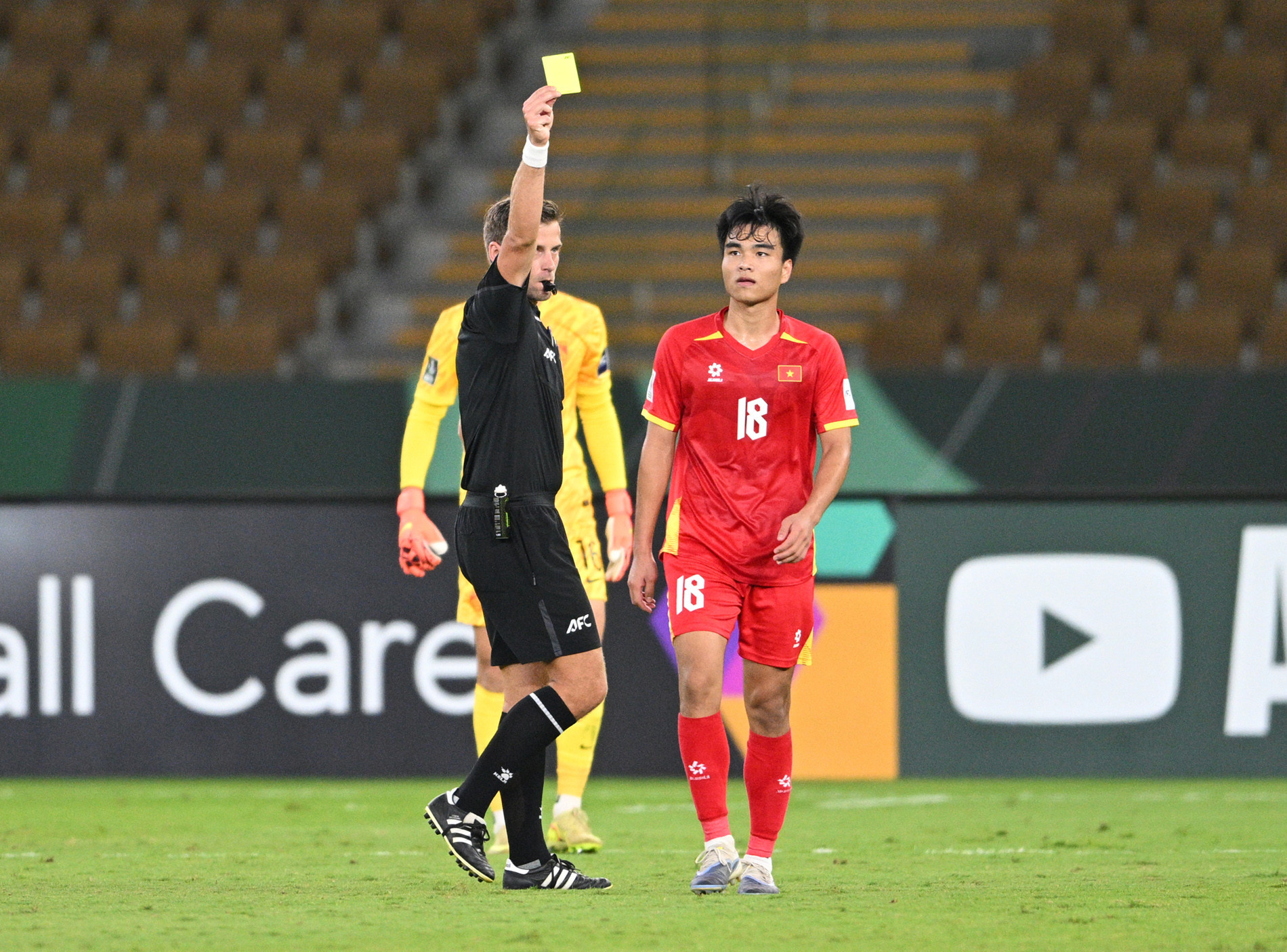
After a sobering 0–3 semifinal loss to China, Vietnam faces another East Asian heavyweight: South Korea. On paper, the Koreans remain one of Asia’s top footballing nations. But in this tournament, they have looked far from invincible.
The cracks in South Korea’s armor
U23 South Korea boasts impressive fundamentals. Their pass accuracy (85%) ranks second only to Iran. They dominate possession, control midfield tempo, and regularly push opponents deep into their own half.
But all that control hasn’t translated into effectiveness. Despite registering 48 shots - nearly identical to Vietnam’s 49 - they’ve failed to score in three out of five matches. Their attacking patterns have often lacked precision and spontaneity, leaving them frustrated in the final third.
No South Korean player has scored more than once in the tournament - a stat that highlights their dependence on system over individual brilliance. Against well-organized defenses, they’ve struggled to unlock goalscoring opportunities, often rushing shots or allowing opponents to reset.
Defensively, they’ve also shown surprising vulnerabilities. Conceding six goals in five matches, their transitions from attack to defense have been too slow to handle fast counterattacks - precisely the style that Vietnam has relied on in their biggest wins.
Vietnam’s stumble, and a lesson in humility
Vietnam’s semifinal defeat to China was as much about internal error as it was about external strength. Head coach Kim Sang Sik made bold personnel choices - starting two younger forwards in a high-stakes match - but the decision backfired when key midfielder Hieu Minh was forced off with an early injury. That disrupted the game plan entirely.
“Had we not lost Hieu Minh so early, the story might’ve been different,” said commentator Quang Huy. “But football doesn’t work in hypotheticals.”
Tactically, Vietnam looked sluggish after halftime. Fatigue from earlier matches seemed to catch up with them. The team that once played fluid, unpredictable football became reactive, unable to press or build. Replacements failed to bring new energy, and the defense - which had held strong in previous games - cracked under sustained Chinese pressure.
Still, as both experts and fans agree, the loss is not a failure - it’s a learning curve.
“This is a young team,” said coach Pham Minh Duc. “Each defeat at this level is a step toward maturity.”
Opportunity lies in balance
Vietnam will not have an easy task. South Korea remains a tactically structured, physically imposing team. But they are not flawless. Their struggles with finishing, their reliance on system-based control, and their defensive hesitation in transition all present windows of opportunity.
Vietnam has shown, especially in earlier matches, that it can absorb pressure and strike with pace. If coach Kim Sang Sik balances risk and caution more precisely - and if his players can shake off the psychological weight of the semifinal - Vietnam has a real chance to leave Saudi Arabia with a bronze medal.
Because this isn’t just about the result. It’s about showing growth under pressure. It’s about proving that even after a fall, this generation can rise again.
Ngoc Huy - Dai Nam
.svg)
