 Vietnamnet.vn

 Podcast



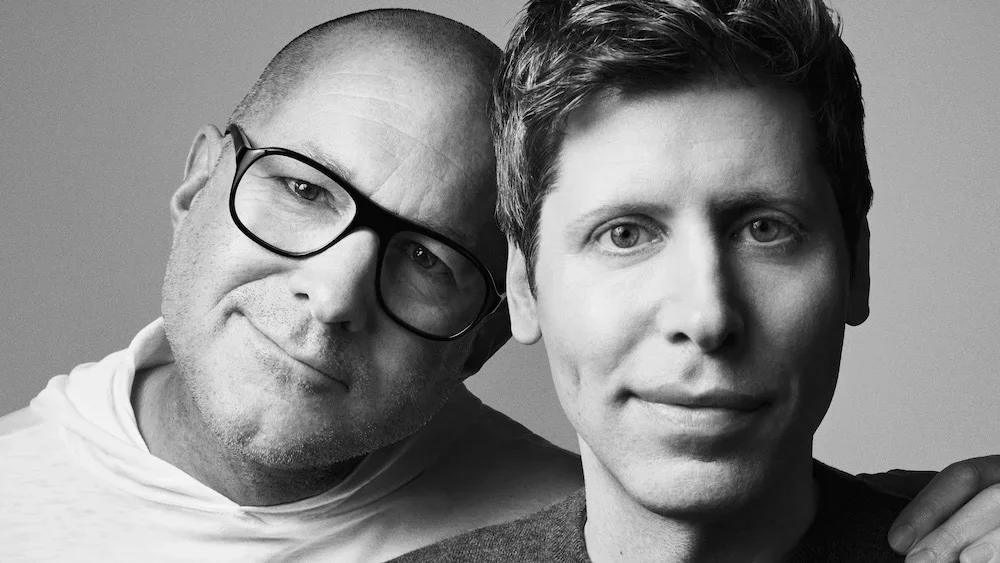
A recent report now offers the first glimpses into the product’s potential design, features and expected pricing. The device has been framed as the beginning of a post-smartphone era, though the leaked details suggest the reality may be less dramatic than the marketing language implies.
Both Sam Altman and Ive have hinted that the product could move far beyond traditional smartphones. Yet what has surfaced so far points to a more incremental evolution.
Three AI devices instead of a single ‘iPhone killer’
According to industry sources, OpenAI is not developing just one device. Instead, it is reportedly working on three different hardware products simultaneously.
The most widely discussed is a smart speaker equipped with a camera and microphone. This device is expected to be priced between US$200 and US$300, with a launch unlikely before early next year at the earliest.
Earlier descriptions portrayed the product as highly portable while also functioning as a central hub for smart home control.
The AI speaker is said to offer proactive suggestions, contextual awareness and real-time responses - features that are increasingly becoming standard across modern AI-powered devices.
Beyond the smart speaker, OpenAI is also reportedly developing a smart lamp.
Details remain limited, but it is likely intended to serve as another node within a broader smart home ecosystem, operating in a manner similar to the AI speaker.
The most ambitious project appears to be smart glasses, a category that has attracted heavy investment from major technology companies. OpenAI is reportedly preparing to enter the race alongside Meta, Google and Samsung.
If augmented reality glasses truly represent the long-term successor to smartphones, OpenAI’s early participation would be a logical strategic move. Smart glasses could also address a major limitation of the speaker and lamp - the absence of a display.
However, patience will be required. Both the smart speaker and the AI glasses are reportedly not expected to reach the market until around 2028 or later.
Grand promises, high expectations and lingering skepticism
In recent months, Sam Altman has repeatedly emphasized the product’s potential to “revolutionize” personal technology. Still, many observers remain cautious until tangible products are unveiled.
At present, the smart speaker appears more like an intriguing gadget than a historic inflection point.
Today’s AI devices - from virtual assistants to smart home systems - already promote similar capabilities: proactive suggestions, environmental awareness and responsive interaction.
In practice, many users may still find it faster to pull out their smartphone and search for information within seconds. Moreover, AI systems continue to make errors, even in relatively simple tasks, prompting understandable hesitation about delegating too much responsibility to machines.
While the speaker and smart lamp raise questions, smart glasses are drawing the most serious attention. As more global technology firms invest heavily in wearable AR displays, the sector could evolve in ways that either mirror or diverge sharply from the trajectory of smartphones.
Notably, while the smartphone market faces fierce competition from numerous Chinese manufacturers, Western consumers do not always have broad access to those brands.
In contrast, the smart glasses market remains in its infancy, with no clearly established hierarchy. This leaves room for new entrants, including OpenAI.
The latest leaks confirm that OpenAI’s hardware ambitions are real and potentially broader than initially assumed. Yet building an AI device ecosystem is one challenge; replacing the smartphone is another entirely.
If the true goal is to create a device that surpasses the iPhone, OpenAI will need not only new hardware but a fundamental shift in how people interact with technology in their daily lives.
Until a finished product proves its practical value, the phrase “iPhone killer” remains more an ambitious promise than a fully formed revolution.
Hai Phong
.svg)
