 Vietnamnet.vn

 Podcast



Storms and prolonged cold rains have devastated kumquat gardens in Hoi An Tay Ward, Da Nang City, threatening a large-scale crop failure just weeks before the Tet (Lunar New Year) holiday in 2026. This historic kumquat-growing area in central Vietnam now faces the risk of missing a key harvest that supplies ornamental trees to markets across the central and southern regions.
In the final months of the year, farmers across the kumquat fields of Hoi An Tay are racing to prune, spray pesticides, and fertilize their trees in an effort to salvage what remains after late-October and early-November floods.
This period is critical for Tet production. Yet with prolonged downpours, many kumquat-growing zones were submerged, leading to root rot, yellowing leaves, and even scattered tree death despite water levels having since receded. The widespread damage has raised serious concerns about whether enough kumquats will be available to meet holiday demand.
Hoi An Tay Ward has long been central Vietnam’s largest hub for ornamental kumquats, supplying hundreds of thousands of pots to Quang Tri, Hue, Quang Ngai, the southern provinces, and the Central Highlands every Tet.
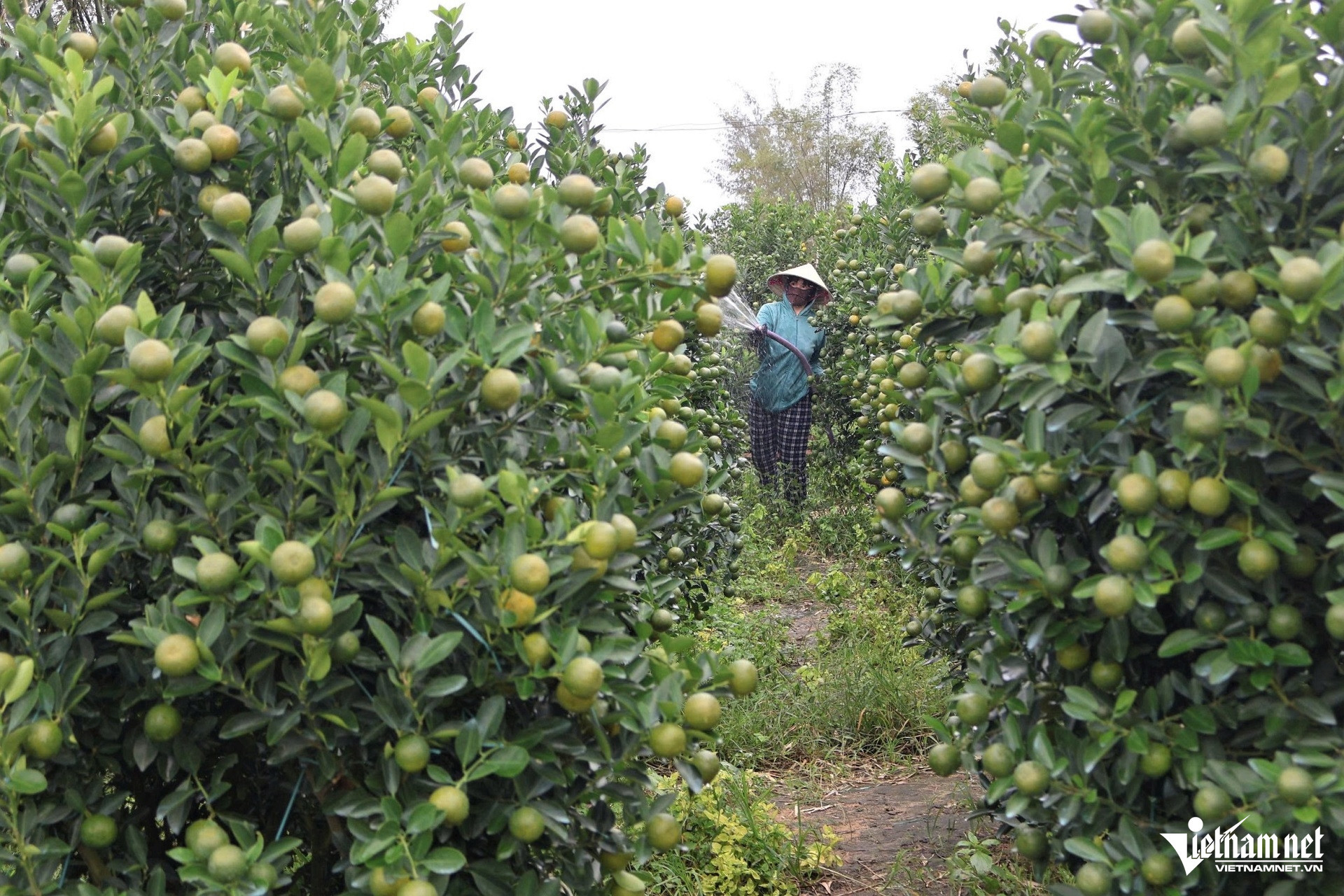
Farmers in Da Nang enter the Tet season battling disease and erratic weather.
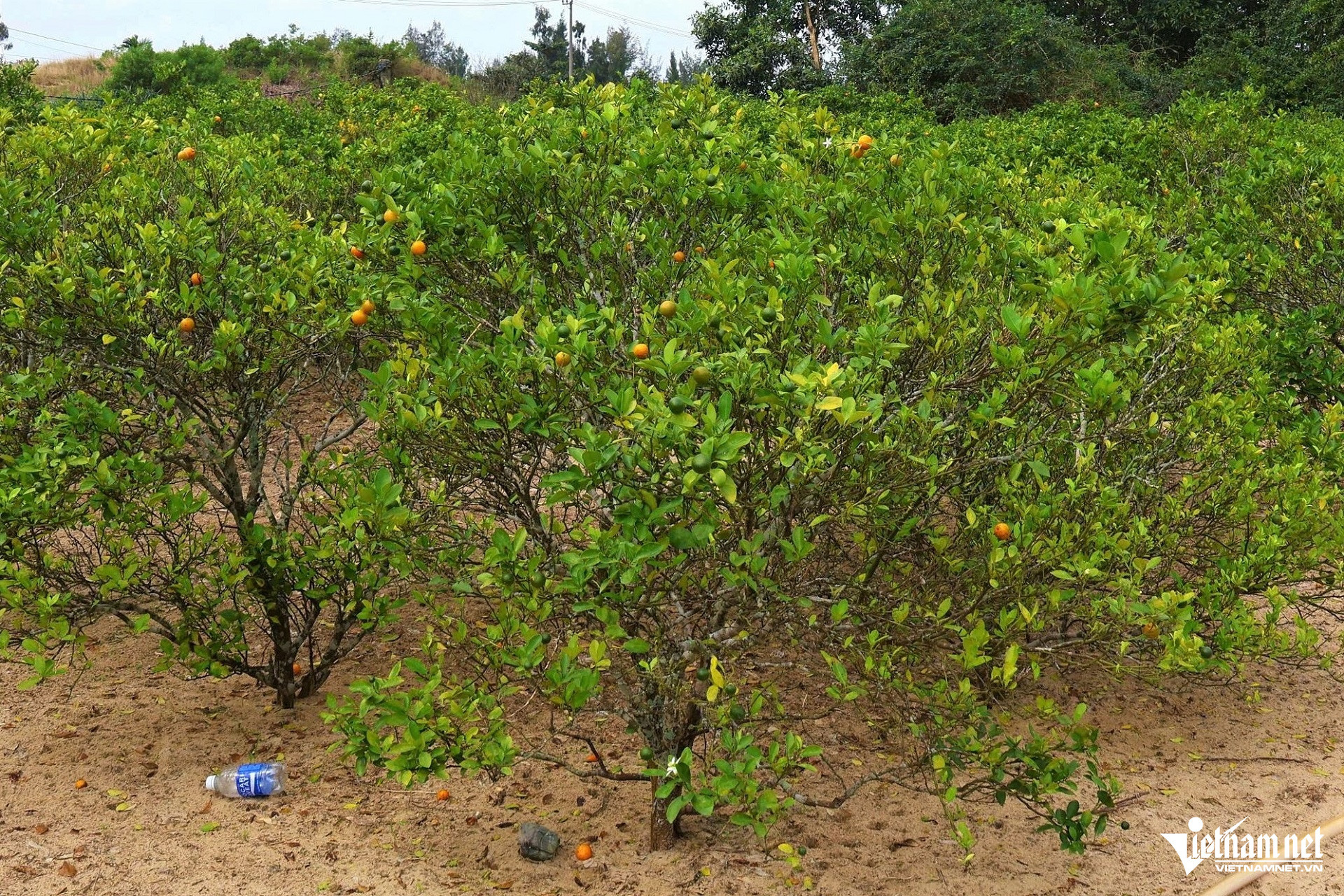
Nguyen Thi Thanh Van, who manages nearly 2,000 kumquat pots, said many of her trees suffered from root rot and yellowing leaves after being submerged during the floods. The current cold, damp conditions have slowed growth and triggered aggressive fungal outbreaks.
“Even if the trees still look green, a bit of sunshine can cause mass fruit drop or leaf yellowing. Kumquats are extremely delicate. If the trees don’t meet standards, fail to bear fruit, or drop their leaves close to Tet, we lose everything,” she said.
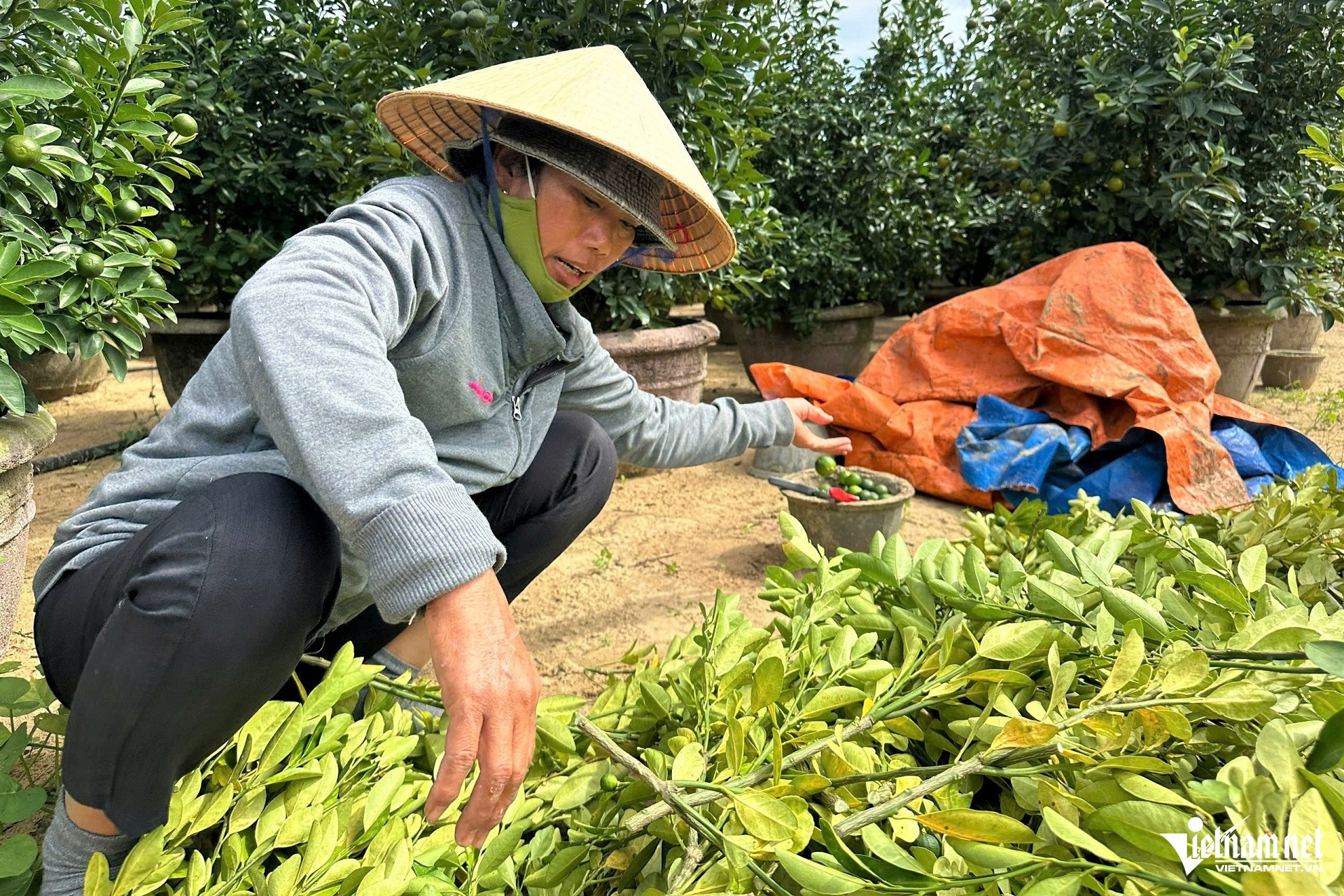
Sharing similar struggles, Nguyen Viet Kien said his family had invested in over 1,000 large pots and 5,000 mini kumquat trees for the Tet market. The recent flooding caused more than 50 million VND (about 2,100 USD) in damages due to extended waterlogging.
“Half of our trees had already been reserved by regular buyers from Quang Tri, Hue, and the Central Highlands,” Kien noted. “But because of the cold, wet weather, the trees are growing slowly and getting sick. We’ve had to constantly monitor and treat them.”
Nguyen Thanh Trung also reported comparable losses. This year, he planned to bring 1,000 pots to market, but October’s heavy rains damaged over 20% of the trees.
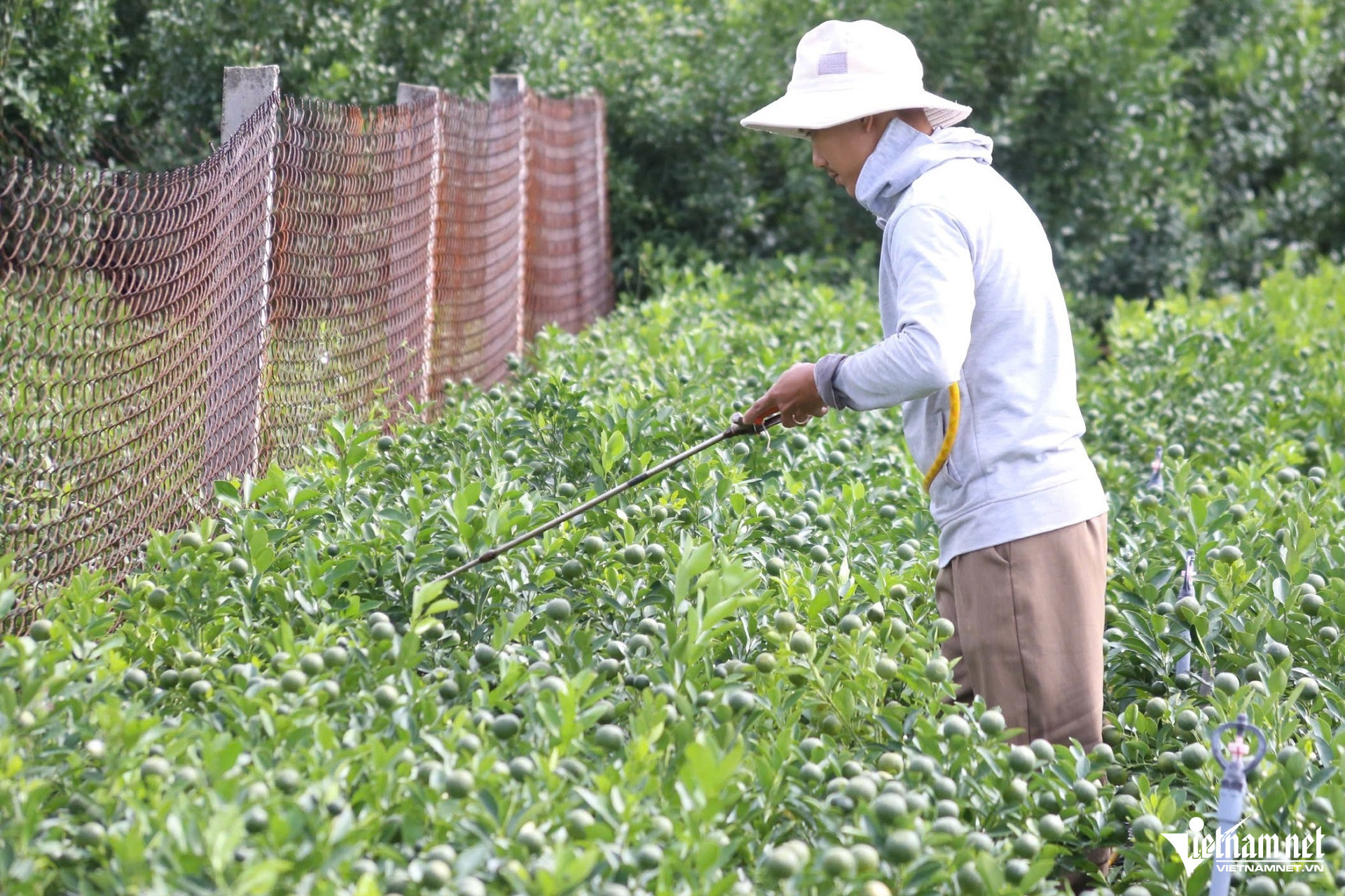
Trung said the affected trees had to be pruned and nursed back from scratch, while the healthier ones were being treated daily in the hope of recouping some income during the Tet season.
According to Nguyen Viet Nam, a grower with over 20 years of experience, 2025 has been among the most difficult years ever. While nearly 60% of his trees have already been pre-ordered, the persistent poor weather has stunted their development and increased disease risk.
“Fertilizer, pesticides, and pot prices have all gone up, raising costs, while only about half the trees meet quality standards. If the bad weather continues, I could lose hundreds of millions of dong,” he warned.
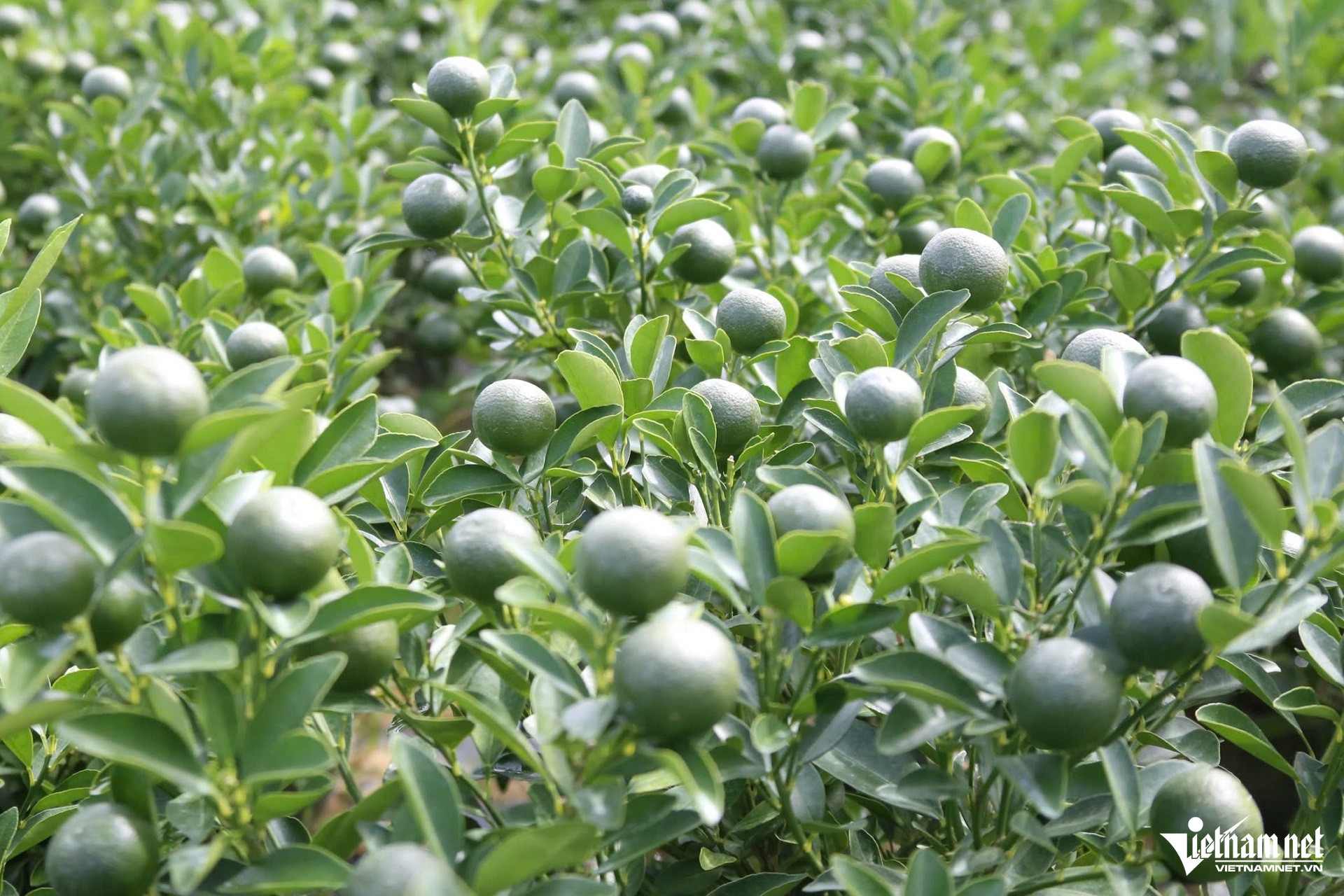
Many gardens have begun recovering, with fruit maturing evenly after the floods.
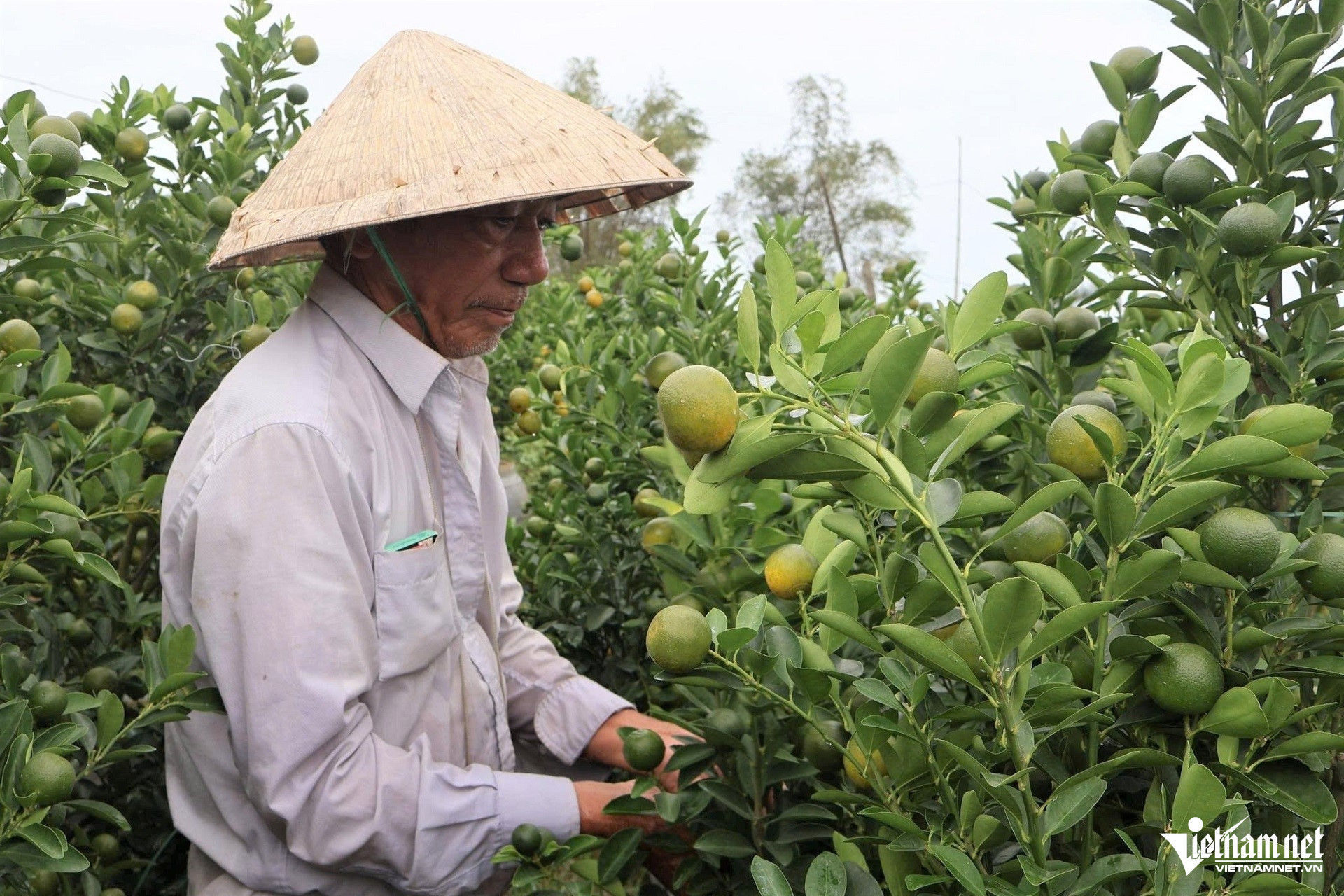
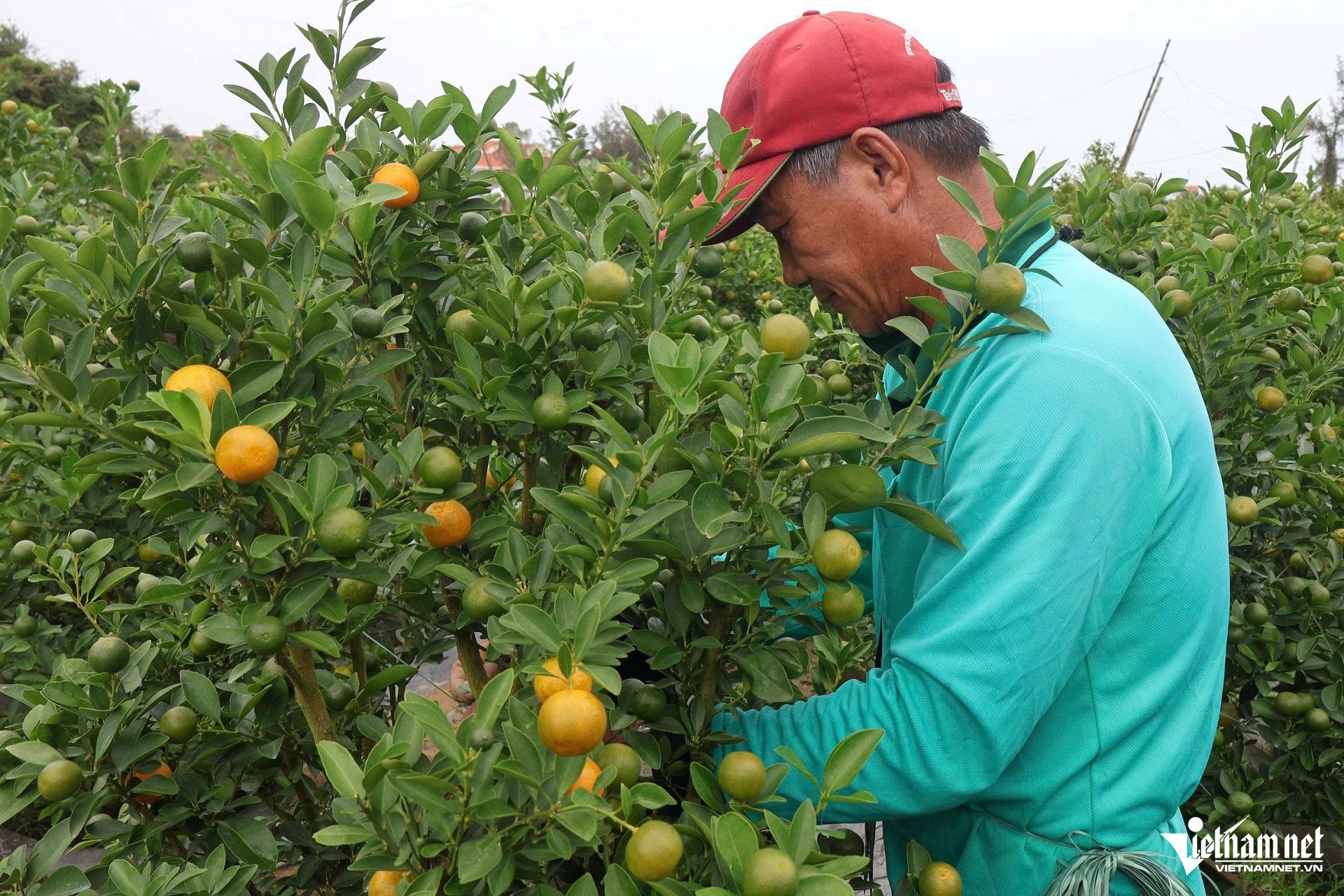
Speaking to VietNamNet, Do Thi Bich Thuy - Deputy Head of the Department of Economics, Infrastructure, and Urban Development of Hoi An Tay Ward - shared that the ward is home to over 500 households cultivating ornamental kumquats.
Initial surveys show that around 90,000 potted kumquats have been seriously affected, along with 120,000 in-ground trees - amounting to approximately 60% of the entire kumquat cultivation area - suffering damage or signs of stress from storms and unfavorable weather.
“We’re continuing to tally the damages for city-level reporting while deploying agricultural experts to guide farmers on care techniques. Our goal is to minimize losses this Tet and prepare better for the upcoming planting season,” Thuy said.
Ha Nam
.svg)
