 Vietnamnet.vn

 Podcast



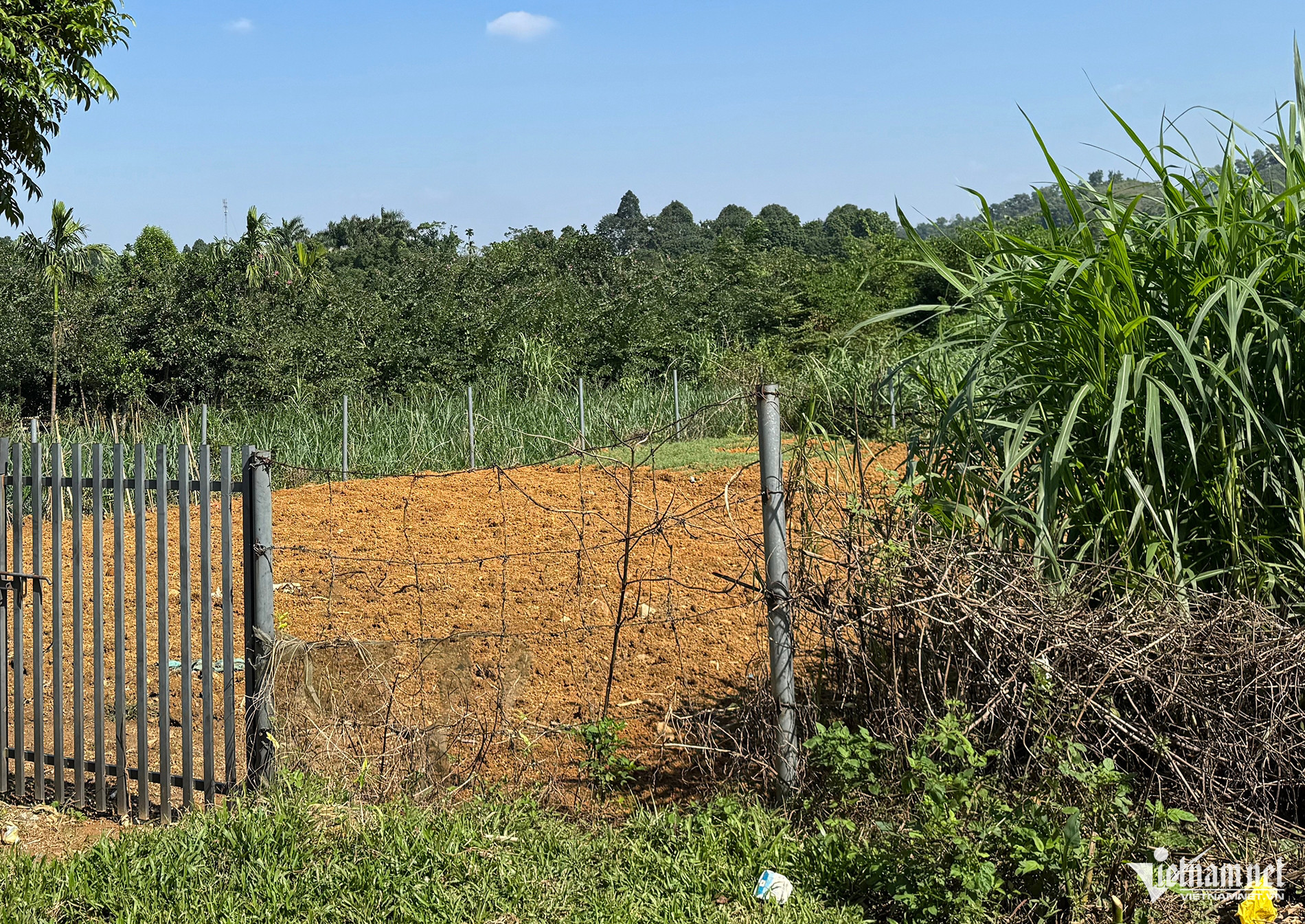
As property fever fades, the prospect of rapid price gains disappears, while geographic distance becomes a barrier that leaves their capital stuck.
In 2022, Hung, an investor from Hanoi, decided to pour over VND2 billion into a plot of land in the former Binh Dinh area. At the time, brokers claimed that as infrastructure developed, land values would surge sharply, potentially offering "a fourfold return."
To date, however, the land remains unsold, while Hung incurs ongoing travel expenses and time commitments.
Hung said that because the property is far from Hanoi, he has to fly there whenever he needs to handle land-related procedures. Each trip means additional expenses for airfare, accommodation and meals, as well as time away from work. Costs that seem minor have become significant after repeated trips.
He cannot inspect the plot's condition regularly. Were the property closer to his residence, checking site conditions, monitoring surrounding developments, and tracking local market news could be handled far more easily. With an asset hundreds of kilometers away, everything proves inconvenient.
This was a factor Hung had barely considered before investing. During the market boom, he focused mainly on the expectation of price appreciation without fully considering the challenges of managing the asset after purchase.
He has also struggled to use the land as collateral to raise funds for his business because of travel costs, property valuation procedures and the complexity of completing the necessary paperwork.
Late last year, Hung cut his asking price by VND500 million, but still has not received any serious inquiries.
Thang, another investor stuck with a property in Van Phong, said liquidity had fallen sharply after the market boom ended. Prices once pushed up by brokers and investors no longer reflected actual transaction conditions.
According to Thang, chasing a booming market can generate substantial profits but can also leave capital “buried” for years. He has asked several brokers to market his property and is willing to take a loss of nearly VND1 billion, but has yet to find a buyer.
During real estate booms, many Hanoi investors bought land plots in other localities, putting money into short-term property bets in markets far from home such as Quy Nhon, Nha Trang and Da Lat. At the time, geographic distance appeared less important because investors expected to buy and resell quickly for a profit.
When the market cooled, the disadvantages became increasingly apparent. Investors living far away have less ability to keep track of developments, understand actual transaction prices or reach potential buyers directly. When they want to sell, they largely have to rely on local brokers for valuation, finding buyers and negotiating deals.
To exit their investments, they may have to make deep price cuts, offer high brokerage commissions or continue accepting that their capital will remain buried for years.
Nguyen Quang Thanh, a real estate broker, said investing in markets far from where one lives can create opportunities but also carries risks related to information, property management and liquidity, particularly for short-term investors.
During a sluggish market, real estate can become more difficult to sell. Investors still have to bear brokerage, travel and management costs, as well as financing expenses if they use financial leverage.
Thanh said investors need to clearly determine whether they are pursuing a long-term strategy or short-term trading and develop an exit plan from the moment they make the investment.
Before putting money into a property, buyers should personally inspect the area, assess infrastructure and legal status, check actual transaction prices and demand for housing, and calculate whether they can withstand the property remaining unsold for six to 12 months or longer, rather than relying solely on a scenario of rising prices.
For individual investors with limited experience, choosing areas closer to home, with genuine liquidity and easier management, can help significantly reduce risk.
Duy Anh
.svg)
