 Vietnamnet.vn

 Podcast



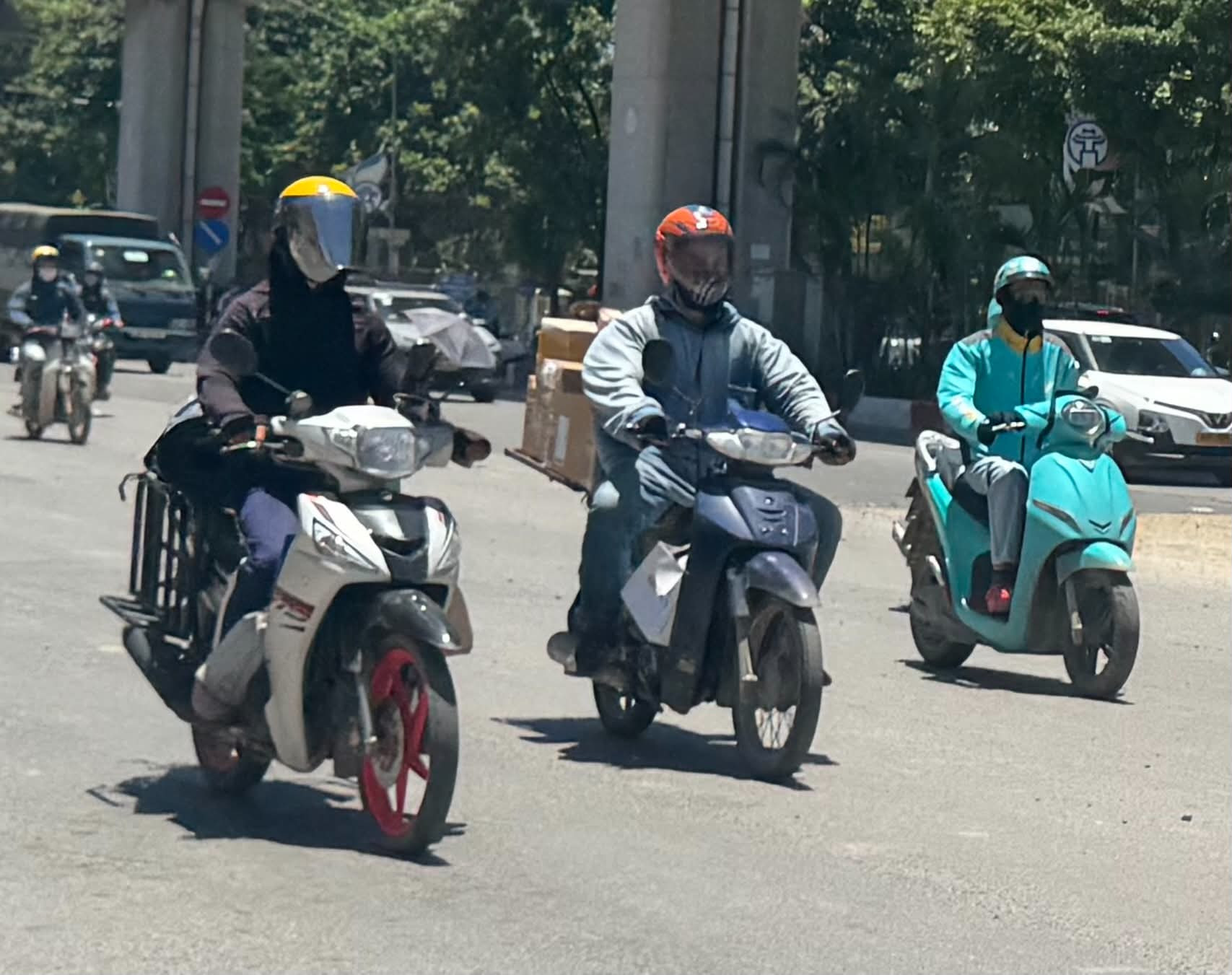
His story was shared at a national workshop on August 14, where findings from a study assessing the impact of climate change on the health of self-employed outdoor workers were presented by the Vietnam Medical Association.
S. graduated from university and previously worked in import-export. After setbacks in his personal life and business, coupled with the growing financial burden of supporting his children’s education, he turned to ride-hailing.
What began as a side job to supplement his income gradually became his family’s main source of earnings.
Because his income depends on the number of trips completed, spending more time on the road generally means earning more. He starts around noon and often works until late at night, averaging 10-12 hours and traveling about 150 kilometers a day.
“On extremely hot days, I have to keep riding in high temperatures. Sometimes I become dizzy, lightheaded and dehydrated, but I still try to finish the trip,” he said.
On many days, intense heat is followed by heavy rain. Roads become slippery and traffic more hazardous, often when his body is already exhausted after hours of outdoor work.
Over time, pain in his back, neck, shoulders and joints has become increasingly pronounced, while his physical endurance has declined.
Health impacts becoming increasingly apparent
At the workshop, experts presented findings from a study conducted over more than two years by Professor Nguyen Van Kinh, Standing Vice President of the Vietnam Medical Association, and his colleagues.
The research surveyed 1,208 self-employed outdoor workers in Hanoi, Da Nang, Ho Chi Minh City and Can Tho.
The findings showed that these workers regularly face extreme heat, heavy rain, flooding and a range of other risk factors. Over a 12-month period, 95.4% had been exposed to extreme heat, 71% to heavy rain and 38.7% had experienced severe flooding.
Notably, 55.6% were regularly exposed to between six and 10 risk factors at the same time.
The group worked an average of 55.3 hours per week, with prolonged exposure accompanied by clear physical health consequences.
As many as 68.5% experienced at least one musculoskeletal symptom after a working day, while 23.7% reported respiratory symptoms, 13.1% skin problems and 12.2% digestive symptoms.
Mental health also emerged as a significant concern. The study found that 32.8% of participants showed signs of anxiety ranging from mild to very severe.
More strikingly, the proportion experiencing mental health problems rose from 20.4% among those exposed to zero to five risk factors to 54.5% among workers exposed to more than 15.
Many workers take their own precautions, including wearing hats and lightweight clothing, drinking water and resting in shaded areas to reduce the impact of extreme heat. Their ability to protect themselves, however, remains limited.
The study also highlighted gaps in social protection. Only 73.5% of participants had health insurance, while just 2.2% were enrolled in voluntary social insurance.
Phuong Thuy
.svg)
