 Vietnamnet.vn

 Podcast



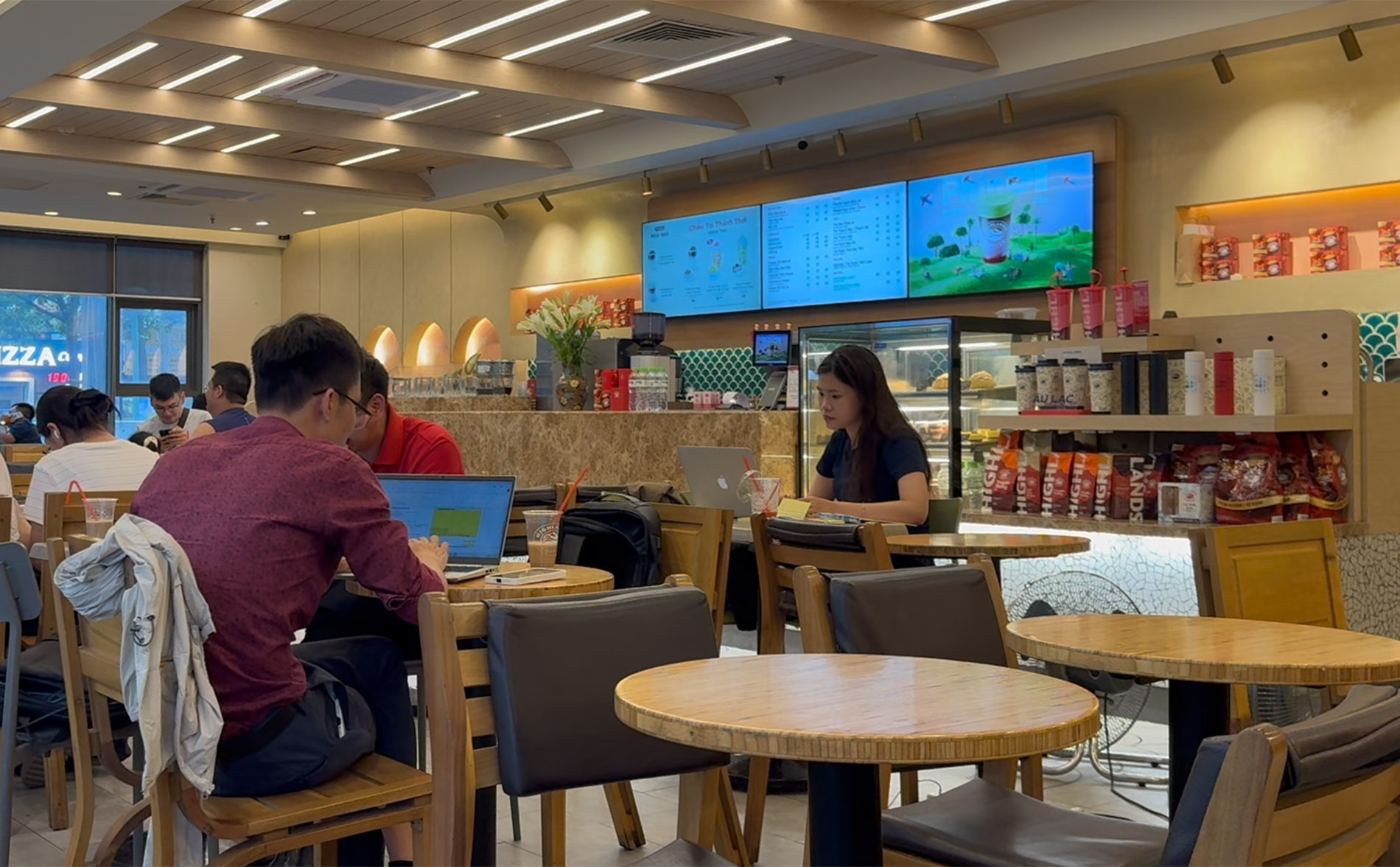
Running a coffee shop, Tuan Linh, manager of Tram Cafe (Cau Giay, Hanoi), said that he fully supports the policy on collecting music copyright fees at coffee shops and restaurants.
He said music is no longer just entertainment but has become an essential element in shaping the style, atmosphere, and identity of each venue. Using licensed music is also a way of respecting the creative efforts of songwriters and singers while contributing to a more professional and sustainable business environment.
"I support paying copyright fees. Music is an essential part of creating the cafe's character and enhancing the customer experience. If these fees help protect creators' rights, then it's the right thing to do," Linh said.
His main concern is that businesses still lack clear information about how the system will operate.
"What I'm concerned about is which organization we need to register with, what the licensing procedures are, and which platforms will be covered," he said.
Previously, the cafe subscribed to Spotify Premium and YouTube Premium, believing that these paid services provided legitimate music sources. However, after looking into the issue, Linh learned that Spotify Premium and YouTube Premium only grant users the right to listen to music for personal purposes and do not authorize commercial public performance.
He hopes to receive specific guidance soon regarding appropriate platforms or licensing formats so that businesses can properly comply with music copyright regulations.
Nguyen Ly, owner of Lac Cafe, believes that while music helps shape the ambiance of coffee shops targeting young people, it is not the deciding factor when customers choose a shop.
She said music makes the space livelier but does not dictate a customer's choice. Most patrons visit to study, work, or meet friends and partners, so the lack of music would not have a significant impact.
Ly said the shop is ready to comply with the new regulation. Investing to open a café today can cost billions of VND. Compared with total operating costs, the music royalty fee is not too large and does not affect the shop’s profit much. The important thing is to have specific, transparent guidance so businesses can easily comply with regulations.
Playing music from Spotify
Lawyer Tran Vi Thoai, director of IB Legal VietNam Law Firm, said many shop owners misunderstand that buying Spotify Premium, YouTube Premium, or Apple Music service packages is enough to fulfill copyright obligations. But in fact, these service packages only grant listening rights for personal purposes and do not include rights for use in business activities.
When a café or restaurant plays music for customers, music becomes part of the business service, contributing to revenue, so the establishment still must pay royalties under the Intellectual Property Law.
The lawyer also noted that this obligation has been stipulated before, and July 1 is only the date when fees are adjusted.
Under the new fee schedule, from July 1, music royalty rates at cafés and business spaces will be adjusted according to the new base salary.
For small shops about 20–30m2 in size, the cost is only around 1.7 million VND per year, equivalent to nearly 140,000 VND per month. For larger shops, fees increase with area used but do not exceed 20 million VND per year per business location.
Facing concerns about incurred costs and the risk of violating music copyright regulations, some cafés have chosen to turn off music.
Ngoc, owner of a café in Ha Dong, said the small shop mainly plays light music to create a relaxing space for customers. If playing music risks violating copyright regulations or leads to overly complicated procedures, the shop is ready to stop playing music. Many customers come to the shop to find a quiet space, enjoy coffee and work rather than to listen to music, he said.
Duy Anh
.svg)
