 Vietnamnet.vn

 Podcast



A spiritual anchor for Vietnamese people
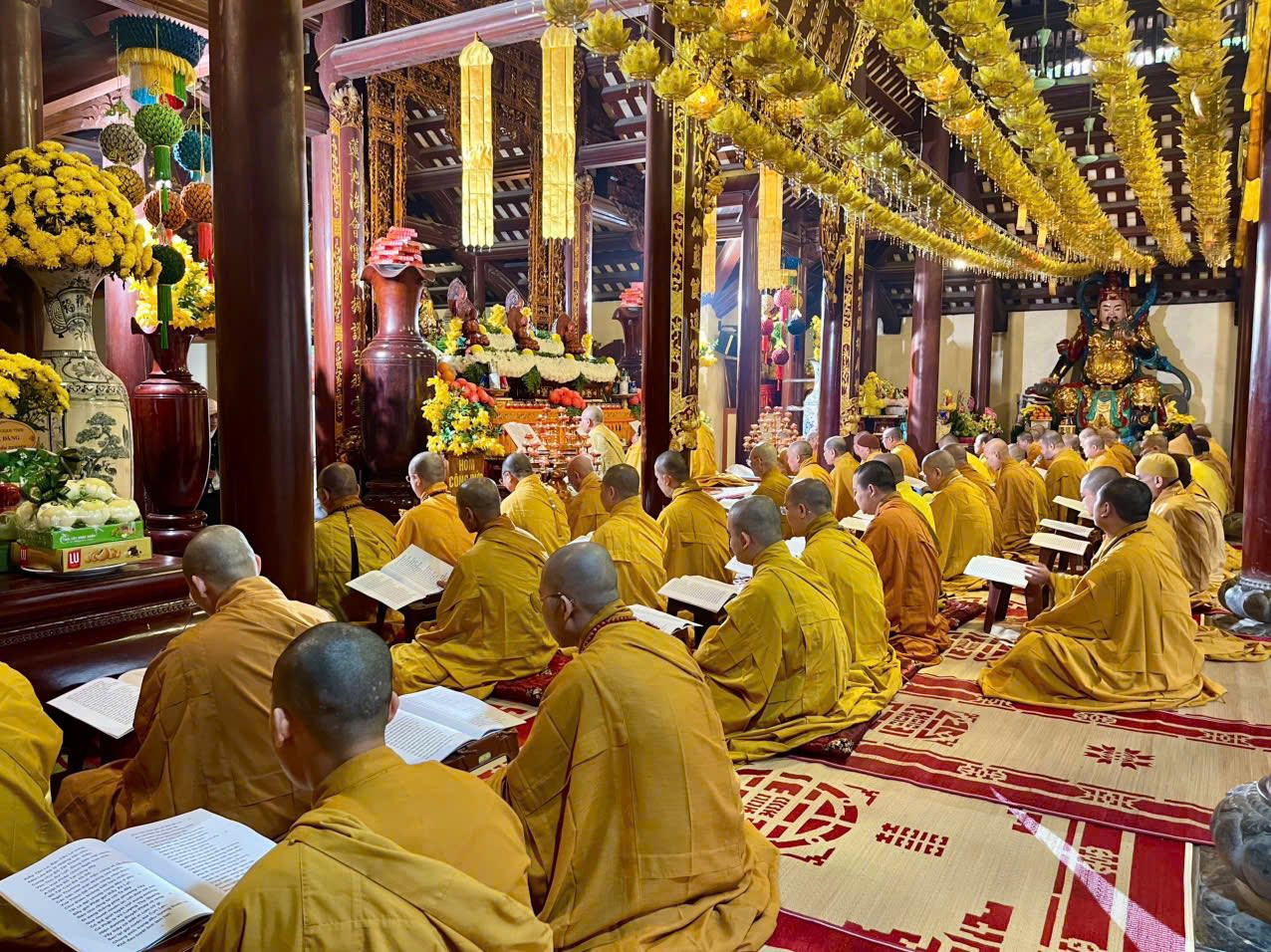
Monks and nuns at Lien Tri Pagoda in Kieu Phu Commune, Hanoi, perform a full-moon ceremony with devotion.
Every Vietnamese person carries within them the memory of a homeland - the place where they were born and raised, where the soul and its most beautiful memories are nurtured.
And in that homeland stands a pagoda, shaping a unique cultural and spiritual space.
Vesak season is a time for people to reflect on that enduring cultural source.
Vietnam is home to more than 18,000 pagodas and Buddhist establishments nationwide, along with around 14 million Buddhist followers.
Buddhism is the country’s largest religion and has accompanied the Vietnamese nation throughout its long historical journey.
Every year, as Ashoka flowers bloom and summer arrives, Buddhists across the country solemnly celebrate the birth of the Buddha.
More than 2,500 years ago, the Buddha came into a world filled with suffering and uncertainty to show humanity the path toward inner transformation and the building of happiness from within one’s own heart.
In the solemn atmosphere of Vesak season, the colorful Buddhist flags at pagoda gates, the sound of temple bells echoing through the afternoon and streams of worshippers offering incense have become familiar and beautiful images in Vietnam’s spiritual and cultural life.
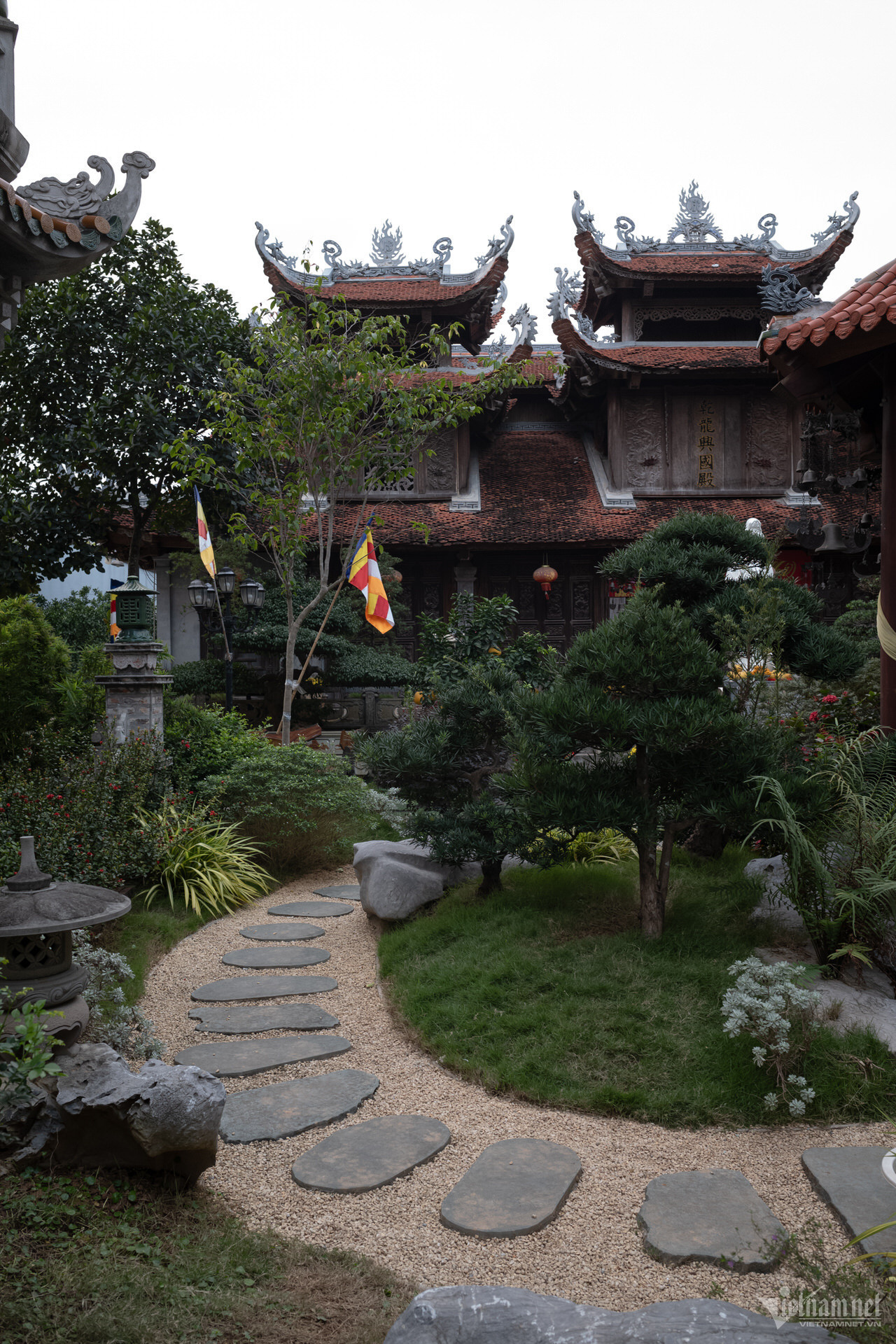
Ngau Pagoda, formally known as Hung Long Tu, in Yen Nguu, Hanoi.
Reflecting on the influence of Buddhist philosophy and the role of pagodas in community life, scholar Le Quat once wrote in Dai Viet Su Ky Toan Thu: “Buddhism only speaks of fortune and misfortune to move people’s hearts, yet people believe in it deeply and enduringly. From nobles to ordinary people, all are willing to give away their wealth for Buddhism without hesitation… Wherever there are people, there are Buddhist pagodas. When abandoned, they are rebuilt; when ruined, they are repaired.”
“Entering the pagoda, the mind grows still. Footsteps slow down. Joy comes through mindfulness. Happiness feels gentle.”
Pagodas accompany people throughout their lives. They are symbols of community and strong spiritual anchors for generations.
In Vietnamese life, Buddhism exists not only through pagodas, bells or rituals, but also through ways of thinking, living and practicing compassion.
Buddhism entered Vietnam through the daily lives of ordinary people. Wherever there are people, there are pagodas, making the temple an indispensable cultural institution.
Under the pagoda roof, Buddhists are taught to avoid wrongdoing, practice kindness, show filial piety to parents and help those in need.
These teachings form the most fundamental moral foundation for becoming a decent human being.
Pagoda roofs quietly preserve warmth for the spiritual lives of villagers through Vesak celebrations, Vu Lan ceremonies and prayers for peace.
They nurture compassion, tolerance and a virtuous way of life.
Such activities not only help preserve traditional cultural values but also strengthen people’s connection with temples and with one another.
Through pagodas, neighborhood bonds become stronger.
Village traditions and family values are preserved across generations.
The emotional connection between people and pagodas continues to deepen over time.
A journey back to goodness
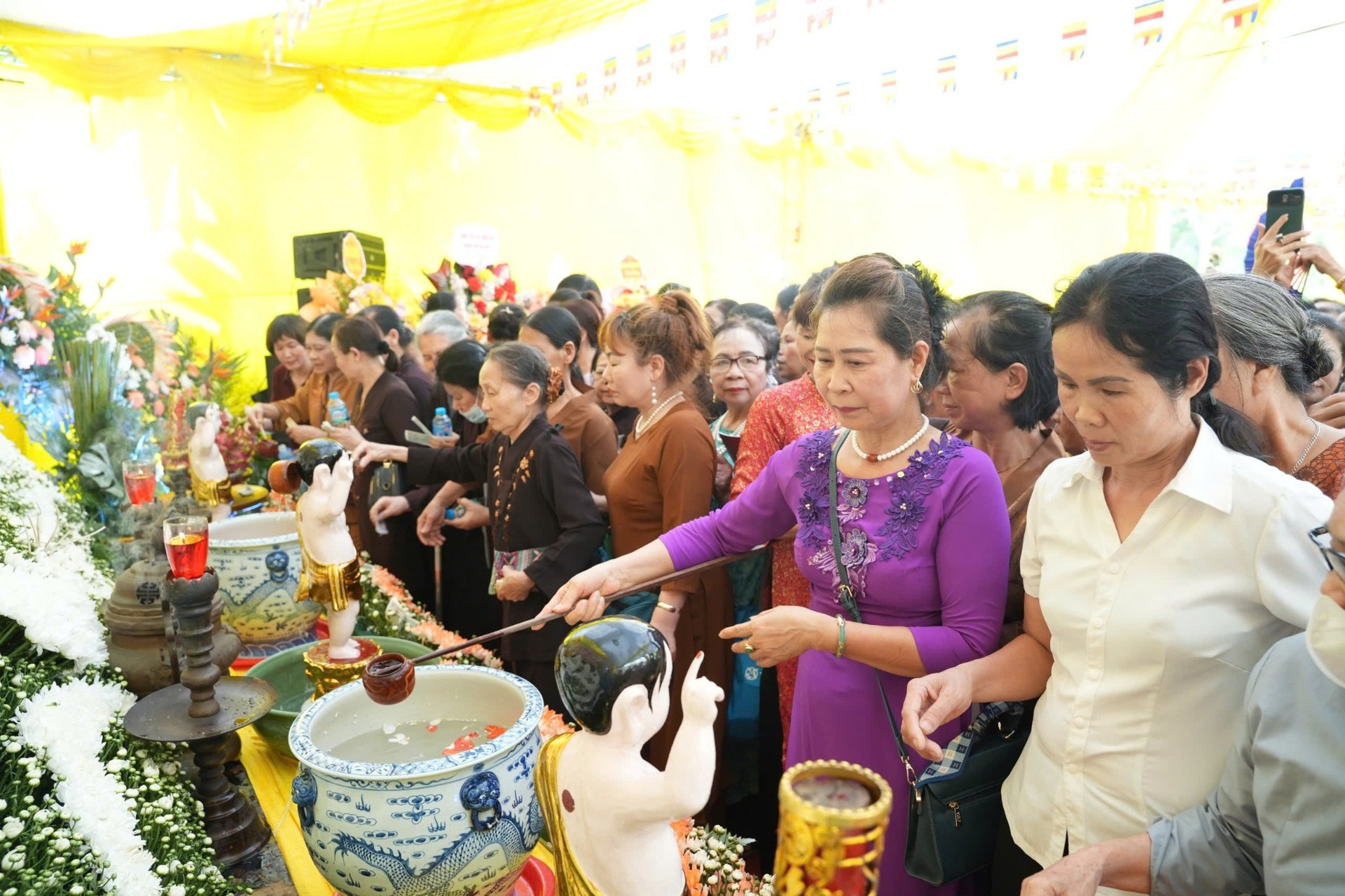
Pagodas are not only sacred places but also schools where the teachings of the Buddha permeate deeply into people’s lives.
They guide individuals along the path toward enlightenment, helping each person find inner peace while contributing to a moral and civilized society.
Speaking about Vesak during his lifetime, the late Most Venerable Thich Pho Tue, the Third Supreme Patriarch of the Vietnam Buddhist Sangha, once explained the symbolism of the newborn Buddha pointing one hand to the sky and one hand to the earth while declaring: “Above is Heaven, below is Earth, between them stands the Self.” The image reminds people to take responsibility for their own lives and karma.
Each person’s thoughts, words and actions create consequences according to the law of cause and effect.
Vesak is not only a sacred celebration for Buddhists but also an opportunity for people to slow down amid the rush of modern life, look deeply into themselves, nurture kindness and move toward humane values.
It is a chance to reflect inwardly, cleanse imperfections and cultivate seeds of compassion within the heart.
From this spirit, meaningful activities such as helping the poor, distributing charity gifts and caring for lonely people continue to spread throughout communities.
Vesak thus becomes a season of love and humanity.
A season in which the Buddha is reborn within each of us every day.
Hong Phuc
.svg)
