 Vietnamnet.vn

 Podcast



At the invitation of New Zealand Governor-General Cindy Kiro, Party General Secretary and President To Lam is paying a state visit to New Zealand.
The visit carries special significance as it marks the first time a Vietnamese leader serving concurrently as Party General Secretary and President has made a state visit to New Zealand. It is also the first visit by a key Vietnamese leader since the two countries upgraded their relationship to a Comprehensive Strategic Partnership in February 2025.
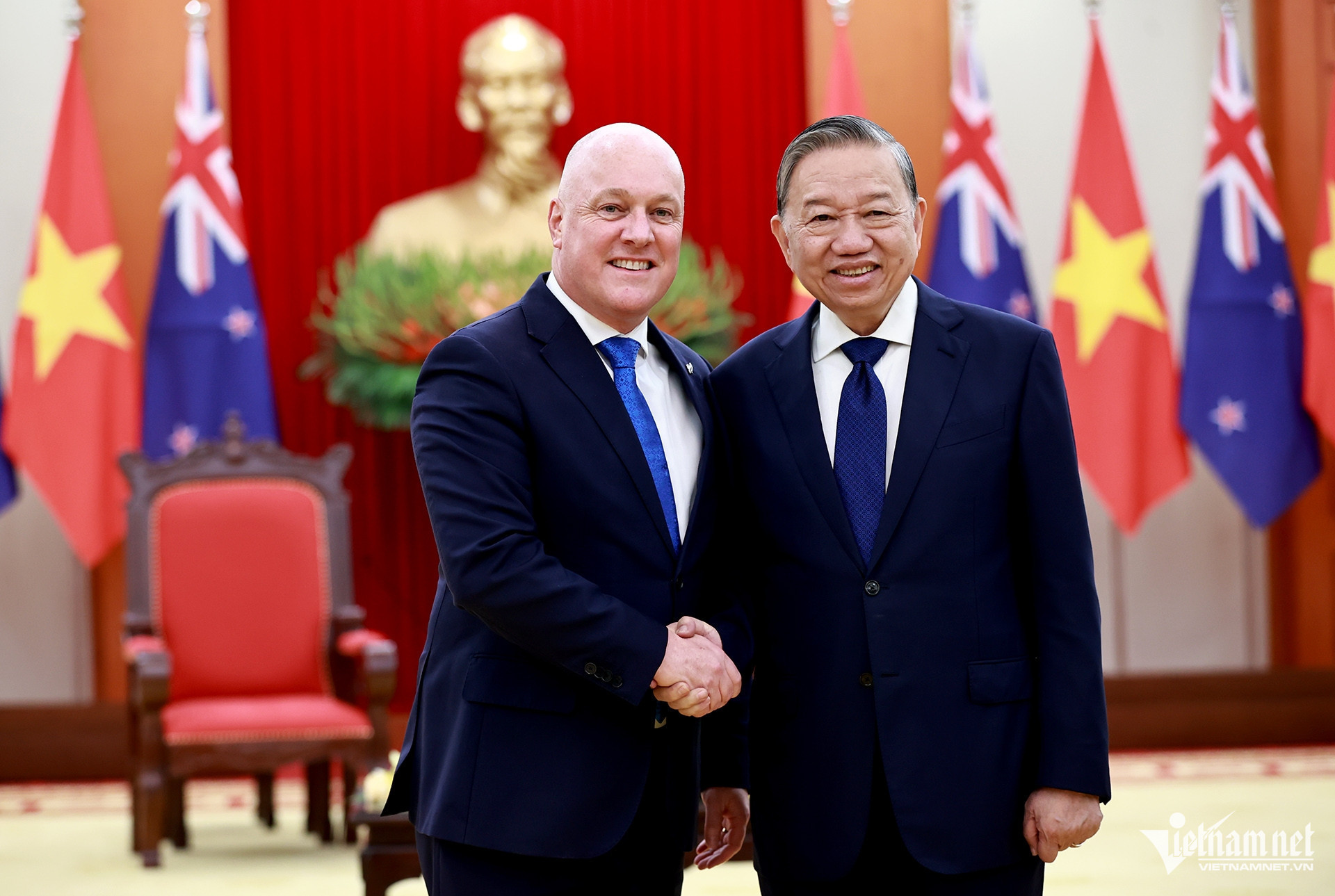
The visit reaffirms Vietnam’s consistent policy of attaching importance to relations with New Zealand, a friendly partner with significant potential and many shared interests with Vietnam in the South Pacific. It also represents an important milestone in advancing the Vietnam-New Zealand Comprehensive Strategic Partnership in a stronger, more substantive and effective manner in the new period.
Deputy Minister of Foreign Affairs Nguyen Manh Cuong said that throughout more than 50 years of diplomatic relations, the two countries have steadily built a solid foundation for their bilateral ties.
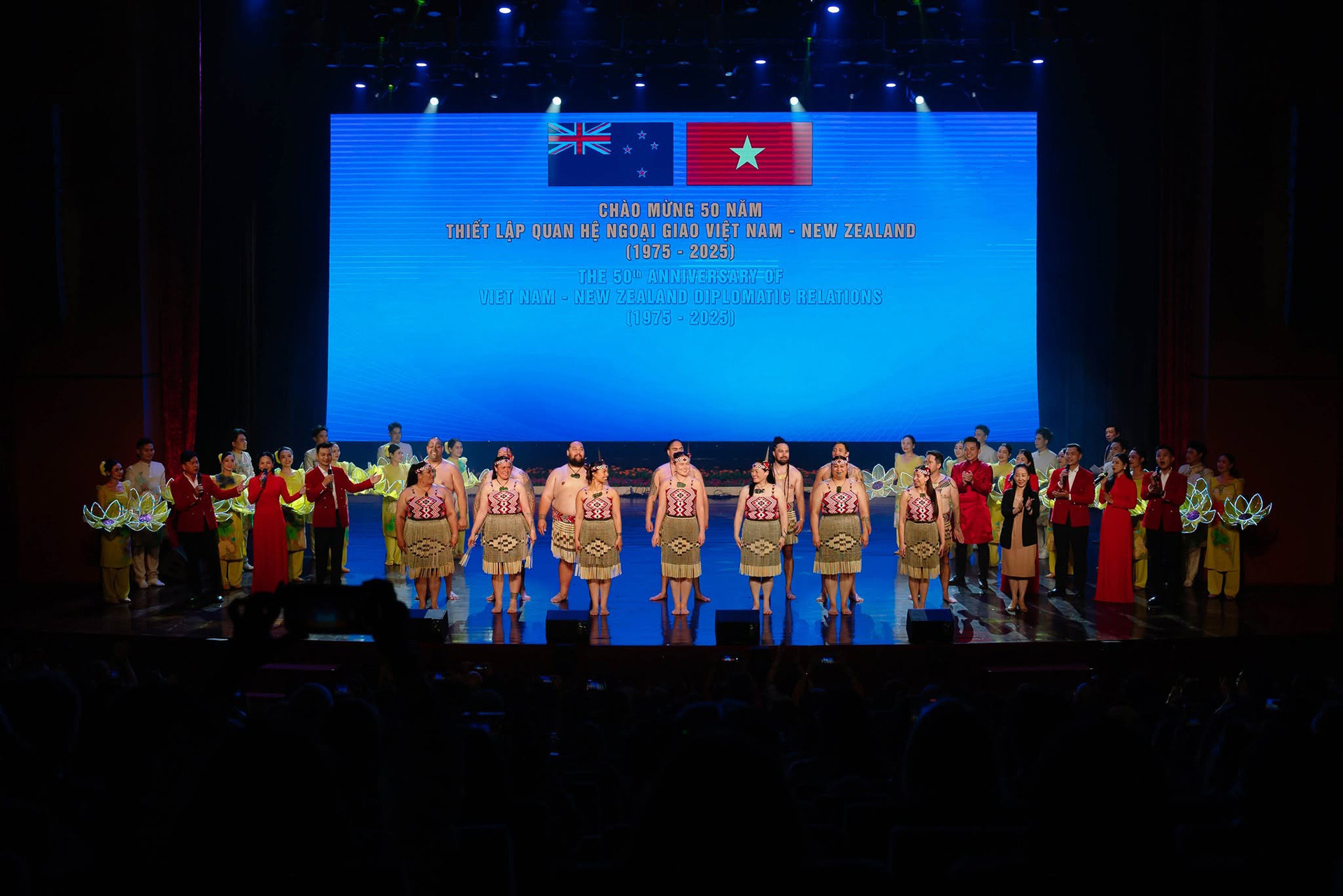
In 2025, as they celebrated the 50th anniversary of diplomatic relations, Vietnam and New Zealand decided to elevate their relationship to a Comprehensive Strategic Partnership. The two milestones occurring in the same year reflected the “maturity” of the relationship and the trust cultivated over generations.
The visit also comes as Vietnam enters a new stage of development, with priorities including high-quality human resources, high-value agriculture and green growth.
These are areas in which New Zealand has leading expertise and a strong reputation, and the two countries are already cooperating effectively in these fields. At the same time, both sides recognise that considerable untapped potential remains and should be more vigorously explored in the years ahead.
The visit therefore aims to deepen the relationship and make it more substantive. The two sides will seek to advance concrete cooperation in education, agriculture, trade and sustainable development, helping translate political commitments into tangible benefits, programs and projects that serve each country’s development goals while contributing to peace, stability, sustainable development and regional resilience.
Deputy Foreign Minister Cuong said that alongside talks and meetings, the two sides are expected to hold a business roundtable and the Vietnam-New Zealand Education Forum, sign a new education cooperation agreement and conclude several other important documents.
Vietnam hopes to fully harness the complementary nature of the two economies by expanding market access for agricultural products, promoting green agriculture and creating new momentum for cooperation in education and vocational training. The target of $3 billion in bilateral trade should be regarded as a milestone within reach rather than a distant goal.
Cuong also said the two countries hope to develop new areas of cooperation alongside their traditional pillars, including science, technology, innovation, digital transformation and energy transition.
New momentum for Vietnam-New Zealand relations
The visit provides an opportunity to reaffirm the pioneering role of diplomacy in mobilising external resources for Vietnam’s development. What matters most is not the number of agreements signed, but how quickly those commitments can be translated into concrete projects, knowledge and high-quality human resources for the country.
A defining feature of Vietnam-New Zealand relations is the complementary nature of their economies, which provides considerable room for cooperation supporting the sustainable development of both countries.
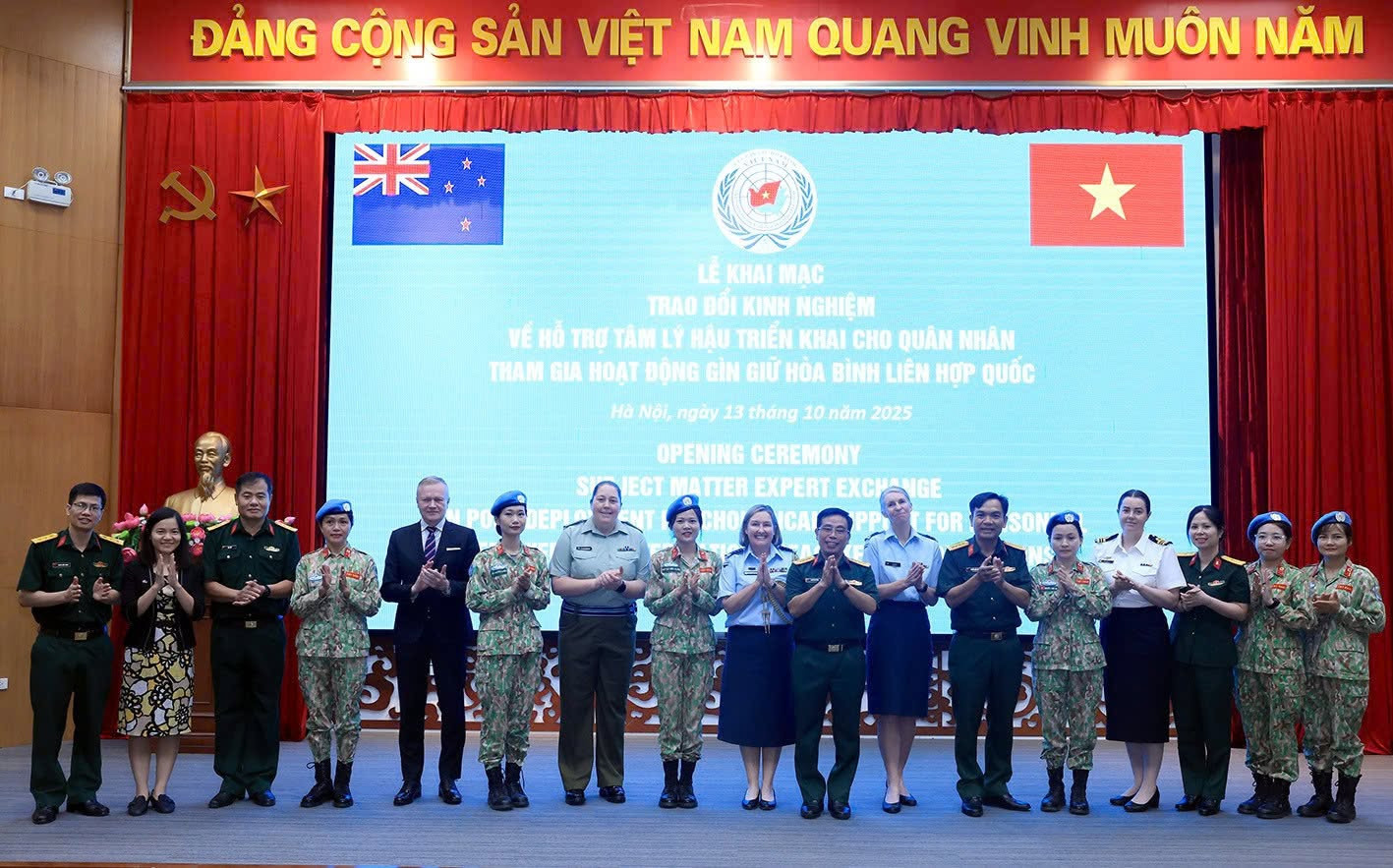
One of the most notable achievements has been the strengthening of political trust and mutual understanding. The two countries maintain high-level exchanges and annual consultation mechanisms between their foreign ministries while coordinating closely at ASEAN, APEC and the United Nations.
As coordinator of ASEAN-New Zealand relations for 2024-2027, Vietnam worked with New Zealand to promote the elevation of ASEAN-New Zealand ties to a Comprehensive Strategic Partnership, helping deepen New Zealand’s engagement with Southeast Asia.
Bilateral trade is moving towards the $3 billion target. The two sides are taking measures to reach this milestone soon by opening markets for agricultural products, removing technical barriers and making effective use of free trade agreements to which both belong, including the CPTPP, RCEP and AANZFTA. Their trade structures are largely complementary rather than directly competitive.
New Zealand has strengths in plant and animal varieties, post-harvest technology, value-chain management and low-emission agriculture. These are areas where Vietnam currently has significant needs. The two countries are expanding cooperation in smart agriculture, climate change adaptation and carbon markets in line with Vietnam’s green growth objectives.
Education has been one of the most enduring bridges between the two countries. Since the 1990s, when Vietnam was in the early years of opening its economy, New Zealand has supported English-language training for Vietnamese officials through the ELTO program. Generations of Vietnamese officials have also benefited from New Zealand scholarship programs. Cooperation has since expanded into vocational education, skills development and the training of highly qualified professionals.
New Zealand has also consistently been an effective development partner for Vietnam, focusing on areas with long-term impact such as education, human-resource development, high-tech agriculture and climate change response. The scale may not be large, but the approach has been practical and sustained.
Deputy Foreign Minister Cuong expressed confidence that Party General Secretary and President To Lam’s visit would generate fresh momentum to further deepen Vietnam-New Zealand relations.
Tran Thuong
.svg)
