 Vietnamnet.vn

 Podcast



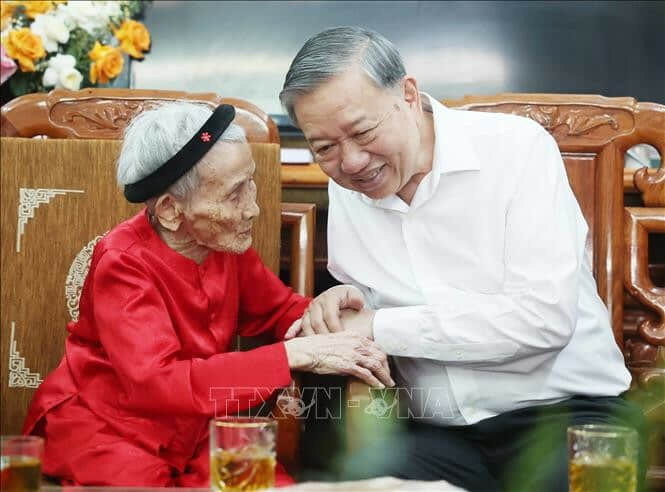
The proposal, aimed at “fighting loneliness for the elderly,” has immediately received positive feedback from the public. It is considered a humane solution, helping the elderly live joyfully and healthily, contributing to the goal of raising the average life expectancy of Vietnamese people to 80 years by 2045.
Vietnamese culture values multigenerational living under the saying “children rely on their parents, the elderly rely on their children.” Traditionally, three or four generations living together under one roof has been a cultural ideal.
However, as the country rapidly develops and integrates globally, younger generations have moved to major cities like HCMC or Hanoi for work, marrying and settling down there, while caught in the fast-paced urban lifestyle. Multigenerational households are becoming less common, replaced by smaller nuclear families with 1-2 children, often living apart from parents and grandparents. As a result, many elderly people are increasingly isolated from family life.
Vietnam currently has 16.1 million elderly people, accounting for over 16 percent of the population. It is among the countries with the fastest aging populations in Asia. The transition from an aging society to an aged society is expected to take just 17-20 years, much shorter than many other nations.
Vietnam is projected to enter the aged population phase from 2036, when the proportion of people aged 65 and older reaches 14.2 percent of the total population. It is forecasted that the number of elderly people will reach 25.2 million by 2069.
Elderly people often face multiple chronic illnesses. On average, each person admitted to the hospital suffers from 3.5 to 4 chronic conditions. The older they get, the faster the aging process and the sharper the health decline is, often accompanied by psychological changes. They may become overly emotional, rigid, withdrawn, and preoccupied with their health and personal needs.
Beyond physical ailments, loneliness is the greatest challenge for the elderly. As relatives and friends pass away, many elderly people withdraw, have limited social interactions, and face declining vision, hearing, and mobility, making it harder to connect with society. They deeply fear loneliness and isolation.
What they need most is someone to talk to, yet they are often reluctant to make new friends. As a result, the elderly experience higher rates of loneliness compared to other age groups. Loneliness not only poses risks to mental health but is also closely linked to physical illnesses and even mortality.
Over 4.3 million elderly people live alone or with children under 15 who need care support, according to the 2021 population change survey conducted by the General Statistics Office. The report also highlights a clear shift in family structure, with the proportion of elderly people living with their children and grandchildren steadily decreasing.
Global studies show that elderly people who are regularly cared for by family members tend to live longer than those who receive little attention. Therefore, younger generations should prioritize the health, mental well-being, and thoughts of their parents and grandparents. By putting themselves in their shoes, they can empathize and accept their unique traits, reducing stress in their lives. However, in reality, not everyone can achieve this positive mindset.
The state’s role
Resolution 72 sets a target to increase the average life expectancy of Vietnamese people to 80 years by 2045. To achieve this, special attention must be paid to elderly healthcare, with mental health being a critical aspect.
Whether living with family or alone, the elderly’s need for connection and closeness with their children and grandchildren never diminishes and may even grow as their health declines.
For this reason, among the many solutions proposed for the healthcare sector, Lam suggested a model to “fight loneliness for the elderly.”
While there are many pediatric hospitals at the central level, there is only one geriatric hospital. In Vietnam, only provincial-level hospitals and above have geriatric departments. In southern Vietnam, there is not a single hospital dedicated solely to elderly care. Loving and caring for children is vital, but the elderly are also a national treasure.
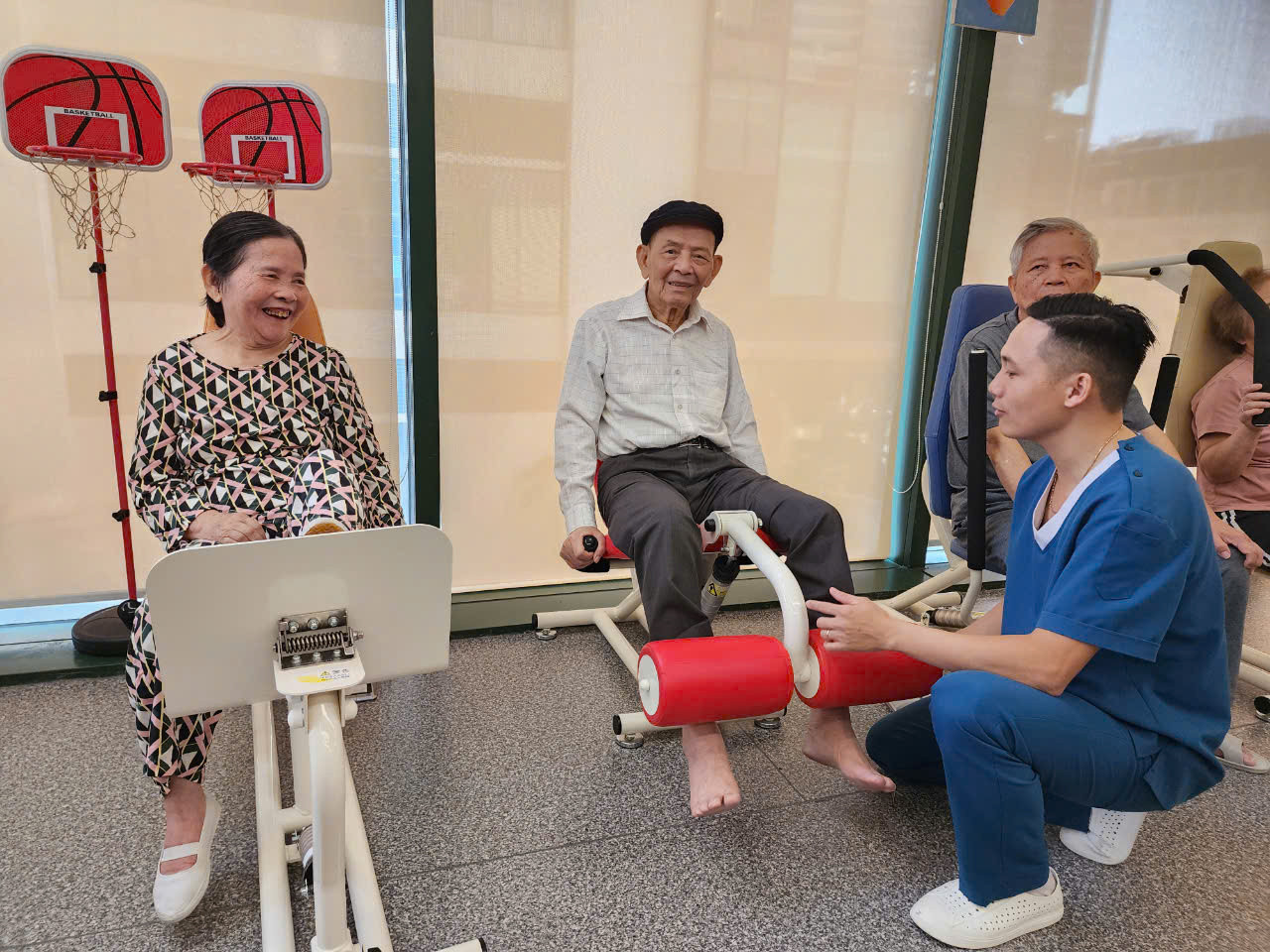
There is a need to diversify elderly care models. Elderly care centers could serve not only as permanent residences for those without family caregivers but also as day-care facilities, where older adults are picked up in the morning and returned home in the evening.
During the day, they could meet old friends and colleagues at the centers, exercise, join music or cultural activities, and enjoy an uplifting environment. In the evening, they return to their families for warmth and companionship. This would help reduce isolation while maintaining family ties.
Van Thieng
.svg)
