 Vietnamnet.vn

 Podcast



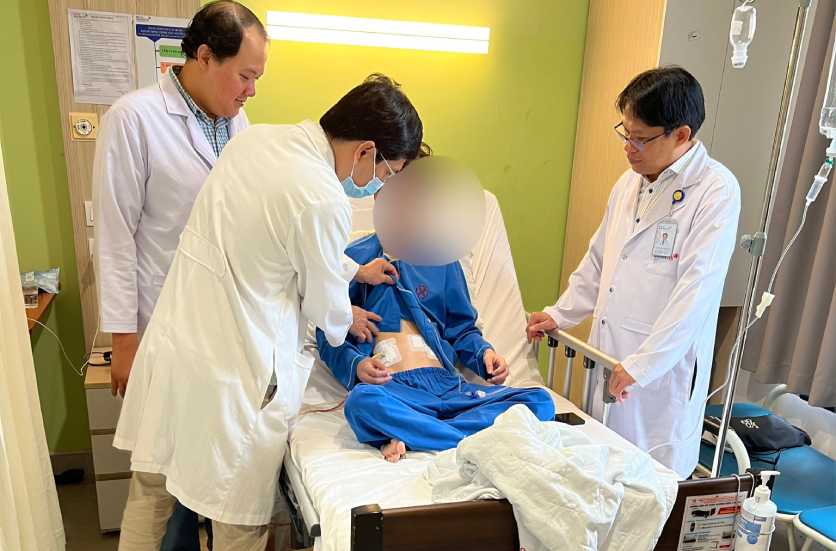
Nguyen Huy Thang, chair of the HCMC Stroke Association, said that strokes rarely occur in truly healthy individuals. In reality, many cases considered healthy are simply people who have not yet shown symptoms, rather than being entirely disease-free.
Many dangerous conditions can exist silently in the body for years without the patient realizing it. Some people only discover their blood pressure reaches 200–250 mmHg upon hospitalization. Prior to that, they felt no discomfort because their bodies had adapted to the prolonged hypertension. Similarly, some have blood sugar as high as 300–400 mg/dL but are unaware they have diabetes due to a lack of regular check-ups.
Therefore, calling these cases "healthy people" is inaccurate. Rather, they just haven't exhibited symptoms of underlying diseases.
According to Thang, to be considered truly healthy, a person needs to meet two conditions: having no abnormal symptoms and no underlying pathologies. That person must ensure the "6 Nos": No hypertension, diabetes, dyslipidemia, obesity, smoking, or other metabolic disorders.
Hospital surveys show that about 30 percent of patients are unaware of their health status. Only when hospitalized for a stroke do they realize their bodies carry multiple diseases.
Consequently, the best prevention is regular health screenings to detect underlying diseases early. Thang noted that promoting expensive stroke screening packages makes many think health checks are too costly. In reality, basic stroke risk screening is not complicated.
Prevention
Nguyen Tien Dung, Deputy Director of the Stroke Center at Bach Mai Hospital (Hanoi), said strokes were previously viewed as a disease of the elderly. However, in recent years, the stroke rate among young people has been trending upward.
Many young people believe they are still healthy, so they pay little attention to periodic health checks. Meanwhile, disease prevention programs often focus on the elderly with multiple underlying conditions.
Additionally, current lifestyles increase the risk of cardiovascular disease and stroke. Excessive eating, frequent drinking, work pressure, prolonged stress, sedentary habits, smoking, and alcohol consumption are all clear risk factors.
Furthermore, some cases are related to genetic factors. Some people carry brain vascular malformations without knowing it. These abnormalities are like "time bombs": by the time they are detected, a stroke has occurred with severe consequences. Dung recommends that from age 25 and older, everyone should know their blood pressure index and monitor it regularly.
Measuring blood pressure is very simple. People can have it measured at health stations, pharmacies, or at home using personal blood pressure monitors, which are now common in many households. According to experts, home blood pressure monitoring plays a crucial role in preventing cardiovascular diseases, including strokes.
Dung added that hypertension often causes no clear symptoms until complications occur. Therefore, many people think that if they don't feel uncomfortable, they don't need treatment. This is a misconception. The goal of treatment is to control blood pressure when the patient is still asymptomatic; waiting for clear signs may mean complications have already happened.
“Emergency doctors are only firefighters when a stroke occurs. In reality, the most important strategy is still disease prevention,” Dung said.
Statistics show that in Vietnam, about 76–80 percent of stroke patients are related to hypertension. However, the biggest difficulty in treatment lies in compliance.
Hypertension is a chronic disease that requires patients to take medication regularly and undergo long-term monitoring, not just treatment for a few days.
About 30 percent of stroke patients were previously unaware they had underlying conditions.
Nguyen Huy Thang, head of the Vascular Pathology Department at People's Hospital 115 (HCMC), said each year People's Hospital 115 receives about 20,000 acute stroke cases, averaging about 60 patients per day. During the 2026 Lunar New Year holiday, the unit received an average of 40–50 stroke emergencies daily. For the entire holiday period, the total number of cases exceeded 300.
Thang specifically noted three major risk factors: hypertension, diabetes, and dyslipidemia.
Vo Thu
.svg)
