 Vietnamnet.vn

 Podcast


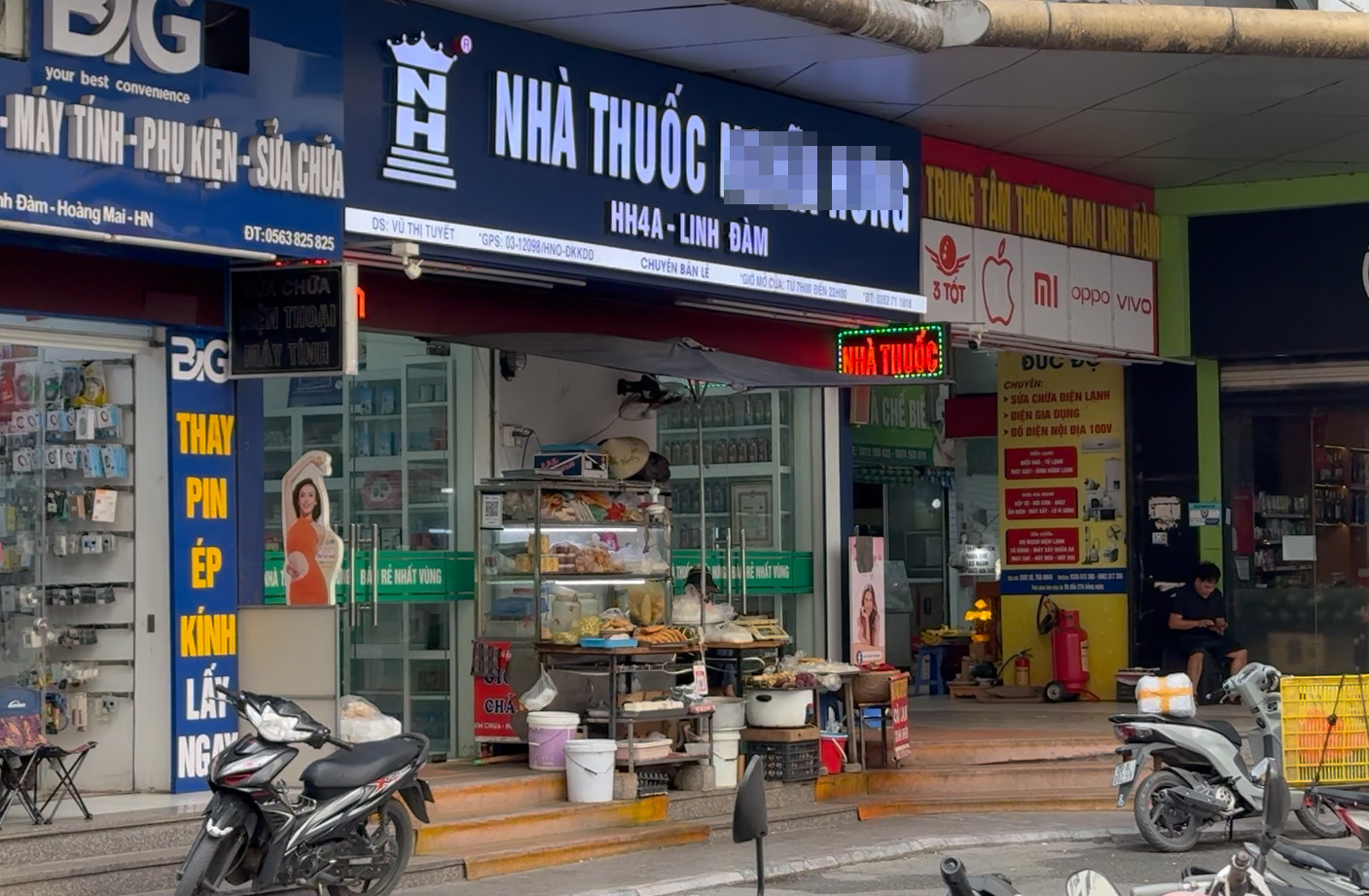
Alongside prescription medicines, consumers also purchase personal care products, medical devices and a range of over-the-counter healthcare items.
By opening multiple outlets near residential communities, pharmacy chains can reach more customers, strengthen brand visibility and make shopping more convenient.
However, the growing concentration of pharmacies also intensifies direct competition over prices, professional advice and customer service.
Vietnam's pharmacy retail market is seeing increasingly clear differences in scale among major chains.
FPT Long Chau continues to lead in network size. According to figures released at the end of June 2026, the chain operated 2,639 pharmacies nationwide.
Pharmacity, meanwhile, has returned to expansion following a period of restructuring. After reducing its network to 898 outlets in 2024, the company subsequently expanded to more than 1,100 pharmacies.
An Khang, owned by Mobile World Group, operates more than 400 pharmacies following its own restructuring process.
Hanoi's market also includes numerous medium-sized independent pharmacy networks and established local brands such as Sieu thi Thuoc Viet, Long Tam and Tue Minh.
These businesses have gradually expanded into residential neighborhoods, urban developments and areas near hospitals, adding further diversity to competition in pharmaceutical retail.
How independent pharmacies can survive growing competition
The rapid expansion of modern pharmacy chains has raised concerns that smaller independent operators could gradually lose their place in the market.
Yet observations in many residential neighborhoods show that independent pharmacies continue operating alongside major retail brands.
According to 2024 data from Rong Viet Securities, Vietnam had approximately 50,000-60,000 independent pharmacies, accounting for around 80-85% of all pharmacy outlets nationwide.
Nguyen Ngoc Hung, a pharmacy business operator, believes independent pharmacies retain distinct competitive advantages, particularly their longstanding relationships with customers.
In many neighborhoods, the person serving customers is also the pharmacy owner or a pharmacist who has worked in the community for years.
These professionals may recognize regular customers, remember the products they frequently purchase and spend more time discussing their needs when advice is required.
Such close relationships with local residents give independent pharmacies an advantage that larger chains may need considerable time to develop.
For consumers, choosing a pharmacy is not simply a matter of finding the lowest price.
When purchasing products directly related to their health, customers also value professional credibility, clear explanations and confidence in the person providing advice.
Another advantage of independent pharmacies is operational flexibility.
Owner-managed stores can reduce certain administrative expenses, adjust their product ranges to match local demand and make business decisions more quickly.
Large pharmacy chains, by contrast, must maintain extensive management systems, standardized operating procedures and staffing structures across their networks.
In established residential communities, independent pharmacies also benefit from loyal customer bases.
Someone who has purchased medicines from the same pharmacy for years may continue returning if satisfied with the service, even when a major chain opens nearby.
However, Hung acknowledged that independent pharmacies are facing mounting competitive pressure.
Large chains are increasingly investing in pharmacist training, customer service, loyalty programs and omnichannel retailing, potentially narrowing the differences between traditional pharmacies and modern networks.
To retain customers, independent operators need to prioritize the quality of pharmaceutical advice, ensure medicines come from reliable sources, comply with professional regulations and manage inventories effectively.
Adopting technology for sales management, monitoring expiration dates and maintaining customer relationships could also help smaller pharmacies strengthen their competitiveness in an increasingly crowded market.
Duy Anh

