 Vietnamnet.vn

 Podcast



Located at 211 Nguyen Thai Hoc Street in Ho Chi Minh City’s Ben Thanh Ward, the Pho Museum spans over 800 square meters and offers a full 60- to 75-minute experience that blends cultural storytelling with culinary delight. The museum has been officially authorized by the Ho Chi Minh City Department of Culture and Sports with the mission of preserving and promoting pho as part of Vietnam’s national intangible culinary heritage.
Divided into three themed floors, the museum takes visitors through a curated path that ends with a steaming bowl of pho, served in an immersive dining space.
Right from the entrance, visitors are greeted by the warm scent of cinnamon and star anise - the soul of a good pho broth. On the second floor, a screening room plays cinematic-style films that trace pho’s journey from humble street carts in northern Vietnam to its present-day status as a global culinary ambassador.
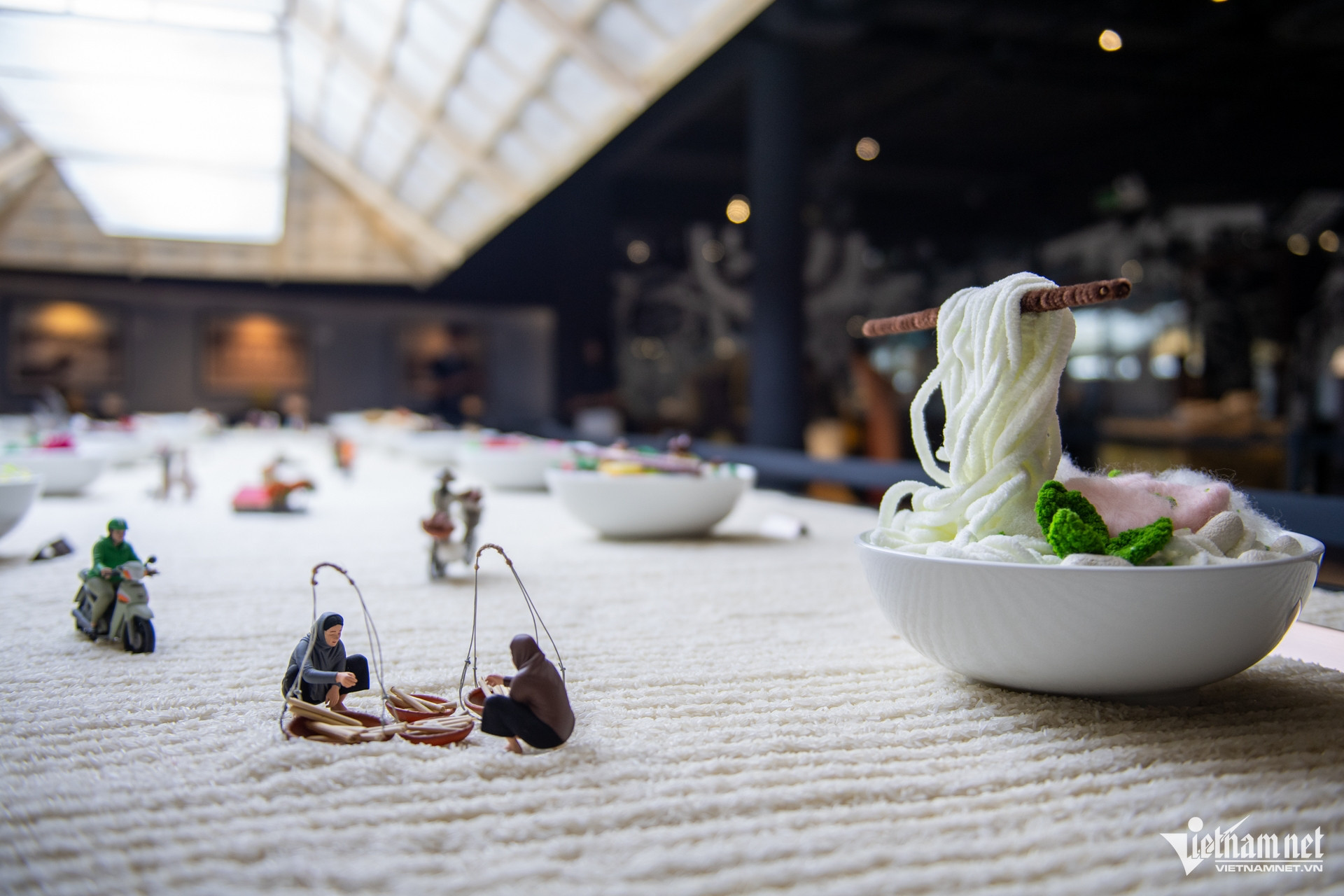
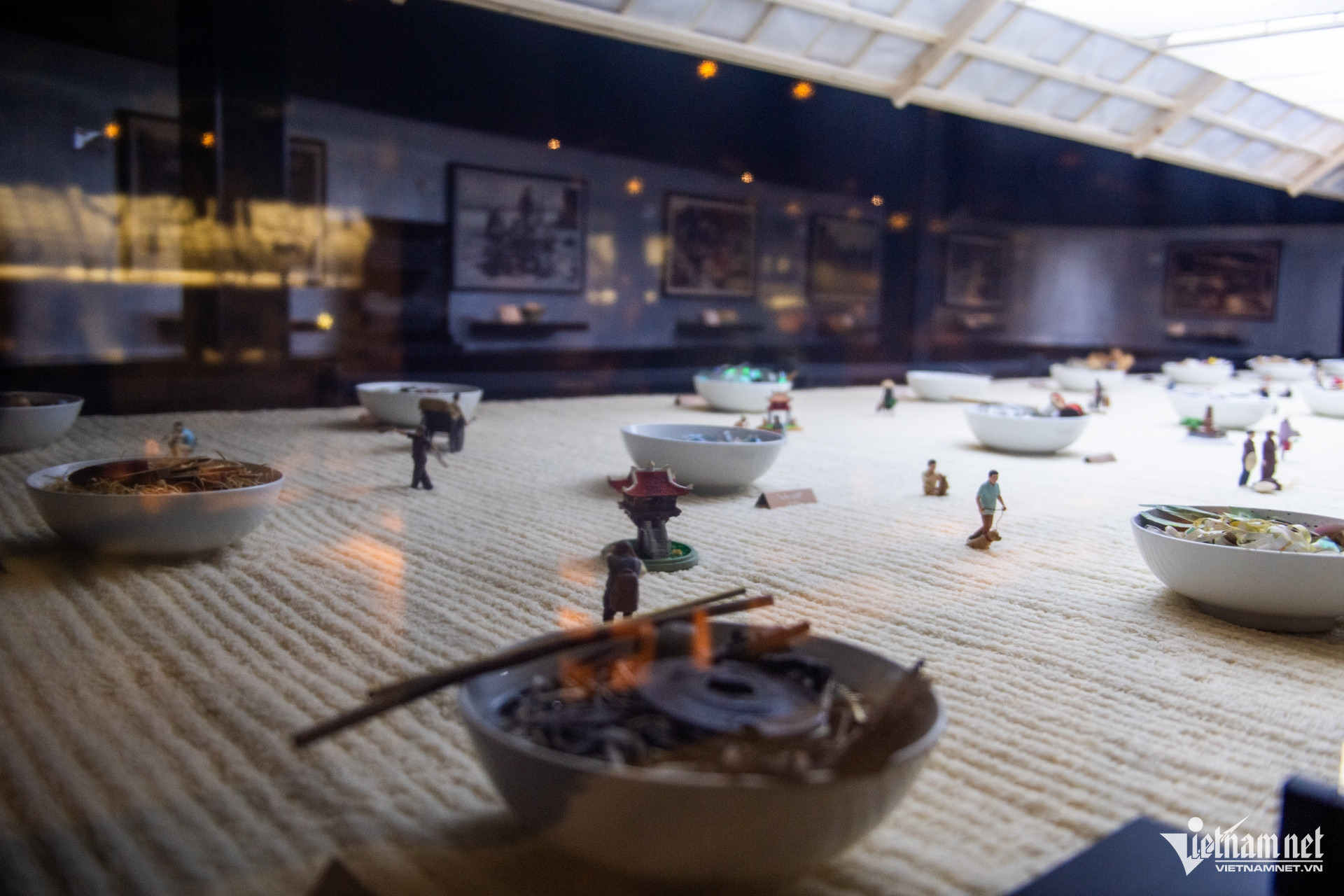
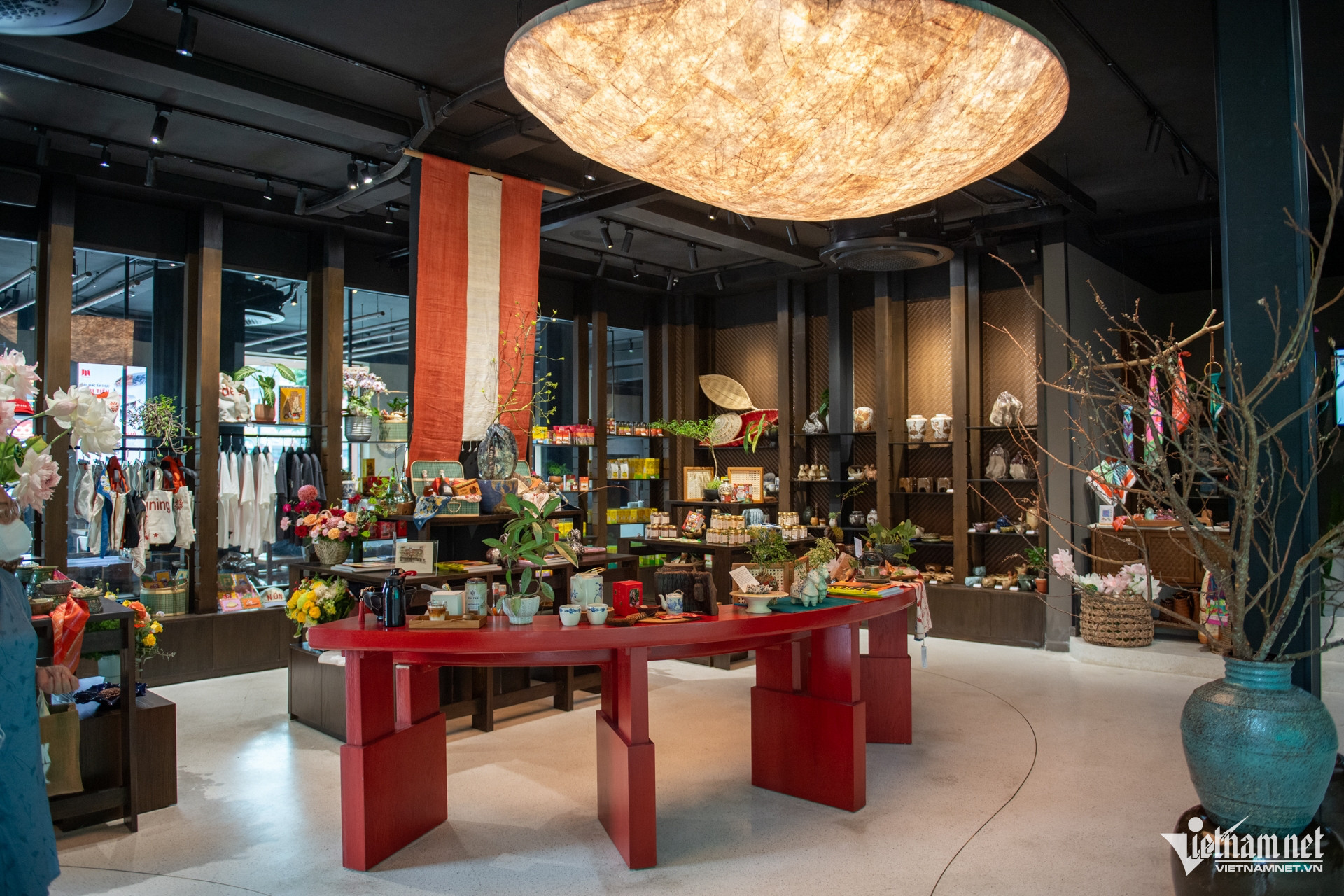
Throughout the museum, more than 200 documented and licensed artifacts are on display. These include century-old objects, rare photographs, and archival materials that explore how pho has evolved across Vietnam’s three main regions - North, Central, and South. Some of the exhibits are contemporary reinterpretations by young artists, with creative pieces made of LEGO or yarn.
Lecturer and culinary researcher Le Dieu Linh, who visited the museum just before its official opening, said the space aligns closely with her academic interests.
“I was impressed by the layout, the artifacts, and especially the interactive zones,” Linh said. “The experience deepened my understanding of pho and strengthened my desire to see it recognized by UNESCO as part of the world’s intangible cultural heritage.”
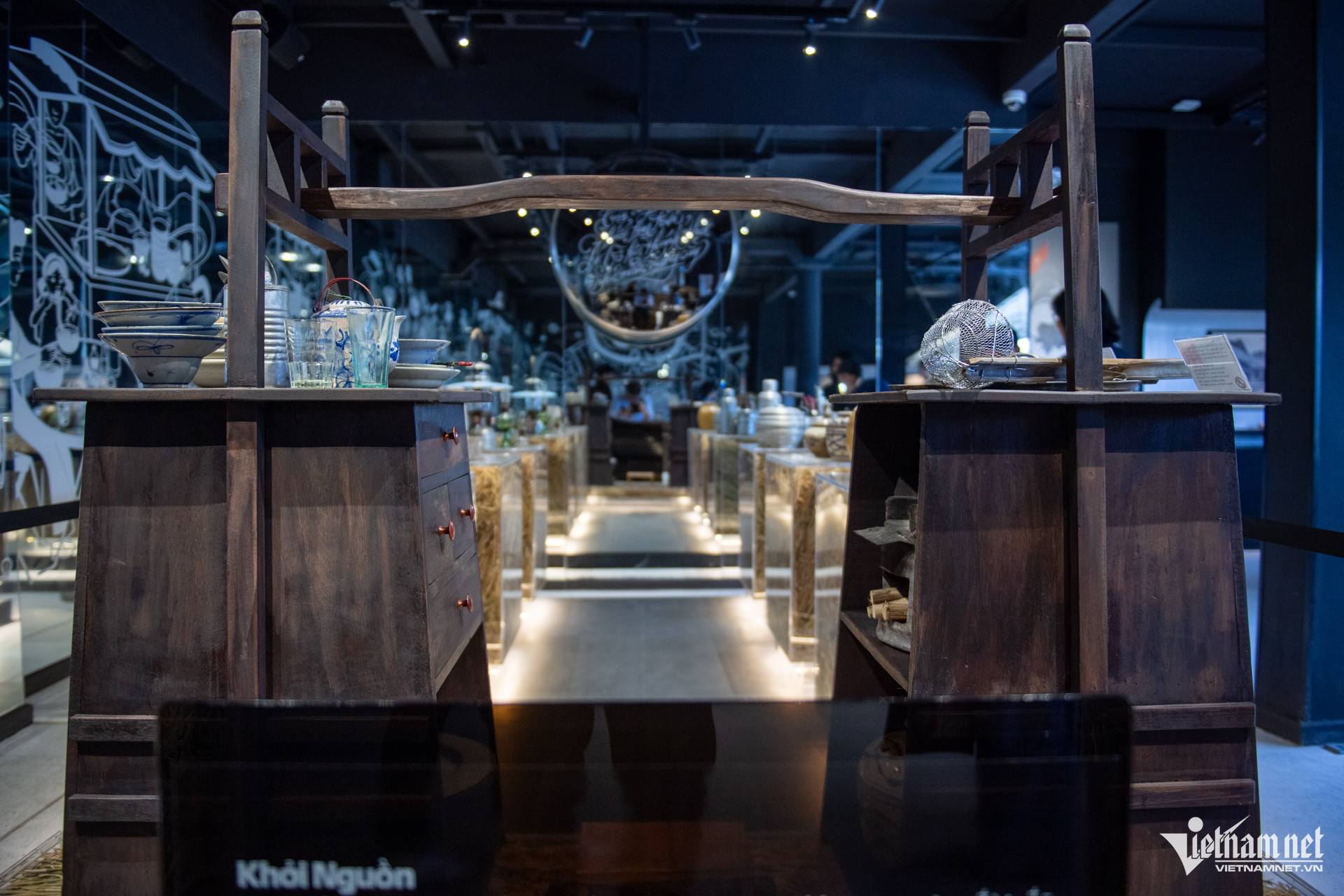
The museum also reconstructs the world of traditional pho-making, from the wooden carts and dictionary entries that first documented the word “pho,” to utensils like stone grinders, giant stockpots, and even a star anise flower recreated for display.
After soaking in the history on the second floor, guests are led to the first floor to dine. Here, large video screens project images that enhance the atmosphere, simulating what it might feel like to enjoy pho across various settings and time periods.
The kitchen operates in an open layout, allowing diners to watch every step of the preparation process - from broth pouring to bowl assembly - with strict hygiene practices observed by staff at all times.
Each bowl served includes rice noodles, rare beef slices, brisket, tendon, meatballs, and a side dish of simmered short ribs. “The flavor lived up to my expectations,” said customer Ngo Thi Tu Van after trying the dish.
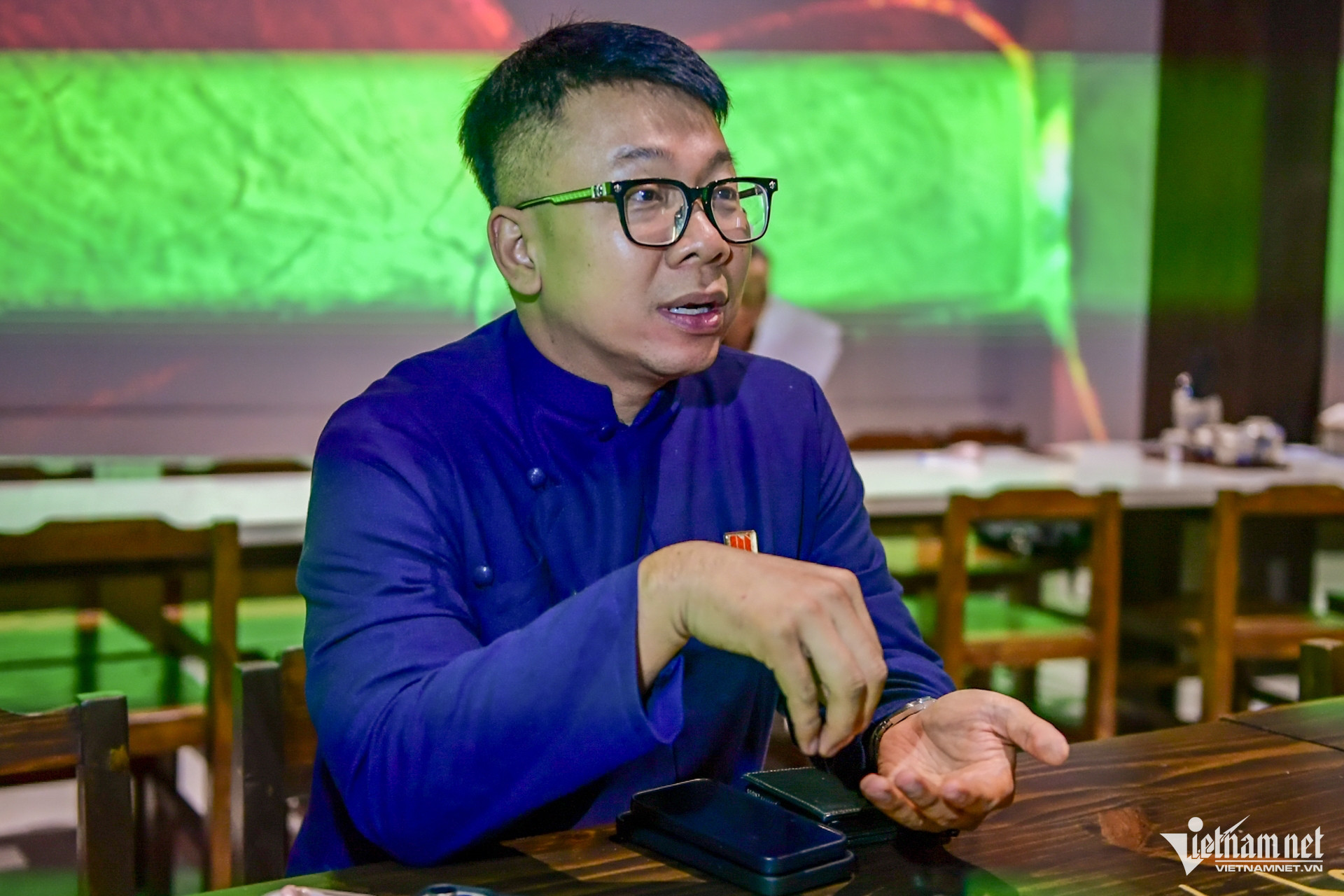
According to co-founder Le Nhat Thanh, the idea for the museum had been brewing for years. He and his team drew inspiration from global culinary museums, spending over a year traveling across Vietnam to collect materials. The project took two years in total to complete.
“Our goal is to tell pho’s story in a new way, especially for younger generations,” Thanh said. “We want them to understand where it came from - and why it matters.”
The Pho Museum is open daily from 8:00 a.m. to 9:00 p.m., including during Tet holidays. A full tour package - including guided experience, pho tasting, and a souvenir - is priced at approximately USD 30 for adults and USD 20 for children. Visitors can also opt to dine without touring, with bowls priced between USD 5 and USD 11.
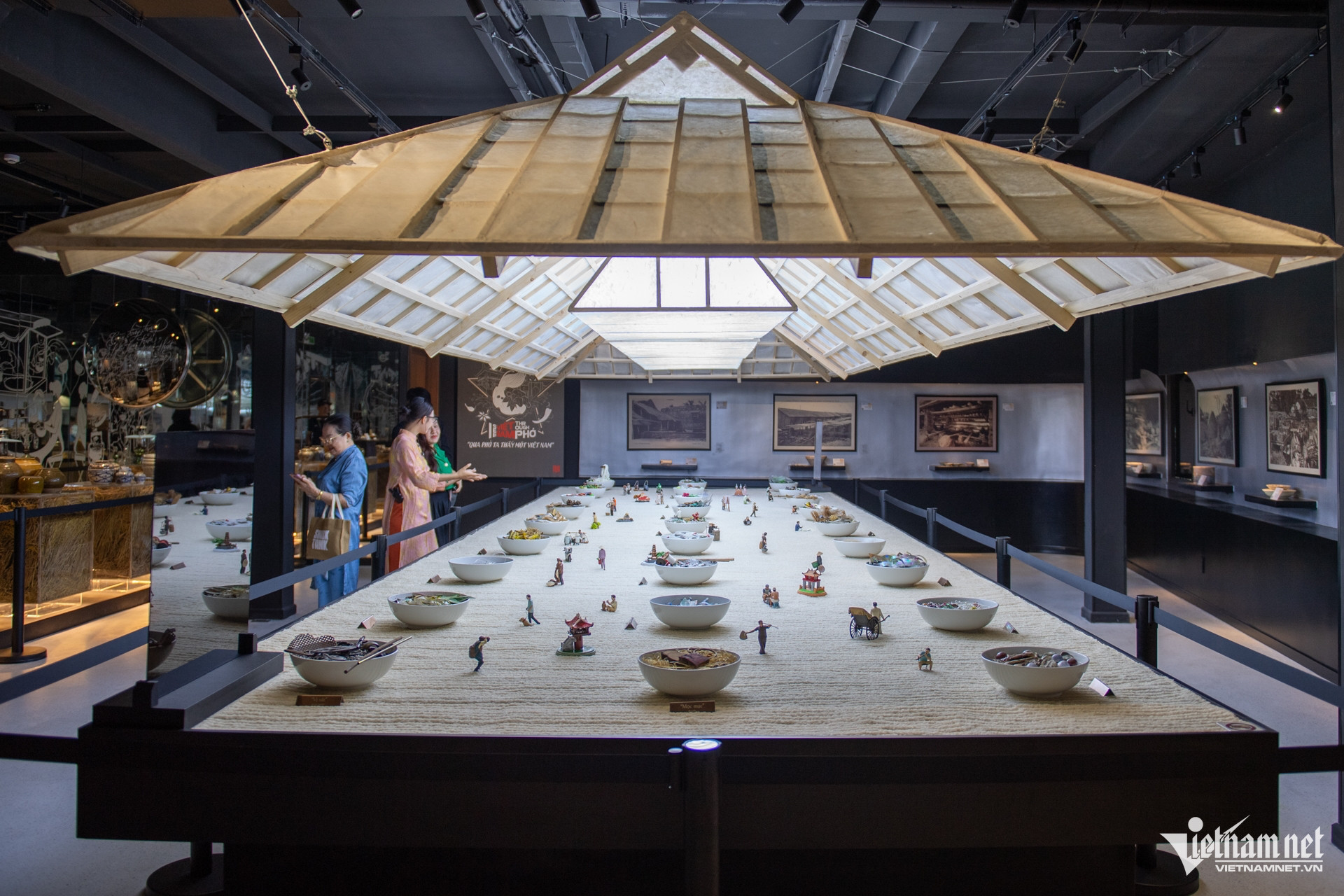
Visitors are welcomed by the aromatic notes of cinnamon and star anise upon entering
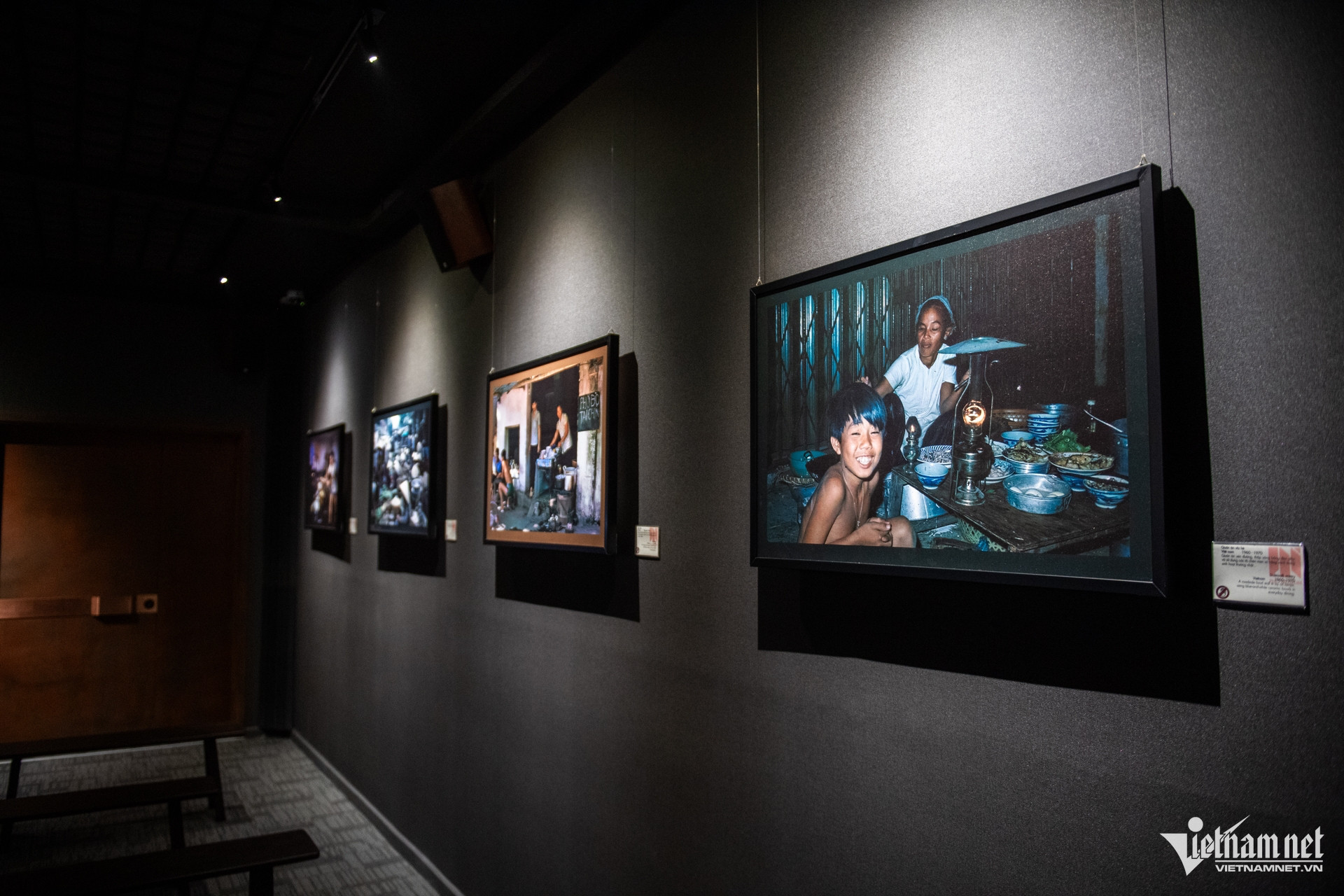
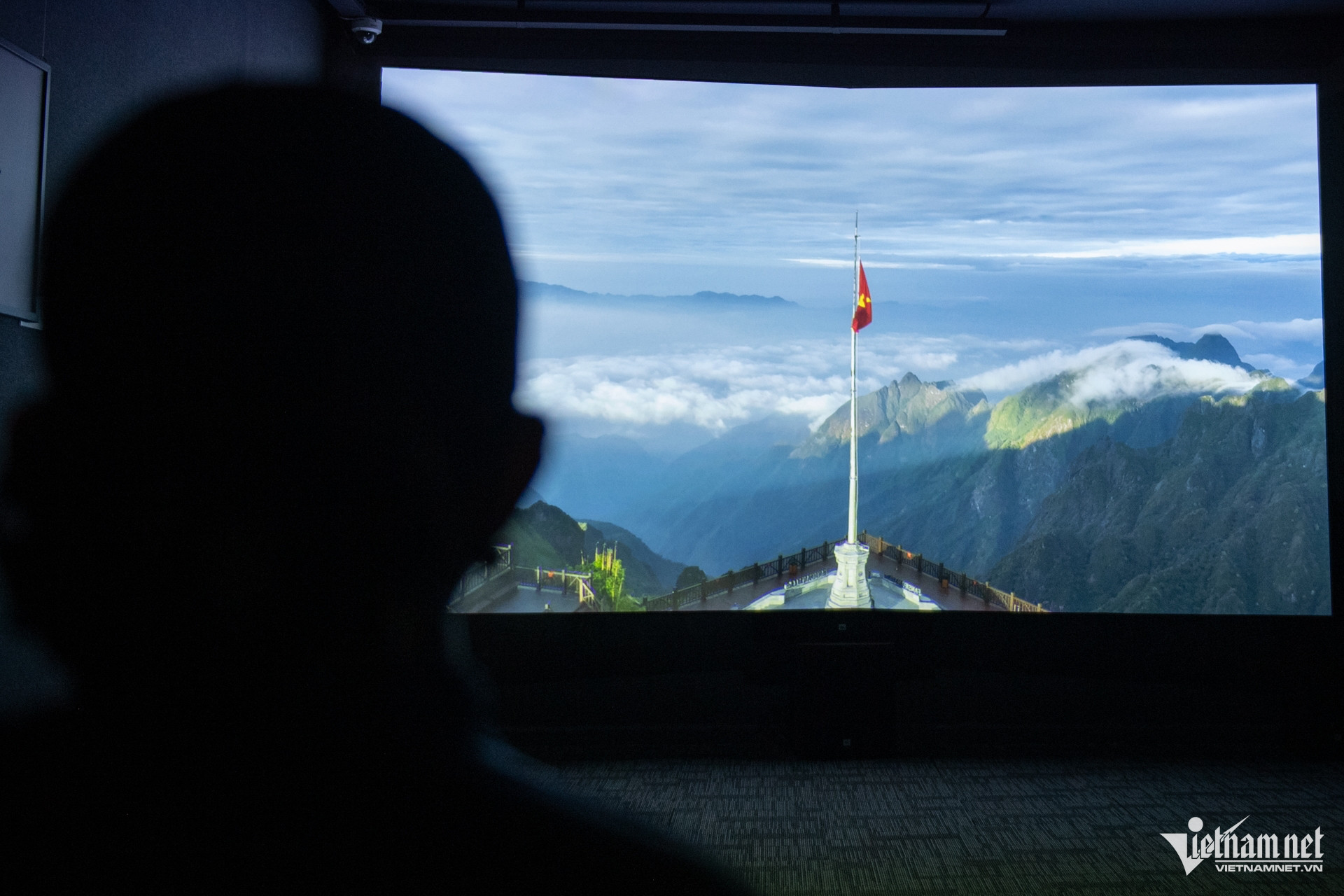
The second floor includes film screenings that narrate pho’s historical and cultural journey
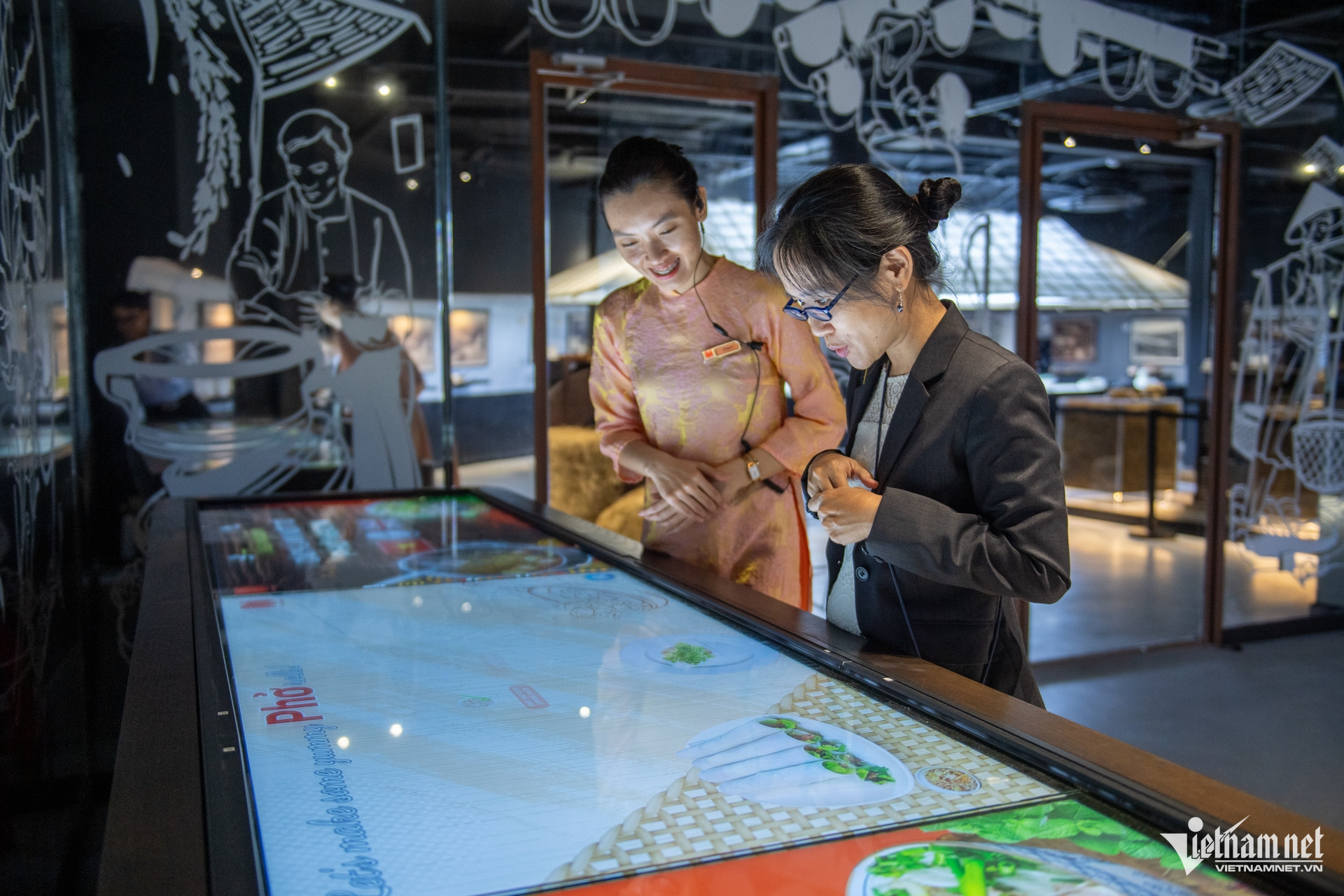
Culinary researcher Le Dieu Linh shares her impressions of the museum’s academic and cultural value
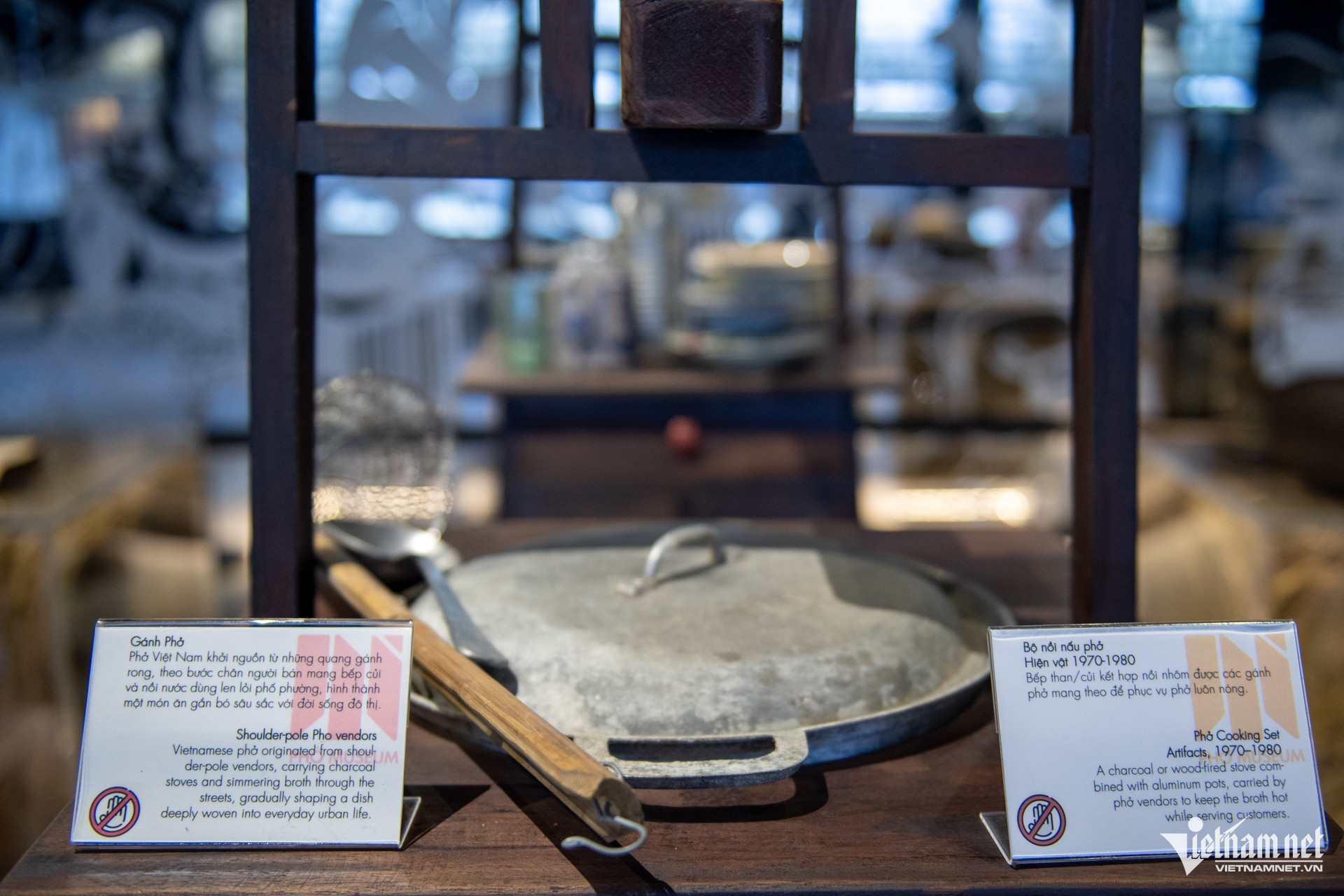
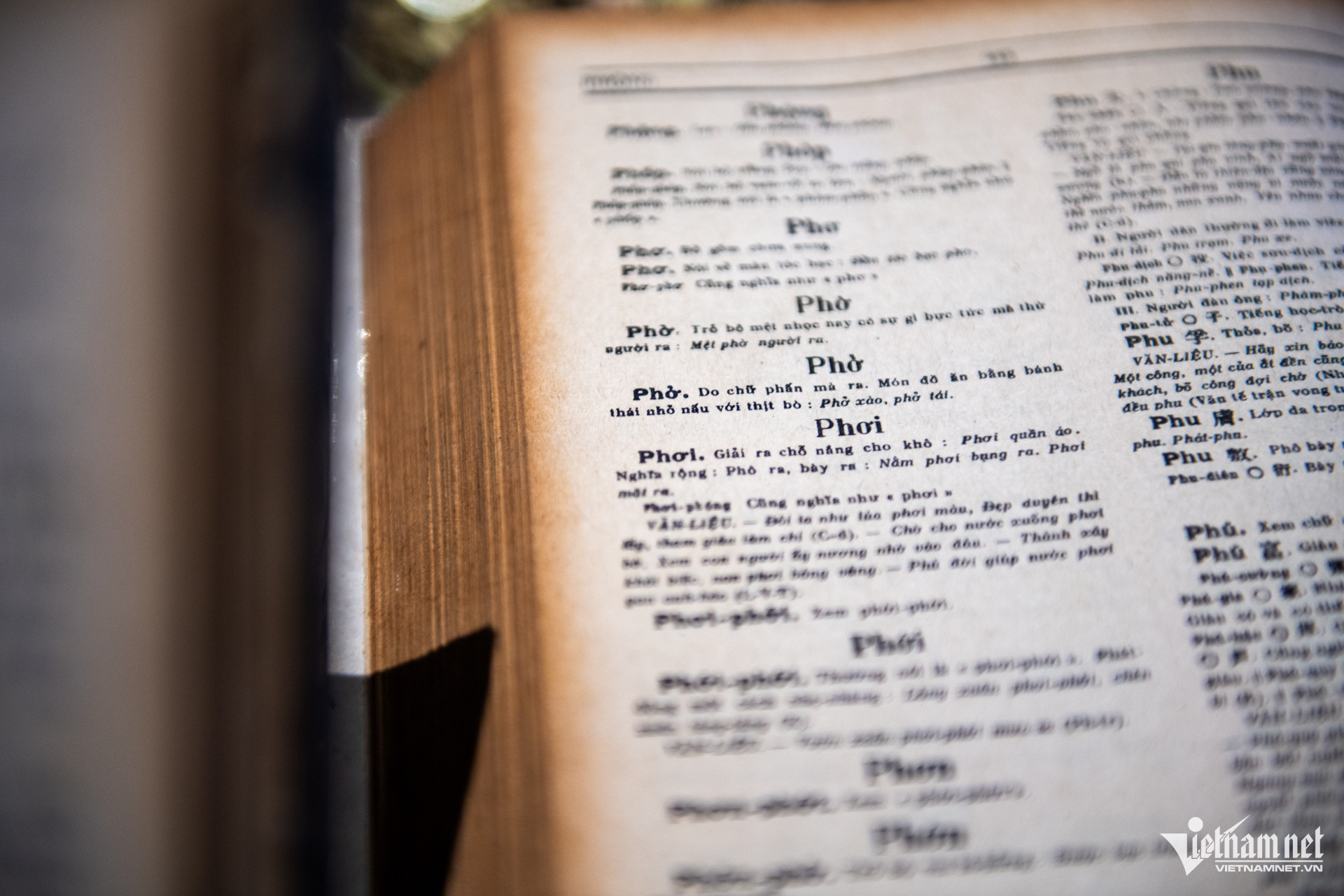
Artifacts on display include early cooking tools and symbolic items like stone grinders and star anise flowers
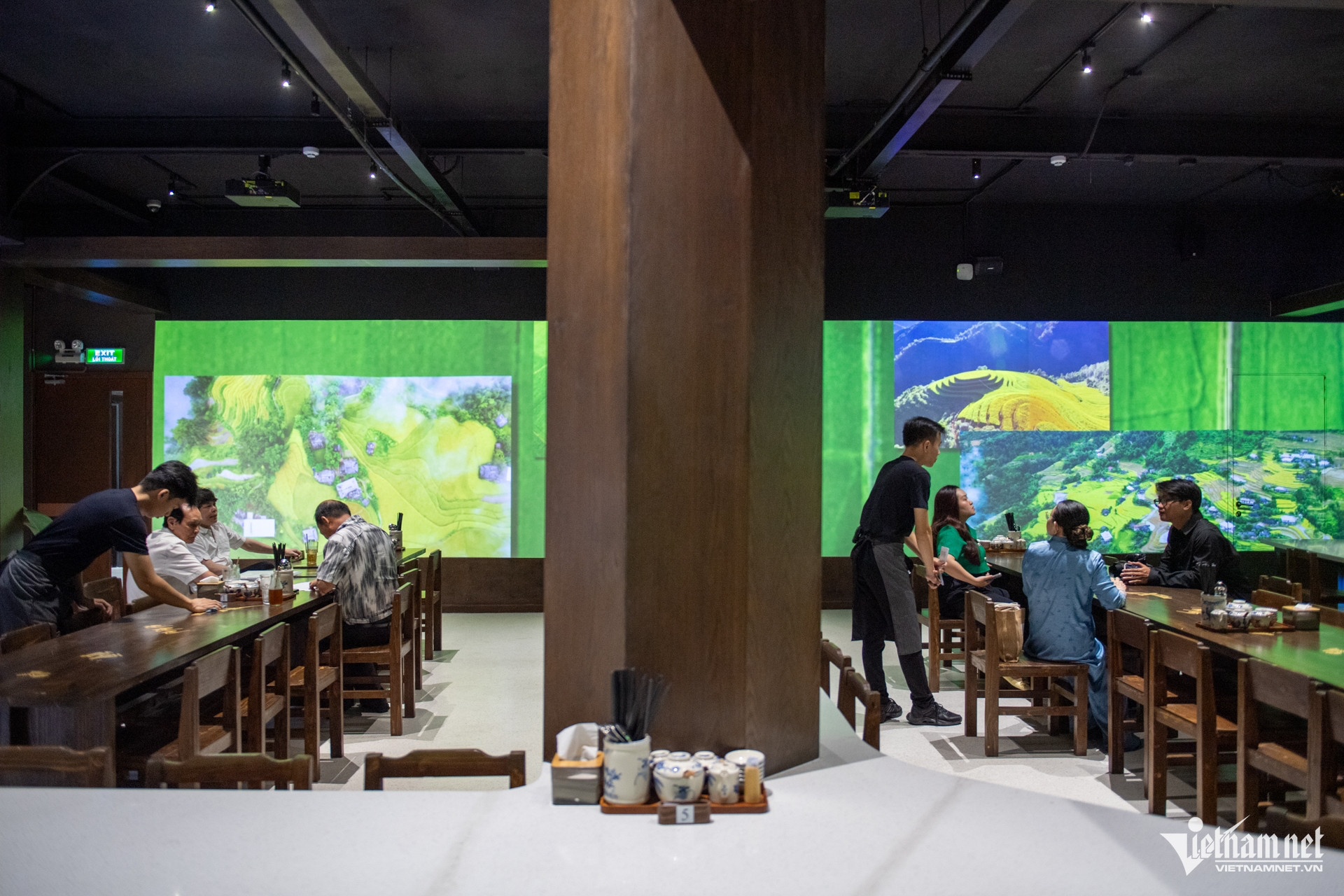
The museum’s immersive dining space uses large screens for a multi-sensory pho experience
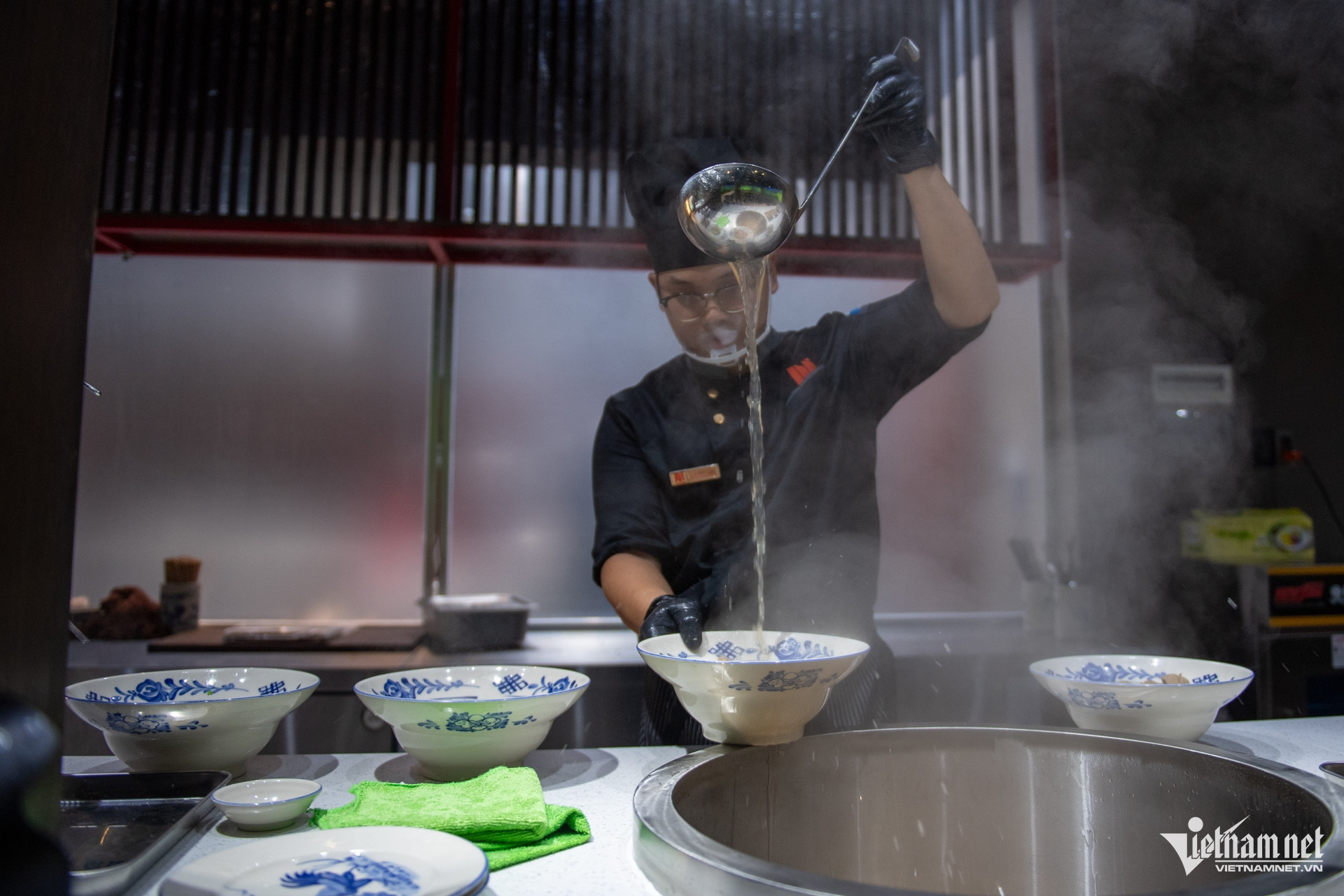
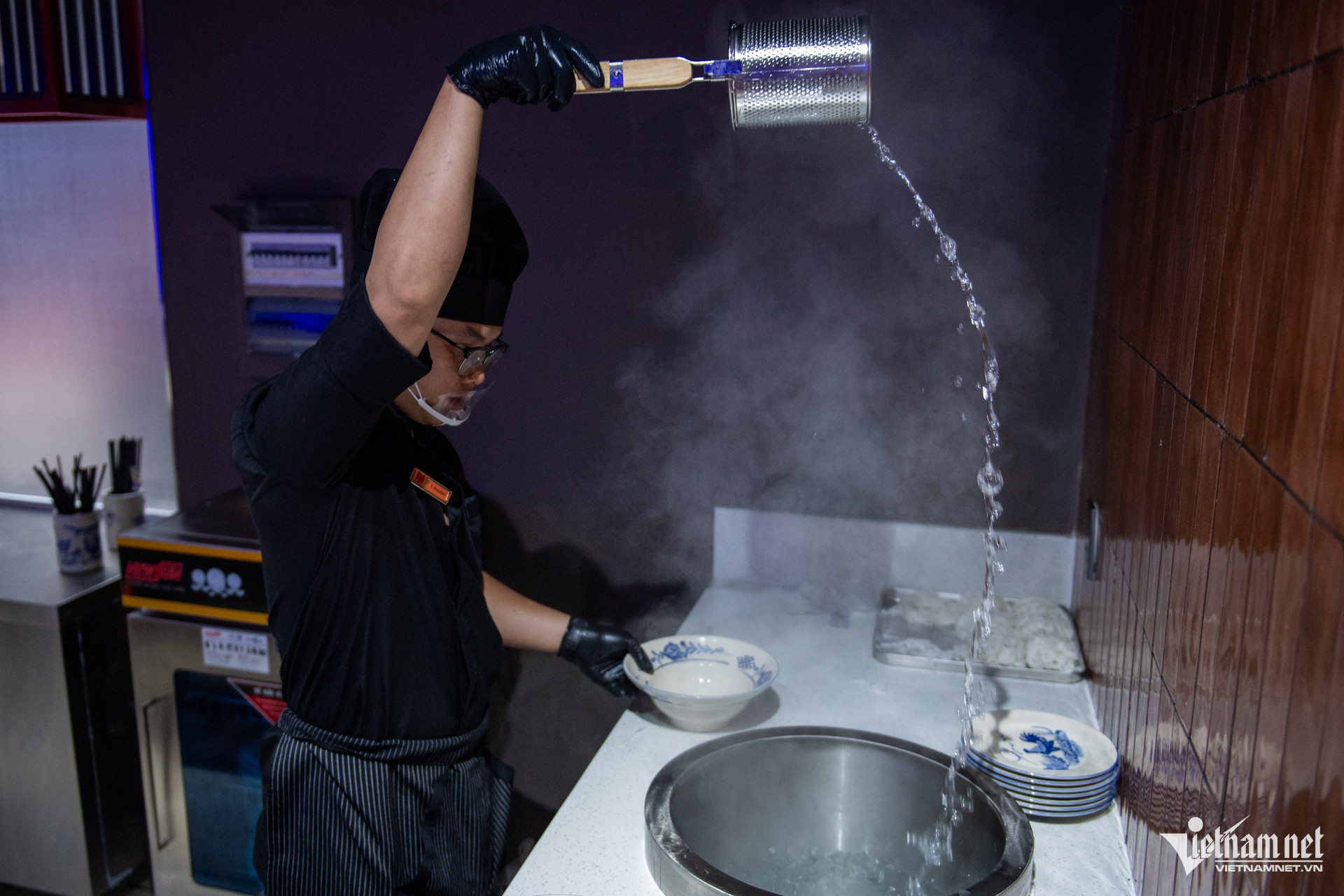
The open-concept kitchen allows guests to watch their pho being made in real time
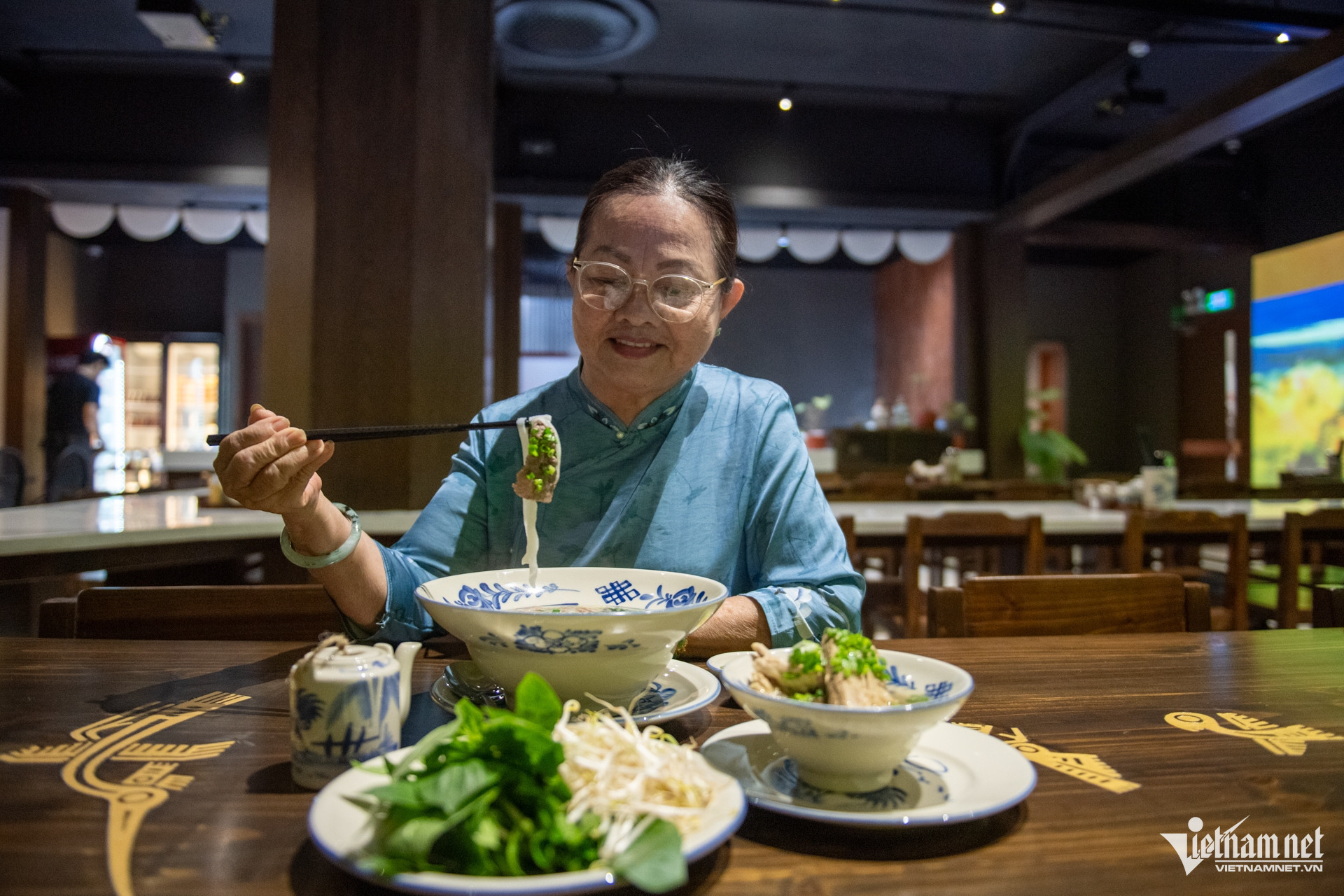
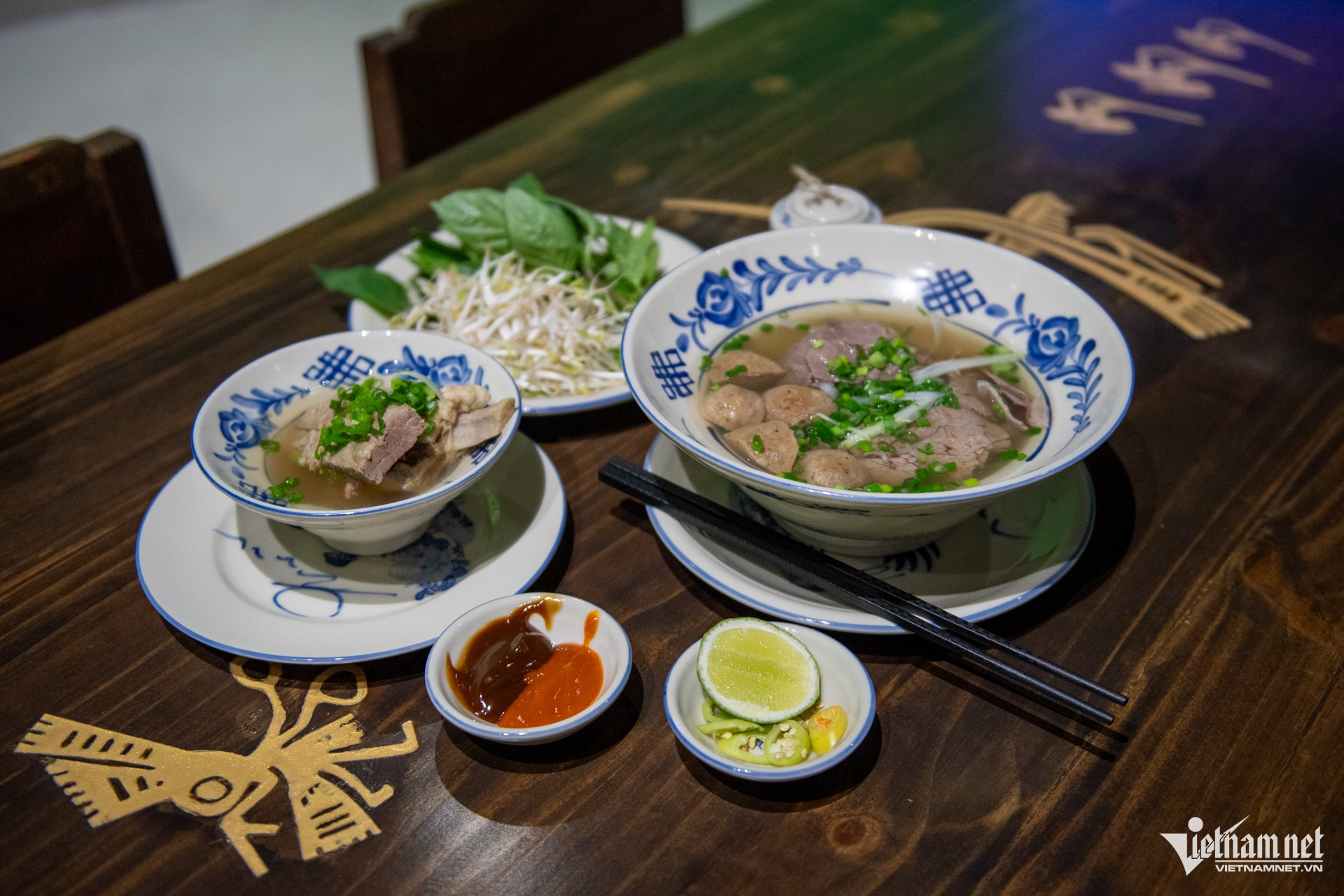
Pho served at the museum includes rare beef, brisket, tendon, meatballs, and a side of short ribs
Tuan Hung
.svg)
