 Vietnamnet.vn

 Podcast



Despite multiple efforts over the years, Hanoi continues to face long-standing urban challenges - from traffic congestion and flooding to air and water pollution. Experts stress the need for comprehensive and sustainable solutions to address these persistent issues.

Traffic congestion
Traffic congestion and overloaded infrastructure have plagued Hanoi for years. The problem stems from rapid population growth, a sharp increase in private vehicles, and shortcomings in urban planning and road infrastructure development.
In recent years, the number of cars and motorbikes in Hanoi has skyrocketed, far outpacing the city’s road capacity. While the number of vehicles continues to climb, the land allocated for traffic has barely expanded, exacerbating the already serious gridlock.
Ring roads such as Ring Road 4 and Ring Road 3.5 remain incomplete. Some major intersections, although recently reorganized, have yet to function efficiently. Smart traffic technologies like ITS and AI are being introduced but have yet to be fully deployed citywide. Meanwhile, common traffic violations such as lane encroachment, running red lights, and entering restricted areas persist. Even minor collisions can lead to hours-long traffic jams.


Overburdened drainage system
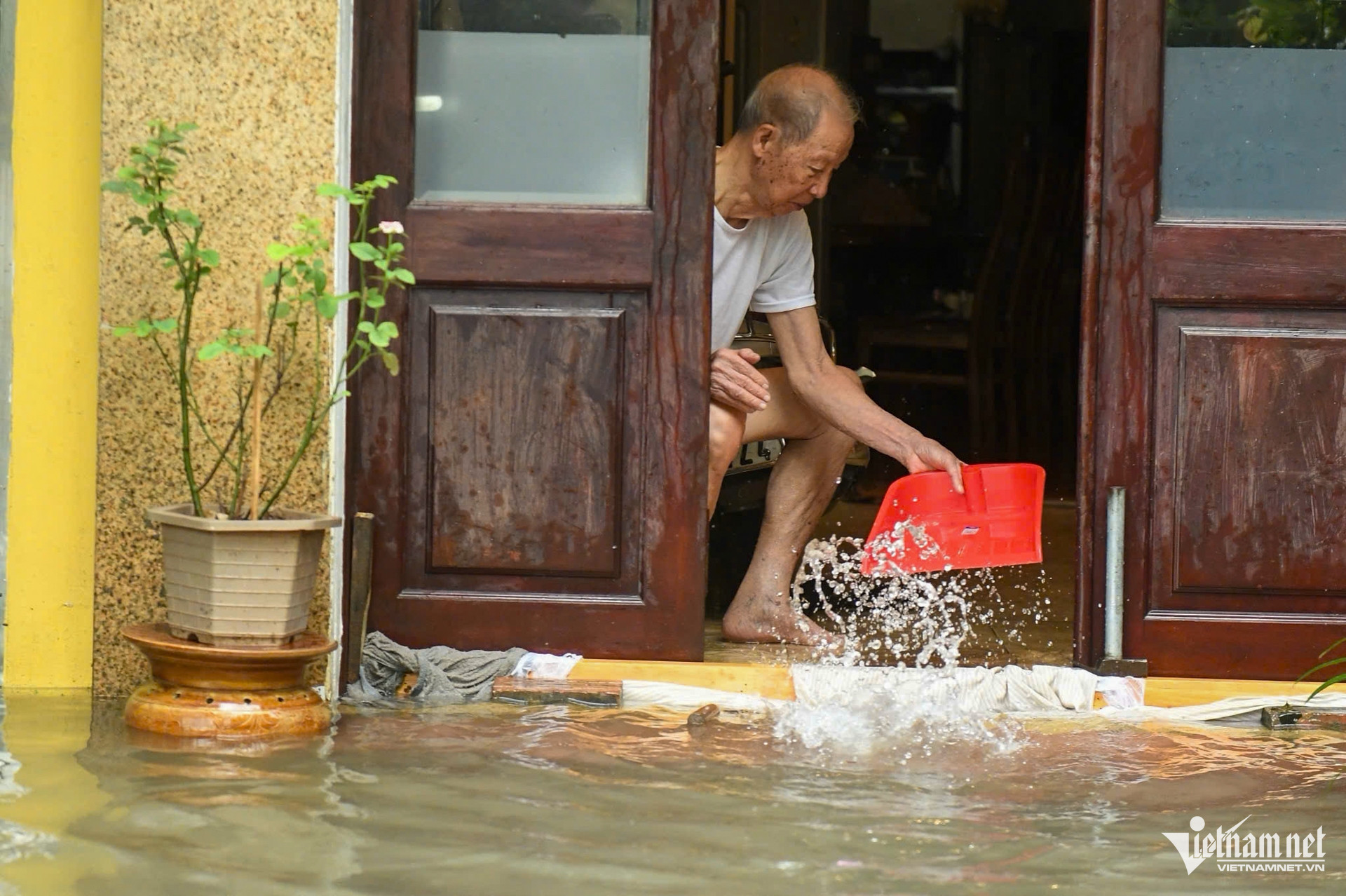
Hanoi’s drainage infrastructure cannot keep pace with the rapid pace of urbanization, especially in newly built areas lacking proper runoff systems.
The boom in construction and road development has drastically reduced the amount of permeable land and natural water retention areas. Without sufficient drainage, rainwater accumulates quickly, resulting in widespread flooding.
Climate change has added pressure, with extreme weather becoming more frequent. Short, intense downpours now overwhelm the existing drainage systems, which were not designed to handle such volumes.


Air pollution
Air quality in Hanoi frequently hits alarming levels, posing a serious threat to public health. The main sources include traffic emissions, industrial zones, craft villages, and other pollutants.
According to IQAir - a Swiss-based air quality technology company - Hanoi often ranks among the world’s top 10 most polluted cities. During peak smog periods, typically from October to March, the city has even topped the global pollution index.


Water pollution
Urban wastewater, along with discharge from residential areas, industrial zones, and craft villages, continues to pollute Hanoi’s rivers, lakes, and groundwater.
One stark example is the heavily polluted To Lich River. Hundreds of sewage pipes from nearby households and businesses still discharge untreated waste directly into the river.
Ahead of Vietnam’s National Day on September 2, the city took emergency steps to revive To Lich, supplementing it with water from West Lake. By early September, treated wastewater from the Yen Xa plant - with a capacity of approximately 230,000 cubic meters per day - was also being used to replenish the river.


Urban management and public order
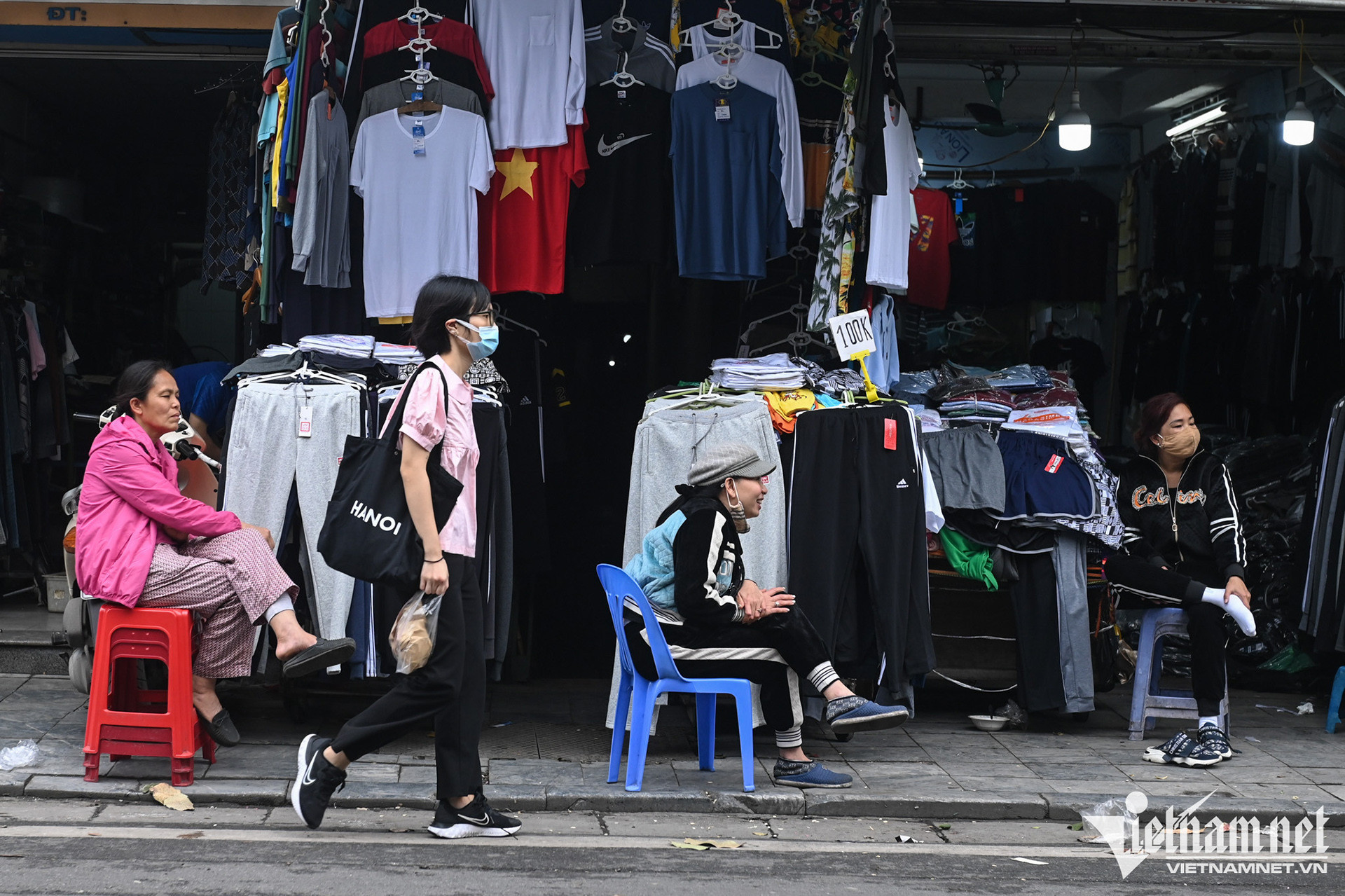
Many chronic urban management issues remain unresolved, including sidewalk encroachments, construction violations, and overloaded residential zones.
Hanoi has launched several campaigns to reclaim public sidewalks. The largest initiative came in early 2017, yielding early successes: cleaner streets, improved order, and sidewalks returned to pedestrians. However, without consistent enforcement, violations have steadily returned.
One vivid example is the resurgence of the “train street cafés.” Despite repeated efforts by authorities to shut down businesses operating dangerously close to the railway line - citing serious safety risks - many cafés have reopened once enforcement officers left. Tourists, particularly international visitors, continue to flock to the area, perpetuating the cycle of violations.
Most recently, in early October, a serious incident occurred in the train café area when a passing train struck a table and chairs left too close to the tracks. The impact sent objects flying across the area. Thankfully, no injuries were reported.




Hoang Ha
.svg)
