 Vietnamnet.vn

 Podcast


On October 26, a representative of the Phu Tho Provincial People's Committee Office told VietNamNet that the Ministry of Industry and Trade had issued a decision establishing a temporary coordination mechanism for the supply of common construction materials between provinces and cities.
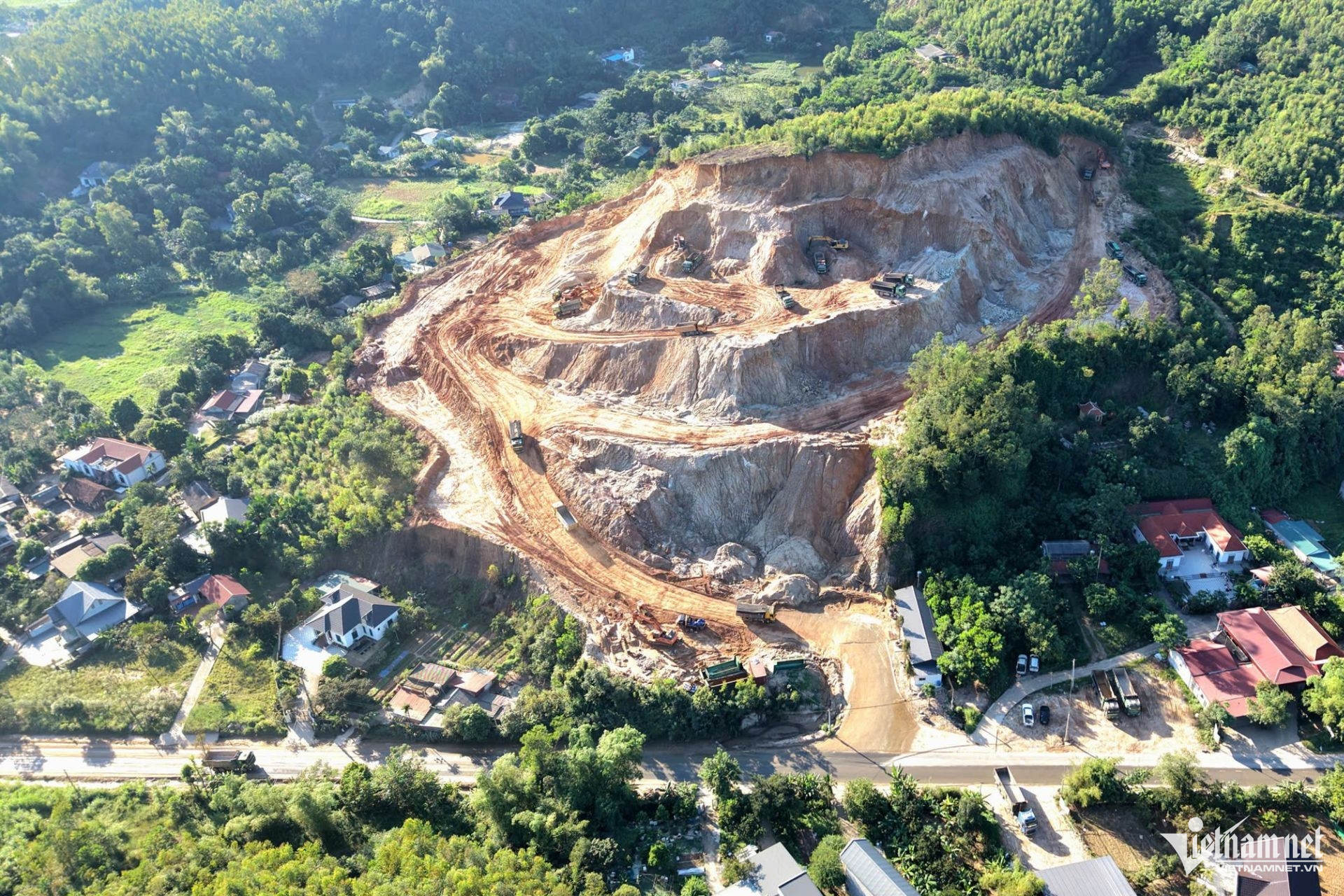
The arrangement is designed to support major infrastructure projects and nationally important developments during the 2026-2030 period.
Under the plan, Hanoi is among six localities facing construction material shortages that cannot be met through their own resources, making support from other provinces necessary.
Phu Tho, meanwhile, is among 18 provinces and cities considered capable of meeting their own construction material requirements while also supplying other localities.
Other provinces in this group include Cao Bang, Dien Bien, Lai Chau, Son La and Tuyen Quang.
Hanoi is estimated to face shortages of 272.25 million cubic meters of construction stone, 320.19 million cubic meters of sand and 243.88 million cubic meters of land-filling soil needed for its planned projects.
To address the shortfall, the Ministry of Industry and Trade has developed a plan to mobilize construction materials from several provinces, with Phu Tho assigned the largest volume of construction stone for Hanoi.
Under the arrangement, Phu Tho is responsible for ensuring the supply of 100 million cubic meters of construction stone and 70 million cubic meters of land-filling soil, totaling 170 million cubic meters between 2026 and 2030.
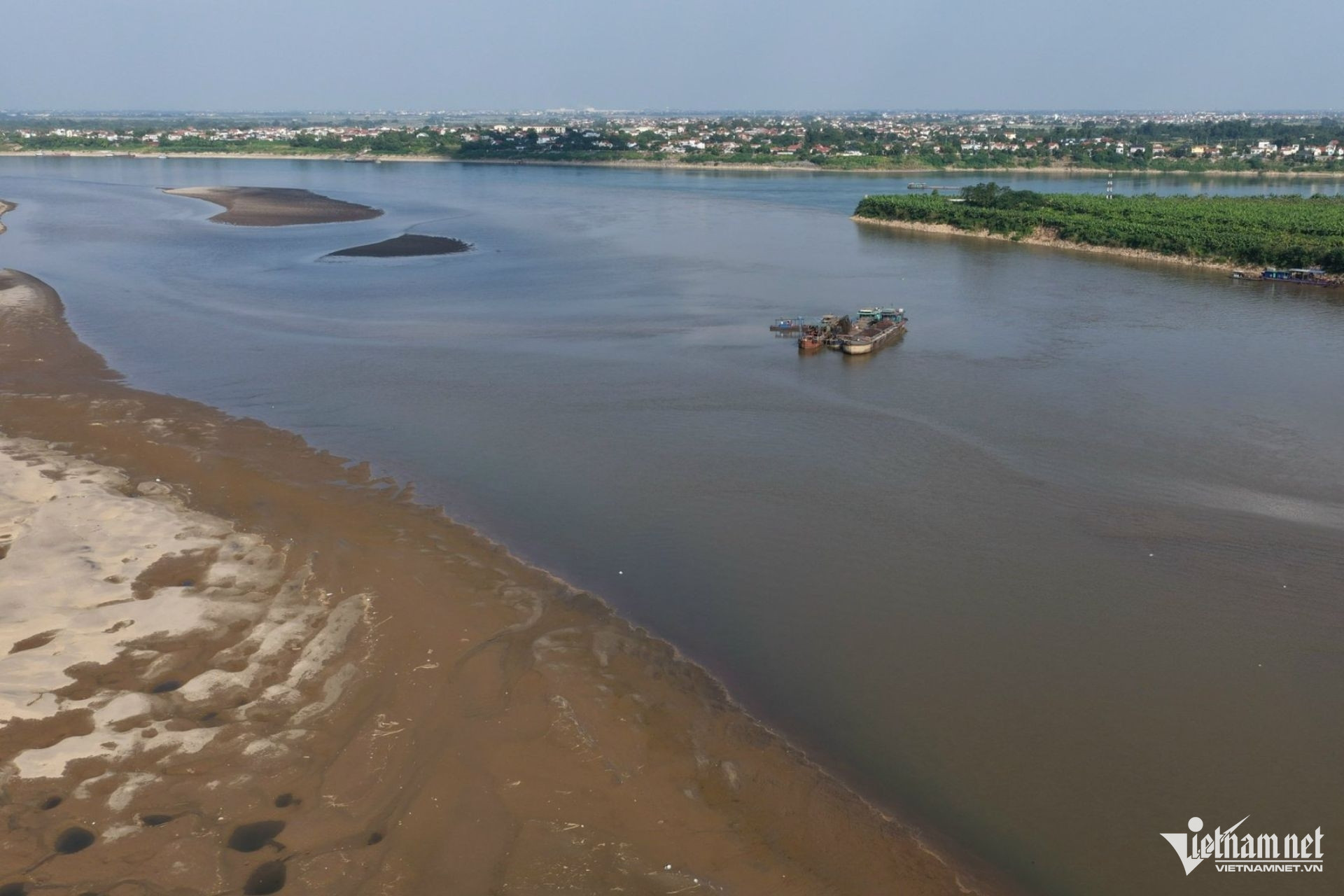
For construction stone, other provinces assigned to supply Hanoi include Ninh Binh and Thai Nguyen, each contributing 50 million cubic meters; Thanh Hoa with 30 million cubic meters; Tuyen Quang with 22 million cubic meters; and Nghe An with 20.25 million cubic meters.
For land-filling soil, Phu Tho will supply 70 million cubic meters, while Bac Ninh and Ninh Binh will each provide 60 million cubic meters. Thai Nguyen is expected to contribute 34 million cubic meters and Tuyen Quang another 20 million cubic meters.
These allocations make Phu Tho Hanoi's largest designated supplier of both construction stone and land-filling soil under the coordination plan.
To implement the arrangement, provincial and municipal authorities receiving materials must work with project investors and supplying localities to identify specific mines, annual supply volumes, recipient projects and transportation routes.
The information must be submitted to the Ministry of Industry and Trade before November 10.
Supplying provinces have been instructed to review mines currently in operation and consider increasing production capacity where conditions permit.
They must also prioritize applications for new mining permits, permit renewals, capacity increases and adjustments to existing extraction licences when the materials are intended for major projects.
Notably, the ministry has instructed local authorities not to impose additional administrative procedures, conditions or fees, or delay the processing of applications related to supplying construction materials to other provinces, except where required by law.
The coordination mechanism must also ensure that supplying provinces retain sufficient materials to meet the previously identified needs of projects within their own territories.
In addition, local authorities are required to closely monitor mineral extraction and transportation, oversee construction material prices and strictly penalize violations.
Duc Hoang

