 Vietnamnet.vn

 Podcast



Prime Minister Le Minh Hung has made clear that economic growth must go hand in hand with stability and the ability to maintain key economic balances, stressing that Vietnam will not accept “overheating” or high growth achieved at the expense of macroeconomic stability.
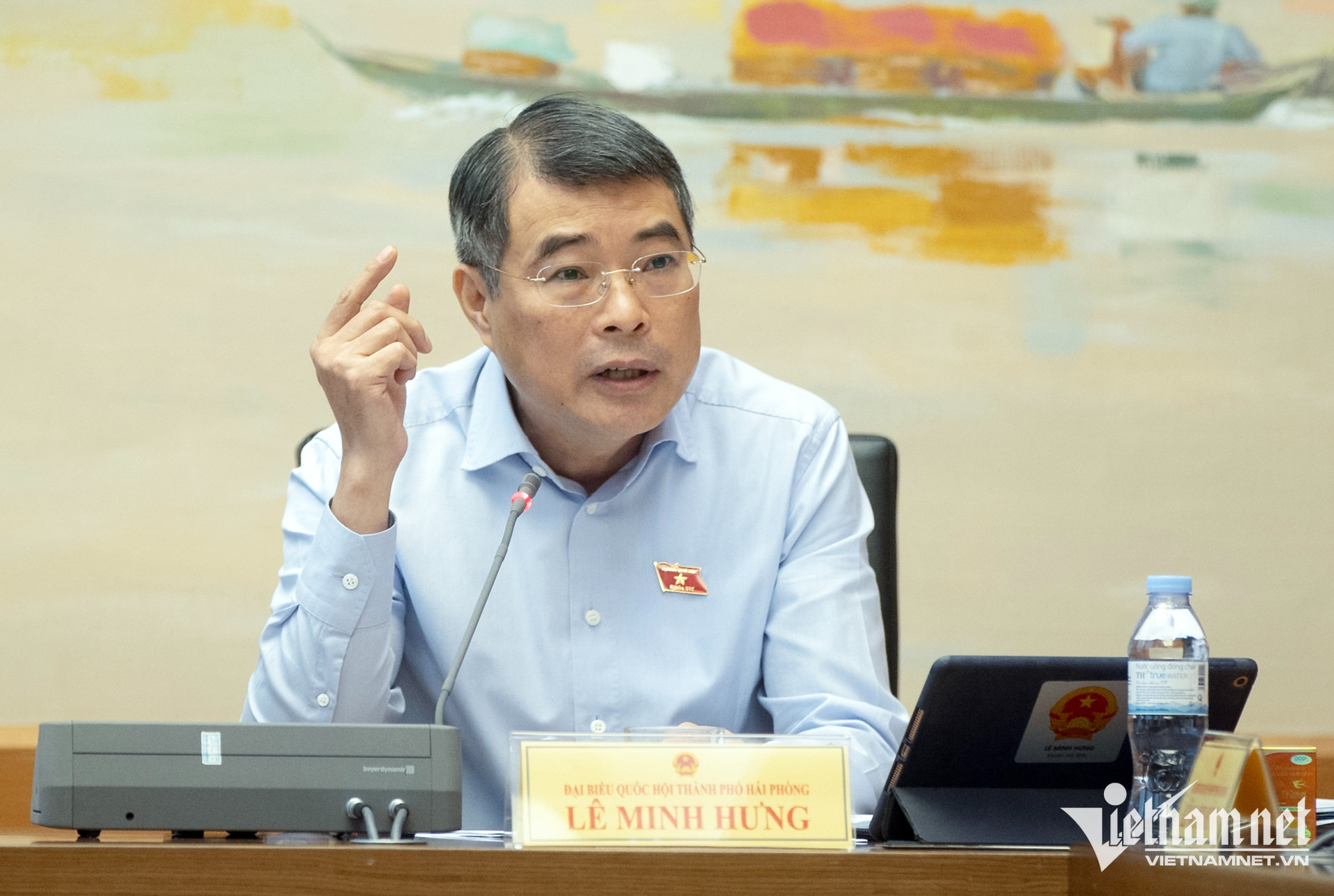
On the morning of April 10, the National Assembly discussed socio-economic developments in group sessions. The Prime Minister noted that Vietnam has set a target of achieving double-digit growth during the current term, calling for unified thinking and coordinated action.
He acknowledged this as a significant challenge but emphasized that determination is essential. With strong alignment between the National Assembly, government agencies, ministries, local authorities, the business community and citizens, he expressed confidence that the target is achievable.
The Government has reported to the National Assembly specific targets across sectors, industries and localities. To realize these goals, the Prime Minister highlighted three strategic breakthroughs outlined in the resolutions of the 13th and 14th Party Congresses.
On institutional reform, he described it as “a roadway that creates a clear corridor for Vietnam’s economic engine to move forward.” The Party Central Committee and the Politburo have tasked the Central Policy and Strategy Commission with preparing a resolution on renewing the growth model for submission to the third plenum.
“Even before that resolution is issued, the economy continues to move. It is still the same vehicle, but with a synchronized institutional framework, like an upgraded highway, we can accelerate further. Therefore, institutions are the most decisive factor,” he said.
Addressing concerns raised by National Assembly deputies over bottlenecks in the operation of two-tier local governments, the Prime Minister stressed the need for decisive solutions to ensure an effective and seamless administrative system.
“For localities to achieve double-digit growth, the development-oriented role of commune, ward and special-zone authorities is critical. The year 2026 will focus on the grassroots level, with improving the quality of local officials as a central mission,” he noted.
Regarding stalled projects, the Prime Minister affirmed that solutions must be finalized within the second quarter. Local Party secretaries and standing committees have been instructed to directly oversee the resolution of obstacles in projects within their jurisdictions.
“Before speaking of new growth drivers, we already have vast resources tied up in thousands of projects and land assets. If these are unlocked, they will become a major source contributing to current growth,” he said.
On special mechanisms proposed by some deputies, he remarked that “just as people wear different sizes, localities are not the same.” A uniform legal framework cannot fully accommodate every locality, and policies suitable for Hanoi or Ho Chi Minh City may not apply elsewhere.
The legal system, he said, should provide flexible frameworks, allowing localities that meet specific criteria to apply corresponding policies.
He also called for a firm reduction in administrative procedures and business conditions, aiming to cut both compliance time and costs.
The cost of ‘overheating’ growth
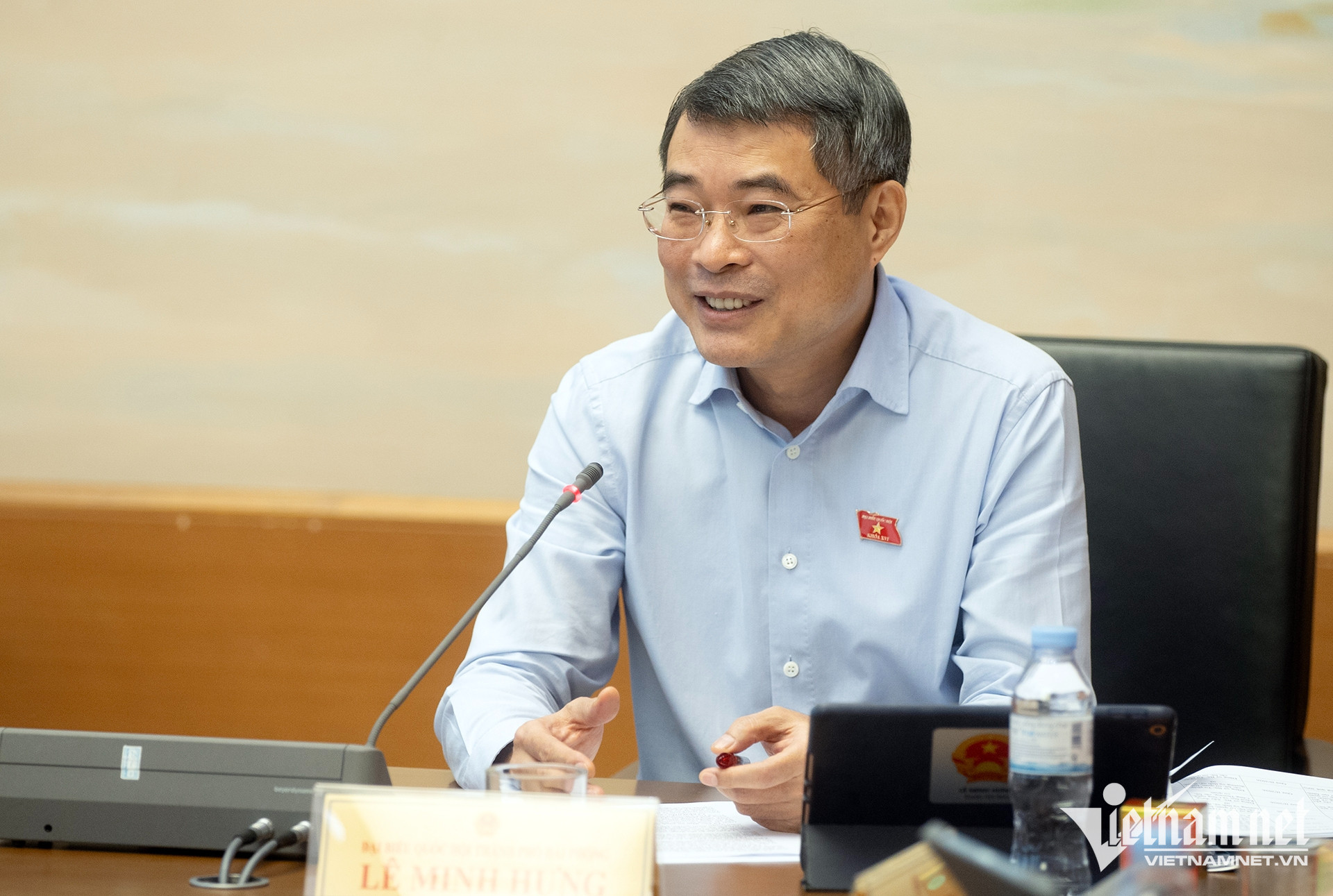
On infrastructure, the Prime Minister said that beyond roads, airports and seaports, energy infrastructure will also be expanded. The national power development plan (Power Plan VIII) will be revised and supplemented to reflect changing international and regional conditions.
Alongside building national reserves of fuel and essential goods, he emphasized the development of power plants and baseload energy, applying new technologies to meet environmental standards.
On human resources, the Ministry of Education and Training has been tasked with developing programs to train a high-quality workforce capable of meeting the demands of innovation and technological advancement.
Regarding resource allocation, the Prime Minister noted that total social investment for the next five-year period is projected at 40% of GDP, equivalent to VND38.5 quadrillion (US$1.5 trillion), compared to about 33% in the previous term - highlighting the scale of the challenge.
Public investment alone is expected to exceed VND8 quadrillion (US$310 billion), up from VND2.87 quadrillion in the previous term. State budget mobilization is projected to reach VND6.5 quadrillion (US$250 billion), 2.7 times higher than before.
About 80% of public investment capital will be mobilized from other sources, including domestic enterprises, social investment and foreign capital, both direct and indirect. The Prime Minister stressed the need for concrete solutions to mobilize these resources and channel them into production and business activities through transparent and supportive legal frameworks.
He reiterated that Vietnam’s development rests on a solid foundation of macroeconomic stability, likening it to the foundation of a building.
“To build higher, the foundation must be reinforced. Growth must go hand in hand with stability and control of major economic balances. We do not accept overheating or high growth that compromises macroeconomic stability,” he said, warning that the cost of instability would be far greater.
“It is possible to pursue short-term growth through aggressive investment, but that may lead to medium- and long-term instability. The price the economy would pay is enormous,” he added.
The Government, he affirmed, is fully aware of the need to maintain macroeconomic stability and is implementing measures accordingly. In recent days, it has held frequent meetings to direct ministries and agencies in coordinating the management of fuel and monetary markets, aiming to control fluctuations and mitigate external impacts.
Tran Thuong
.svg)
