 Vietnamnet.vn

 Podcast



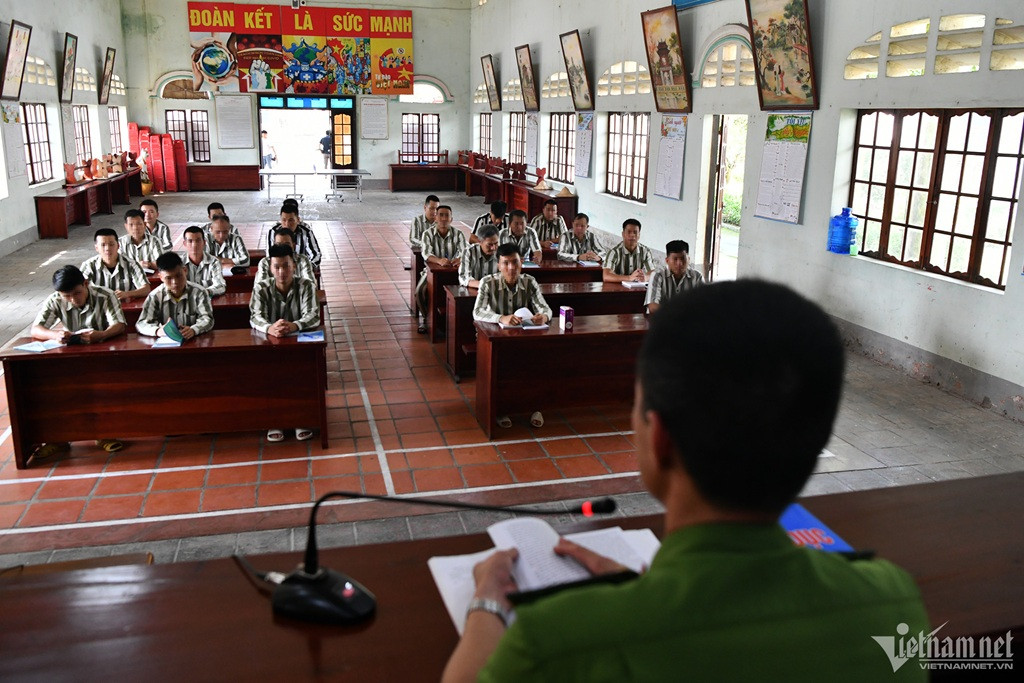
The draft includes proposals to apply electronic monitoring in specific cases.
In particular, electronic monitoring may be used for minors aged 14 to under 16 who are suspects or defendants in particularly serious or very serious criminal cases as defined by the Penal Code, if they meet the following criteria: they have violated prior preventive measures; have a fixed residence; have parents or legal guardians who commit to ensuring compliance with obligations stated in Clause 2, Article 139 of the Juvenile Justice Law; have cooperated with investigators and made truthful confessions; and are first-time offenders.
The measure may also be applied to minors aged 16 to under 18 who are suspects or defendants in cases involving less serious crimes committed unintentionally, or minor offenses, if they meet the same criteria mentioned above.
In addition, based on the nature and danger of the offense, and the background of the minor, the police, prosecution, or court may decide whether to impose electronic monitoring.
The draft decree also outlines obligations for minors subject to electronic monitoring.
They must sign a written commitment to fulfill obligations including: not leaving the monitored area (except under conditions specified in Clause 5, Article 139 of the Juvenile Justice Law); appearing when summoned, except for force majeure or objective obstacles; and refraining from escape or reoffending.
They must not tamper with evidence, pressure or deceive witnesses, or obstruct the investigation. They are prohibited from intimidating, retaliating against, or threatening witnesses, victims, whistleblowers, or their family members. They are also banned from removing, damaging, or disrupting electronic monitoring devices and must strictly adhere to usage regulations.
Violations of these commitments may result in detention. Commune-level People’s Committees must immediately notify the agency that issued the monitoring decision if any breach is detected.
The draft also provides for exceptions. If the minor must temporarily leave the monitoring area due to force majeure or objective obstacles, they must obtain approval from the commune-level People’s Committee where they reside and secure a permit from the issuing authority.
This permit must also be forwarded to the local commune authority. Each approved absence from the monitoring zone cannot exceed one day, except in cases of illness requiring hospital treatment as prescribed by a doctor, which must be verified by the medical facility.
Dinh Hieu
.svg)
