 Vietnamnet.vn

 Podcast



Immediately after floodwaters receded, medical teams in Gia Lai and Dak Lak launched extensive cleanup operations and chemical disinfection in severely inundated areas.
Military personnel, police officers, and local militia forces were mobilized to help collect waste and prevent outbreaks in flood-affected communities.
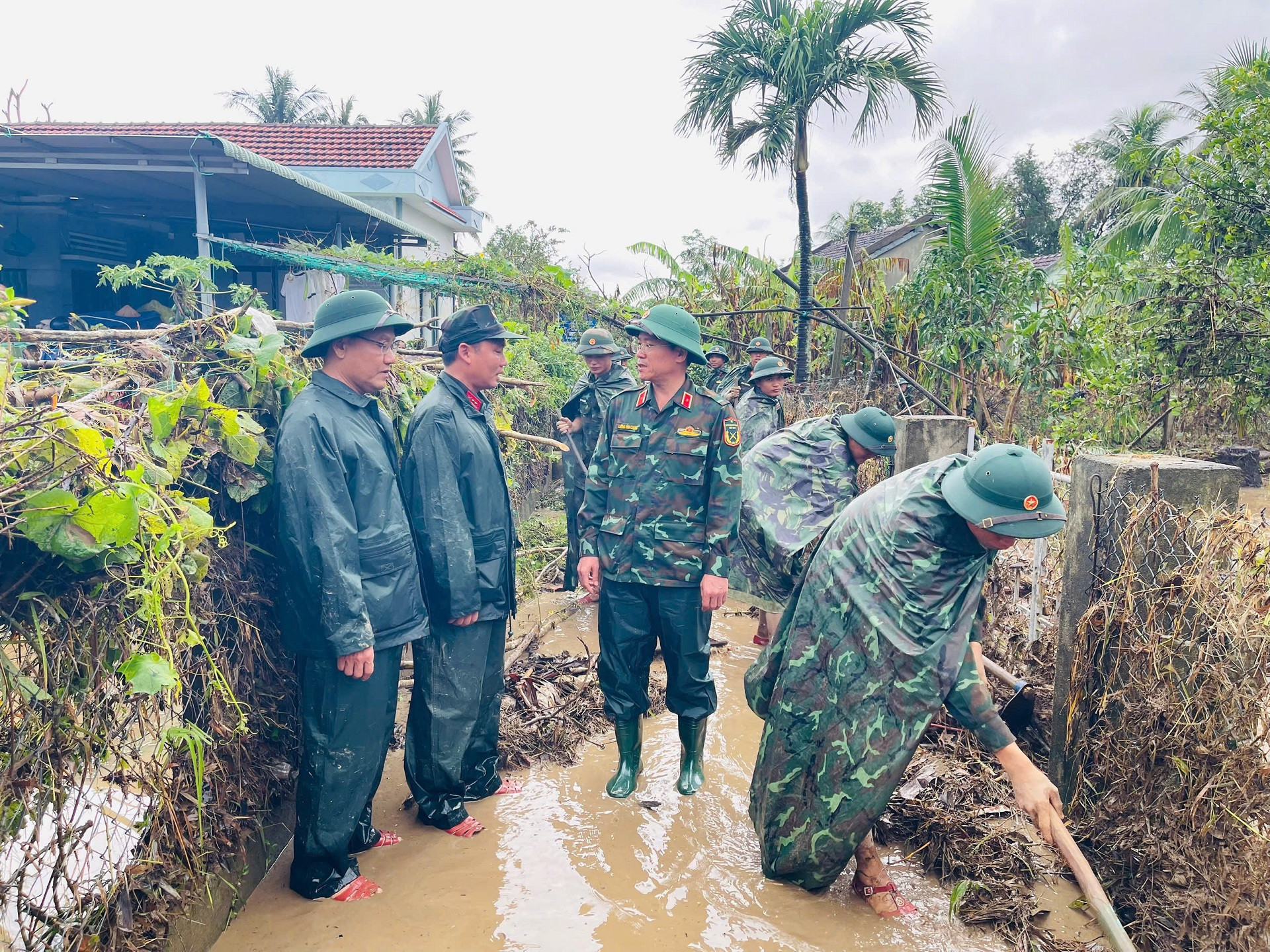
In Gia Lai, days of relentless flooding inundated multiple medical facilities.
Initial reports confirmed that three hospitals and ten health stations - seven in the east and three in the west of the province - suffered damage.
At Quy Nhon Tuberculosis and Lung Disease Hospital, one of the hardest-hit locations, thick mud covered the entire second floor, severely disrupting medical services.
Dozens of soldiers from Regiment 739 were urgently dispatched to help clean up, restore infrastructure, disinfect the site, and gradually resume operations.
Vo Kien Cuong, Deputy Director of the hospital, said the post-flood cleanup has been extremely challenging due to the facility’s large grounds and deeply embedded mud.
Each department required at least ten people for cleaning, and the hospital has three large departments.
Fortunately, the support of military forces has been essential in helping the hospital quickly stabilize operations.
Quy Nhon Psychiatric Hospital also faced severe flooding.
Waters rose over 2 meters, completely disabling the first floor.
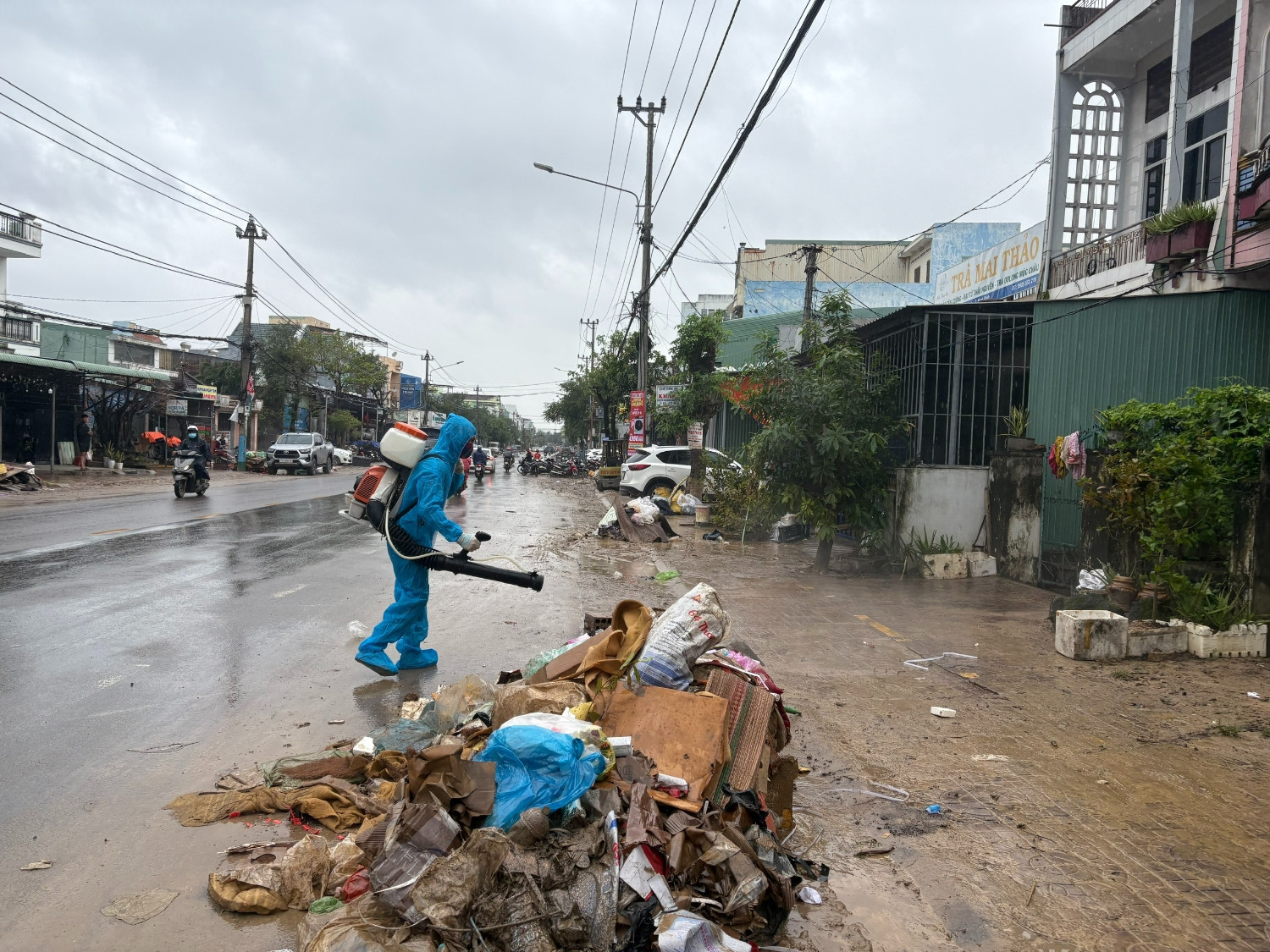
All 139 patients had to be moved to the second floor, where treatment was reorganized into temporary accommodations.
Hospital operations were nearly paralyzed for several days as mud blanketed courtyards, hallways, and equipment.
Nguyen Trong Sang, Head of the Infection Control and Nutrition Department, said this year’s flooding reached unprecedented levels.
Entire wards and machines were submerged, and thick layers of sludge made environmental sanitation extremely difficult.
As soon as waters receded, nearly 100 soldiers from the National Military Training Center 2 (Military Region 5) were deployed to clean dozens of hospital rooms and courtyards covered in mud, helping restore hospital operations.
On November 22, amid increasing risks of contamination and infectious disease, the Gia Lai Health Department launched a province-wide environmental sanitation and disease prevention campaign.
Dr. Le Quang Hung, Director of the Gia Lai Health Department, warned that post-flood conditions are ideal for disease outbreaks - especially gastrointestinal illnesses, skin infections, dengue fever, and waterborne bacterial infections.
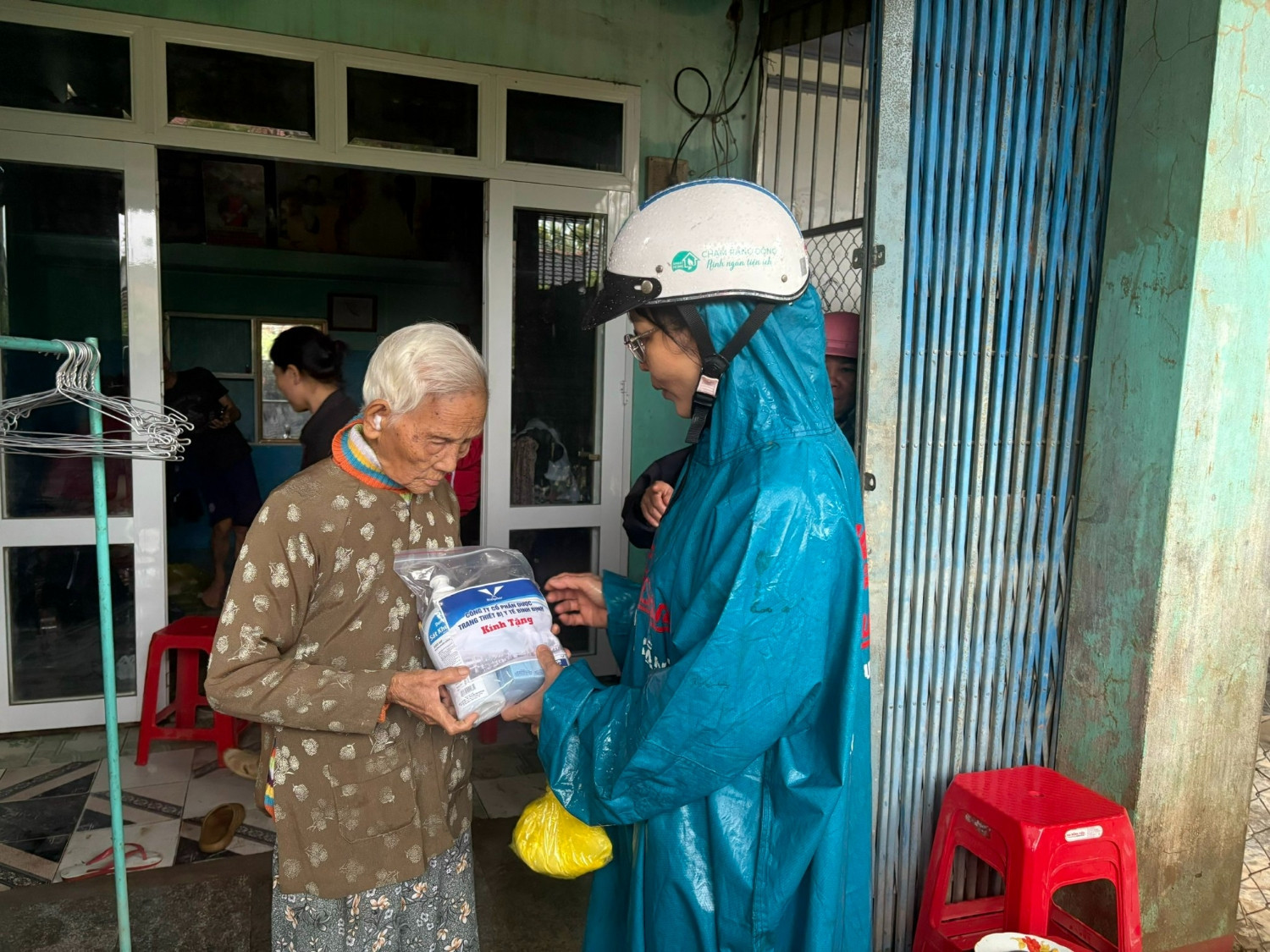
He emphasized that urgent and coordinated disinfection, cleanup, and water treatment are essential to protect public health.
A total of 180 staff from the Gia Lai Center for Disease Control (CDC) and district health centers were sent to heavily flooded zones.
These teams sprayed Cloramin B disinfectant at schools, health stations, markets, and public areas.
They also coordinated with local officials to clear drains, collect animal carcasses, and disinfect wells.
Residents received Cloramin B and Aquatabs to treat household water supplies.
Thai Van Thuan, Vice Chairman of Tuy Phuoc Commune, reported that 21 out of the commune's 32 villages were flooded, affecting 17,685 households.
As of midday on November 24, disinfection had been completed at all local schools, markets, public spaces, and residential areas that were submerged or isolated by the floods.
“During disinfection, any resident showing health issues linked to the floods will receive immediate medical attention and medicine.
Over 300 medicine kits have already been distributed,” Thuan said.
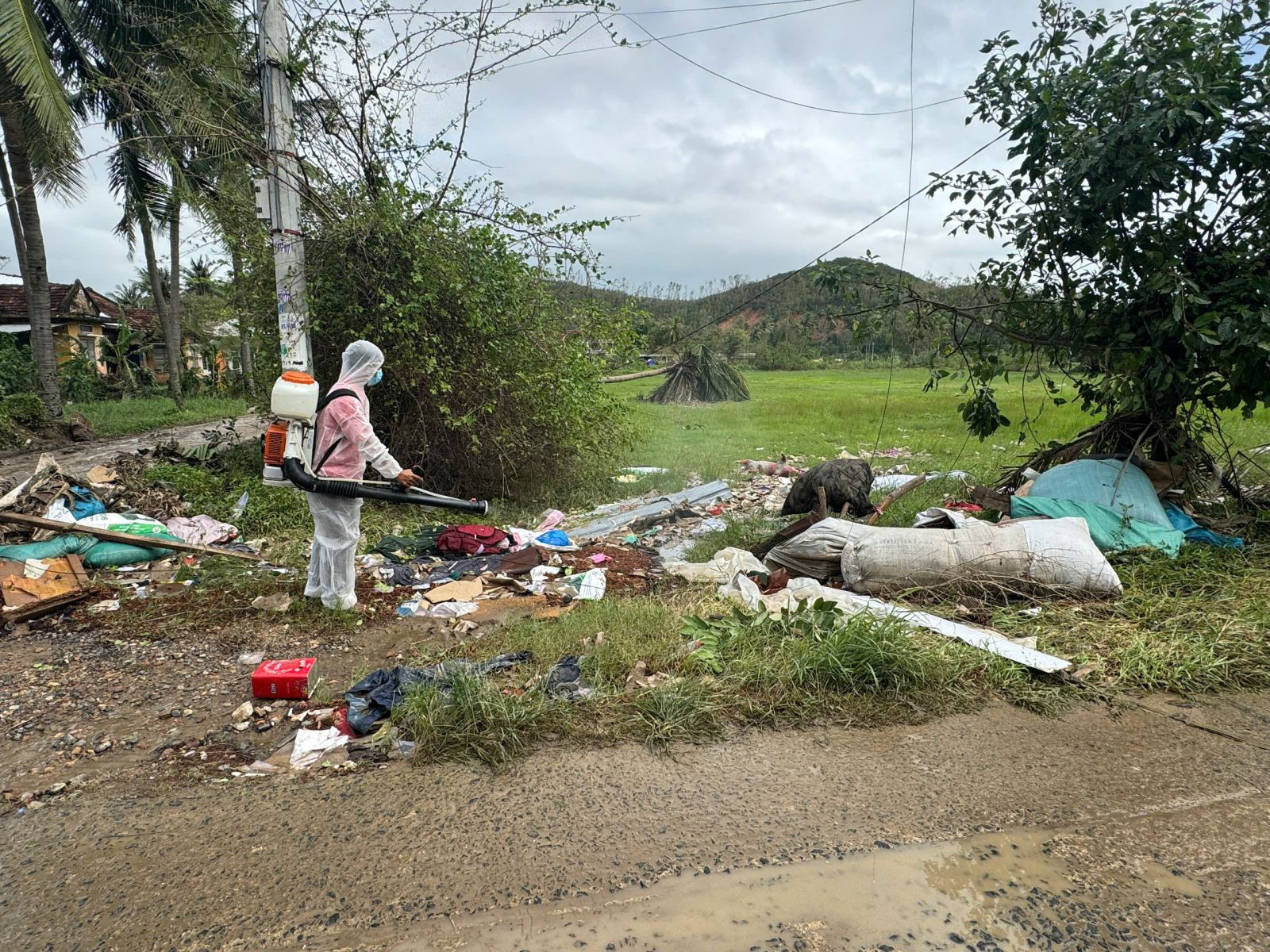
In Dak Lak, days of flooding left behind vast amounts of waste, debris, mud, and animal carcasses - especially in eastern districts.
Polluted water, poor sanitation, and humidity created ideal conditions for disease to spread.
Dak Lak’s health sector mobilized emergency teams from the provincial CDC, in coordination with police, soldiers, and local authorities, to clean up affected zones.
They collected waste, cleared mud, and sprayed disinfectants.
Schools, clinics, and neighborhoods were sanitized as soon as waters receded.
Dr. Hoang Hai Phuc, Director of the Dak Lak CDC, noted a dramatic increase in waste and mud after the flood.
Carcasses of livestock were found scattered in ponds, canals, and barns - posing a high risk of bacterial outbreaks.
As a result, swift action was needed to prevent disease.


On the morning of November 24, dozens of soldiers from Chemical Battalion 78 (General Staff Command) and Chemical Company 19 (Division 2), Military Region 5, brought specialized vehicles and disinfectant equipment to flood-affected schools in Hoa Thinh, Hoa My, Tay Hoa, Phu Yen (Dak Lak) to carry out disinfection.
These chemical teams remained on-site, ready to disinfect areas as soon as soldiers and residents finished removing mud and waste.
In addition to chemical units, military medics and preventive health forces from Military Region 5 and the Ministry of Defense also joined local efforts to rebuild homes and schools, helping residents gradually return to normal life.
Environmental sanitation and disease prevention efforts remain ongoing across both Gia Lai and Dak Lak, and are expected to continue for days to ensure public health and safety in the wake of severe flooding.
Ha Nam & Tran Hoan
.svg)
