 Vietnamnet.vn

 Podcast



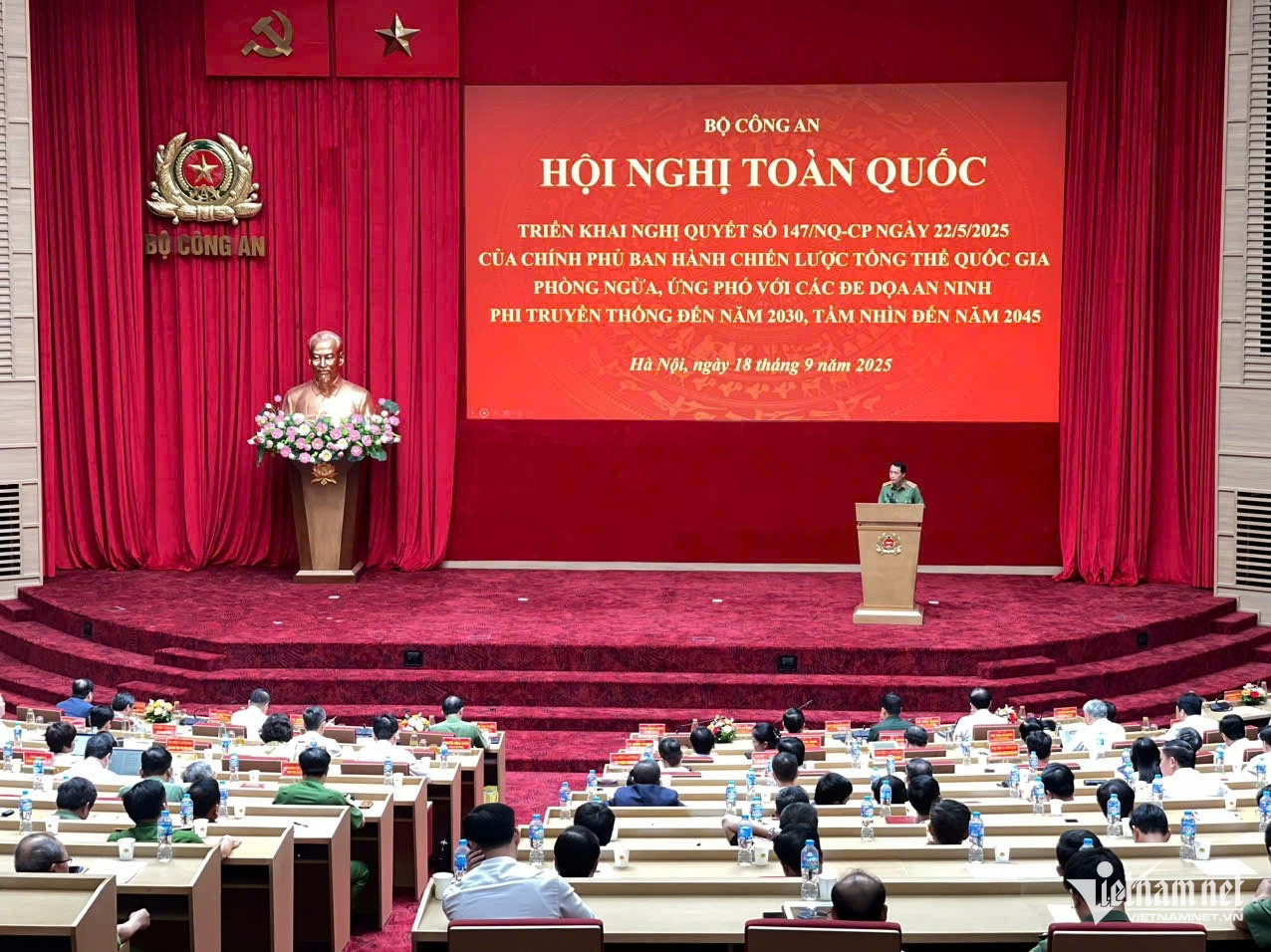
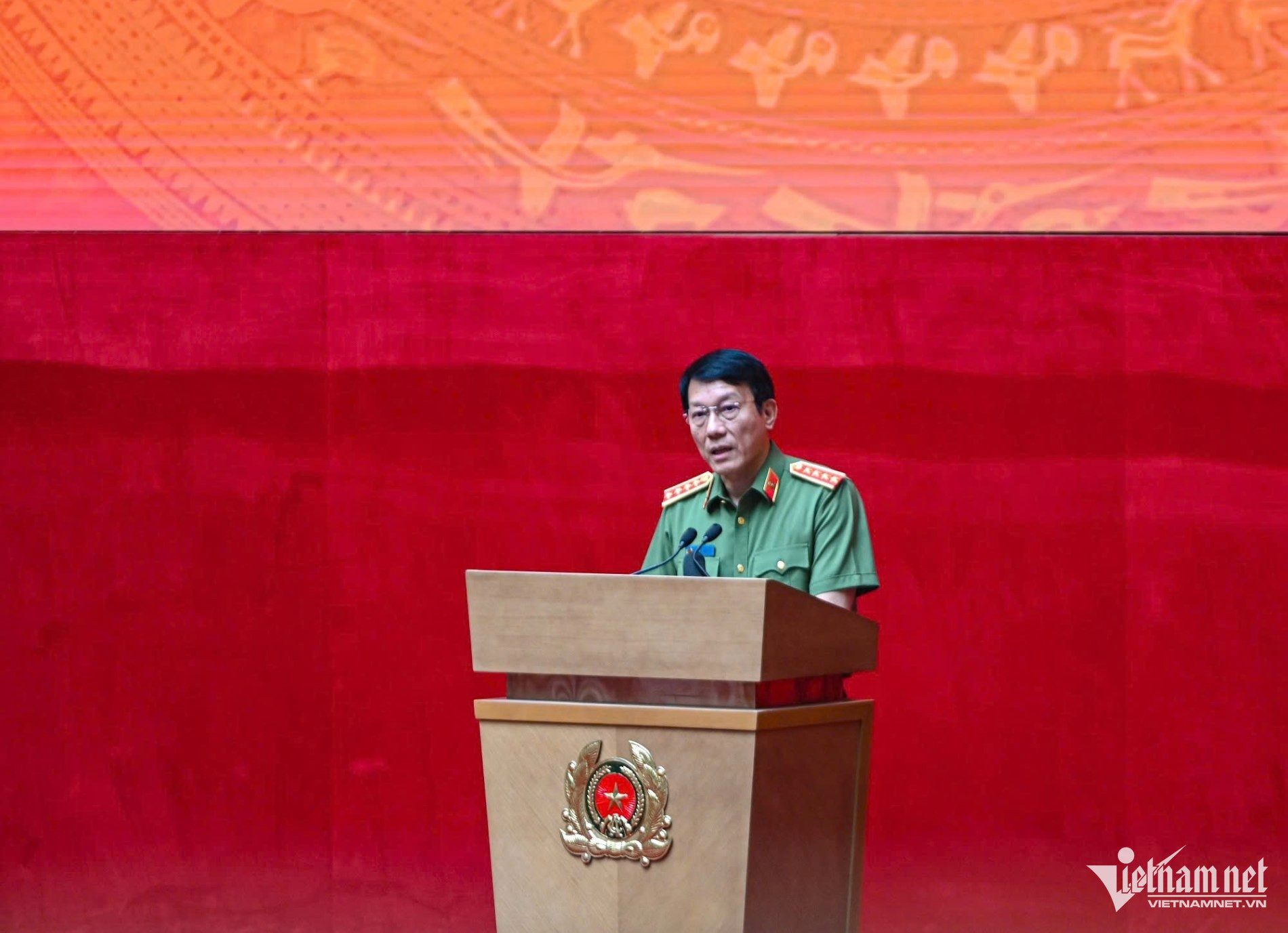
In his directive speech, Prime Minister Pham Minh Chinh praised the Ministry of Public Security for its initiative, thorough coordination, and responsible execution in advising, developing, and implementing the strategy and organizing the national conference. These efforts provide a solid foundation for responding effectively to evolving non-traditional threats.
The Prime Minister highlighted that the Party and State have long recognized the importance of non-traditional security, having issued several resolutions, strategies, and legal frameworks to proactively address these threats. The legal system has also been enhanced to reflect the Party’s views, fulfill international commitments, and meet practical needs, signifying a strategic shift from reactive to proactive and comprehensive management.
He noted that while advances in science, technology, artificial intelligence (AI), and digital transformation offer new opportunities, they also introduce serious national security challenges. These technologies empower criminals with more sophisticated tools, enabling the rapid rise of cybercrime, online fraud, transnational crime, and more. Data privacy is at increased risk, while cybersecurity threats such as hacking, data breaches, misinformation, and malicious content are escalating.
In light of these risks, the Prime Minister stressed that prevention must be proactive and response must be prompt and effective. This demands improved forecasting, basic research, real-time situational awareness, and tailored strategies. These actions must be grounded in robust data systems, digital transformation, technological innovation, and creativity.
He outlined core guiding principles, including:
Prioritizing prevention as fundamental, strategic, long-term, and decisive
Ensuring responses are urgent, timely, and effective, both for immediate and ongoing situations
Adopting a comprehensive, integrated approach combining administrative and scientific measures
Centering efforts on people as both beneficiaries and active participants
Mobilizing all available resources, harmonizing the “four-on-the-spot” model (local command, local forces, local logistics, and local resources) while leveraging external support
“Non-traditional security challenges are universal, comprehensive, and global. No individual or nation can resolve them alone. No country is safe if the world remains vulnerable,” the Prime Minister stressed.
“Therefore, global solidarity and a strong commitment to multilateralism are essential to achieving meaningful solutions.”
Hoang Hiep
.svg)
