 Vietnamnet.vn

 Podcast


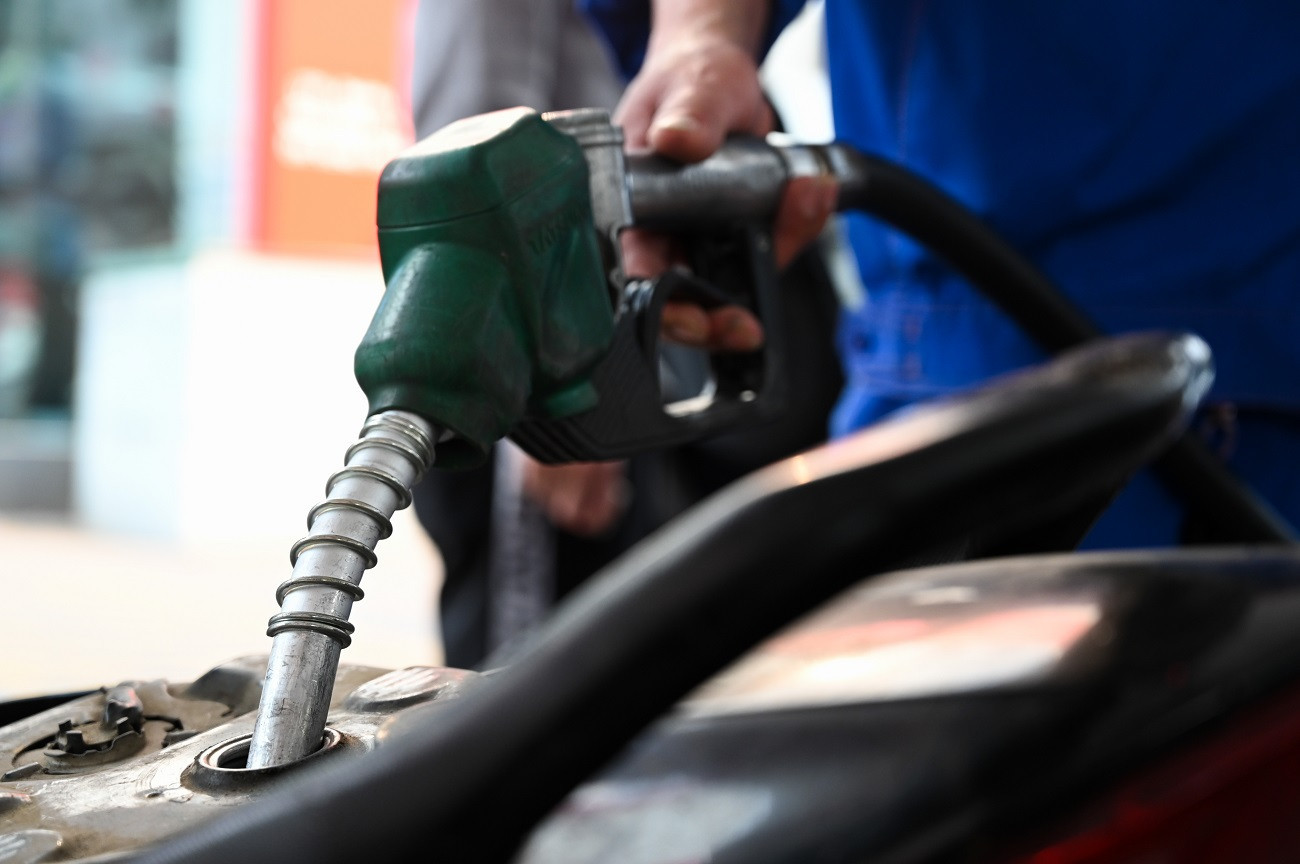
However, concerns remain that major fuel wholesalers could dominate the market if competition and oversight mechanisms are not effective enough.
Under the 14th draft of the decree on fuel trading, key petroleum traders and independent distributors would be allowed to set their own wholesale and retail prices in accordance with pricing laws and market mechanisms.
Under the draft, fuel prices would consist of the purchase price, sourcing costs, standard business costs, profit and taxes.
The purchase price and sourcing costs would be determined by businesses based on their actual operations. Standard business costs would initially be based on levels announced by the Ministry of Industry and Trade, which can be adjusted annually according to the consumer price index and reviewed once every three years.
Notably, profit would also be determined by key petroleum wholesalers based on their actual business operations.
Tran Huu Linh, director of the Domestic Market Management and Development Department under the Ministry of Industry and Trade, said giving traders the power to set prices would allow businesses with lower costs, better supply arrangements and more efficient operations to lower prices and attract customers.
If so, filling stations could then post different prices, creating competition in the market to attract consumers.
Regarding the proposal to let businesses set their own fuel prices, Ngo Tri Long, a respected price expert, said the mechanism could create more genuine price competition if the market has sufficient competitive conditions.
Consumers currently often see gas stations adjust their prices at almost the same time and to the same level. In a truly competitive market, businesses with lower costs, better management and better supply sources are able to sell at lower prices or provide better services, he said.
Too much power for key wholesalers?
One concern is that fuel wholesalers could gain influence over market prices because they would have the power to determine both prices and profits. Under the conditions set out in the draft, if the decree takes effect and is applied immediately, only 14-15 key fuel wholesalers would remain in the market.
Nguyen Xuan Thang, director of Hai Au Phat Petroleum, noted that the draft does not clearly specify how standard business costs and profits would be allocated among key wholesalers, distributors and retailers.
What worries distributors such as Thang is the draft provision that allows wholesalers to determine their profit. If key wholesalers can set wholesale prices and determine the portion of profit allocated to downstream businesses, discounts for retail gas stations could be driven extremely low or even to zero. Distributors could then lack sufficient funds to cover transportation, labor and gas station operating costs.
If the profit component remains in the pricing formula, Thang said the draft should stipulate that the amount be determined by each fuel trader rather than giving key wholesalers full control over it.
Economist Ngo Tri Long also noted that giving businesses the power to set prices does not automatically mean competition will emerge.
If the market is highly concentrated, supply is dominated by large businesses, and smaller traders depend on a limited number of wholesalers, allowing businesses to set their own prices could simply shift pricing power from the State to a handful of large companies. In that case, genuine competition may not necessarily emerge.
Therefore, for the self-pricing mechanism to create genuine competition, prices at individual gas stations and on digital platforms should first be made transparent so consumers can easily compare them. Competition authorities should also monitor practices such as price-fixing agreements, market allocation, the imposition of unreasonable trading conditions and abuse of dominant market position.
At the same time, it is necessary to be sure that distributors and retailers have multiple options for sourcing fuel. If they are entirely dependent on a single wholesaler, the formal right to set prices would be unlikely to translate into genuine competition.
Another possible solution is to build a national fuel price database. With tens of thousands of retail outlets, it would be difficult for the State to conduct effective oversight by relying solely on checks of individual price declarations. Instead, big-data tools should be used to promptly detect cases in which businesses raise prices abnormally.
Prof. Dr. Nguyen Thuong Lang from the National Economics, said the State should continue to maintain a certain role in the petroleum market, but could shift from direct intervention toward the use of market-based tools.
Tam An

