 Vietnamnet.vn

 Podcast


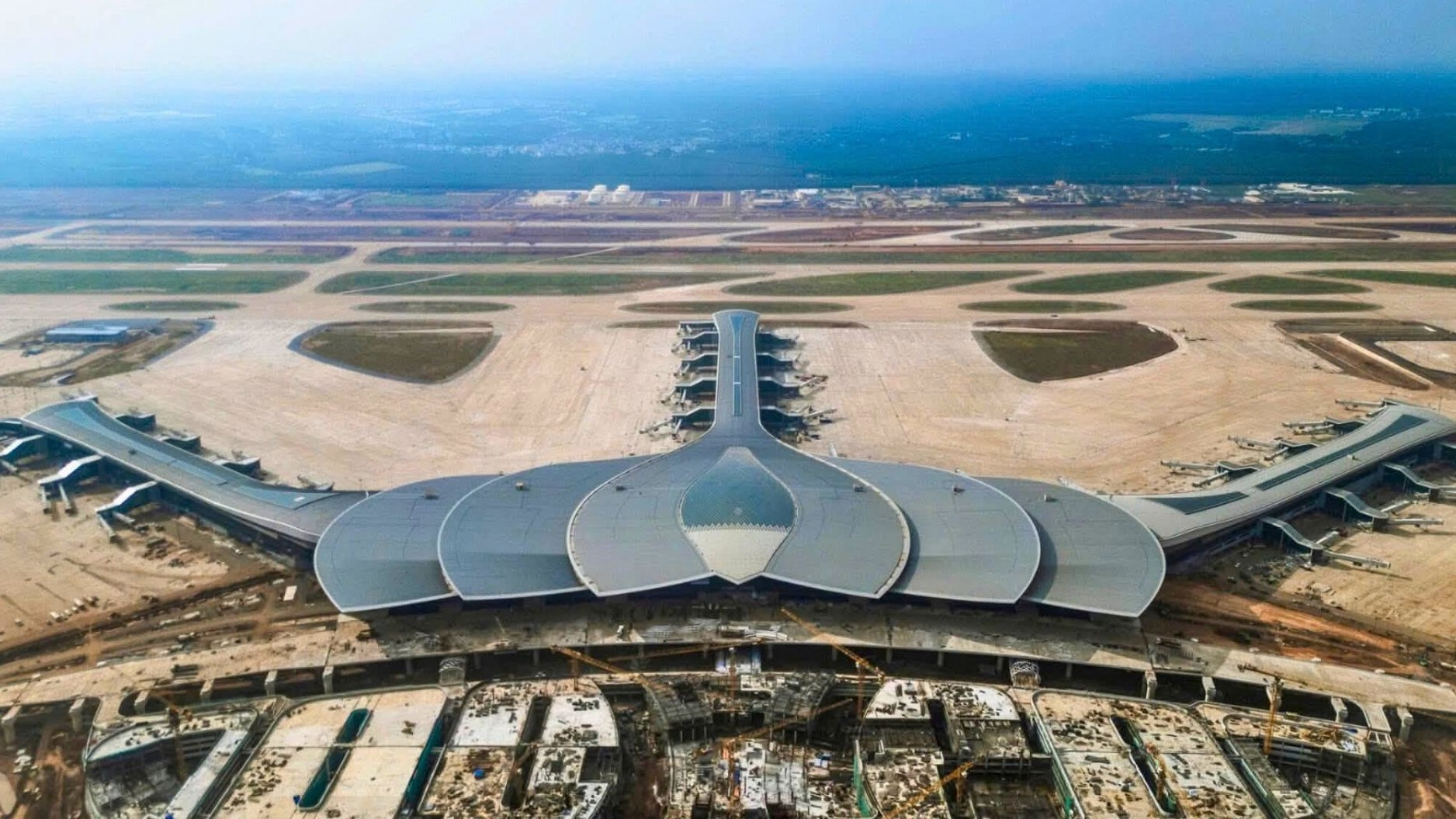
He said contractors are expanding the workforce to make up for lost time, working until 9pm and sometimes extending shifts until 1am or 2am. Senior contractor executives are personally present at the site to resolve problems involving manpower, equipment or funding, ensuring work continues without interruption.
At the multi-story parking garage construction site alone, the contractor consortium has had to mobilize more than 4,000 workers in several rounds to maintain a workforce of nearly 1,000.
Recruiting workers is difficult, but retaining a stable workforce is even harder when construction projects across the country are competing for labor. Meanwhile, prices of some construction materials, including sand, stone and asphalt, have risen by around 30-70 percent compared with the same period last year. Supplies from the Tan Cang quarry have struggled to keep up with surging demand.
Concentrating resources for the final sprint
By mid-October, executed volume on Component Project 3, invested by Airports Corporation of Vietnam (ACV), had reached 85.55 percent of contract value. Numerous airfield items had neared completion, while work on the passenger terminal had shifted focus toward equipment installation and operational system integration.
These results establish a solid foundation for welcoming commercial flights by year-end. However, one major bottleneck requiring continued resolution is payment to contractors.
Executed volume on Component Project 3 stands at roughly VND73,870 billion, whereas actual disbursement has reached around VND47,055 billion.
According to ACV, part of the contractor documentation remains incomplete. Many other line items face procedural delays stemming from design, material, and equipment modifications, alongside scope adjustments.
Contractors urgently need those payments to cover payroll, purchase raw materials, and sustain construction operations.
The final leg also requires technical systems to be fully completed and undergoing synchronized trial runs. The terminal requires power and data networks for equipment testing; baggage handling, security screening, and specialized operational lines must operate seamlessly prior to welcoming passengers.
And automated cargo handling equipment is not expected to arrive on site until early February 2027. Relevant parties are working with suppliers to expedite delivery while preparing phased operational schemes tailored to system readiness.
Meeting every deadline
The government has directed agencies to address payment bottlenecks. On September 8, Permanent Deputy Prime Minister Pham Gia Tuc instructed the Ministry of Finance to direct a working team to guide ACV in clearing obstacles related to advances, payments, and financial procedures, while the Ministry of Construction assists in coordinating site execution and paperwork.
ACV holds comprehensive responsibility for progress and quality, actively resolving issues within its authority to ensure payment delays never compromise progress schedules.
The directive clearly assigns responsibilities to the ministries and ACV for resolving problems involving quality assessments, unit prices and additional work volumes. For contractors, faster processing of documentation and timely payments will help sustain employees working around the clock at the site.
ACV said it had made seven rounds of payments totaling around VND6.3 trillion over five months, while ensuring sufficient funding was available for work eligible for payment. The project owner is working with contractors to complete the necessary documentation for further disbursements.
At the construction site, ACV is reviewing delayed work, adjusting scopes and transferring some items to other contractors with the capacity to carry them out. Contractors are recruiting additional workers, signing new agreements with construction teams, sourcing materials, and reorganizing work schedules.
By November 30, the project teams aim to complete the technical infrastructure needed to test the passenger terminal. The cargo terminal is focusing on completing its structural framework and enclosure by the end of November while installing internal systems.
In November and December, the parties will continue inspections, testing and preparations for operations. ACV is working with Incheon Airport consultants to develop 55 operational scenarios and conduct integrated trials to assess infrastructure, equipment and staffing.
Under the plan, the airport is expected to begin partial operations in December 2026. The remaining facilities and systems will continue to be completed in 2027.
Even with phased operations, all areas open to passengers must fully meet safety and quality requirements.
The area surrounding the airport is also planned to become an “airport city,” featuring hotels, duty-free shopping, a convention center, logistics facilities and aircraft maintenance services. Long Thanh is expected to serve as a major bridge linking Vietnam with the world as the country pursues double-digit economic growth.
Tu Giang

