 Vietnamnet.vn

 Podcast



Starting up with ‘giant rats’
Nine years ago, Bui Thanh Luong (born 1987), a resident of Thang Dien Commune, Da Nang, was working on the road, setting up stages, adjusting microphones, and installing lighting for weddings and parties. The demanding job and unstable income left him longing for a simpler, more personal path.
Growing up in a farming family, Luong was no stranger to livestock and had long dreamed of starting a business rooted in agriculture.
In 2016, he stumbled upon videos about bamboo rat farming - a rodent that resembles a large rat and is known by locals as “giant rats.” Intrigued by their low upkeep, easy access to food, and market potential, he decided to give it a try.

Bui Thanh Luong started a bamboo rat farm to launch his business.
Luong traveled to Nam Tra My District to buy 10 breeding pairs. However, without proper experience, most of the rats died.
Unwilling to quit, he journeyed to Dak Lak to observe established bamboo rat farms and learn firsthand. Upon returning home, he invested over 50 million VND (approximately $2,000) to build a tile-lined facility and purchase 20 more breeding pairs to start fresh.
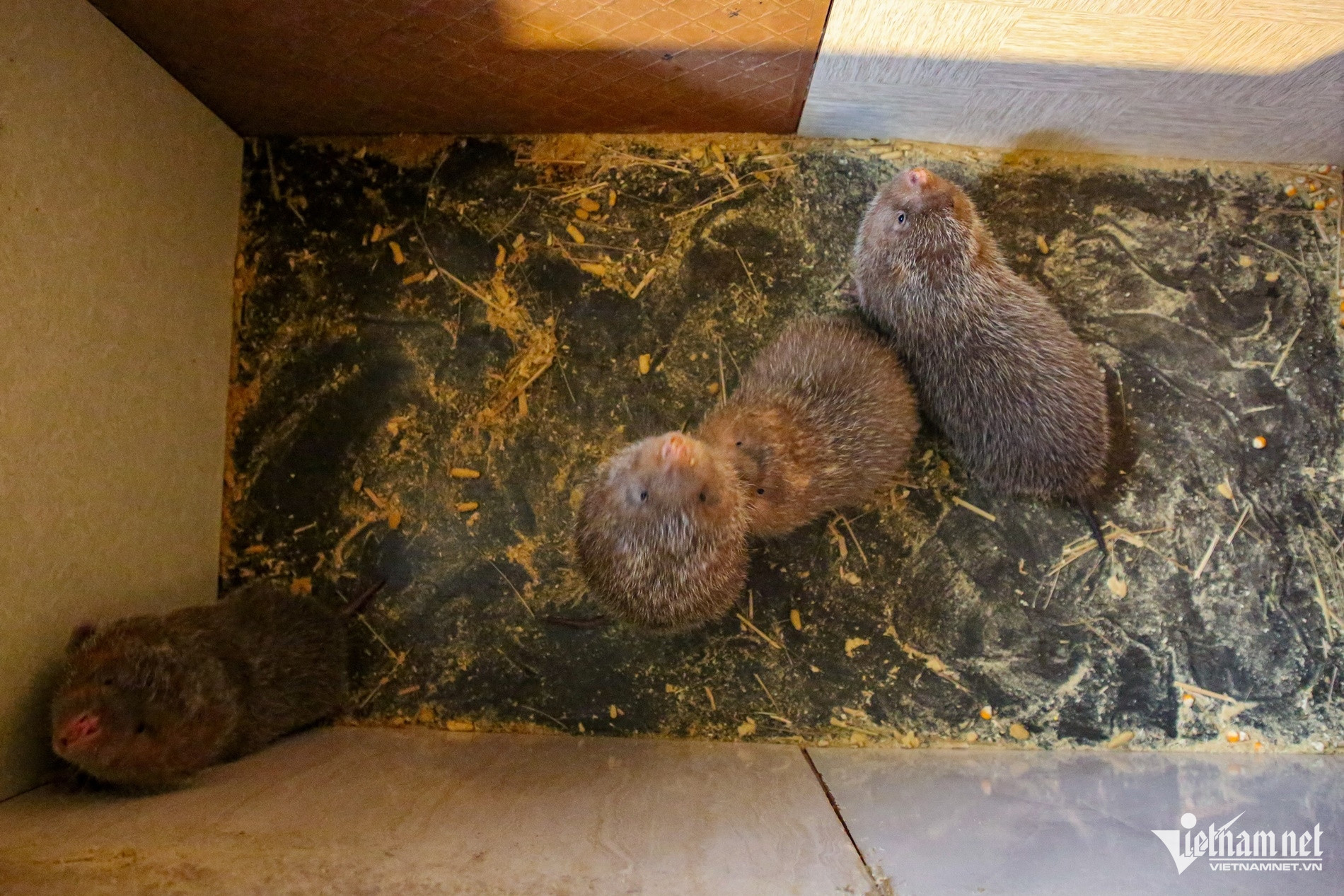
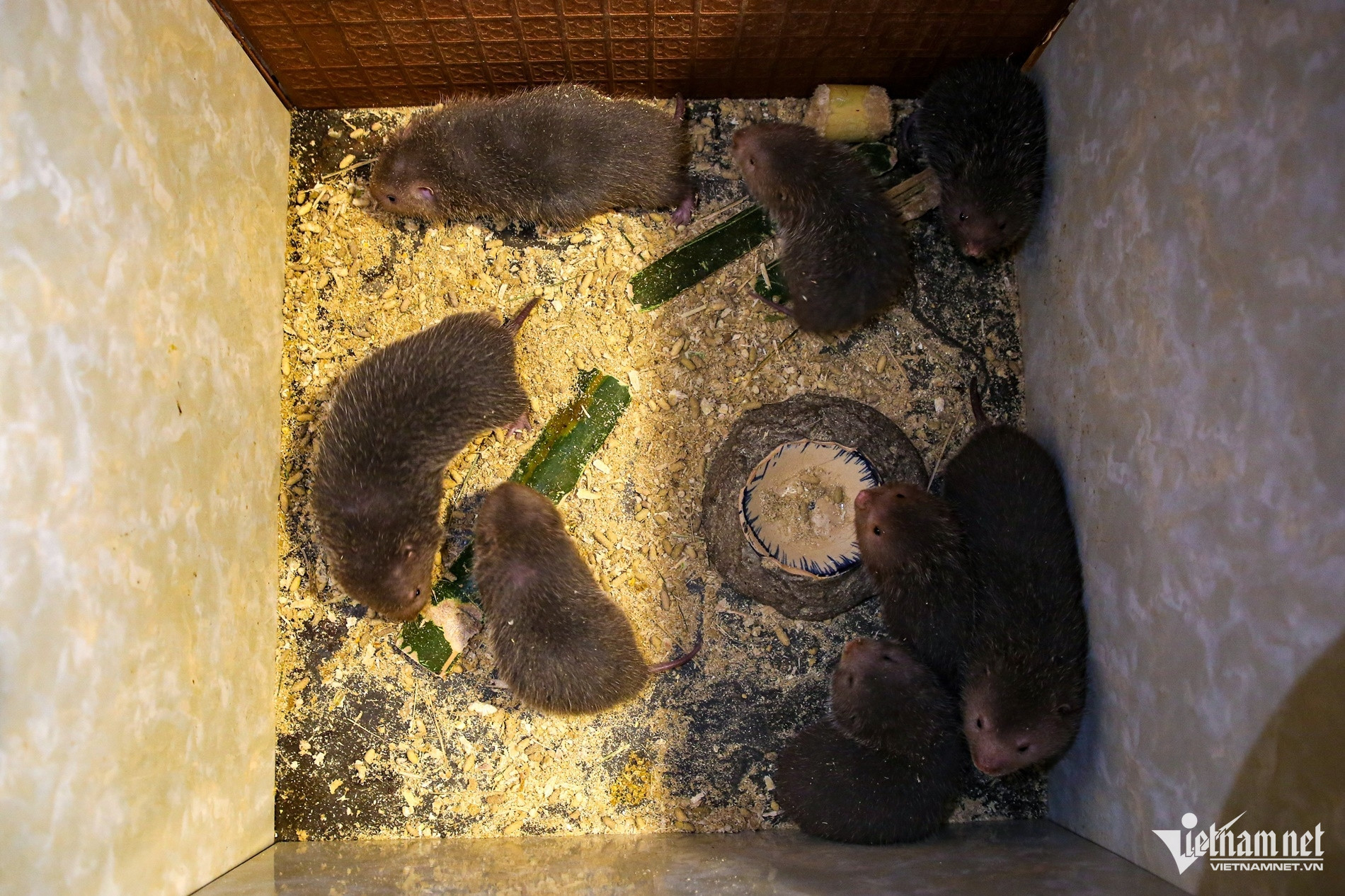
Today, his 120m² farm, located on family land, is divided into square pens measuring 50x50cm - ideal for the rats' nocturnal habits and aversion to light.
Low effort, high reward
 |
 |
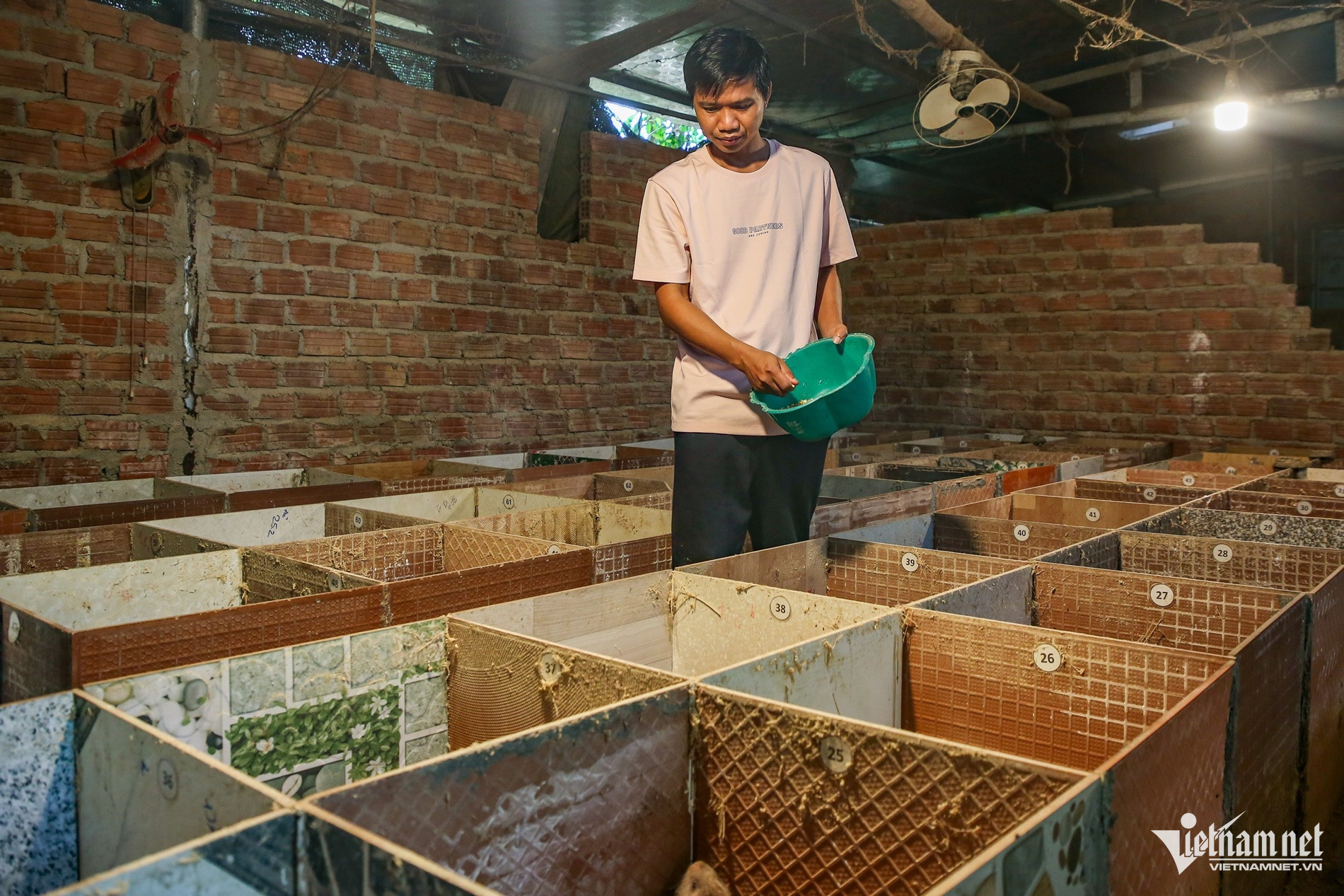
He feeds his bamboo rats once a day in the evening.
Luong explains that bamboo rats sleep during the day and are most active at night. To ensure healthy growth, their pens must remain dark, well-ventilated, quiet, and maintain a stable temperature between 25-30°C.
To cut costs, he grows most of their food - bamboo, sugarcane, corn, and elephant grass - on the family’s land. The rodents are fed just once daily in the evening. Routine cleaning and disinfection keep disease at bay.
“Feed must be fresh and clean. The key is to monitor mating cycles closely. When females are in heat, they must be paired at the right time and separated promptly to prevent fighting, cannibalism, or inbreeding,” Luong says. He adds that the job allows him more time to spend with his family.
From a handful of breeding pairs, he has grown his stock to over 400 rats, including around 100 breeding females. Each mother gives birth two to three times per year, with one to four pups per litter. Babies are weaned after 45 days and raised separately.
Market-ready rats reach 1.5–2kg in 10 months and sell for roughly 500,000 VND/kg (around $20). Most orders come from specialty restaurants in Ho Chi Minh City, Dong Nai, and Binh Thuan.
“Demand is very high. Sometimes I have to ask customers to wait a month because I can’t supply enough,” Luong shares.
He sells approximately 300 bamboo rats per year, earning over 200 million VND (around $8,000). Since he grows his own feed and breeds his own stock, operational costs stay below 10% of his revenue - meaning most of it is profit.
Empowering others to follow
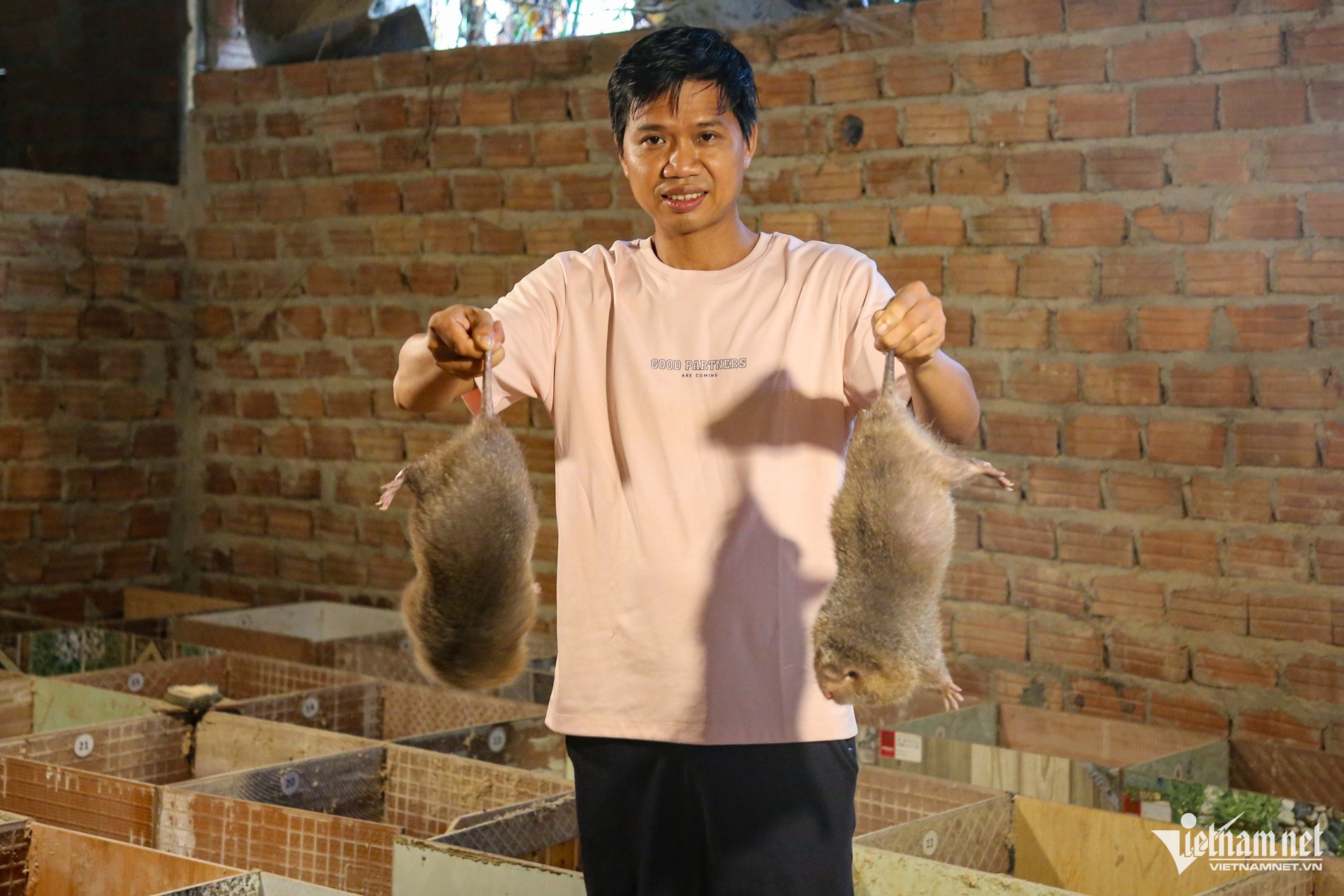
Luong now mentors others interested in bamboo rat farming. He encourages aspiring farmers to visit reputable farms and avoid wild, untrained rats, which carry higher risks.
Looking ahead, he plans to expand his facilities and double his breeding stock to meet growing demand.
Amid the peaceful countryside of Da Nang, Luong’s bamboo rat farm quietly thrives. Choosing to stay in his hometown and raise an unfamiliar animal, he is steadily building both a livelihood and a legacy.
Ha Nam
.svg)
