 Vietnamnet.vn

 Podcast



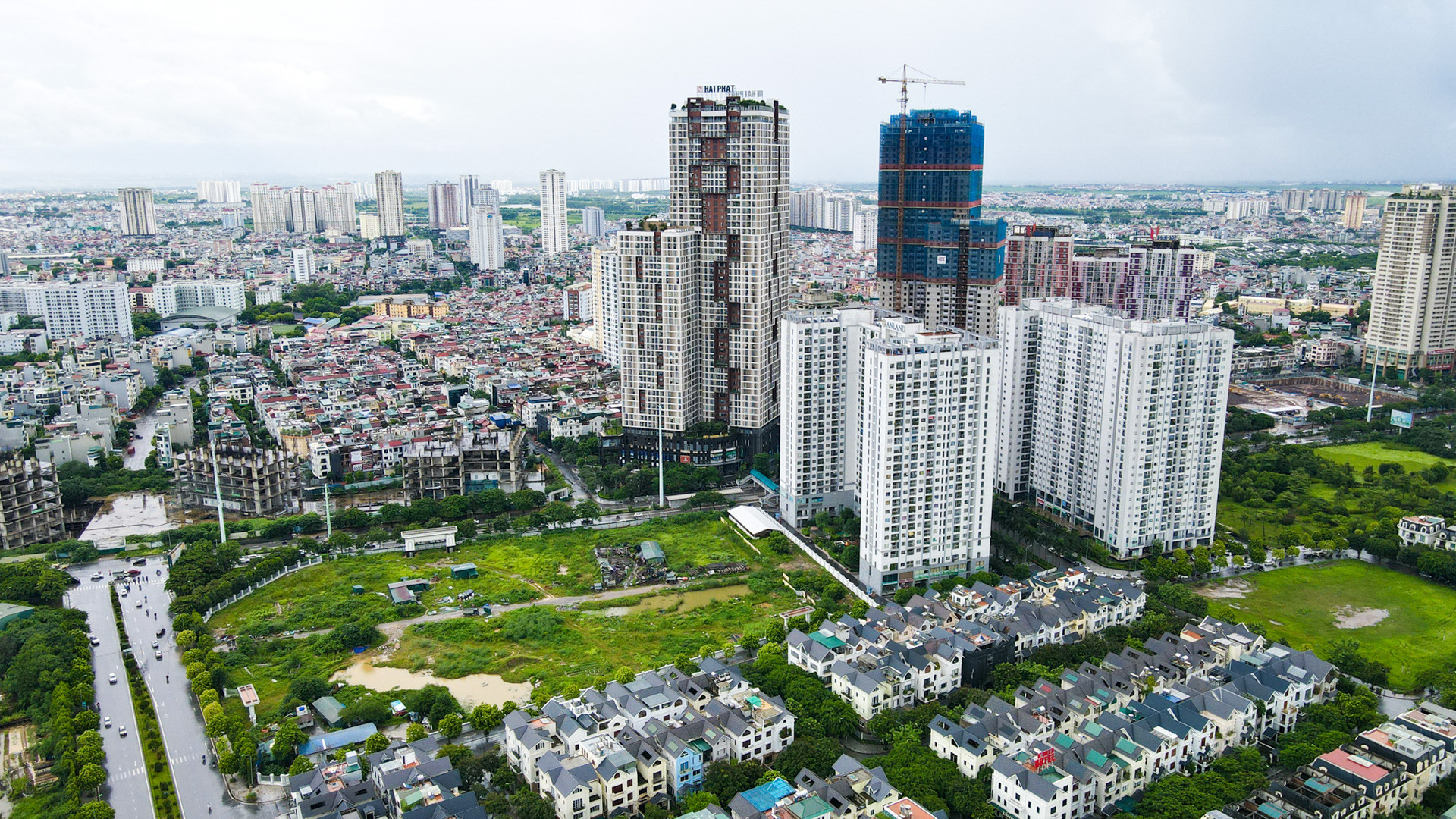
While many property developers reported solid financial results during the first nine months of 2025, only a few stocks saw meaningful gains.
Vinhomes JSC recorded a post-tax profit of over VND 15.3 trillion (approximately USD 627 million), with sales volume - though not yet recognized as revenue - doubling year-over-year. Phat Dat (PDR) reported a profit of VND 201 billion (USD 8.2 million), up 31%. DIC Corp (DIG) achieved nearly VND 200 billion (USD 8.2 million) in profit, over 13 times its figure from the same period last year. These results reflected a gradual recovery from the prolonged downturn between 2022 and 2024.
From April through early September, real estate stocks were among the main drivers of the VN-Index’s impressive rally. But momentum shifted quickly. Aside from heavyweights like Vingroup (VIC) and Vinhomes (VHM), most property stocks stagnated - or even reversed course.
For the year, the average price increase across the real estate group still lagged behind the VN-Index’s 40% surge.
The standout was VIC, Vingroup’s stock, which soared eightfold - from VND 40,000 to between VND 320,000 and VND 340,000 per share (USD 1.63 to USD 13.8, unadjusted for splits). VHM, Vinhomes' stock, tripled from VND 40,000 to VND 120,000 (USD 1.63 to USD 4.9).
As Vietnam’s largest property developer, Vingroup - and its residential arm Vinhomes - benefit from vast land banks and major ongoing projects like Royal Island, Wonder City, and OCP 2 & 3, which continue to fuel investor confidence.
Not all stocks kept pace
Other real estate stocks struggled despite solid operational recoveries. For example, DIG rose only 4.3% to VND 17,050 (USD 0.70), while Novaland (NVL), despite progress in debt restructuring, gained just 35%, ending the year at VND 13,900 (USD 0.57) - still underperforming the broader index.
Khang Dien House (KDH) and Nam Long Investment (NLG) saw declines, and Phat Dat (PDR) remained flat.
Quoc Cuong Gia Lai (QCG) remained mired in debt. Recently, it sold its entire stake in two related property firms to repay obligations stemming from the high-profile legal case involving Truong My Lan.
FLC Group reversed a previous year’s loss with an estimated 2025 real estate profit of VND 635 billion (USD 26 million). Still, its stock - and others in its ecosystem such as GAB, KLF, and HAI - were delisted from UPCoM on December 31 for failing to maintain public company status. FLC is working to rectify information disclosure violations.
This divergence highlights where capital is flowing: toward large-scale developers with strong land portfolios and robust project pipelines. Meanwhile, many smaller firms remain trapped in restructuring and debt, amid a volatile market.
Outlook for 2026
Despite real estate prices and transaction volumes rising sharply in the first three quarters of 2025, the stock market performance remained highly selective.
Statistics show average property prices in Hanoi and Ho Chi Minh City rose over 20% in the first 11 months. In some areas, home prices now equate to up to 26 years of average income - making ownership increasingly out of reach.
Throughout the year, VIC and VHM were often the two stocks propping up not only the real estate sector but also the VN-Index.
Even on December 30, 2025, when most property stocks dropped, gains in VIC and VHM helped the sector close the session with a 1% uptick.
The capital shift toward a few favored names - rather than broad-based gains - was evident. Stocks with valuable land reserves like VPI and KBC also saw modest increases.
Looking to 2026, several securities firms project continued growth in the housing sector, driven by strong end-user demand, low interest rates, and aggressive infrastructure investment.
Recommended stocks for 2026 remain familiar: Vinhomes (VHM), Dat Xanh (DXG), Khang Dien (KDH), Novaland (NVL), Phat Dat (PDR), and HDC. With home prices high and demand resilient, many developers anticipate stronger profits and improved cash flow.
Long-term, mega infrastructure projects - such as expressways, metro lines, airports, and seaports - are expected to support a broader recovery in the real estate sector and the full revitalization of property stocks.
Manh Ha
.svg)
