 Vietnamnet.vn

 Podcast



A report by the Ministry of Industry and Trade’s Domestic Market Management and Development Department showed that Vietnam’s retail goods and services market reached approximately $269 billion in 2025, including around $205 billion in retail goods.
In the first eight months of 2026, total retail sales of goods and consumer service revenue at current prices were estimated at VND5.23 quadrillion ($198 billion), up 13.3% from the same period a year earlier.
Notably, the market is forecast to grow by an average of 10-12% annually, with total retail sales of goods and services potentially reaching around $450 billion by 2030.
The outlook underscores the potential of a consumer market of more than 100 million people and is encouraging retailers to rapidly scale up their operations.
WinCommerce, which operates the WinMart and WinMart+ chains, aims to open around 1,000-1,500 additional stores in 2026, taking its network to approximately 6,100 locations.
Bach Hoa Xanh, meanwhile, began expanding into northern Vietnam in 2026 and is targeting around 1,000 new stores a year.
Thailand’s Central Retail plans to invest approximately $1.5 billion to develop another 10-12 shopping centers and GO! supermarkets between 2026 and 2028. It also expects to add around 23-25 mini go! stores during the same period.
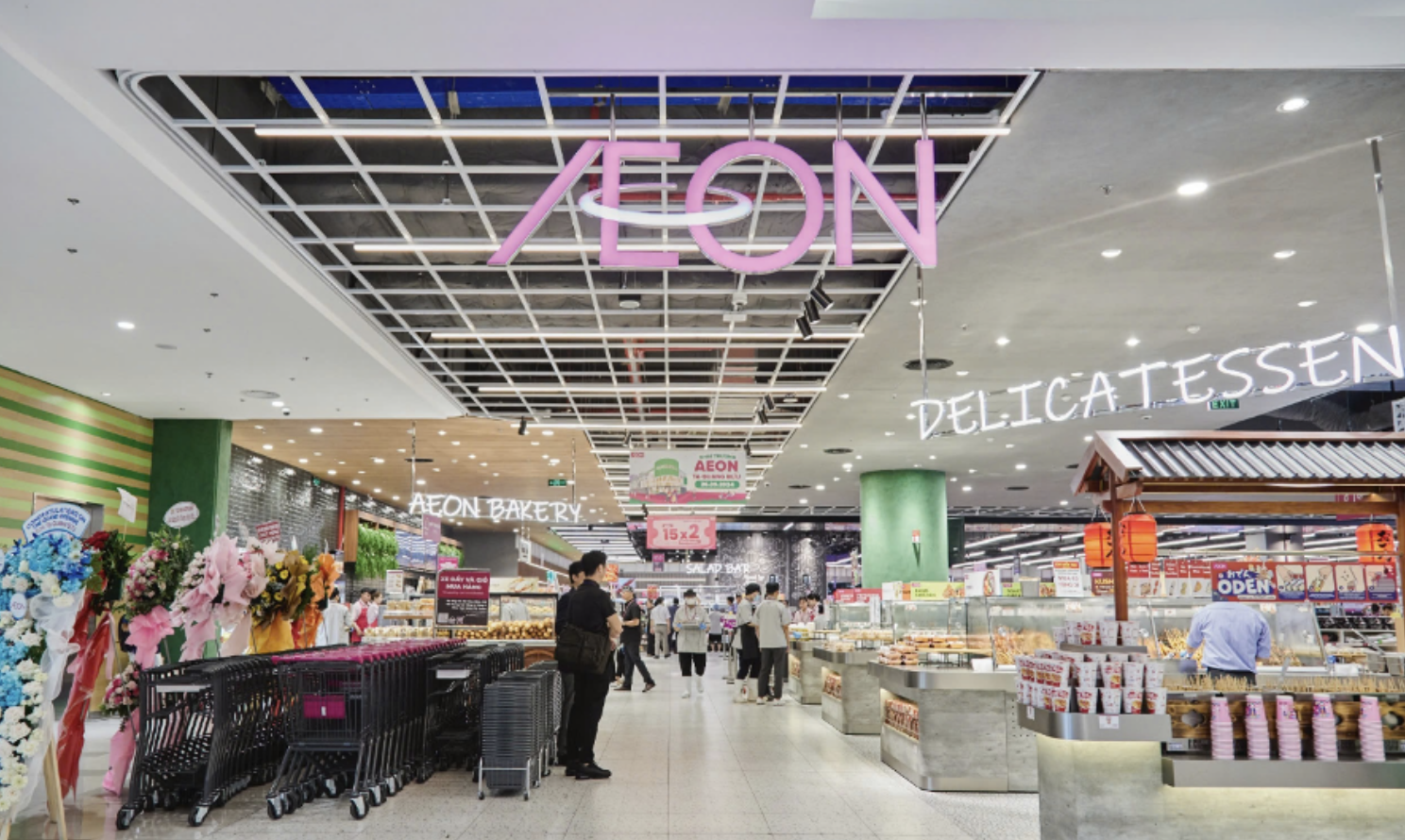
Japanese retail giant Aeon is similarly stepping up its expansion, opening three new shopping malls in Vietnam this year.
“This is the fastest pace of new openings we have recorded in Vietnam since entering the market in 2013,” Isobe Daisuke, general director of AeonMall Vietnam, said at a Sept. 11 press conference introducing the Aeon Thanh Hoa and Ha Long shopping malls.
Aeon considers Vietnam one of its key markets in Southeast Asia and is continuing to expand its shopping mall network across provinces and cities.
According to company executives, demand for shopping, leisure and entertainment is increasing in cities and provinces outside Vietnam’s biggest urban centers. Developing large shopping malls integrating multiple services and amenities is therefore one of Aeon’s strategic priorities.
Aeon Mall locations in Vietnam have attracted large numbers of visitors in recent years. Aeon Mall Ha Dong in Hanoi alone receives around 10 million visits annually.
On an average per-mall basis, visitor numbers in Vietnam are significantly higher than at Aeon Mall locations in Japan, indicating the appeal and growth potential of the Vietnamese market.
Aeon representatives said purchasing at its Vietnam operations has so far reached 125% of the level recorded during the same period last year, representing 25% growth.
Alongside large-format shopping malls, Aeon is pursuing a diversified retail strategy that includes general merchandise stores and supermarkets as well as convenience stores.
These formats allow the company to expand into satellite urban areas while responding more flexibly to different consumer needs.
The Japanese retailer has committed to sourcing around 80-90% of the products in its fresh food sections from Vietnam.
Vietnamese products that meet Aeon’s standards can not only be sold domestically but may also have opportunities to be exported to Japan and other markets within the group’s network.
Aeon is also developing private-label products. Manufacturing them in Vietnam helps lower logistics costs, optimize prices and improve the competitiveness of domestic producers.
Aeon Vietnam generated $624 million in revenue in 2025, 2.5 times its level six years earlier.
By 2030, the company expects its revenue to triple from the current level and its profit to quadruple.
Tam An
.svg)
