 Vietnamnet.vn

 Podcast



x`
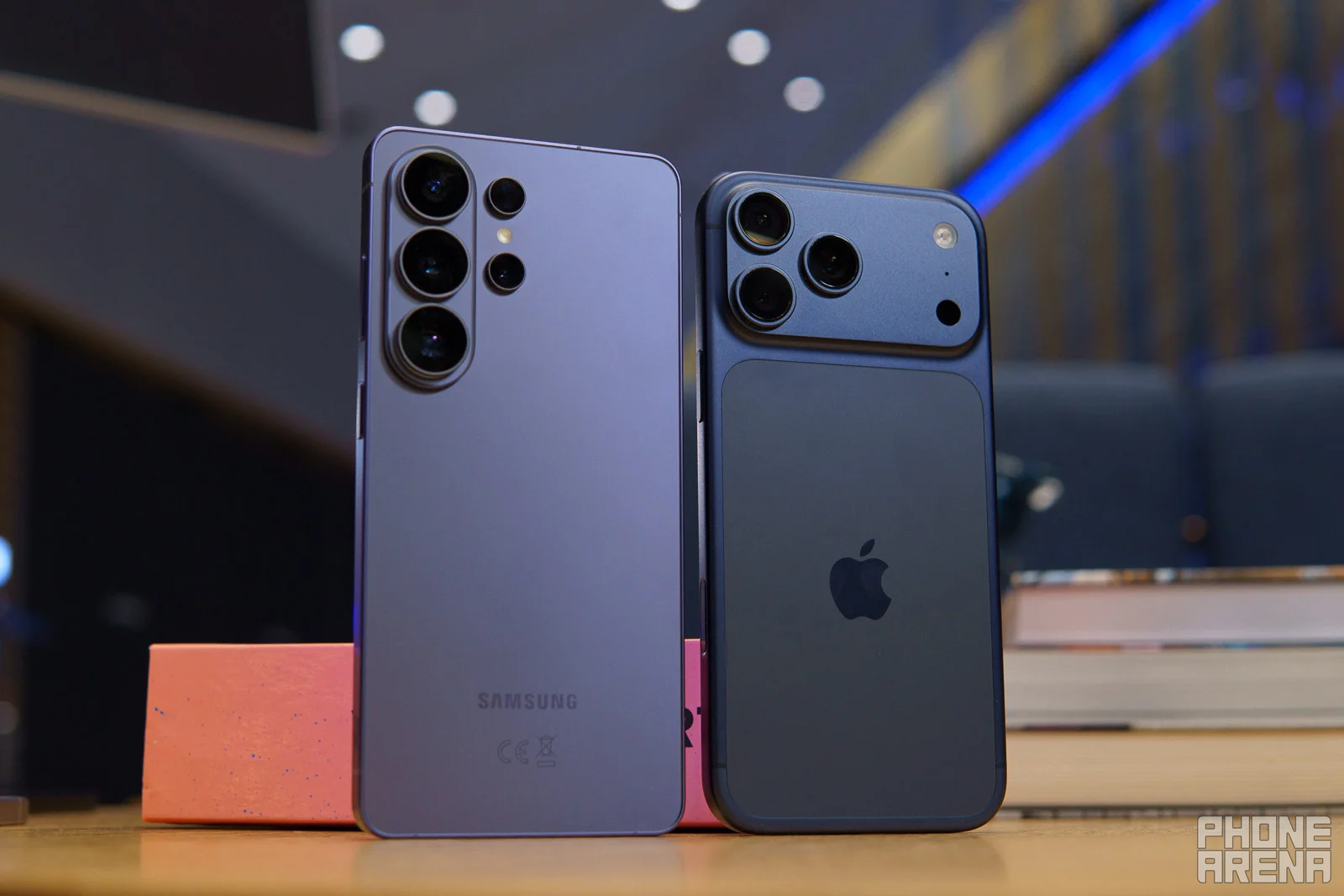
A recent rumor circulating on Chinese social media platform Weibo claims the iPhone 18 Pro Max could launch with a price exceeding US$1,600. While Apple has not confirmed the report and it should be treated with caution, the mere possibility of another price increase has raised an important question: will consumers still be willing to upgrade to Apple's most premium iPhone if prices continue to climb?
A survey conducted by technology website PhoneArena provides a clear indication. Price is increasingly becoming the deciding factor, with the potential to change purchasing behavior that has defined the iPhone user community for years.
Most users would rather wait than upgrade immediately
According to the survey, 55.79% of respondents said they would continue using their current iPhone for longer if the iPhone 18 Pro Max sees a significant price increase instead of upgrading as soon as it goes on sale.
The findings suggest that waiting has become the preferred strategy. Rather than spending hundreds of additional dollars to own the latest device on day one, most users are prepared to extend the lifespan of their current iPhone by another year or more.
Notably, these users are not planning to leave Apple's ecosystem. Instead, they prefer to delay upgrading until pricing becomes more reasonable or until a future model offers improvements they believe justify the cost.
The results also reflect the growing replacement cycle for premium smartphones, as recent iPhone models continue to deliver strong performance while receiving software support for many years.
Brand loyalty still matters - but has its limits
Despite the cautious outlook, Apple continues to enjoy a loyal customer base.
Around 20.39% of survey participants said they would buy the iPhone 18 Pro Max even if its price rises significantly. For these consumers, owning Apple's newest flagship outweighs concerns about cost.
The finding echoes comments made by Apple CEO Tim Cook in June 2026, when he acknowledged that product price increases had become increasingly difficult to avoid.
According to Cook, Apple has been facing sharply higher component and manufacturing costs. The company has absorbed much of those increases to reduce the impact on consumers, but the additional costs have become too significant to sustain under its previous pricing strategy.
However, with only about one in five respondents willing to purchase regardless of price, the survey also suggests that brand loyalty has its limits. Even committed Apple users expect value that matches what they pay.
Could higher prices push users toward Android?
Another notable finding is that 17.38% of respondents said they would consider switching to an Android smartphone if the iPhone 18 Pro Max becomes too expensive.
The result reflects the narrowing gap between Apple's flagship devices and leading Android smartphones. As Android manufacturers continue improving cameras, artificial intelligence capabilities, displays and overall performance while maintaining more competitive pricing, a higher iPhone price could encourage some users to explore alternatives.
The survey also highlights that brand loyalty has a breaking point, particularly when prices exceed consumers' budgets or expectations.
Pro users are not eager to downgrade
One surprising result is that only 6.44% of respondents said they would switch to the standard iPhone 18 if the Pro Max becomes too expensive.
In other words, most existing Pro users are unwilling to sacrifice premium features simply to save money. They would rather postpone upgrading - or even move to Android - than purchase the standard model.
For Apple, this could be an important signal. Widening the gap between Pro and standard models may not deliver the desired results if consumers do not view the base version as an attractive alternative.
iPhone 18 Pro Max is still expected to bring major upgrades
Current rumors suggest Apple will equip both the iPhone 18 Pro and iPhone 18 Pro Max with the A20 Pro chip, manufactured using TSMC's advanced 2-nanometer process. The new processor is expected to deliver substantial gains in performance, artificial intelligence processing and power efficiency.
The flagship models are also rumored to feature a variable-aperture camera system, allowing greater flexibility across different lighting conditions while improving overall image quality.
These upgrades could make the new devices highly appealing. However, the survey indicates that cutting-edge technology alone may not persuade consumers to accept unlimited price increases.
Hai Phong
.svg)
