 Vietnamnet.vn

 Podcast



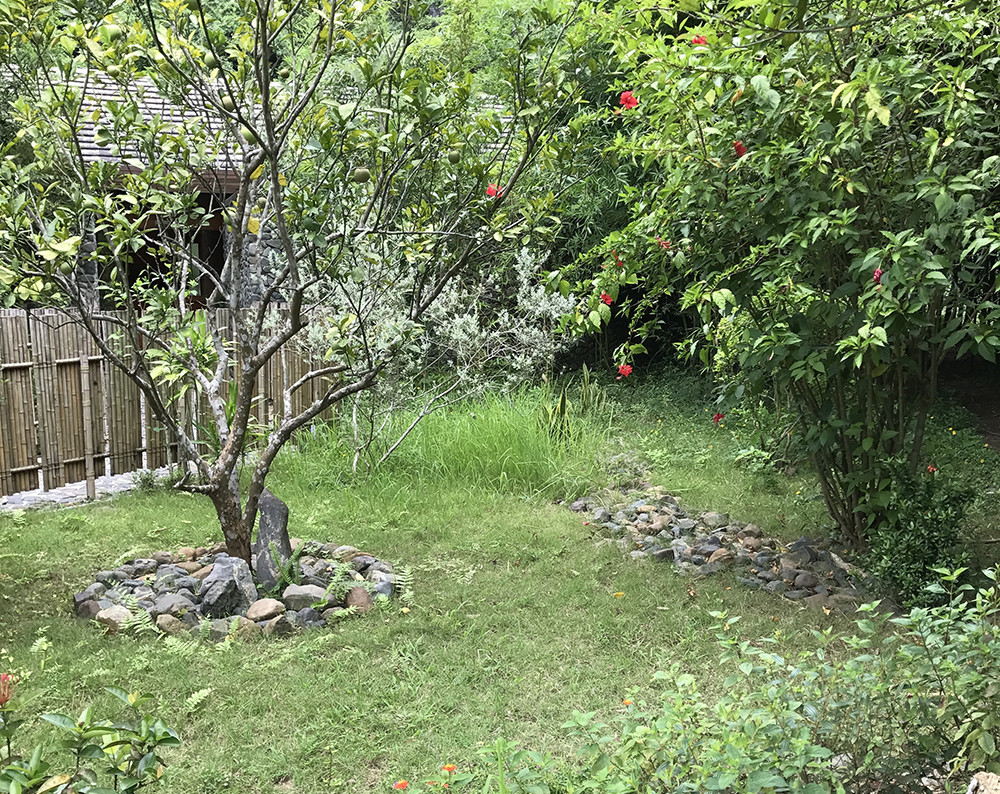
In 2021, as the "leaving the city for the countryside" trend spread across social media, Minh, 35, decided to leave his marketing management position in Hanoi with a salary of over VND40 million per month to invest in a homestay in Hoa Binh.
With more than VND2 billion in savings and an additional VND1 billion loan from the bank, he leased land long-term, built six bungalows in a minimalist style, and placed high expectations on the post-pandemic tourism recovery.
Initially, his homestay attracted guests thanks to social media. The weekend occupancy rate sometimes reached nearly 80 percent, leading him to believe that leaving the city was a right turning point. But after just one year, the operational reality began to diverge far from expectations.
Homestay revenue depends heavily on seasonality. During peak months, revenue could reach VND250–300 million per month. But in low season, this figure dropped to VND60–80 million, with some months barely covering operating costs.
Pressure came from significant fixed costs: staff salaries, utilities, maintenance, replacement of supplies, ongoing marketing, and bank loan interest. On average each month, he had to spend about VND120 million on operations and debt repayment. When revenue decreased, cash flow immediately became strained.
Minh revealed that he was strongly influenced by inspiring stories on social media about a gentle life owning a homestay amidst nature. He believed that beautiful design and good marketing were enough for smooth operation.
But in reality, he realized the financial puzzle was much more complex: unstable occupancy rates, continuous incurred costs, and pressure increasing with scale.
He admitted there were periods where he worked nearly 16 hours a day, personally handling operations, customer care, running advertisements, and managing cash flow. That experience made him realize that being an owner does not equate to freedom as previously thought, because pressure does not disappear but merely shifts.
After two years of struggling with cash flow, he decided to transfer the homestay at a price lower than the total initial investment capital. A loss of nearly VND800 million was the price to pay. He said he felt sad, but also relieved because he was no longer weighed down by monthly financial obligations.
What is financial freedom?
According to financial advisor Nguyen Manh Cuong, many people confuse "ownership" with "financial freedom." When moving from employment to business, risks do not disappear but are converted into market risks and cash flow risks. Furthermore, if financial leverage is used, the risk level is even higher due to fixed interest costs and debt repayment obligations.
The homestay model is heavily impacted by macro factors such as pandemics, economic fluctuations, tourism trends, and increasing competition. Without a reserve fund long enough to maintain operations during market slowdowns, the model is very vulnerable. For seasonal industries like accommodation, the reserve fund needs to be large enough to "endure" prolonged low seasons.
In Minh's case, the initial reserve fund was only enough to maintain about six months. When the market slowed down, he was forced to borrow more to rotate cash flow. From here, the dream of ownership began to be dragged down by debt pressure and fixed costs.
Cuong believes that the decision to start a business or invest should not be based solely on emotions and trends. Most importantly, one must look directly at the cash flow structure and risk tolerance. For seasonal models, the reserve fund factor and worst-case scenarios need to be calculated from the start, as just one period of market decline can overturn the entire plan.
The expert emphasized that financial freedom does not mean leaving an office job or moving to the countryside. Financial freedom is the ability to control risks and cash flow, giving oneself the right to choose a lifestyle and way of working. Living location does not determine that.
Leaving the city for the countryside can be a positive turning point, but only when built on careful calculations rather than unrealistic expectations shaped by curated images on social media.
Duy Anh
.svg)
