 Vietnamnet.vn

 Podcast


On November 9, the Vietnam Academy of Science and Technology (VAST) held a welcoming ceremony in the northern port city of Hai Phong for the Russian scientific research vessel Akademik M.A. Lavrentyev.
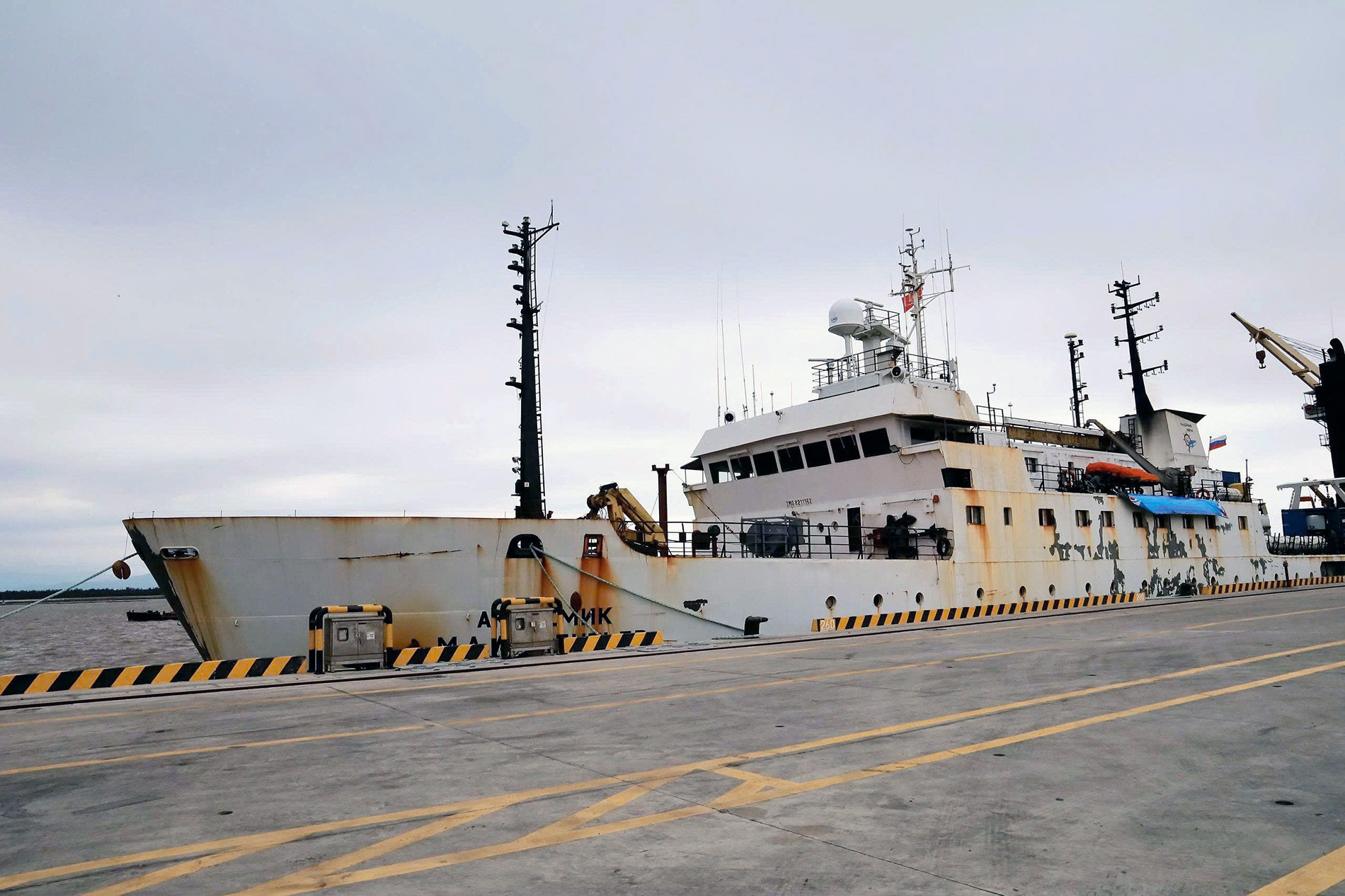
The event marked the third joint marine research expedition involving Vietnamese and Russian scientists and launched field activities under the two countries' marine research cooperation roadmap for 2026-2035.
Speaking at the ceremony, Professor Tran Tuan Anh, Vice President of VAST, highlighted the significance of the expedition, which takes place during the Vietnam-Russia Cross Year of Science, Technology and Education Cooperation 2026.
Building on previous expeditions in 2019 and 2025, the 2026 mission represents another step in implementing long-term scientific cooperation while strengthening trust and professional ties between researchers from both countries.
According to Tran Tuan Anh, Vietnam-Russia marine research cooperation has developed over several generations.
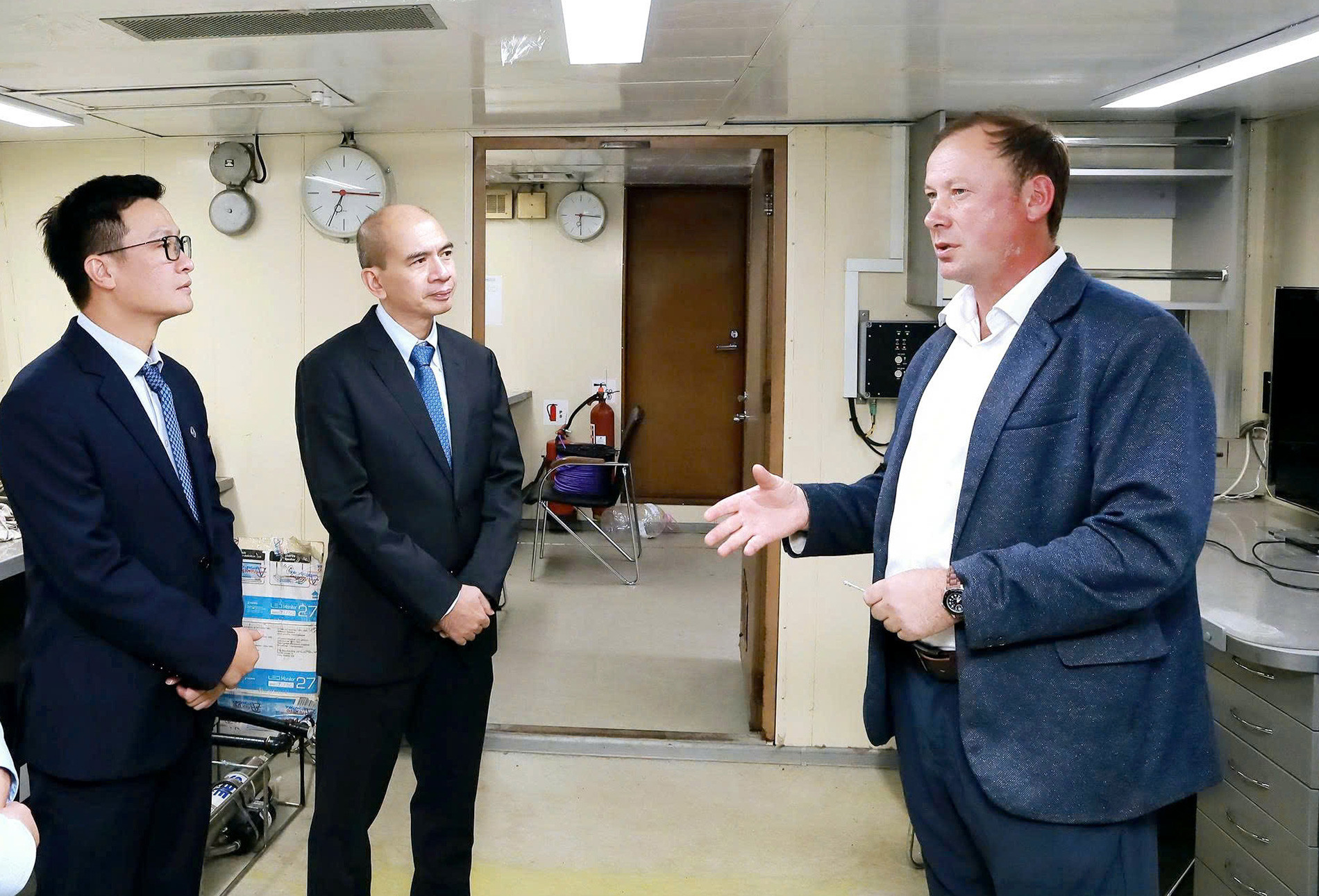
Expeditions aboard the Akademik M.A. Lavrentyev have been particularly important in connecting the research capabilities of VAST's Institute of Earth Sciences with the Pacific Oceanological Institute under the Far Eastern Branch of the Russian Academy of Sciences.
Dr. Renat Shakirov, head of the Russian scientific delegation aboard the vessel, explained that the ship was named after Mikhail A. Lavrentyev (1900-1980), a prominent Soviet mathematician and mechanician.
Equipped with multidisciplinary research instruments, the vessel can conduct geological, geophysical, geochemical, hydroacoustic, oceanographic and marine environmental surveys.
The 2019 and 2025 expeditions collected valuable data on Vietnam's natural marine conditions, geological structures and ocean environment.
By revisiting previous survey routes and research stations while adding new observation sites, scientists are gradually developing a more comprehensive understanding of Vietnam's marine areas.
According to Shakirov, the 2026 expedition will focus on geological, geophysical, geochemical and oceanographic characteristics, particularly along Vietnam's continental shelf and continental slope.
Vietnamese and Russian researchers will investigate the structure and geological evolution of the seabed, natural gas seepage, potential marine resources and various geological and environmental processes.
An important objective is to expand and update the scientific database used to develop an atlas of natural conditions in Vietnam's exclusive economic zone.
The atlas is expected to provide valuable scientific information for baseline marine surveys, resource management, environmental protection and marine spatial planning.
Building Vietnam's deep-sea research capabilities
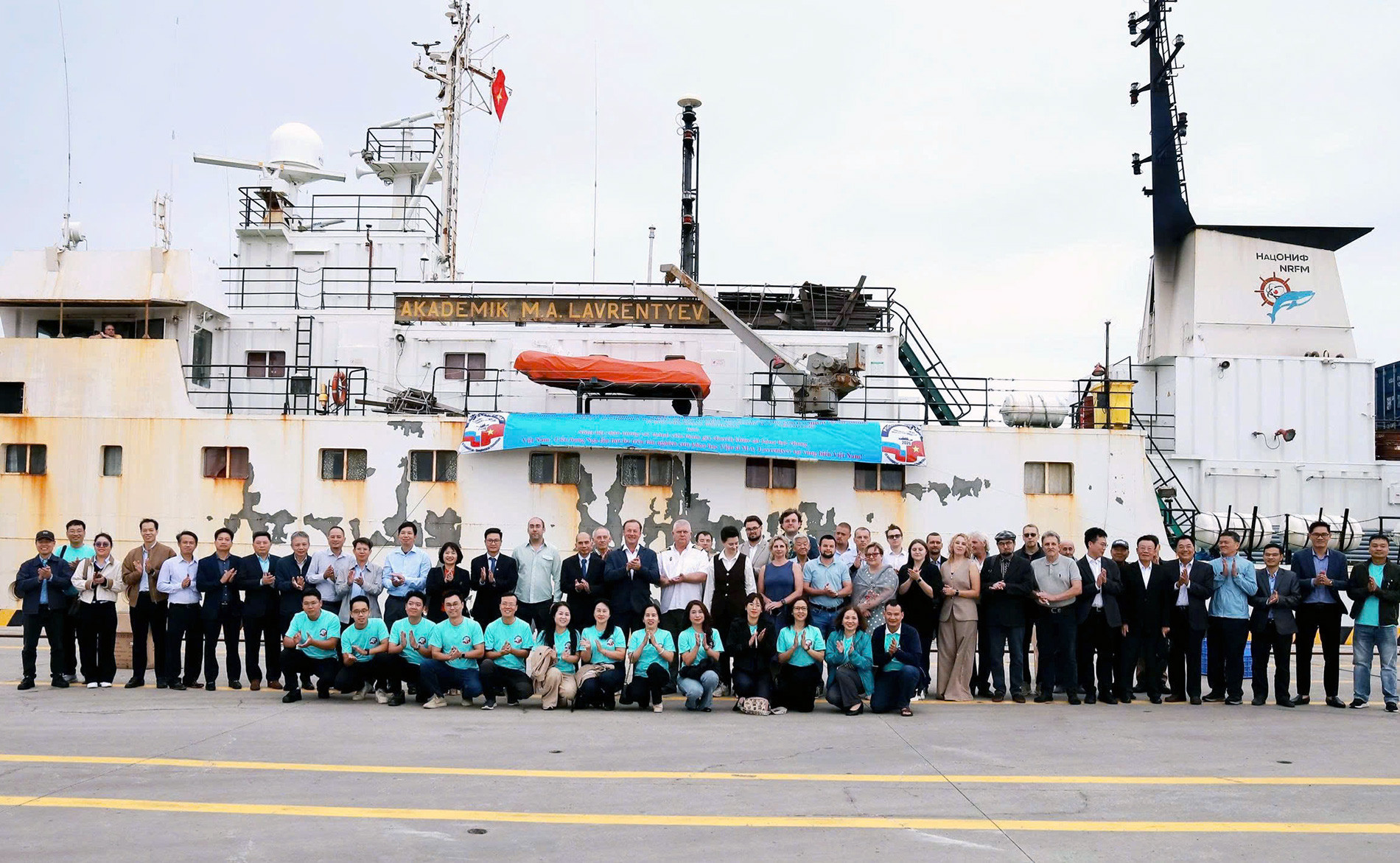
The expedition involves 67 participants, including 56 Russian experts and crew members and 11 Vietnamese researchers and officials.
Vietnamese institutions taking part include the Institute of Earth Sciences, the Institute of Oceanography, the Vietnam Administration of Seas and Islands, and the Vietnam-Russia Tropical Centre.
A representative from the Institute of Earth Sciences serves as co-leader of the expedition, working alongside the Russian team to coordinate field research activities.
Dr. Le Dinh Nam, Deputy Director of the Institute of Earth Sciences, emphasized that the mission offers benefits extending beyond its immediate scientific objectives.
It provides an opportunity to strengthen international cooperation, exchange expertise, gain access to modern research methods and technologies, and enhance the capabilities of Vietnamese marine scientists.
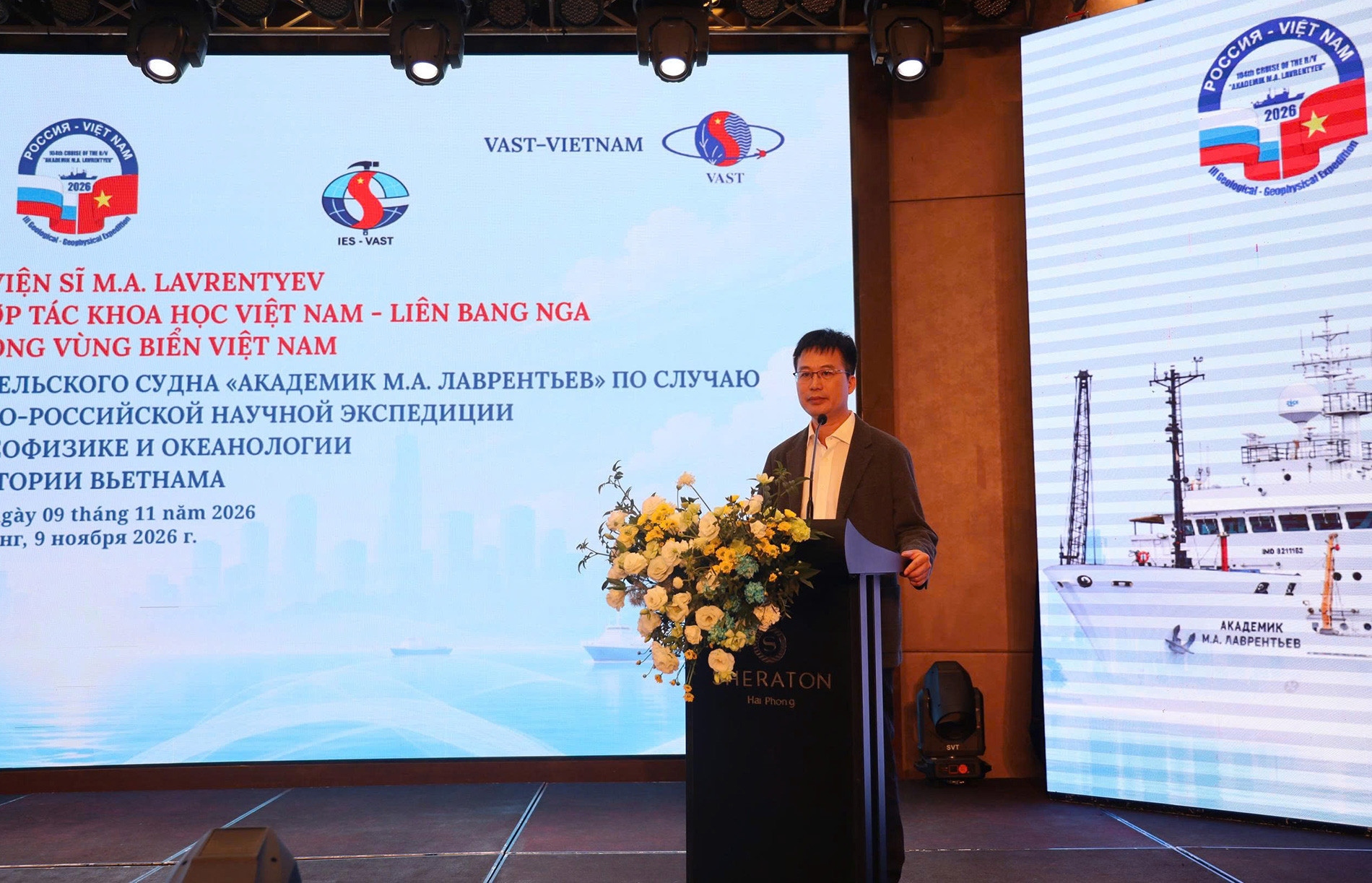
As the coordinating institution on the Vietnamese side, the Institute of Earth Sciences will work closely with Russian partners and relevant agencies to ensure that the expedition is conducted safely and effectively and achieves its scientific objectives.
Tran Tuan Anh expressed hope that the findings would extend beyond academic publications to practical applications.
These include assessing marine resource potential, identifying geological and environmental hazards, supporting sustainable marine economic development and protecting the livelihoods of coastal communities.
He particularly emphasized the importance of standardizing and integrating data collected during successive expeditions.
Such efforts are expected to strengthen Vietnam's independent marine research capabilities and help the country gradually master deep-sea exploration technologies.
VAST leaders also stressed the need to connect field surveys with advanced research and human resource development.
The expedition is intended to provide younger scientists with opportunities to learn new techniques, gain practical experience and establish lasting international research partnerships.
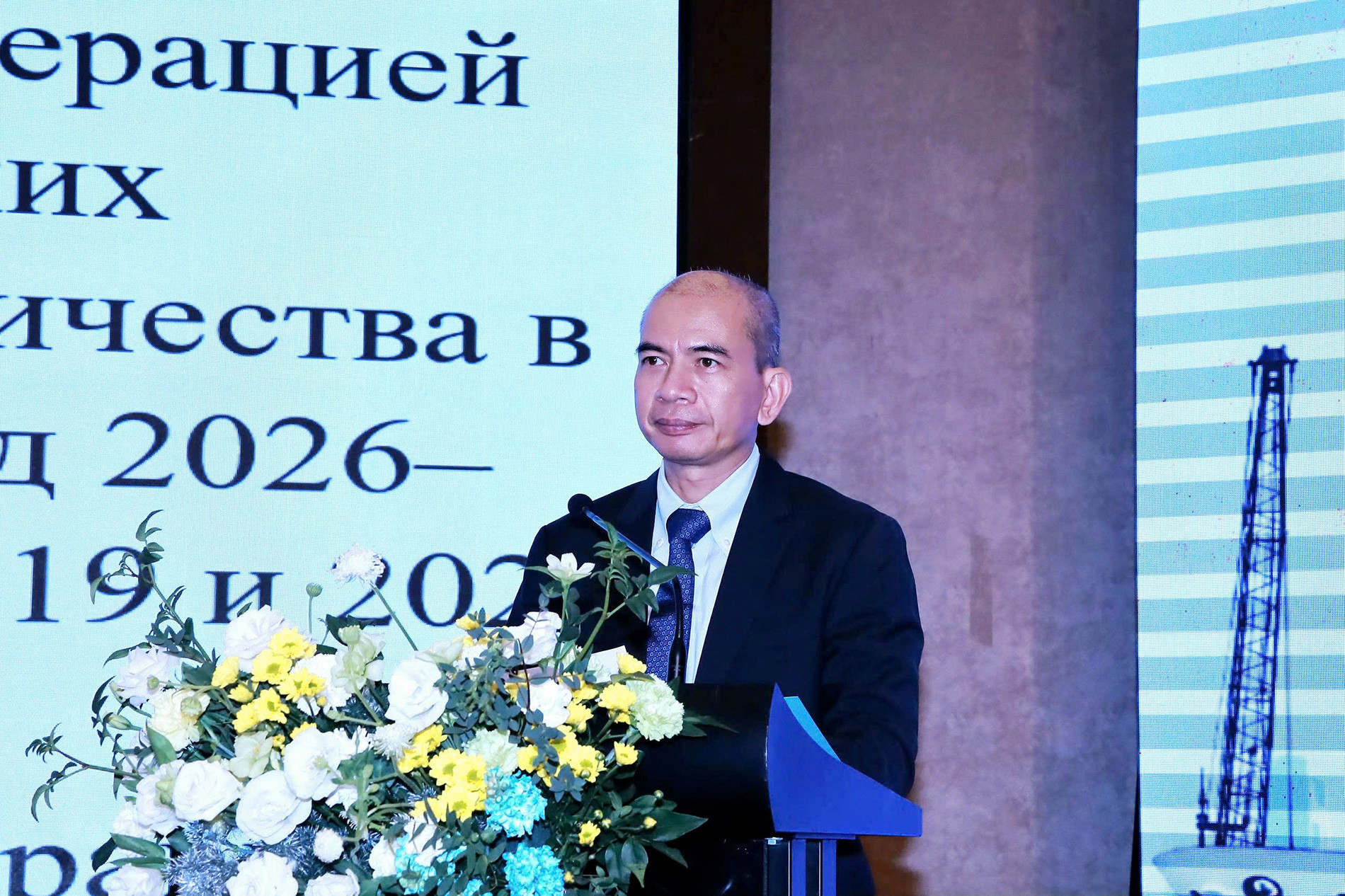
On December 12, 2025, VAST, the Far Eastern Branch of the Russian Academy of Sciences and Russia's Ministry of Science and Higher Education signed a marine research cooperation roadmap covering 2026-2035.
The roadmap comprises 10 specialized research tasks spanning marine geology, geophysics, oceanography, biology, ecology, environmental science and the impacts of climate change.
Its phased annual implementation is designed to build on previous findings and gradually establish a continuous, integrated scientific database.
The latest expedition therefore represents more than a continuation of longstanding Vietnam-Russia scientific cooperation.
It is also expected to deliver practical findings that support the responsible management, utilization and long-term protection of Vietnam's marine resources.
Thai An - Nguyen Duc - Nga Thuy

