 Vietnamnet.vn

 Podcast



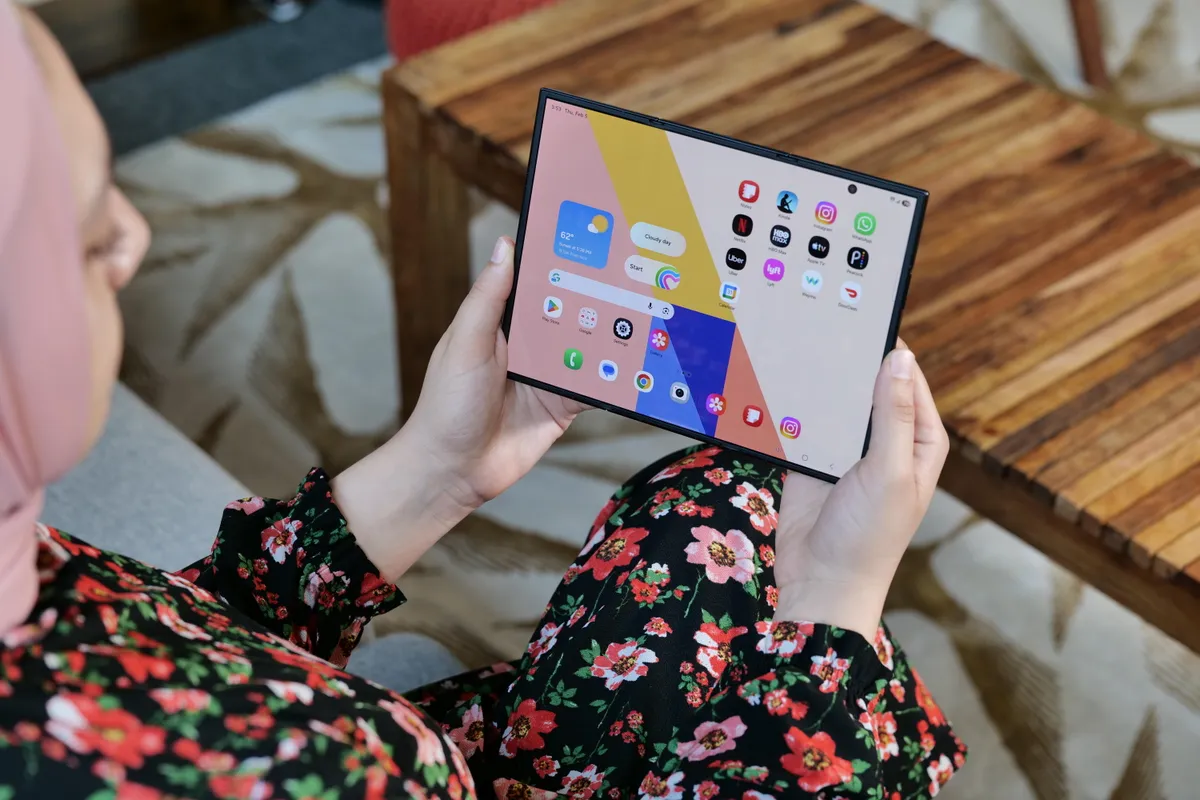
Samsung’s new triple-fold smartphone, the Galaxy Z TriFold, was initially expected to open a new chapter for mobile devices. However, shortly after its launch, the device quickly became a topic of debate in the technology community.
Many consumers are now questioning whether it represents the next major evolution of smartphones or simply an overly risky experiment.
In theory, the Galaxy Z TriFold offers an appealing concept. With its unique triple-fold design, the device can unfold into a large display that resembles a tablet, significantly larger than traditional foldable phones such as the Galaxy Z Fold.
This promises a completely new experience for multitasking and entertainment, especially for users who prefer larger screens.
However, the ambitious design also makes the device more complex and potentially more vulnerable to hardware problems. The multiple hinges and flexible display structure increase the likelihood of technical issues compared with current foldable phones that use a single hinge.
For this reason, some consumers have started removing the Galaxy Z TriFold from their list of desired devices.
According to industry reports, Samsung plans to produce only about 100,000 to 200,000 units of the Galaxy Z TriFold. The company is also adopting a cautious sales strategy, releasing the device in limited batches in selected markets.
During the first sales rounds, shipments sold out within minutes, showing strong interest among technology enthusiasts and loyal Samsung fans.
However, as more units reached the market, problems began to surface. At least three cases involving screen defects have been reported, raising concerns about possible hardware issues in the device’s design.
A small reader survey examining whether screen problems would influence purchasing decisions revealed a cautious attitude among consumers. Out of 598 respondents, 56% said the reports made them reconsider buying the device, while 33% said their decision would depend on how Samsung handles user complaints. Only 11% said the reports would not affect their purchasing plans.
Jeff Moore, an analyst at Wave7 Research, said the early attention surrounding the Galaxy Z TriFold mainly comes from technology enthusiasts and Samsung fans rather than the mass market.
He believes the device may find its place in a niche segment, including tech enthusiasts and some enterprise users who require a flexible large-screen device.
One of the biggest barriers to wider adoption is its extremely high price, about $2,900. At this level, the device is clearly aimed at technology enthusiasts or professionals seeking a unique tool for work.
Samsung has also acknowledged that developing the triple-fold phone posed a major engineering challenge. The device requires numerous custom components, including multilayer flexible displays and an advanced hinge system.
Because of this complexity, many experts believe Samsung may not release a second generation of the TriFold anytime soon. High development costs, manufacturing challenges and technical risks could make it difficult to sustain the project if market demand remains limited.
Even so, Samsung has received praise for boldly opening a completely new category of devices, especially in markets where competitors such as Huawei face restrictions.
However, concerns about long-term durability mean many consumers remain hesitant to spend nearly $3,000 on a device that could potentially become a regrettable purchase.
In the technology world, first-generation products are often seen as experimental milestones. They may not be perfect, but they can pave the way for future innovations.
For technology enthusiasts, owning the Galaxy Z TriFold is like holding a piece of smartphone history.
The question remains whether the Galaxy Z TriFold will become the foundation for the next generation of foldable devices, or simply a fascinating but short-lived experiment in smartphone evolution. Only time will tell.
Hai Phong
.svg)
