 Vietnamnet.vn

 Podcast


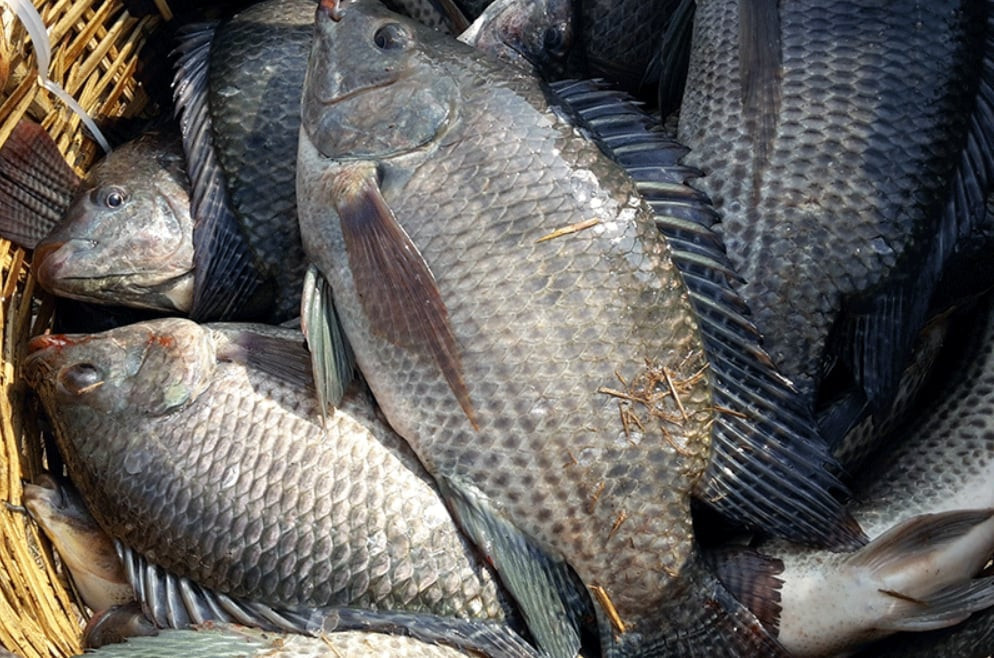
Vietnam's tilapia exports continued their strong growth in September, rising 86% year on year to $13 million, according to the Vietnam Association of Seafood Exporters and Producers (VASEP).
In the first nine months of 2026, exports of the fish generated $104 million, up 47% from the same period in 2025.
Brazil remained the largest importer of Vietnamese tilapia.
The United States ranked second, importing $25 million worth of the fish during the nine-month period, a decline of 42% year on year. However, exports to the US rebounded sharply in September, reaching $4 million, up 37% from a year earlier and nearly double the August figure.
Saudi Arabia has emerged as another particularly promising market for Vietnamese tilapia, a widely available and inexpensive fish commonly sold in traditional markets across Vietnam.
Exports to the Middle Eastern country reached $10 million in the first nine months, an increase of 50% year on year.
In September alone, shipments to Saudi Arabia surged 231% to $3 million, more than tripling compared with the same month last year.
According to VASEP, Saudi Arabia accounts for a substantial share of Vietnam's tilapia export revenue from the Middle East.
Meanwhile, exports to Japan also recorded impressive growth, rising 74% in the first nine months of 2026.
In the Japanese market, brackish-water tilapia from Vietnam has begun entering the sushi and sashimi segment, traditionally associated with more demanding standards for seafood quality and preparation.
VASEP sees this development as an encouraging sign that Vietnamese tilapia can move beyond the mass-market segment and gain a foothold in higher-value product categories.
Its introduction into sushi and sashimi also suggests opportunities to expand the fish's culinary applications rather than competing primarily on price.
In the US, despite double-digit export growth in September, import demand remains largely dependent on existing inventories. As a result, VASEP cautioned that it is too early to determine whether the recent recovery can be sustained.
Some Vietnamese seafood companies are already expanding their presence in markets such as Japan and Saudi Arabia as they seek to diversify export destinations.
However, VASEP emphasized that maintaining competitiveness will require exporters to broaden their market reach while differentiating themselves through products, quality and services.
The entry of Vietnamese tilapia into Japan's sushi and sashimi segment, for example, could pave the way for further growth not only in Japan but also in other markets with demanding quality requirements.
Tam An

