Once the “secret heart” of the General Staff during the resistance war, the Cipher Bunker safeguarded Vietnam’s military communications in some of the nation’s most difficult years. For the first time, this revolutionary relic has been opened to visitors.

Marking the 80th anniversary of the August Revolution and National Day, the Cipher Bunker within the Thang Long Imperial Citadel heritage site is now welcoming the public.

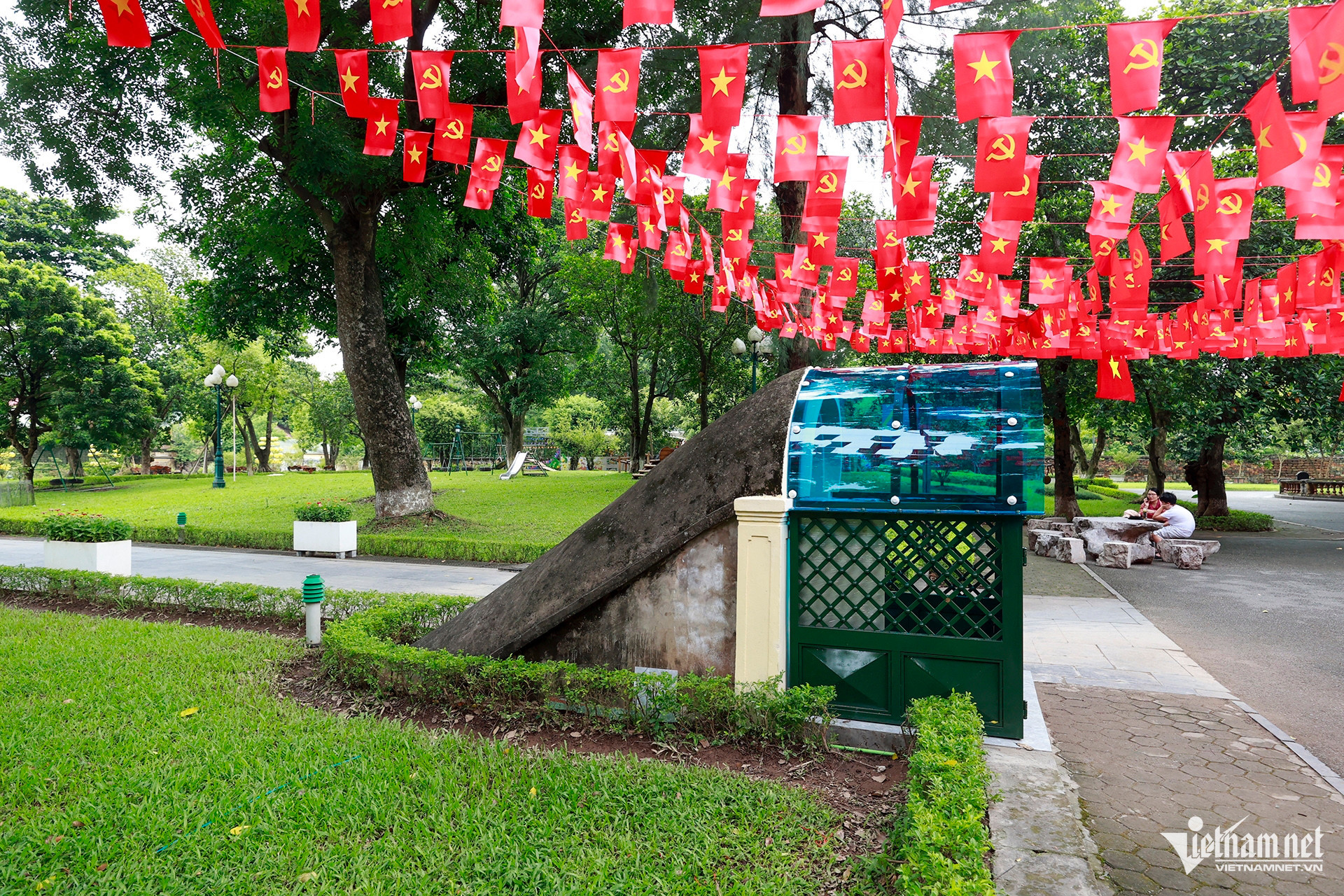
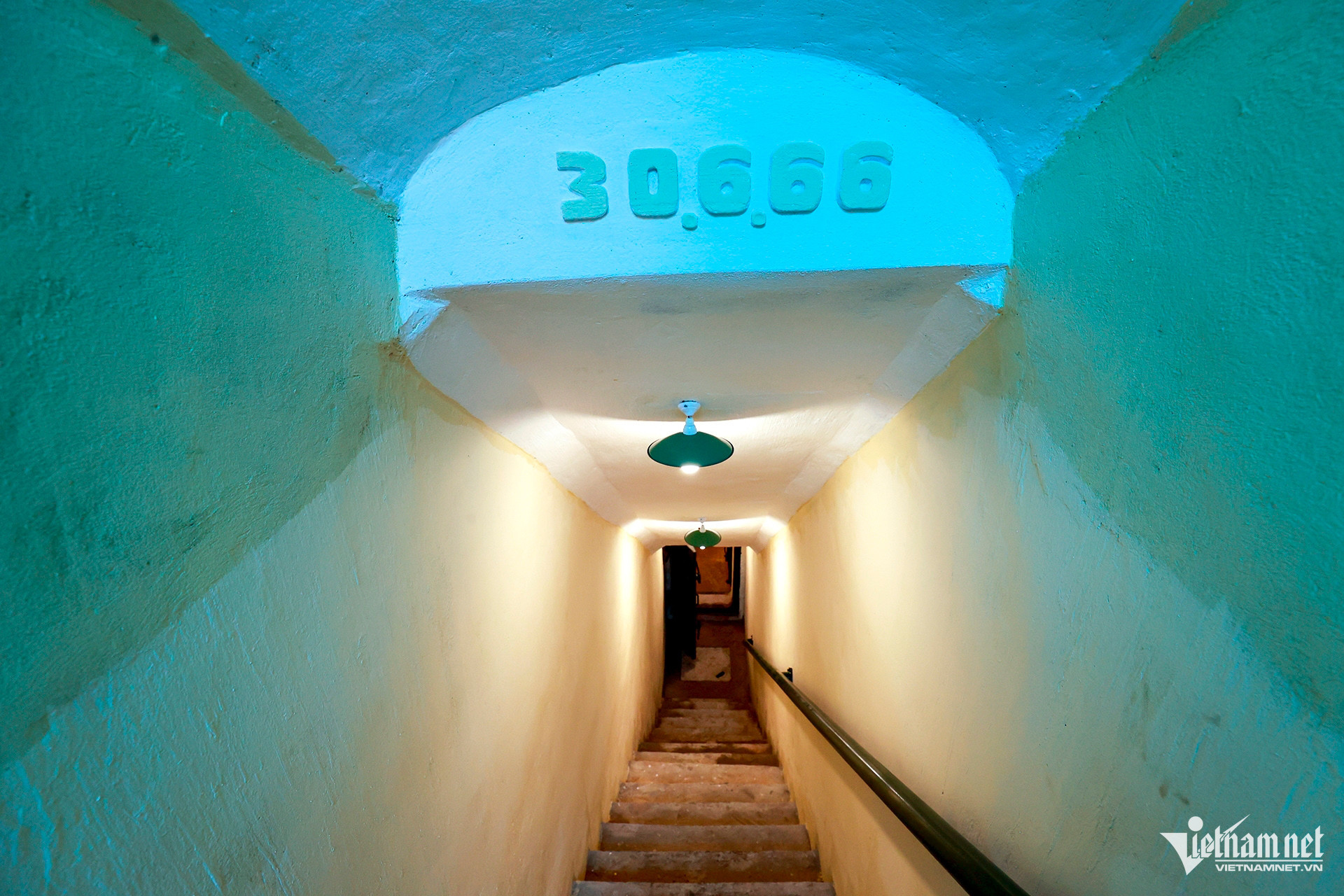
Construction began on February 10, 1966, and was completed on June 30, 1966, with a total area of 37.2 square meters. Its most intense period of use was in December 1972, when US air raids struck Hanoi heavily.

During these bombings, the bunker was vital to maintaining the leadership, direction, and coordination of the People’s Army headquarters with different branches and battlefronts.

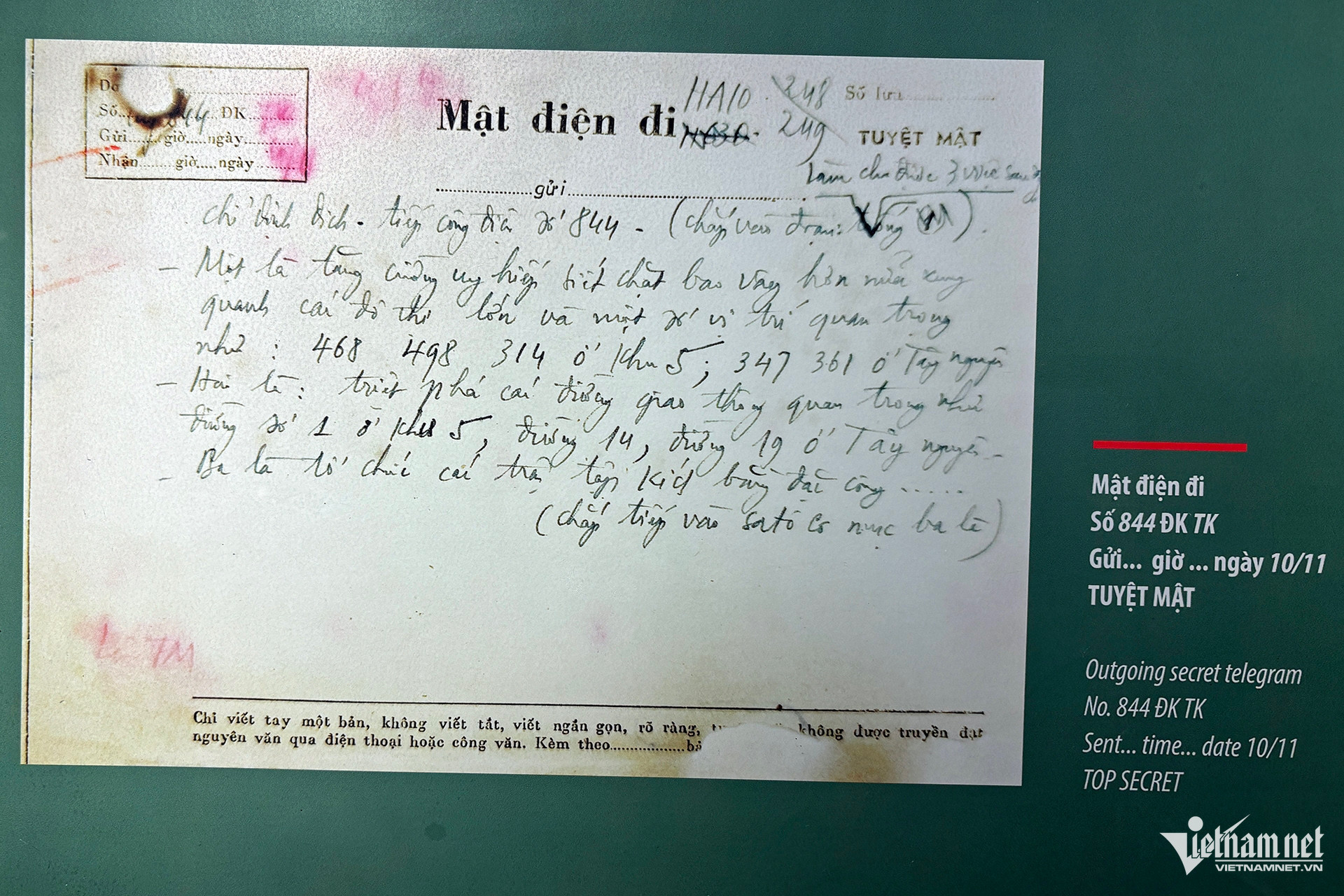
Documents and artifacts from the Cipher Department are now displayed for the first time, including C58 seals, “top urgent” and “strictly confidential” stamps, encrypted message forms, coding pads, fountain pens, staff name blocks, and classified briefcases.

Exhibitions combine archival objects with documentary films, panels, and audiovisual effects to recreate the critical role of the Cipher Department during the war, especially between 1972 and 1975.

Alongside the Cipher Bunker, two other historic sites are being highlighted: the “Promoting the value of the Cipher Bunker - General Staff” display, and “House and Bunker D67 - Journey to total victory,” also now open to visitors.

House D67, built in 1967 north of Kinh Thien Palace, is a reinforced concrete structure with 60-centimeter-thick walls. From December 18, 1974, to January 8, 1975, the Politburo convened here to decide on the historic campaign to reunify Vietnam.

Today, the House and Bunker D67 stand as revolutionary relics of the Ho Chi Minh era, embodying the continuity of Vietnam’s thousand-year history at Thang Long Imperial Citadel.
vietnam war remnant.jpg
The Cipher Bunker was part of Hanoi Citadel’s Zone A underground system, built during the resistance war against the US.
vietnam war remnant.jpg1.jpg
The Cipher Bunker, covering 37.2 square meters, was completed on June 30, 1966, and saw its heaviest use during the US air raids in December 1972.
vietnam war remnant.jpg2.jpg
Despite heavy bombings over Hanoi, the bunker enabled the General Staff to maintain command across all military branches and battlefronts.
vietnam war remnant.jpg3.jpg
Steel document boxes from the Cipher Department, marked with unit codes C58B and D5, once stored classified wartime materials.
vietnam war remnant.jpg4.jpg
Cipher officers of the General Staff photographed beside the bunker in 1970.
vietnam war remnant.jpg5.jpg
vietnam war remnant.jpg6.jpg
vietnam war remnant.jpg7.jpg
vietnam war remnant.jpg8.jpg
Artifacts from the leaders, officers, and soldiers who worked inside the Cipher Bunker are also on display for the first time. These include the C58 security seal, “top urgent” and “urgent” stamps, restricted seals marked “for authorized personnel only,” date-and-time stamps, encrypted telegrams, sa to codebooks, inkless fountain pens, staff name blocks, and classified document cases. Visitors and the public can now see these historical items firsthand.
vietnam war remnant.jpg9.jpg
vietnam war remnant.jpg10.jpg
The exhibition content is presented through documentary films and information panels both inside and outside the bunker. Sound and visual effects are also used to bring the story to life, highlighting the historic role and activities of the Cipher Department during the resistance war against the United States, especially in the period from 1972 to 1975.
vietnam war remnant.jpg11.jpg
Archival photo of Cipher Department staff encrypting and decoding messages for the Ho Chi Minh Campaign in 1975.
vietnam war remnant.jpg12.jpg
Exhibition “Promoting the value of the Cipher Bunker - General Staff” and “House and Bunker D67 - Journey to total victory” opens to visitors from August 19.
vietnam war remnant.jpg13.jpg
House D67, built in 1967 with 60 cm-thick reinforced concrete walls, was the venue for Politburo meetings that decided on national reunification.

Pham Hai