 Vietnamnet.vn

 Podcast



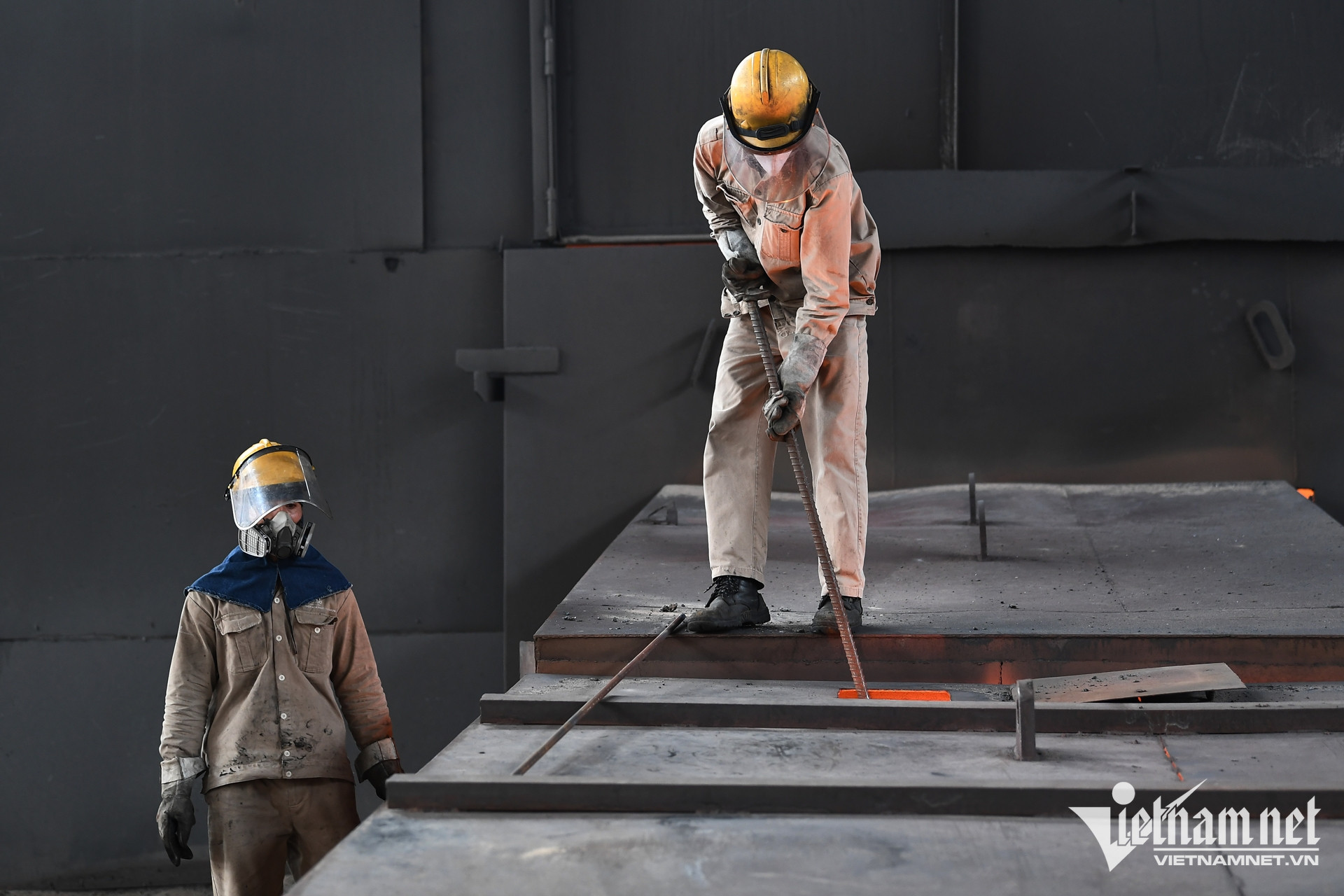
On behalf of the Secretariat, Permanent Member of the Secretariat Tran Cam Tu has signed Directive No. 03 on strengthening the Party’s leadership in the management and development of building materials in the new period.
The Secretariat affirmed that throughout the country’s development process, the building materials industry has made significant contributions.
Production capacity has expanded rapidly.
Products have become more diverse and of increasingly higher quality.
The sector has met domestic demand, gradually enhanced international competitiveness, created jobs and supported economic growth.
However, alongside these achievements, shortcomings remain in the management and development of building materials.
The Secretariat therefore requires stronger Party leadership to create a marked shift in awareness, responsibility and action among cadres, Party members, enterprises and citizens.
The important role of the building materials industry must be clearly recognized.
The guiding viewpoint is to develop the sector in a sustainable and self-reliant manner, with international competitiveness.
This development must be associated with improving value chain efficiency, vigorously applying science and technology, promoting innovation and digital transformation.
It must prioritize the production and use of green, clean, energy-efficient and resource-saving materials, as well as alternative and recycled materials, reducing emissions and ensuring environmental friendliness.
Party committees, Party organizations and authorities are required to review and refine the system of planning and strategies for managing and developing building materials in a synchronized and unified direction, aligned with practical conditions.
Development must ensure sustainability, application of modern technology, economical and efficient use of resources and energy, adaptation to climate change and environmental protection.
The Secretariat directed the study of adding key materials such as cement, steel, ceramic tiles and construction glass to the sectoral planning list.
It also called for reviewing and researching the promulgation of a law on the management and development of building materials.
Substantive and feasible mechanisms and policies should be formulated to encourage enterprises to invest in technological innovation, green transition and digital transformation, tied to improvements in productivity, quality and competitiveness.
Strong sanctions must be imposed on violations in the management, exploitation, processing and use of minerals for building materials.
For major national infrastructure projects, special mechanisms should be studied to ensure adequate supply of leveling materials.
No import licenses for outdated production lines
The directive emphasizes that development of building materials must align with national, regional and provincial planning, as well as socio-economic development strategies and plans.
It must also ensure national defense and security requirements and enhance strategic autonomy.
The Secretariat encourages the development of materials in which Vietnam has advantages, as well as new, high-tech and smart materials.
Green, energy-saving and environmentally friendly materials, along with recycled materials, should be promoted based on comprehensive and long-term assessments covering economic, environmental, social, security and defense factors.
Product categories should be diversified, and product quality and added value enhanced.
Materials must suit different types of construction works, climatic conditions and regional characteristics.
The goal is to gradually replace imported products, better meet domestic market demand and expand exports of competitive products.
Production facilities with a risk of environmental pollution must be strictly controlled.
The directive clearly states that no licenses will be granted for the import of outdated technologies or old production lines.
Licenses will also not be issued for investment in or expansion of projects that fail to meet environmental protection requirements or that are energy- and resource-intensive.
Inspection, examination and supervision of compliance with laws in the building materials and mineral sectors must be strengthened.
Organizations and individuals that violate the law or cause environmental pollution, especially repeat offenders, will be strictly handled.
The Secretariat also encourages stronger research and application of science and technology, innovation and digital transformation.
Mechanisms should be sufficiently attractive to promote linkages between enterprises and research and training institutions.
Enterprises are encouraged to conduct their own research, receive technology transfers for the production of new and environmentally friendly materials, apply high technology and increase localization rates.
In addition, the Secretariat requires continued research and assessment of the use of sea sand in infrastructure development projects, ensuring compliance with standards and regulations.
Tran Thuong
.svg)
