 Vietnamnet.vn

 Podcast



Phuoc Sang - Nguyen Hue
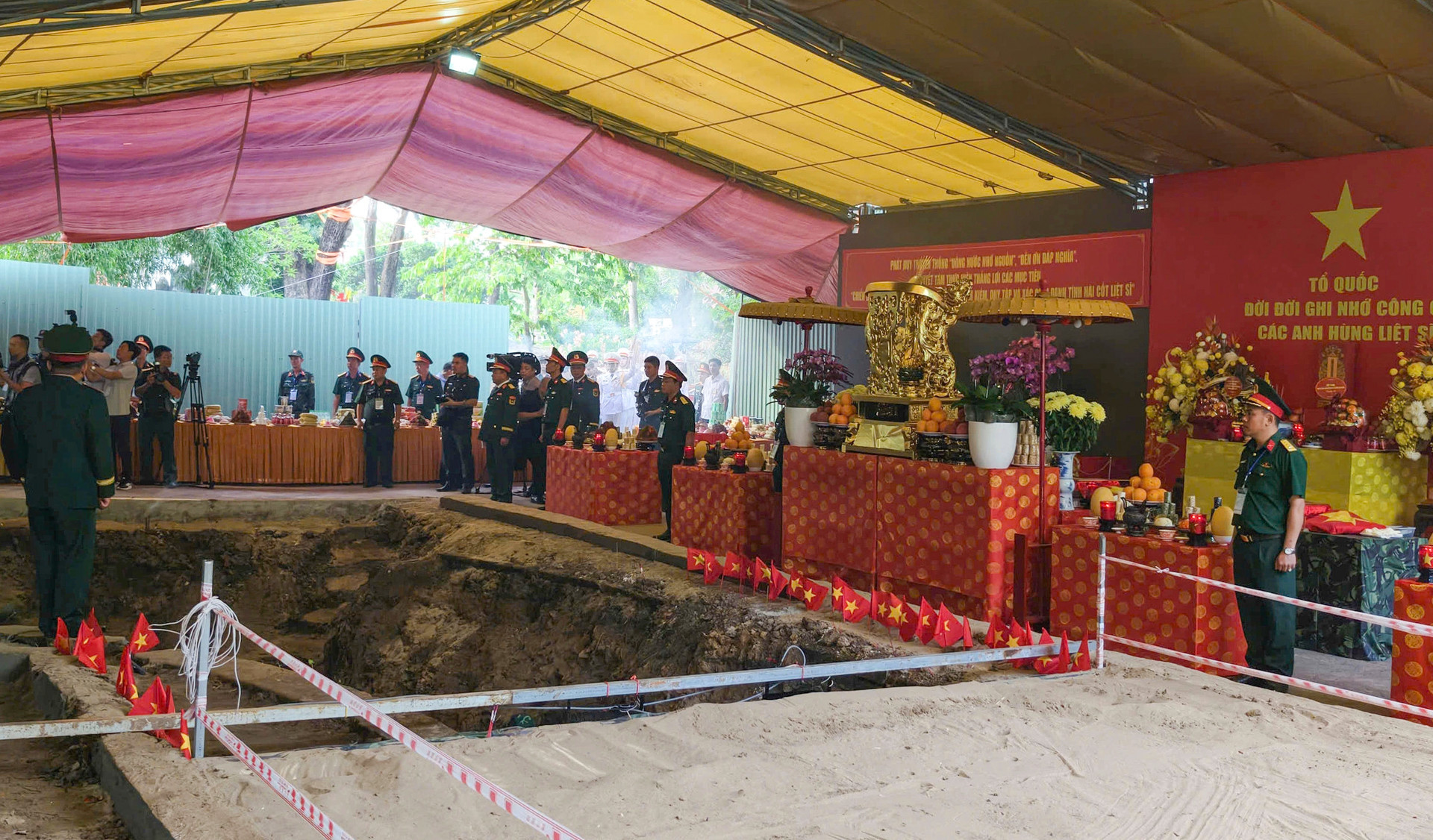
On the morning of July 6, Prime Minister Le Minh Hung attended a ceremony at the excavation site, where recovery teams formally began collecting the newly discovered remains.
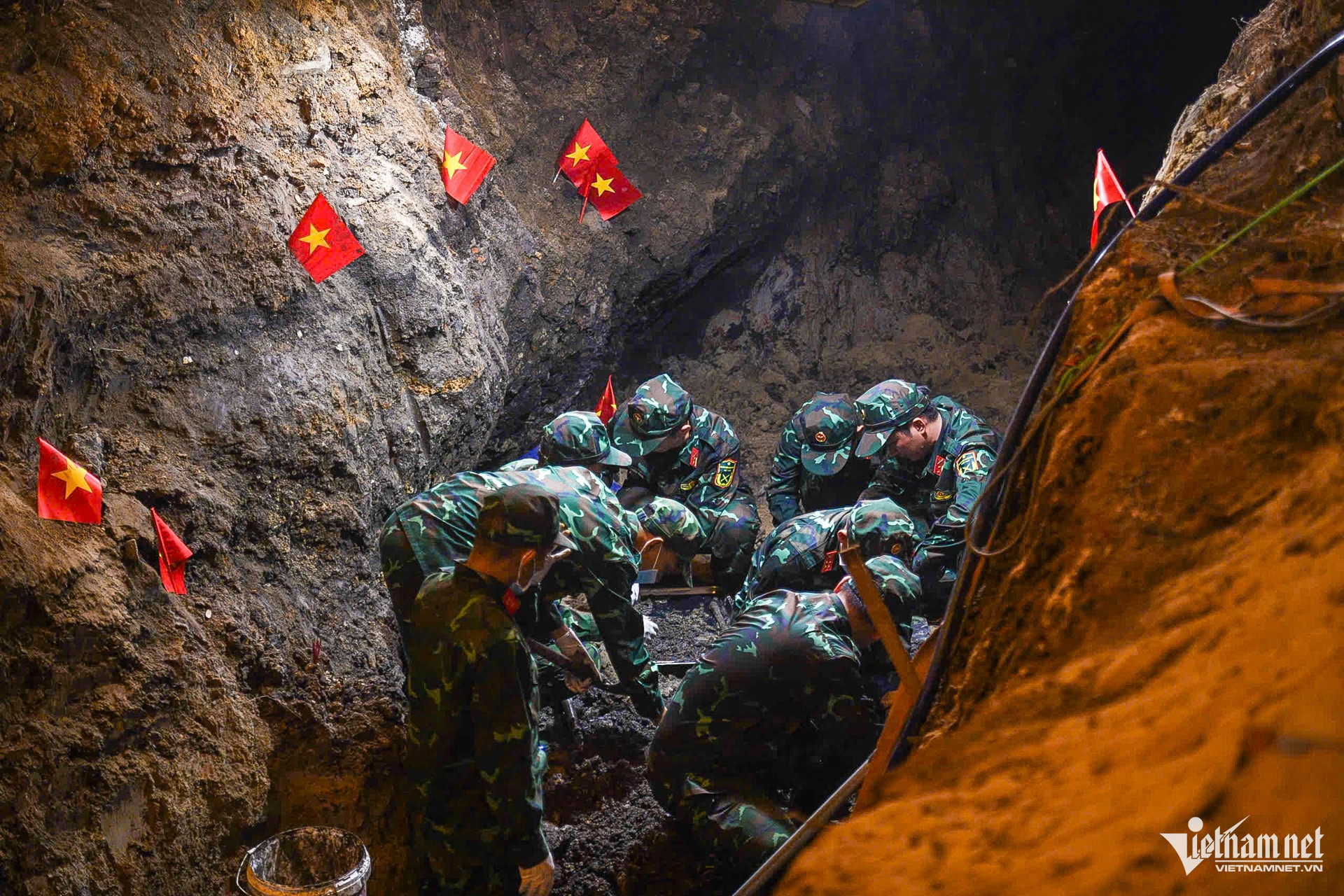
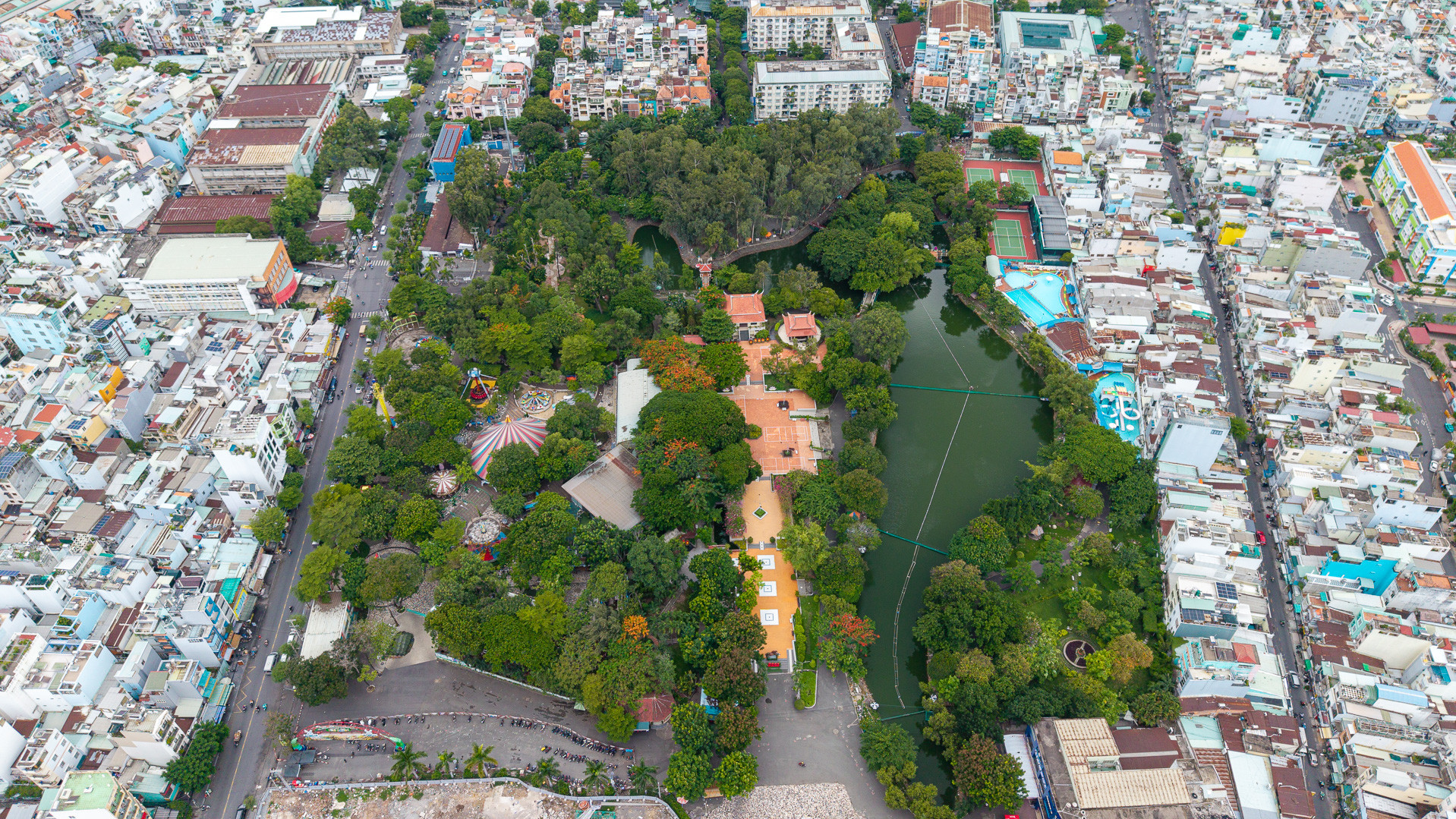
According to Nguyen Manh Cuong, Vice Chairman of the Ho Chi Minh City People's Committee, the city's Steering Committee 515, working with the Military Region 7 Command, carried out exploratory excavation behind the memorial monument in Area A of Le Thi Rieng Park.
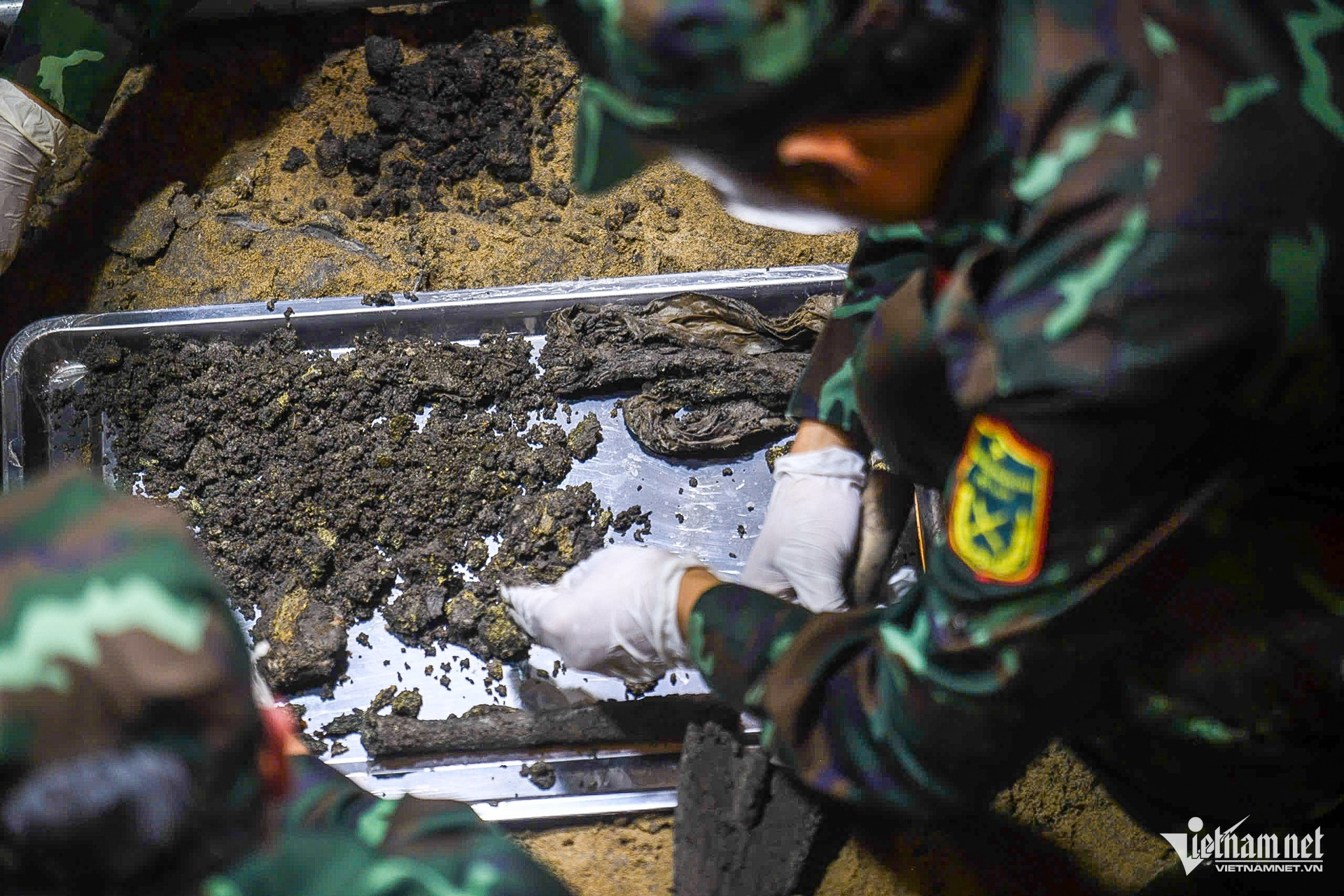
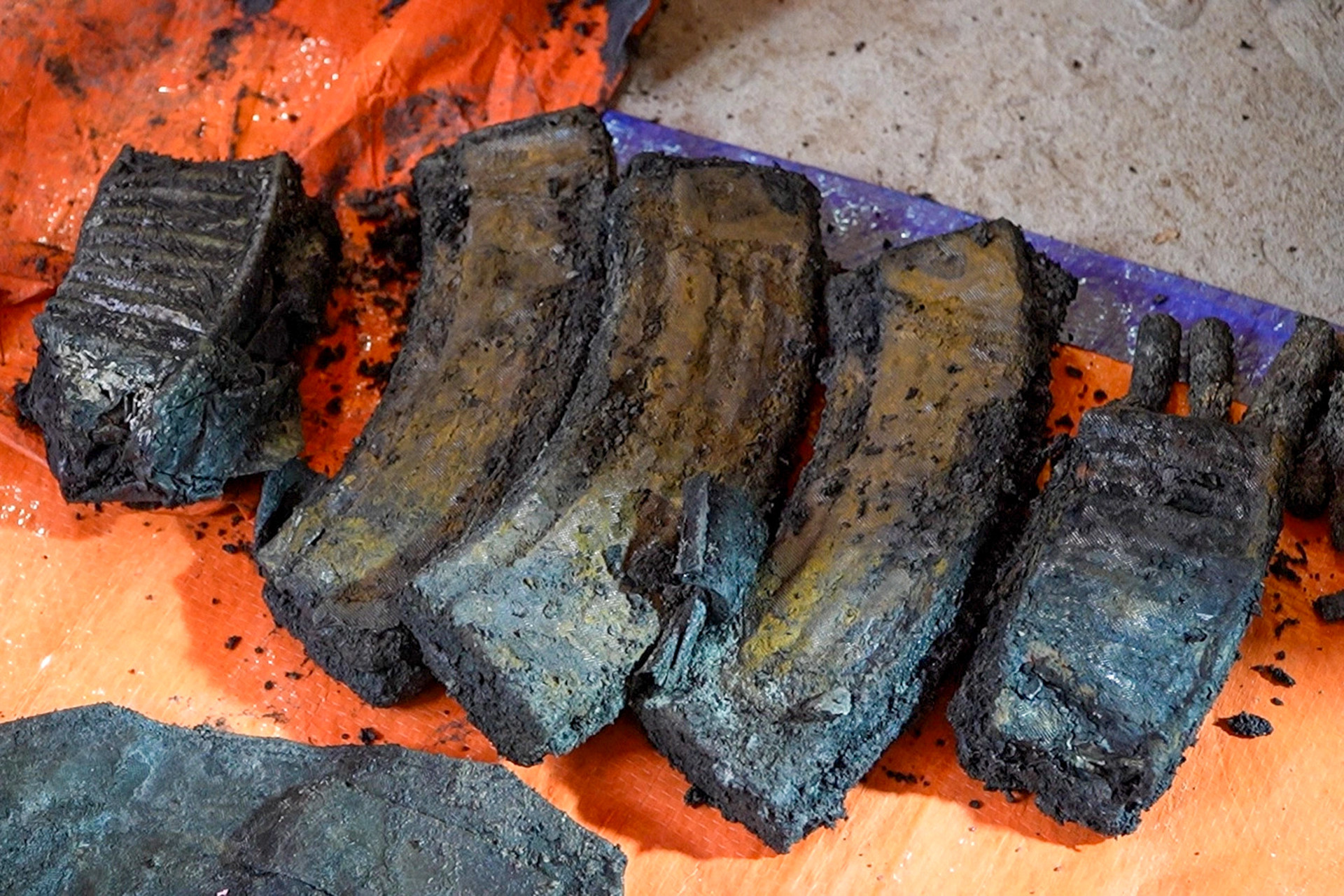
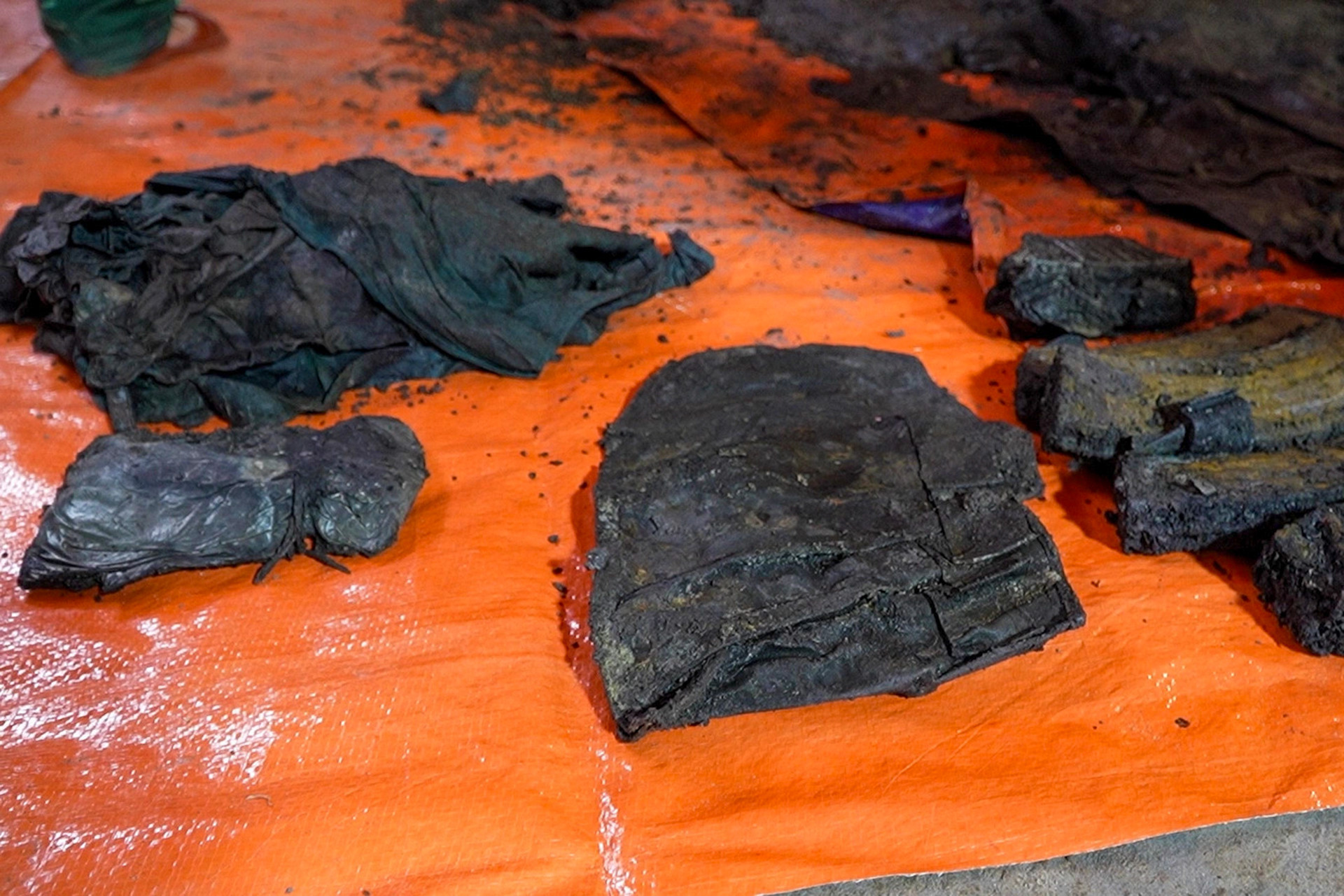
After two days of excavation, the team uncovered a burial trench approximately 25 meters long and 3 meters wide, initially recovering five sets of remains together with a military poncho and numerous wartime artifacts.
Further excavation on the morning of July 6 led to the discovery of two additional sets of remains, bringing the total to seven.
"This is an extremely significant result. It confirms that our assessment and search direction were correct and gives us hope that more fallen soldiers may still be resting in this area," Cuong said.
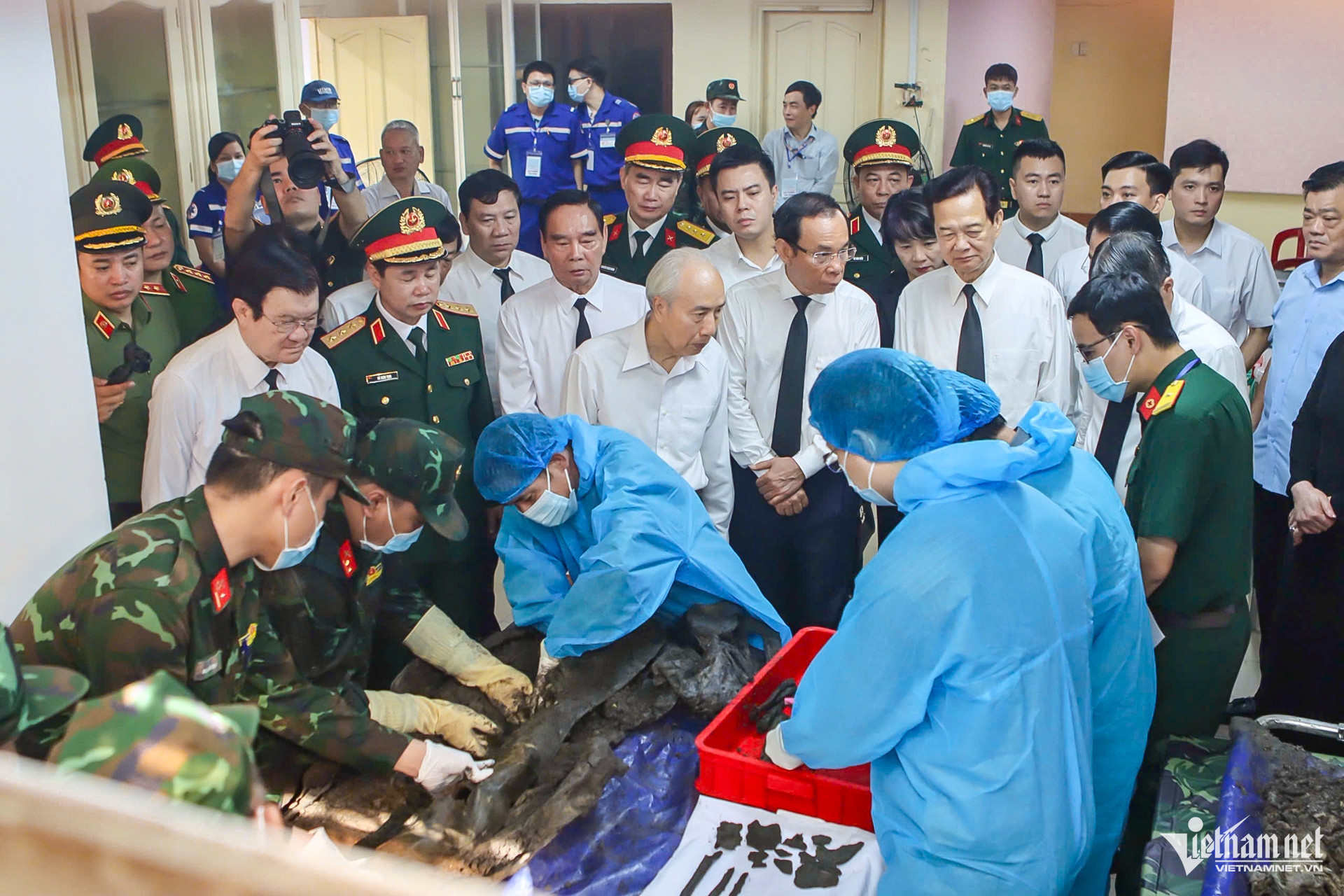
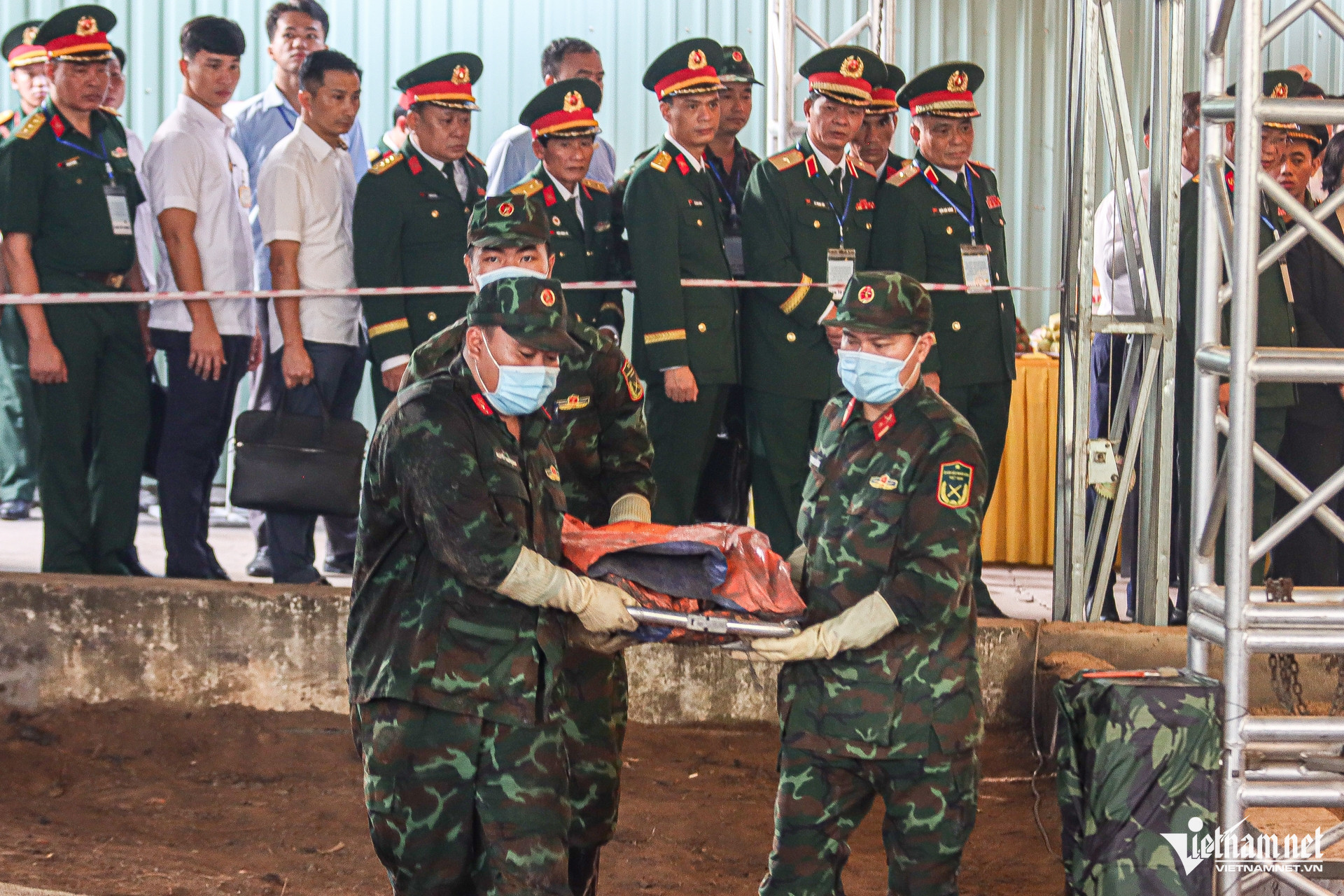
During the ceremony, Prime Minister Le Minh Hung witnessed members of Team K74, under the Ho Chi Minh City Military Command, carefully recover the remains from the excavation site.
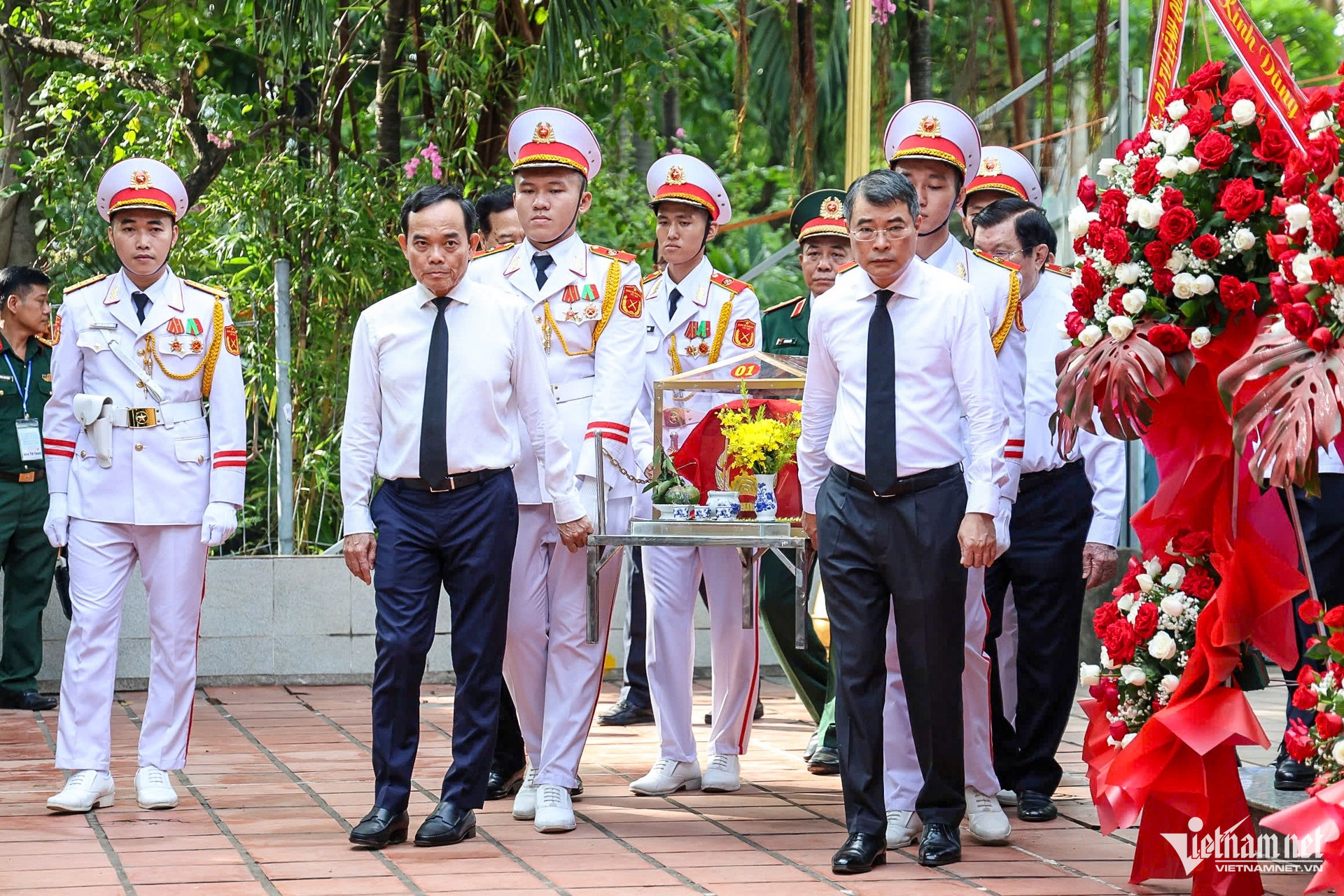
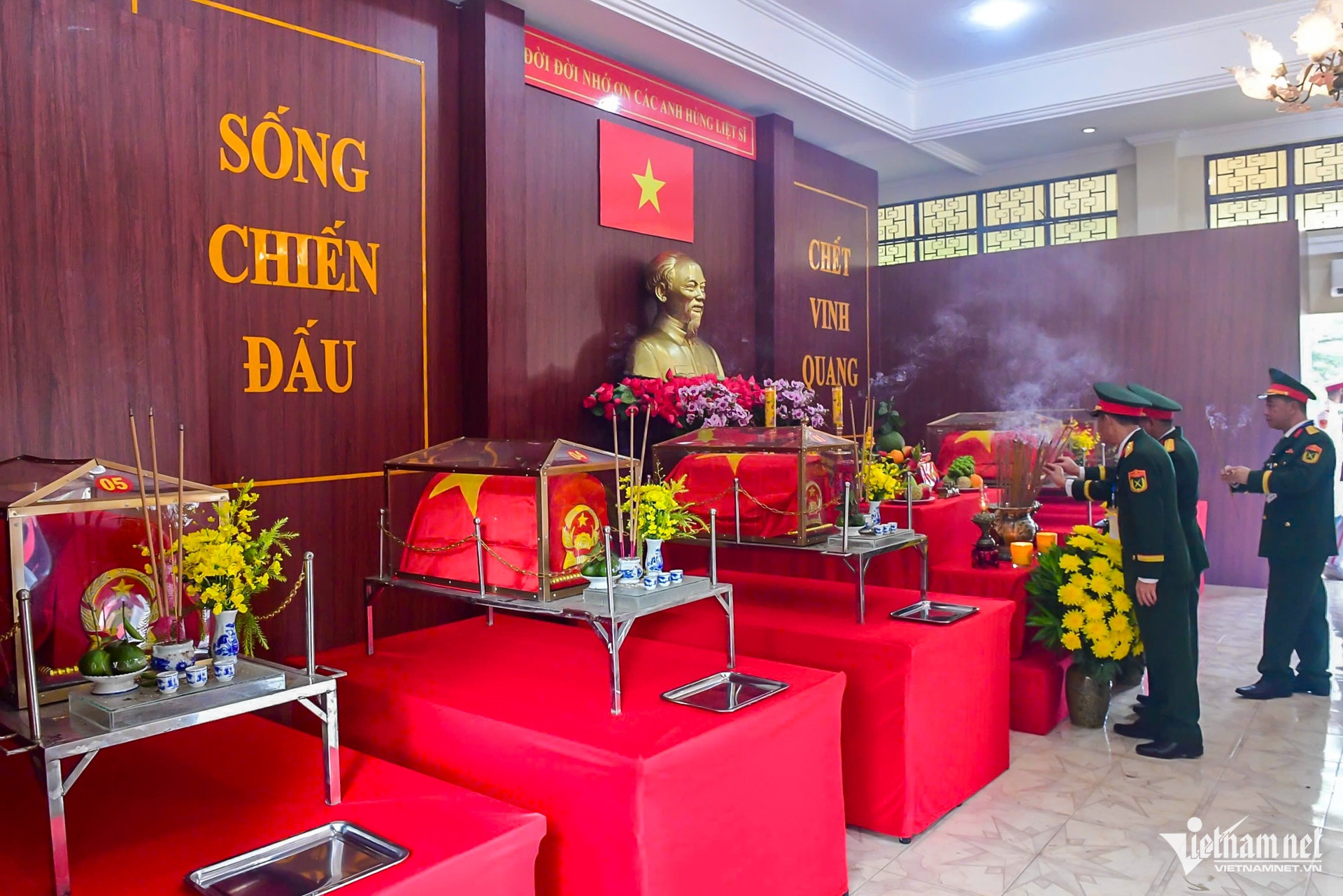
After DNA samples were collected for forensic analysis, the remains were placed into coffins before being transferred to the memorial house in a ceremony attended by the prime minister and military personnel.
First soldier identified through preserved personal document
Major General Tran Chi Tam, Deputy Political Commissar of Military Region 7 and head of the region's Steering Committee 515, said specialists first noticed unusual soil layers while excavating a three-meter-deep test pit near the park's traditional house in late June.
After groundwater was removed, the team switched to manual excavation and uncovered the first five sets of remains.
Three were found relatively intact, while the others had deteriorated significantly over time.
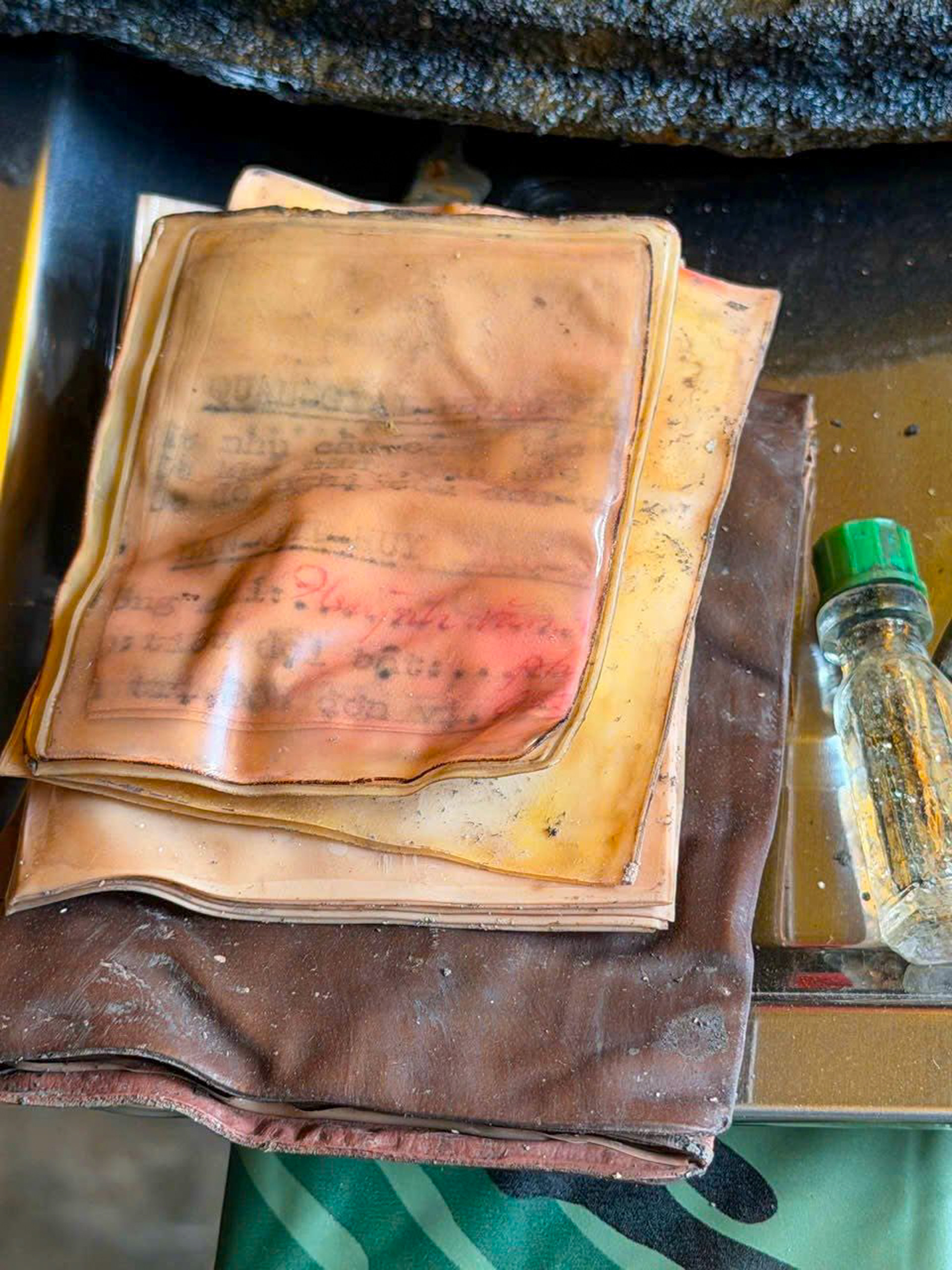
One of the recovered soldiers has been identified as Huynh Van Quen after investigators discovered a wallet containing a remarkably well-preserved official document.
The document, issued by Unit 962 of the Liberation Armed Forces of South Vietnam, records a personnel appointment involving Huynh Van Quen and identifies him as a squad deputy.
Military Region 7 subsequently confirmed that Huynh Van Quen served with Battalion 1, Long An, and sacrificed during the 1968 Battle of Chu Y Bridge, one of the fierce engagements of the Tet Offensive.
Another set of remains was also found with accompanying documents, although the paper had largely deteriorated. Conservation specialists are now attempting to restore the material in hopes of revealing additional identifying information.
Wartime artifacts provide valuable historical clues
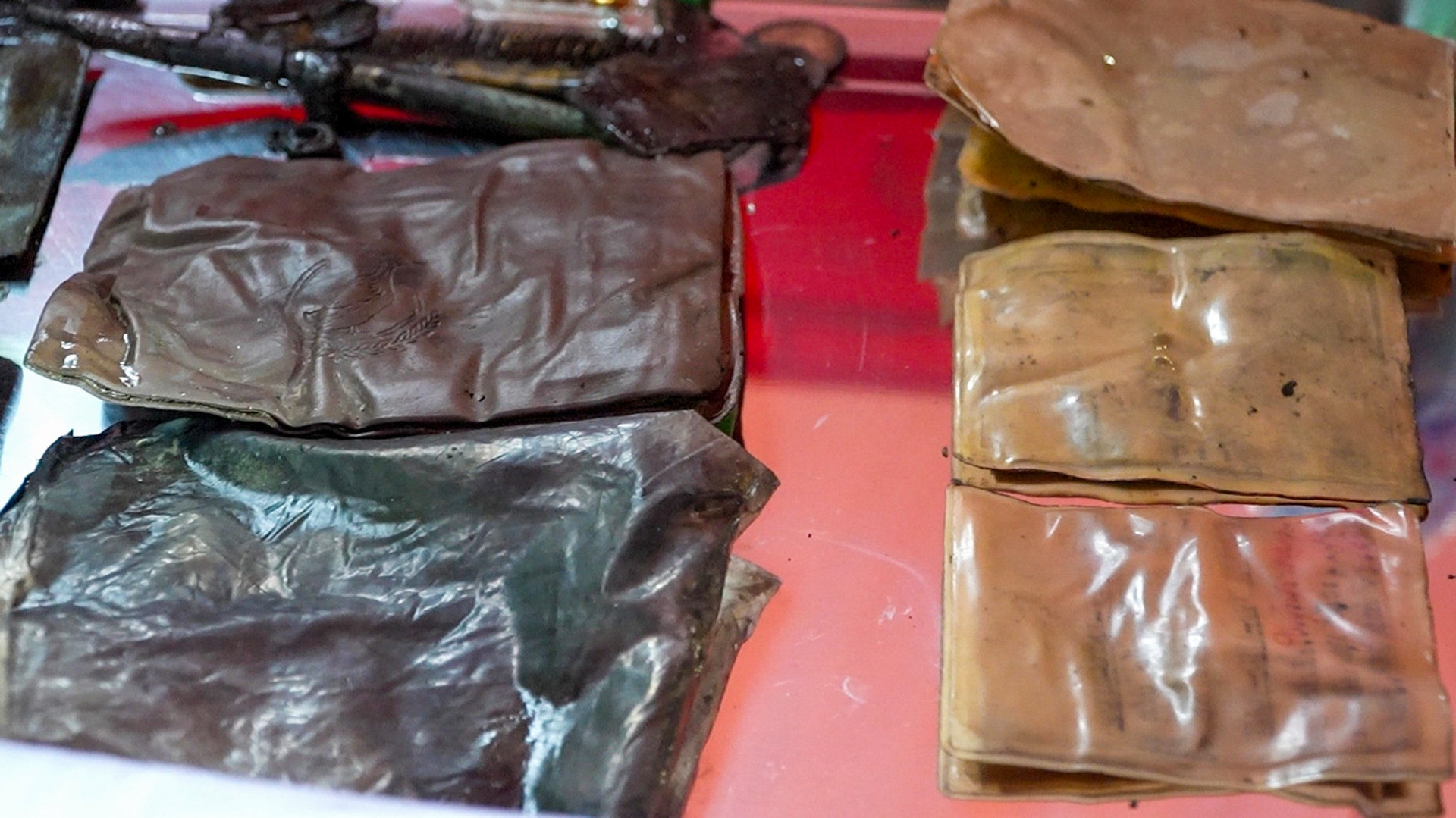
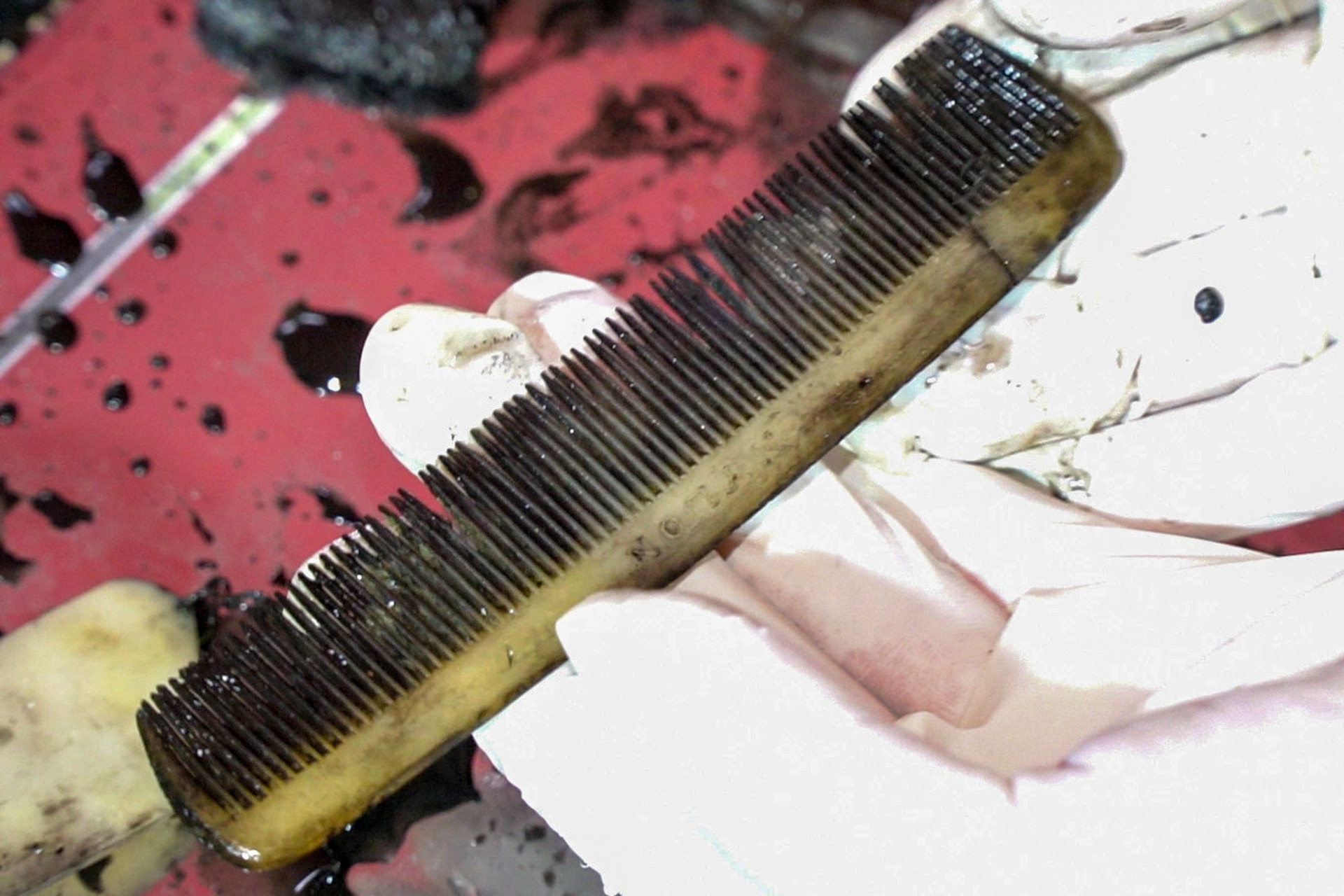
In addition to personal documents, recovery teams unearthed a range of wartime artifacts that remained surprisingly well preserved after nearly six decades underground.
These include:
Three firearms
Numerous rounds of ammunition
Military equipment and personal belongings
A military poncho
Bags and field gear
Administrative documents associated with Liberation Armed Forces units
Investigators believe these artifacts provide strong evidence that the burial site contains soldiers from the Liberation Armed Forces of South Vietnam.
Major General Tran Chi Tam said seeing military ponchos, field equipment and ammunition lying beside the remains left many members of the recovery team deeply emotional. "Everyone was deeply moved. I personally could not hold back my tears," he said.
Search continues for additional burial trenches
According to historical records compiled by Military Region 7, the area now occupied by Le Thi Rieng Park served as a burial site for soldiers from Battalion 1 and Battalion 2 of Long An who sacrificed during the 1968 Tet Offensive, particularly in the Battle of Chu Y Bridge.
Authorities believe there are three burial trenches within the excavation area.
Only part of one trench has been fully excavated so far, and recovery teams are continuing to expand the search while carefully removing each layer of soil.
Military Region 7 is also working with military authorities in Tay Ninh Province and other localities to review historical casualty records and identify the remaining fallen soldiers so they can eventually be reunited with their families.
"Our determination is to recover all of the fallen soldiers so they can finally rest in a national martyrs' cemetery," Major General Tran Chi Tam said.
.svg)
