 Vietnamnet.vn

 Podcast



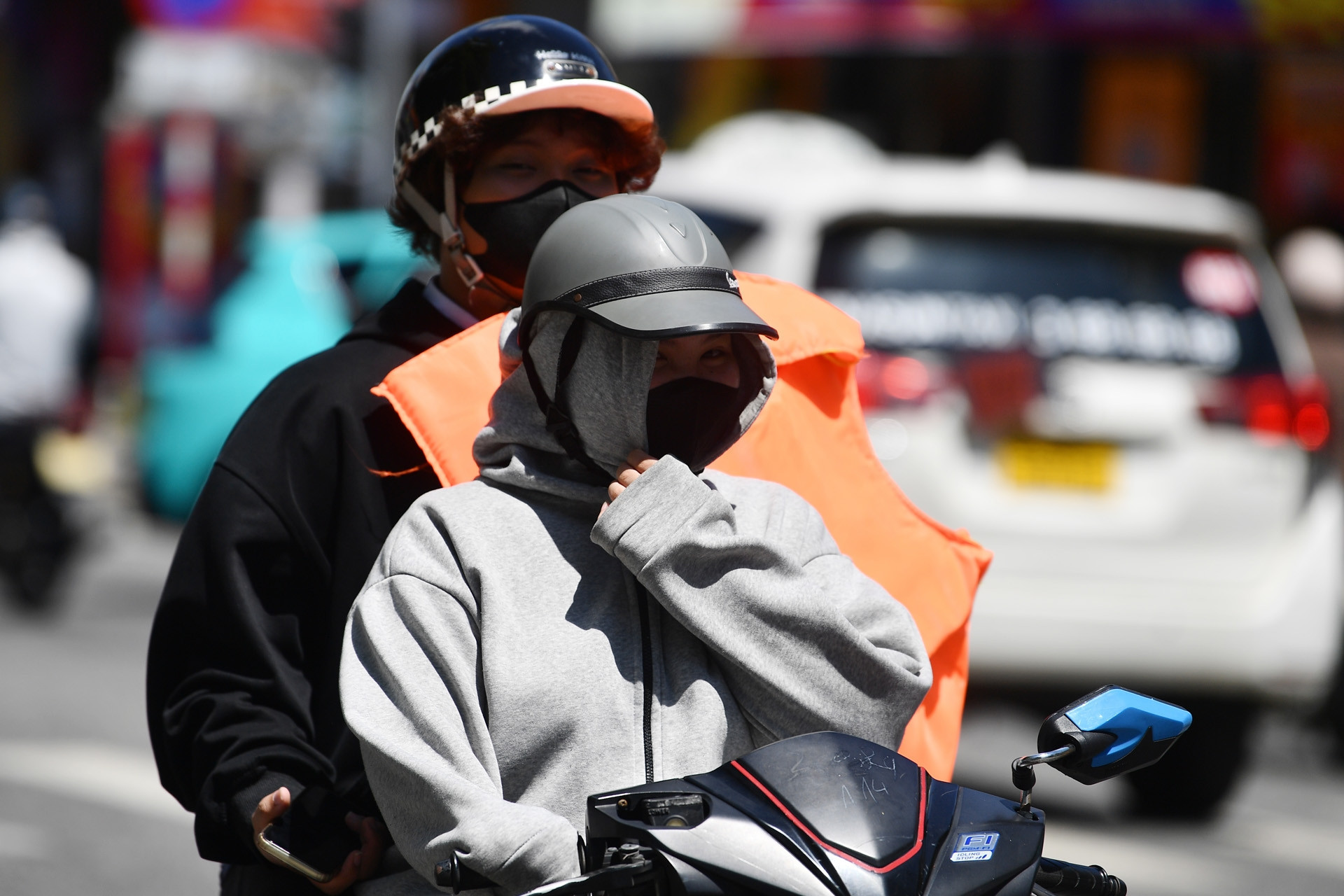
However, meteorologists say the extreme weather is likely to last only about three more days before widespread thunderstorms return.
Northern and central regions endure peak heatwave
According to the National Center for Hydro-Meteorological Forecasting, areas stretching from Thanh Hoa to Da Nang, as well as eastern Quang Ngai Province, experienced intense and exceptionally severe heat on May 24, with temperatures commonly ranging from 37-39 degrees Celsius and some places exceeding 39 degrees.
Several locations recorded extremely high temperatures, including Tinh Gia in Thanh Hoa at 39.8 degrees Celsius, Vinh, Tay Hieu and Con Cuong in Nghe An at 39.3 degrees, Huong Khe in Ha Tinh at 39.5 degrees, and Dong Hoi and Ba Don in Quang Tri at 39.2 degrees.
Northern Vietnam and the eastern parts of the Central Highlands, from Gia Lai to Lam Dong, also saw widespread extreme heat, with many places surpassing 39 degrees Celsius. Vinh Yen in Phu Tho recorded 40 degrees, while Lang in Hanoi reached 39.7 degrees and Bac Ninh hit 39.4 degrees.
Humidity levels remained low at around 40-50%, intensifying the oppressive and dry conditions.
Forecasters say the heatwave will continue across northern and central Vietnam over the next one to two days. Areas from Thanh Hoa to Da Nang could see temperatures rise above 40 degrees Celsius, while northern provinces are forecast to remain between 36-38 degrees, with some areas exceeding 39 degrees.
In Hanoi, the urban heat island effect caused by dense concrete structures and asphalt roads is expected to push temperatures even higher, ranging from 37-39 degrees Celsius, with some districts potentially exceeding 39 degrees. Actual outdoor temperatures may feel significantly hotter.
Thunderstorms are expected to arrive in Hanoi between the night of May 28 and May 29, bringing an end to the current heatwave.
Meteorologists described this as the most severe and prolonged heatwave since the beginning of the season. The hottest period in northern Vietnam is forecast to last from May 24 to 27.
Experts also warned that real-feel temperatures outdoors may be 2-4 degrees Celsius higher, especially in urban areas dominated by concrete and asphalt surfaces.
The prolonged heat combined with low humidity is increasing the risk of fires and explosions, while also posing health risks to the elderly, children and outdoor workers.
When will the heatwave end?
Weather authorities predict the heatwave in northern Vietnam will likely continue until around May 27, while central provinces may not see relief until May 28 as weather patterns begin shifting and thunderstorms develop.
Specifically, scattered showers and thunderstorms are forecast across northern Vietnam from the evening of May 27 through May 30, with localized heavy rain possible and temperatures gradually easing.
Afterward, the region is expected to transition into a more typical pattern of isolated showers and thunderstorms.
In central Vietnam, scattered rain and thunderstorms are also forecast from the evening of May 28 to May 30, ending the prolonged spell of extreme heat.
Despite scorching daytime temperatures, meteorologists warned that localized evening and nighttime thunderstorms could still occur in many areas. Large temperature differences may also trigger severe weather events, including whirlwinds, lightning, hail and strong gusts.
Southern Vietnam braces for more thunderstorms
While northern and central regions remain under intense heat, the Central Highlands and southern Vietnam are expected to continue experiencing sunny conditions during the day, with some areas facing heatwaves, followed by scattered showers and thunderstorms in the late afternoon and evening.
According to the Southern Regional Hydro-Meteorological Center, heat will continue over central and northern parts of Ho Chi Minh City during the next two days, with temperatures ranging from 35-36 degrees Celsius and some areas exceeding 36 degrees.
Humidity levels are expected to fall to around 45-50%, with the hottest period occurring between noon and 4 p.m.
By May 27, heatwaves are still expected across southeastern provinces before thunderstorms become more widespread again toward the end of May and early June.
Bao Anh
.svg)
