 Vietnamnet.vn

 Podcast



Traditional lithium-ion batteries use lithium oxide cathodes and graphite anodes. When discharging, lithium ions move from the anode to the cathode through the electrolyte, creating an electron flow to power the device.
Silicon-carbon batteries differ in the anode, replacing graphite with a silicon-carbon nano compound. The reason is simple yet powerful: silicon can store 10 times more lithium ions than graphite, dramatically increasing battery capacity within the same volume.
The challenge is that silicon expands significantly when absorbing lithium ions, which can deform or damage the battery. To address this, manufacturers add carbon nanostructures to prevent cracking, helping stabilize the silicon during charge-discharge cycles.
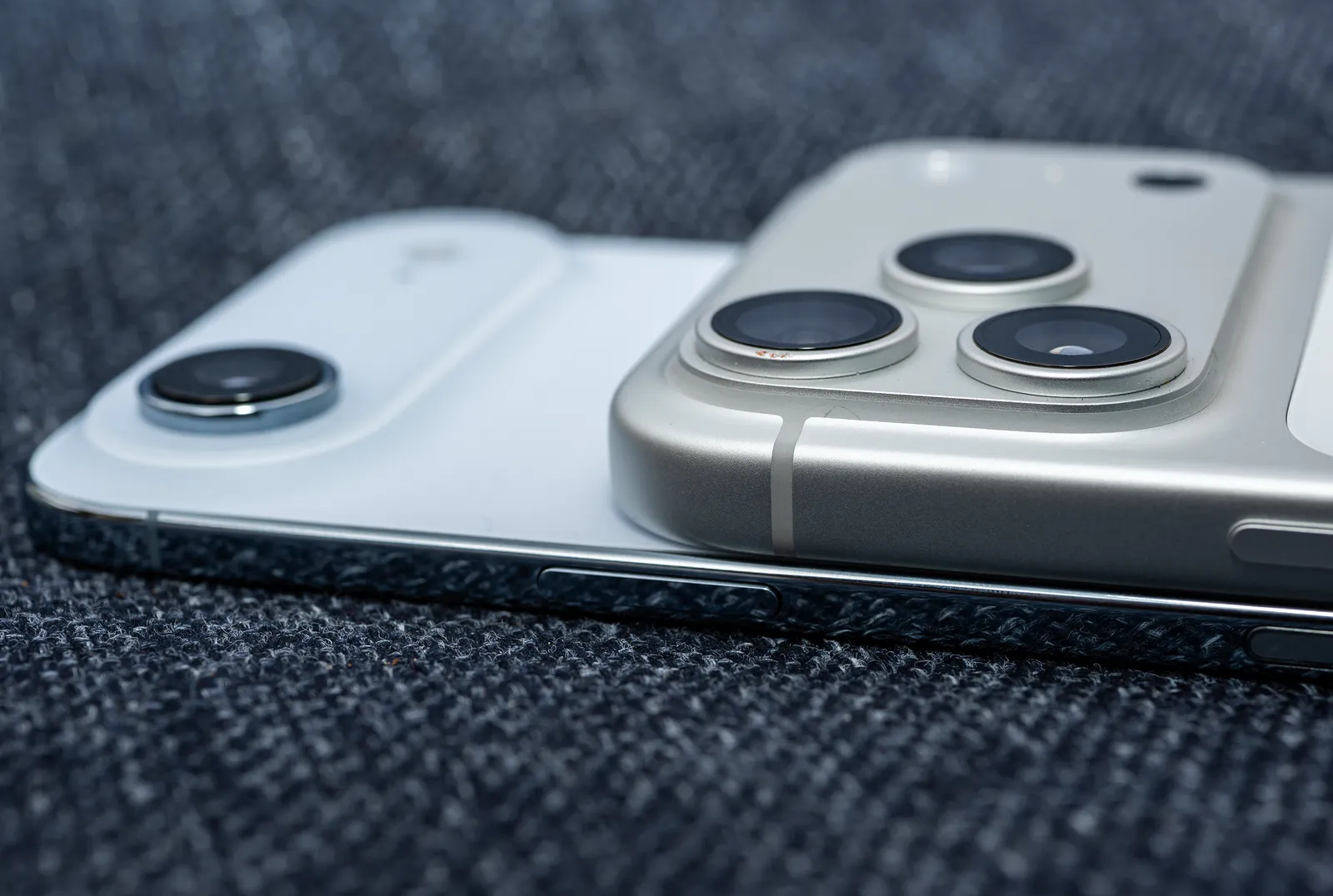
Had Apple adopted this battery type, the iPhone Air could have maintained its ultra-thin profile while housing a high-capacity battery sufficient for all-day use.
While Apple remains loyal to traditional lithium-ion cells, many Chinese brands have moved ahead. Xiaomi, HONOR, Tecno, and others have implemented silicon-carbon batteries in ultra-thin devices:
HONOR Magic V3 measures just 9.2mm when folded and 4.35mm when open.
HONOR Magic V5 is even thinner at 4.1mm when open.
OPPO Find N5 achieves 4.21mm when open.
Tecno Pova Slim 5G is 5.95mm thick yet holds a 5,160mAh battery.
By comparison, the iPhone Air is 5.6mm thick with only a 3,149mAh battery. Tecno's phone is just 6% thicker but boasts nearly 40% more battery capacity - a tradeoff that’s hard to justify.
Imagine if Apple had equipped the iPhone Air with a 5,000mAh silicon-carbon battery - matching the iPhone 17 Pro Max (5,088mAh). It could have become a market sensation.
Still, Apple had reasons to hesitate. Even with carbon reinforcement, silicon-carbon batteries expand about 20% when fully charged, putting stress on the chassis. Additionally, their lifespan is shorter, typically degrading after just 2–3 years.
This puts Apple in a tough spot: create a super-thin iPhone with impressive battery power but shorter longevity, or build a sleek device with weak, impractical battery life. Clearly, Apple chose the latter.
A missed opportunity for Apple
By prioritizing form over function, Apple may have forgotten what users truly need - a durable iPhone, not just a stylish piece of tech. The iPhone Air is now a living example of the wrong trade-off between slimness and real-world usability.
The sales decline and 80% component production cut say it all.
If anything could have saved the iPhone Air, it was silicon-carbon battery technology - a solution that Chinese smartphone brands have already proven effective and even superior under similar design constraints.
Apple has long been proud to define industry standards. But this time, its cautious approach and reluctance to innovate cost it a golden opportunity.
Had the iPhone Air featured silicon-carbon batteries, it could have been a true symbol of innovation - thin, powerful, and different.
But as it stands, Apple’s quest for slimness came at the cost of the iPhone’s heart: battery life.
Hai Phong
.svg)
